
Recent Developments,
Key Innovations, and
Insightful Reports
Your One Stop Platform for Regular Sector Updates
Sector news
View By Category
Categories
- See all
- Agriculture
- Clean Cookstoves
- Clean Energy
- Climate Action
- Digital Technology
- Education
- Financial Services
- General
- Healthcare
- Hygiene
- Impact Investment
- Inclusive Value Chains
- Livelihoods
- Livestock
- Lower Income Consumers
- Marketing, Distribution and Sales for BoP
- Nutrition
- Sanitation
- Water
- Women Empowerment


January 28, 2013
Brazil’s government working towards US$206 billion sanitation plan
The Brazilian government is working towards launching a US$206 billion national sanitation plan called Plansab. This plan will entail universalizing sanitation services in the country by 2013. Read more here.
January 28, 2013
Liberia: VP launches water and sanitation Africa Foundation
Vice President of Liberia Joseph N. Boakai recently launched the Water and Sanitation for Africa Foundation in Dakar, Senegal. This was done on behalf of President Ellen- Johnson Sirleaf who is also the Goodwill Ambassador for Water and Sanitation. Read more here.
January 28, 2013
EU and KfW grant for Tanzania water, sanitation supply
The European Union and the German aid agency KfW have contributed a total of € 71 million in updating the infrastructure of water and sanitation in Tanzania. Read more here.
January 28, 2013
Nigeria: EU signs N 5 billion agreement with UNICEF
The European Union has recently signed an agreement with UNICEF in Nigeria to provide a sum of N 5 billion for the Rural Water Supply and Sanitation Project, which is to be implemented in five states in the country. Read more here.
January 7, 2013
The issue of PHL – Post Harvest Loss
While the global leaders may have correctly recognized the most pressing food insecurity related issue as the low production of food, another factor recognizable is something called PHL, or post-harvest loss. This is the loss of food produced, made between the farm and the gate leading outside. Extent of these […]
January 7, 2013
Global Institute for Food Security launched
A new institute called the Global Institute for Food Security has been launched at the University of Saskatchewan in Saskatoon. This is a timely project given that the world’s population will reach 9 billion by 2050. To feed this population, the world’s farmers must escalate their output by 70 per […]
January 7, 2013
VLCC partners with WFP for “Global Balance Programme”
In a move to attempt to balance the most critical nutrition related issues in the world, VLCC, the slimming, beauty and preventive healthcare brand is partnering with UN World Food Programme to launch “Global Balance Programme”. Under this programme, for every member losing weight in VLCC’s UAE centres, the company […]
January 7, 2013
East Africa: Firm, university partner to encourage Vitamin A rich potatoes
The International Potato Centre (CIP) has partnered with Sokoine University in Dar es Salaam to encourage people to purchase orange skinned sweet potatoes which are rich in Vitamin A. Vitamin A deficiency is prevalent in the developing world, and renders a number of children blind every year. Read more here.
January 7, 2013
Food companies play ambivalent part against flab in the developing world
Perhaps it is worth noting that sales of fizzy drinks have more than quadrupled in India, Brazil, China and Russia. Fizzy drinks contributed 20 per cent to obesity in America between 1997 and 2007. While most food companies are trying to make more nutrition and less fattening food, despite potentially […]
Get The Latest From The Social Sector In Your Inbox

Subscribe to our newsletter
View Our Publications
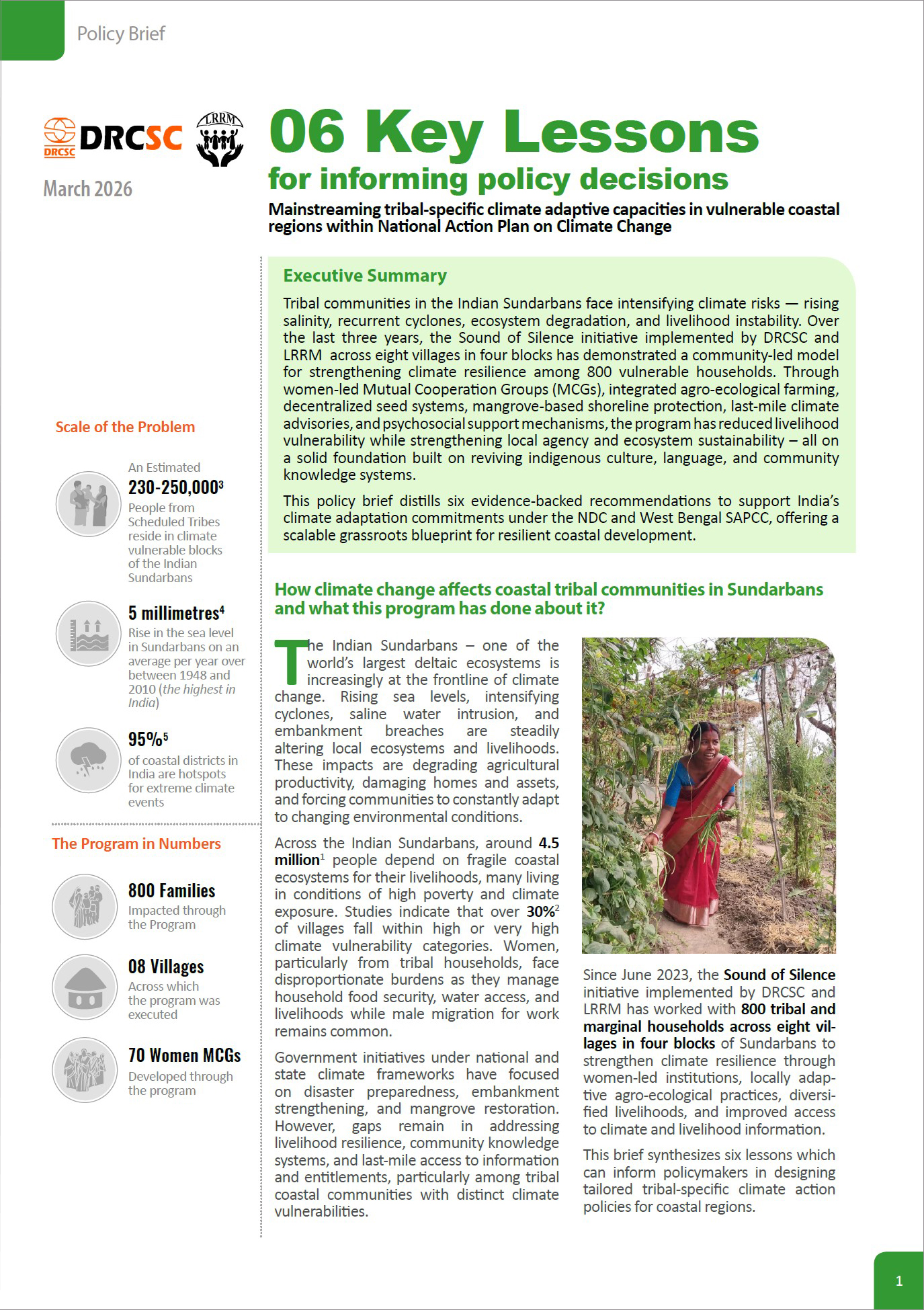
06 Key Lessons for informing policy decisions: Mainstreaming tribal-specific climate adaptive capacities in vulnerable coastal regions within National Action Plan on Climate Change
Download Full Report
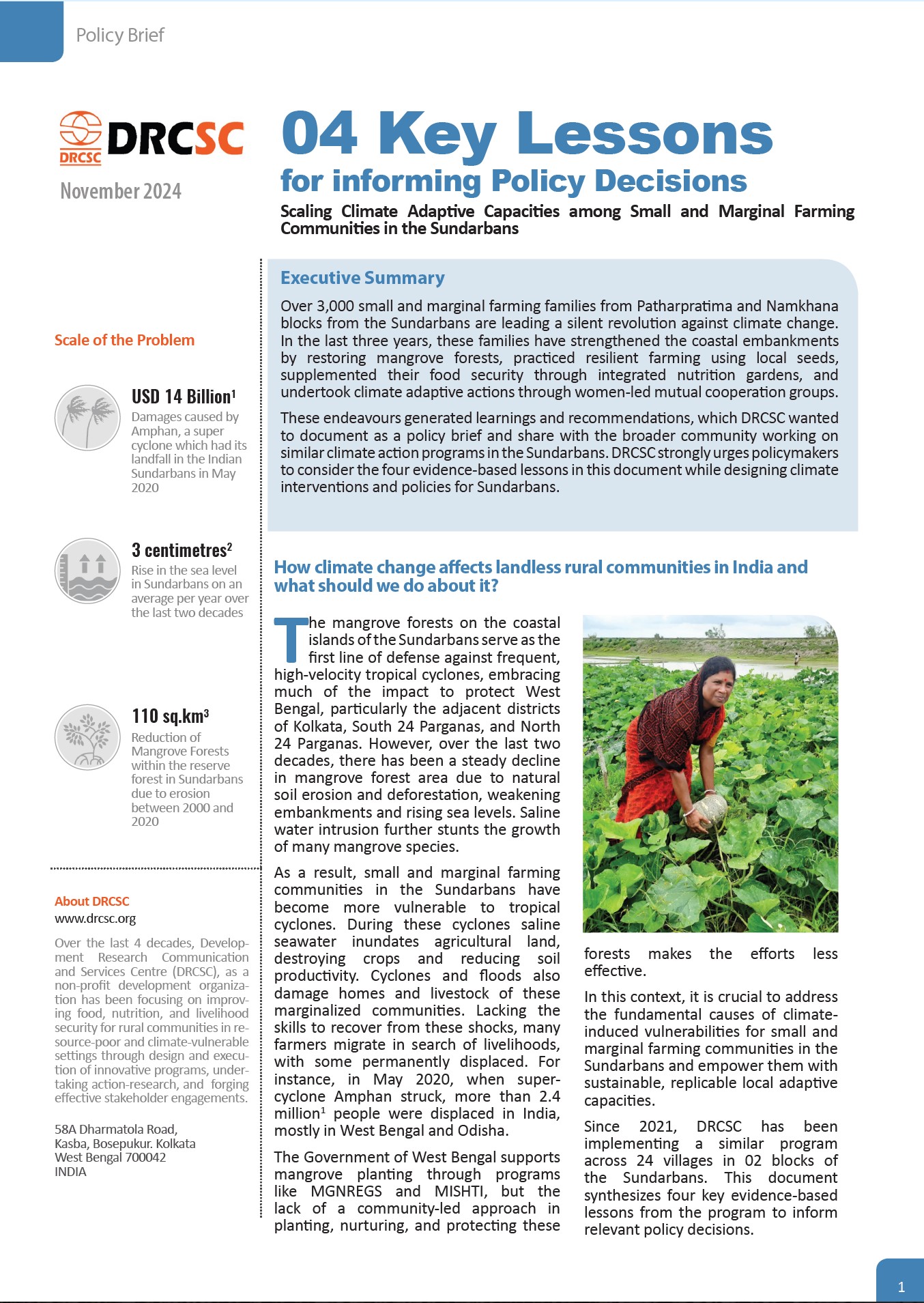
Four Key Lessons for Policy Consideration: Scaling Climate Adaptive Capacities among Small and Marginal Farming Communities in the Sundarbans
Download Full Report
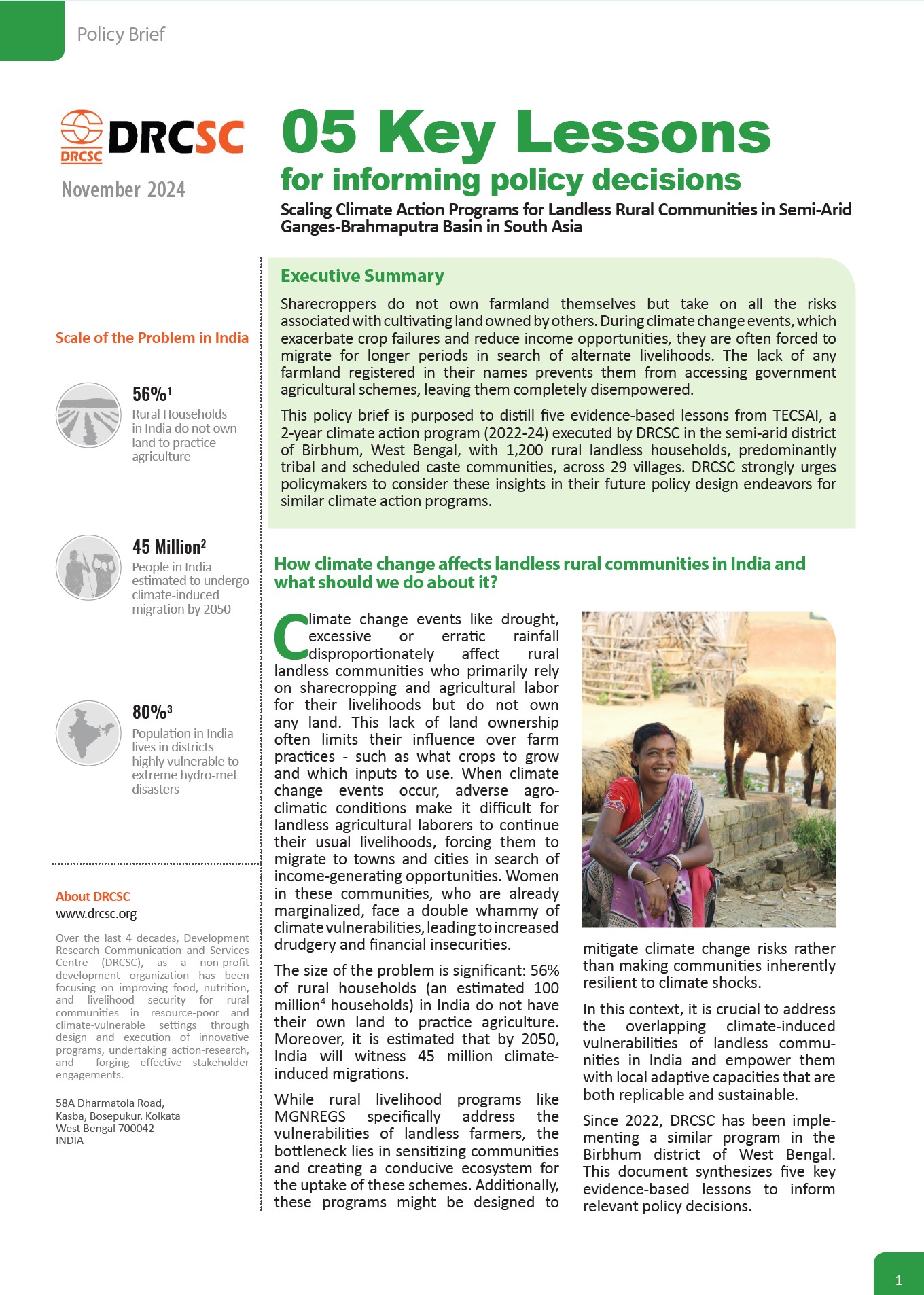
Five Key Lessons for Policy Consideration: Scaling Climate Action Programs for Landless Rural Communities in Semi-Arid Ganges-Brahmaputra Basin in South Asia
Download Full Report
View Blog Posts
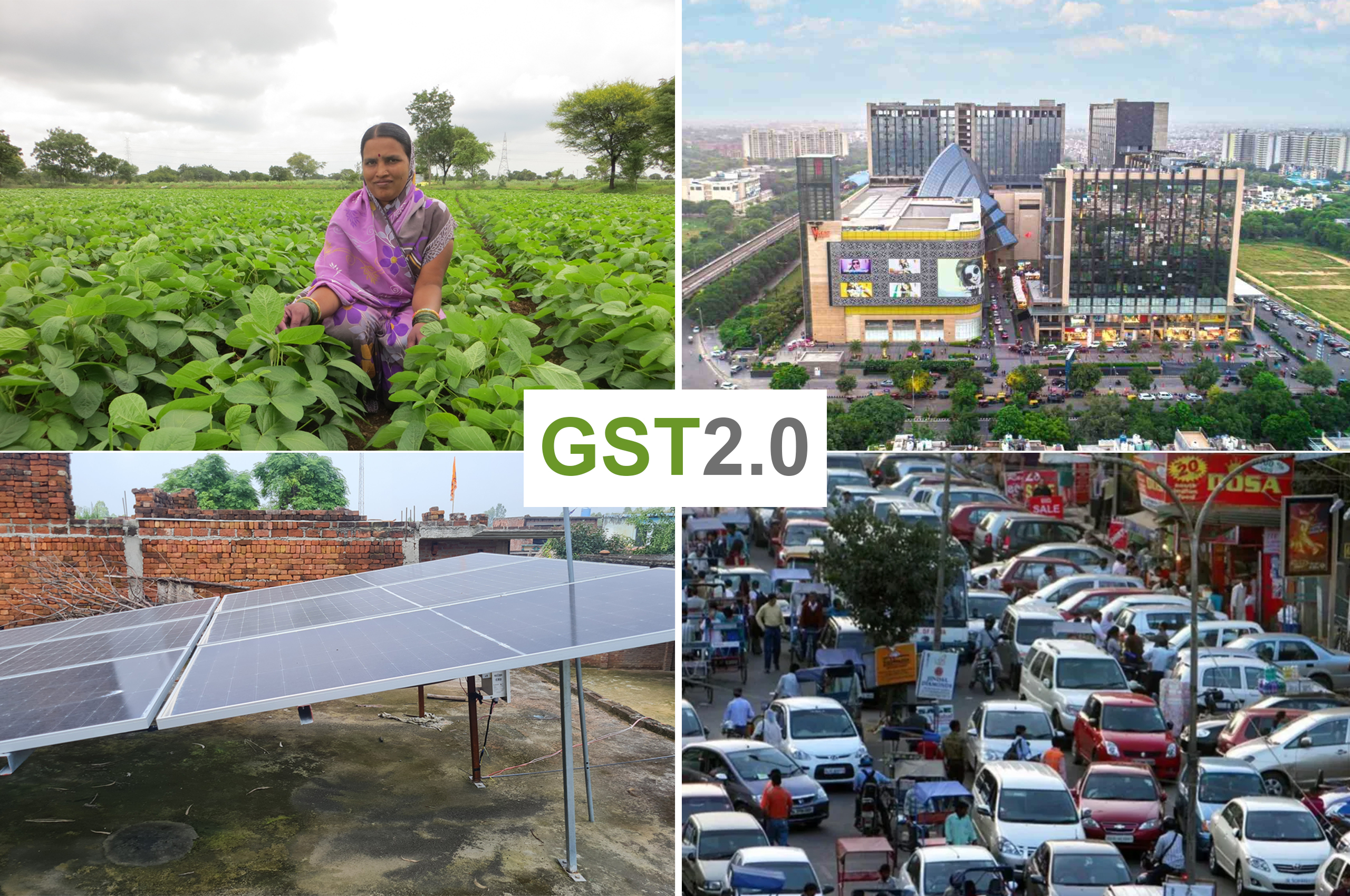
GST 2.0 and Tax Cuts: Can They Make Growth Fairer and Greener?
India's latest GST reform, being termed as GST 2.0, is more than just slashing rates. By simplifying the tax structure, cutting levies on essentials, and supporting renewable infrastructure, it's open..
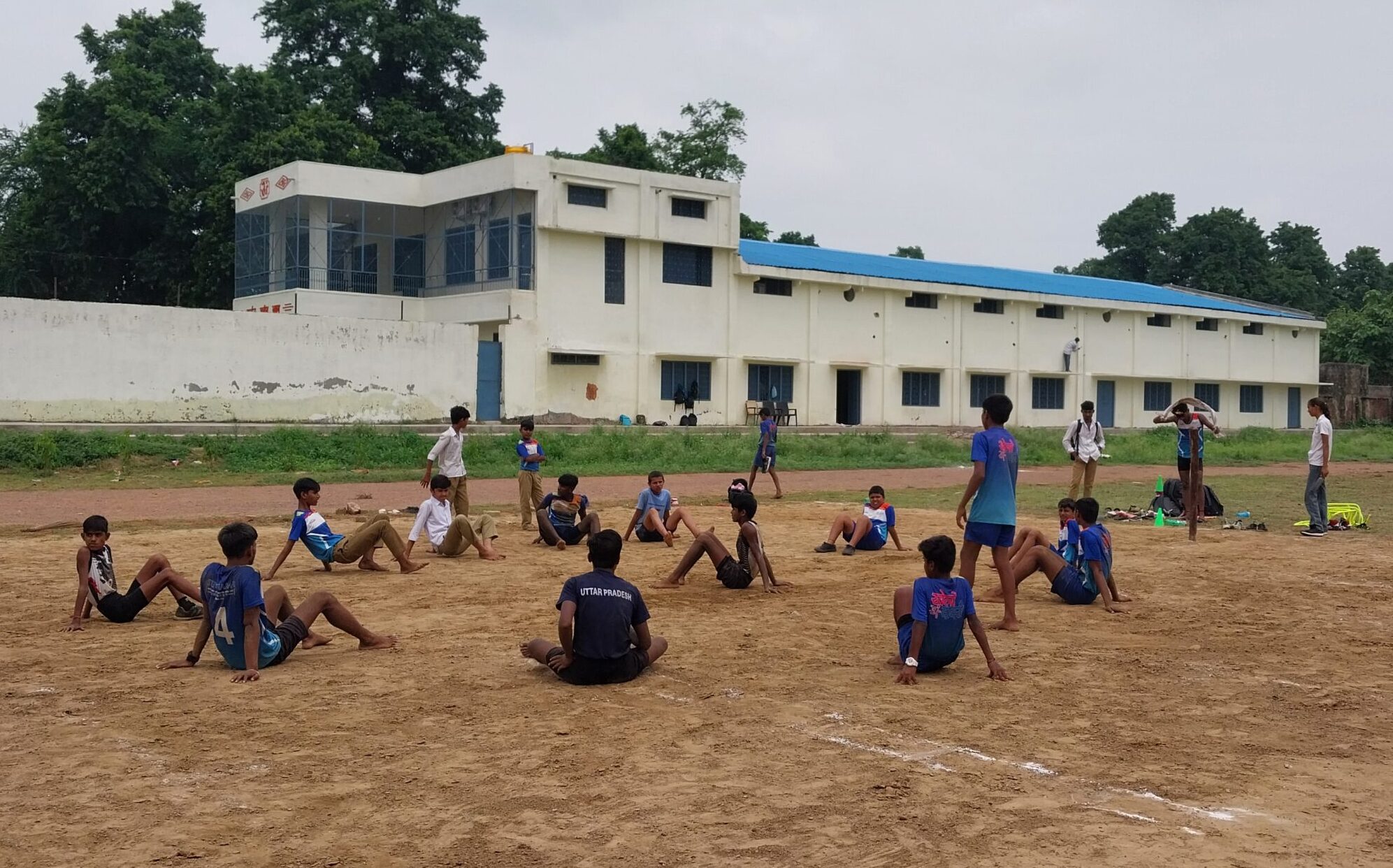
Reimagining Sports in CSR: From Tokenism to a Vehicle for Multiplying Impact
In 2023–24, Indian companies spent about ₹1,396 crore of their CSR budgets on sports — just 4% of the total ₹34,909 crore Indian corporates spent on CSR that year. Most of the rest went to edu..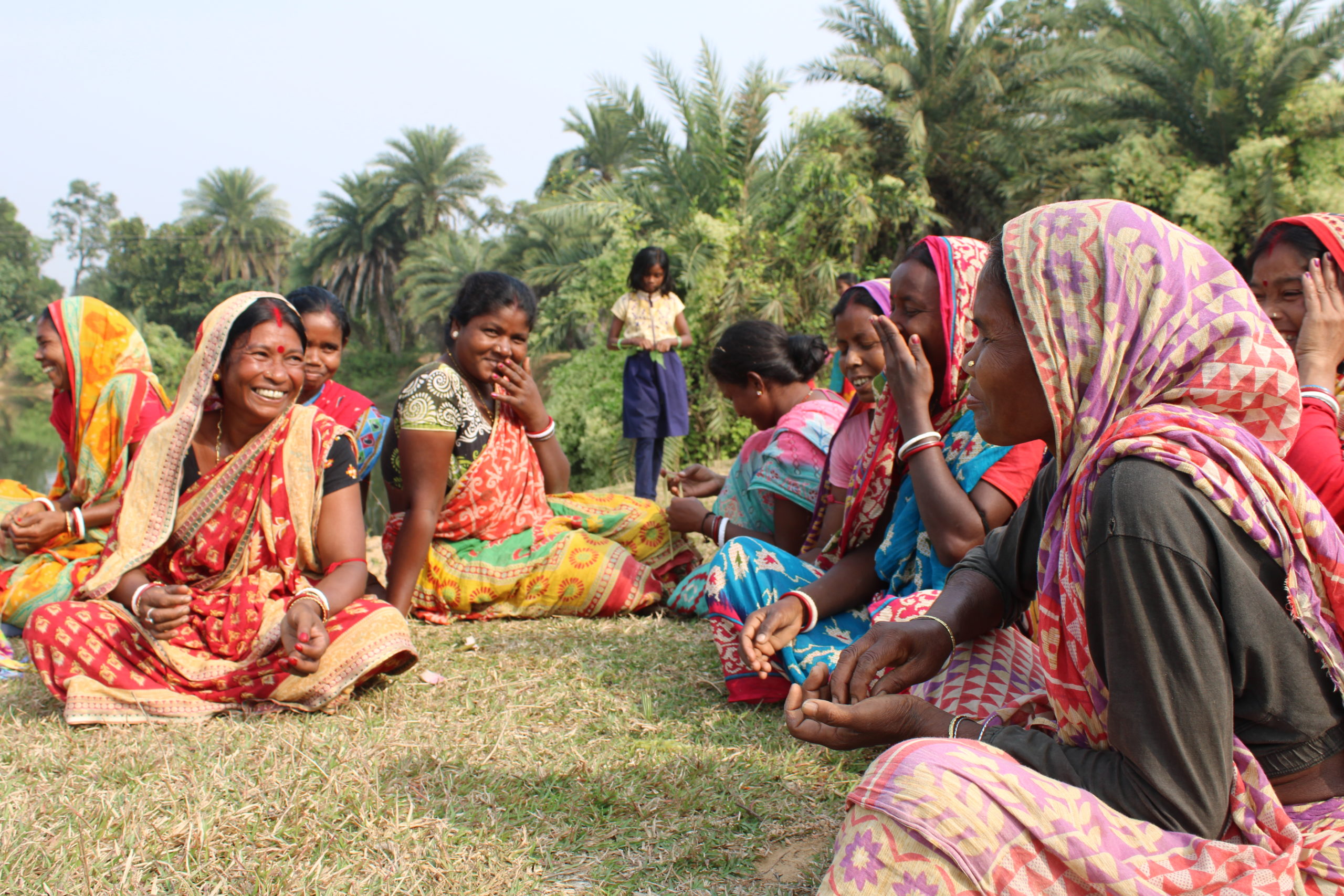
Interactive SHG Map of India: 7.5 million Women Self Help Groups are spread across 27 States and 6 UTs in India
Under the National Rural Livelihood Mission (NRLM), India has 7.5 million Women Self Help Groups (SHGs) spread across 27 states and 6 Union Territories. Each of these small, self-governed, and peer-co..