
Recent Developments,
Key Innovations, and
Insightful Reports
Your One Stop Platform for Regular Sector Updates
Sector news
View By Category
Categories
- See all
- Agriculture
- Clean Cookstoves
- Clean Energy
- Climate Action
- Digital Technology
- Education
- Financial Services
- General
- Healthcare
- Hygiene
- Impact Investment
- Inclusive Value Chains
- Livelihoods
- Livestock
- Lower Income Consumers
- Marketing, Distribution and Sales for BoP
- Nutrition
- Sanitation
- Water
- Women Empowerment


January 7, 2013
The Enabling Environment: Global Guidelines and National Policies for Indoor Air Quality
This report by the RTI International is a research regarding the current statistics with respect to the indoor air pollution scenario in the developing world, the programmes in effect to counter this problem and an exhaustive list of the results of indoor air pollution. Read the report here.
January 7, 2013
Household Light Makes Global Heat: High Black Carbon Emission From Kerosene Wick Lamps
This report presents new data on how 7-9per cent of kerosene consumed by widely used simple wick lamps is converted to carbonaceous particulate matter that is nearly pure BC or black carbon. These estimates put kerosene sourced BC estimates to 20 times their previous estimates, suggesting that these could be […]
January 7, 2013
Tuberculosis and Poverty: Why Are the Poor at Greater Risk in India?
This report discovers a link between the income and poverty status and incidence of TB, as according to self-reported cases of TB in India. It concludes that the poorest sections of the society contract diseases like TB, its most common cause being low body mass index and indoor air pollution. […]
January 7, 2013
Cameroon’s Microfinance National Strategy underway
The Government of Morocco with support from the UNDP (United Nations Development Programme) recently organized a workshop with the intended purpose of drawing up a national strategy for microfinance. This strategy would both make people more aware and educated in the field of microfinance while also support the scale up […]
January 7, 2013
Philippines: Country plans to retain its lead in microfinance adoption
According to the Central Bank of Philippines, Bangko Sentral ng Pilipinas (BSP) Governor, Amando M Tetangco Jr, the country will continue to maintain its lead in the adoption of microfinance through an enabling environment, by keeping abreast with the changing best practices in the global microfinance scenario. Read more here.
January 7, 2013
Nepal: New national payment system to be incorporated with IFC’s support
IFC, the finance arm of the World Bank is supporting Nepal with incorporating an efficient national payment system to regulate all electronic payment mechanisms in the country. Read more here.
January 7, 2013
MasterCard introduces a new model of MFIs in Mexico
MasterCard has recently unveiled a new business model for microfinance institutions in Mexico. Through this model, MFIs will have within their reach technologies and infrastructure to enable their alternate entities as card issuers. Read more here.
January 7, 2013
MIX launches India Map of Financial Inclusion
MIX, or the Microfinance Market Exchange recently launched the Indian Map of Financial Inclusion. This map included details related to more than 600 districts in India, and the data pertains to Banking Correspondents and MFIs. Read more here.
January 7, 2013
AGFUND supports institutionalization of the microfinance industry
The leading developmental organization of the Arab world, AGFUND (Arab Gulf Programme for Development) is for the greater scale of poor’s access to microfinance, as was evident by the theme of its recent workshop, which was along the lines of institutionalizing microfinance, qualifying the Saudi NGOs active in the field […]
Get The Latest From The Social Sector In Your Inbox

Subscribe to our newsletter
View Our Publications
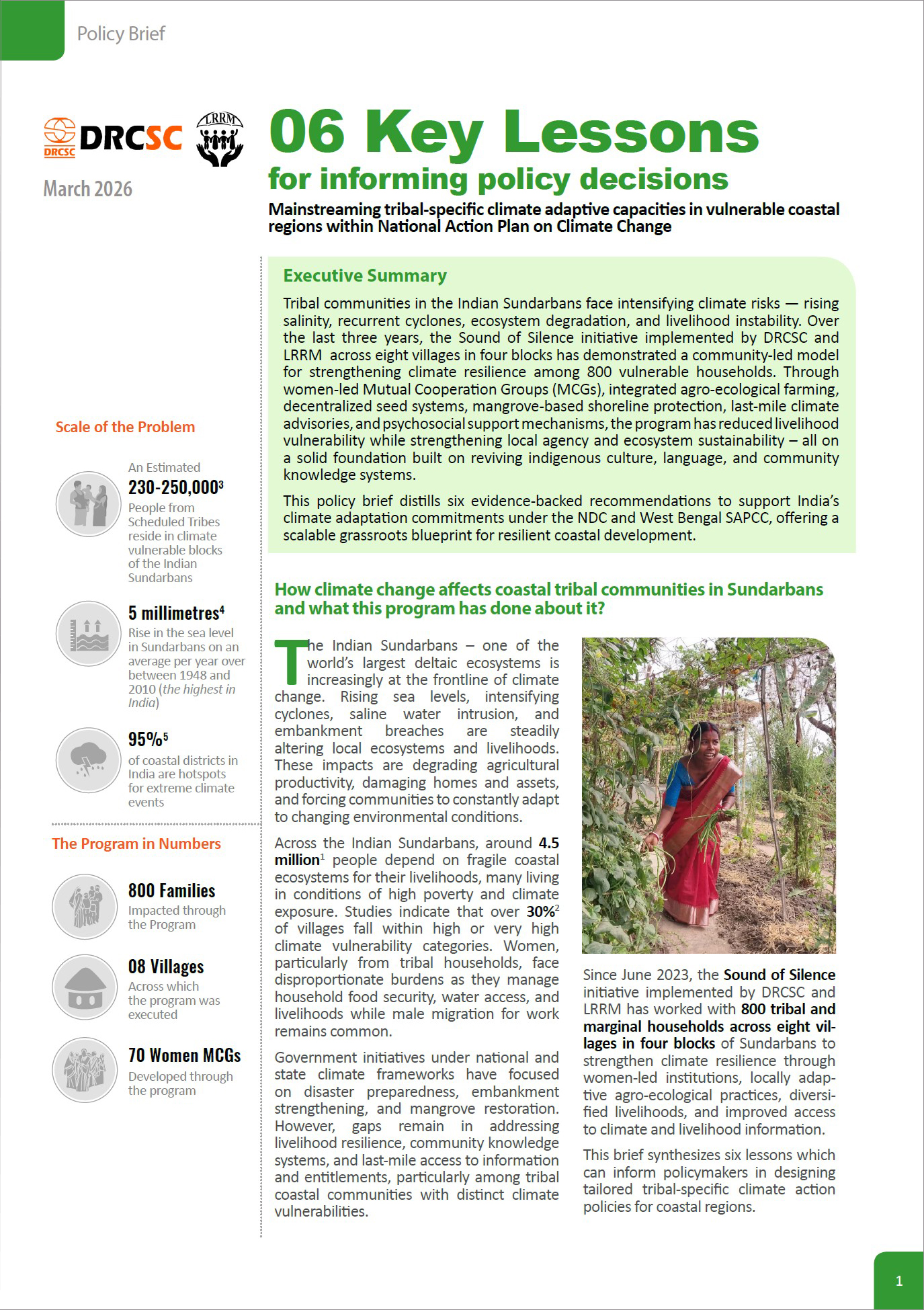
06 Key Lessons for informing policy decisions: Mainstreaming tribal-specific climate adaptive capacities in vulnerable coastal regions within National Action Plan on Climate Change
Download Full Report
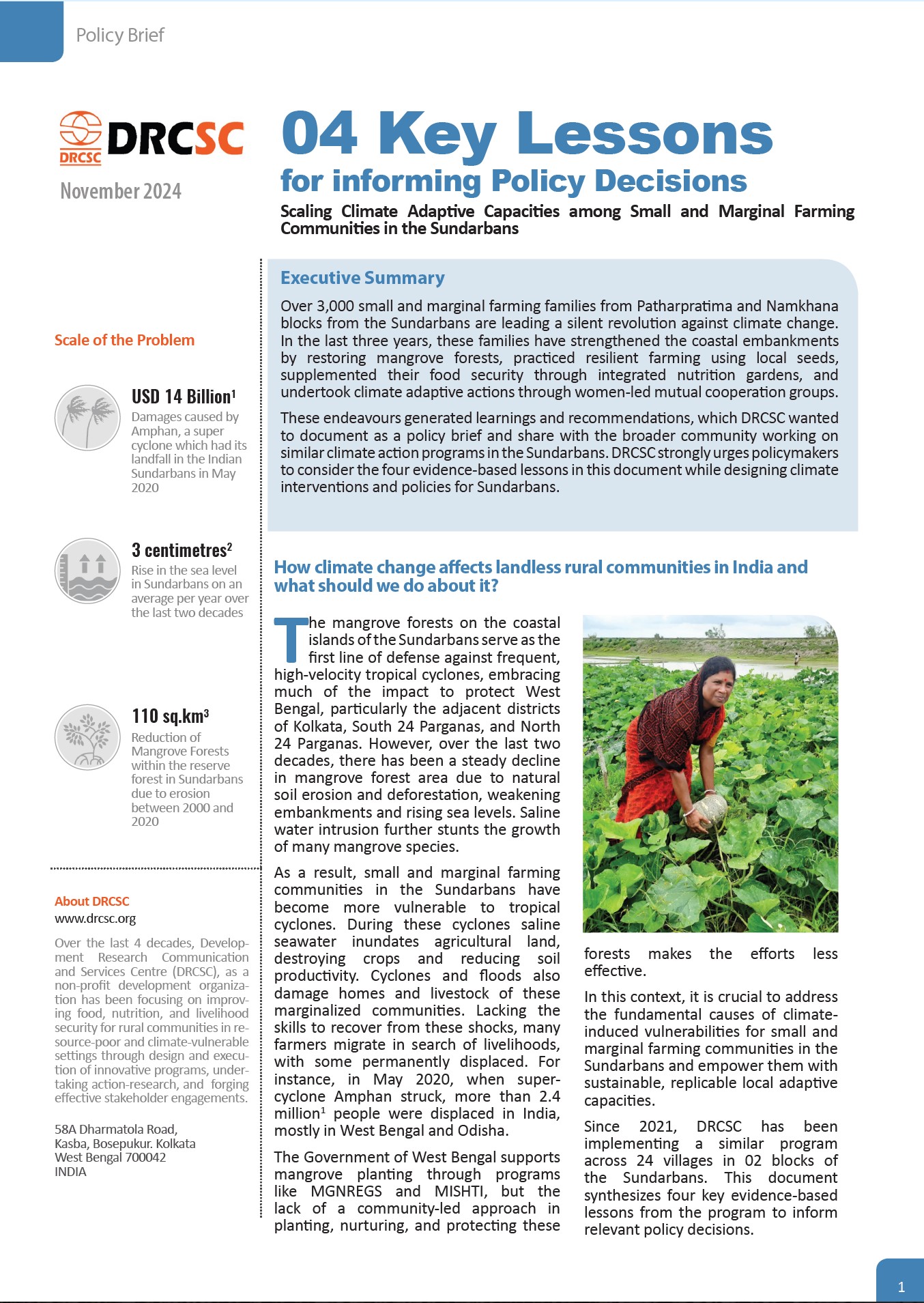
Four Key Lessons for Policy Consideration: Scaling Climate Adaptive Capacities among Small and Marginal Farming Communities in the Sundarbans
Download Full Report
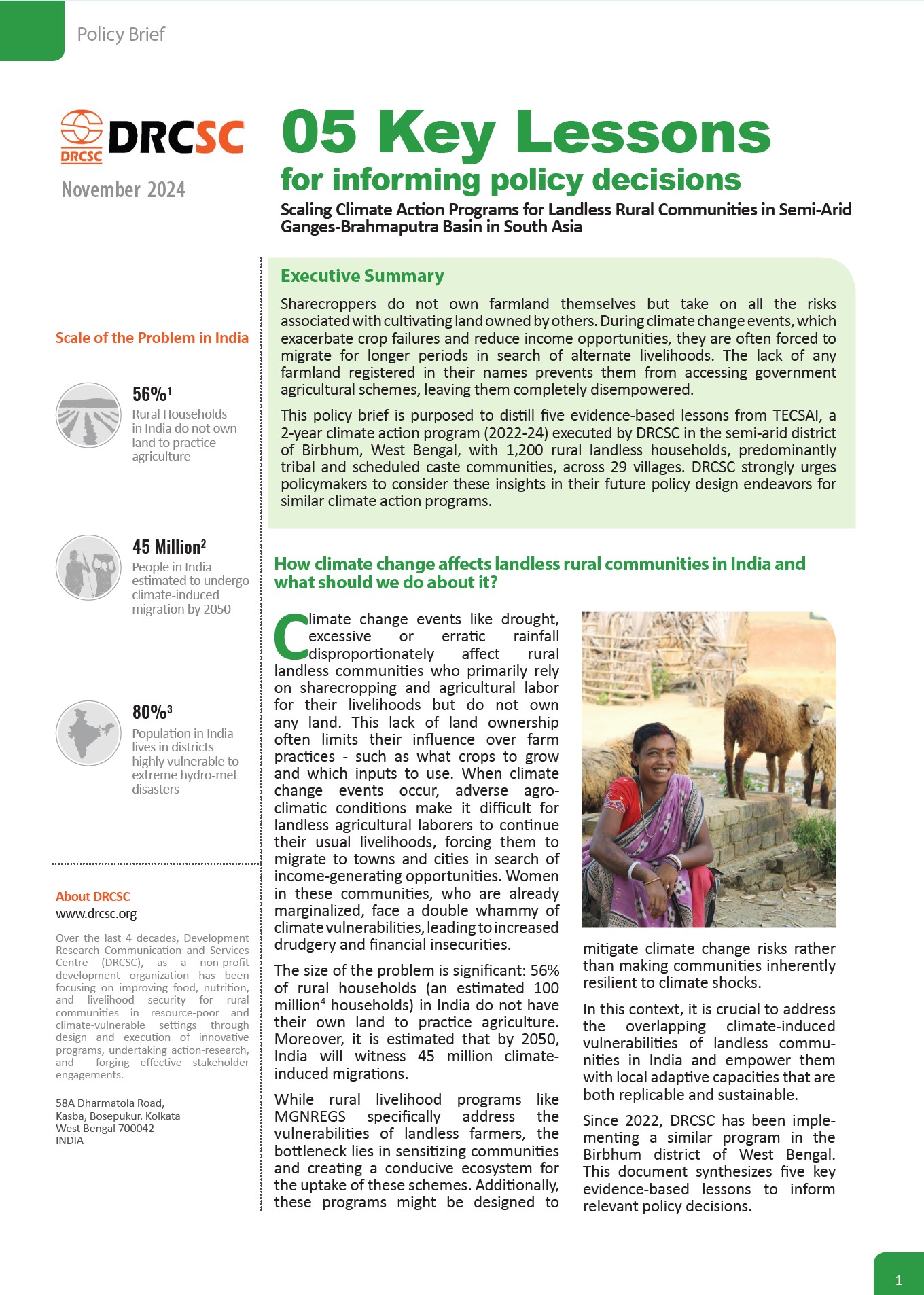
Five Key Lessons for Policy Consideration: Scaling Climate Action Programs for Landless Rural Communities in Semi-Arid Ganges-Brahmaputra Basin in South Asia
Download Full Report
View Blog Posts
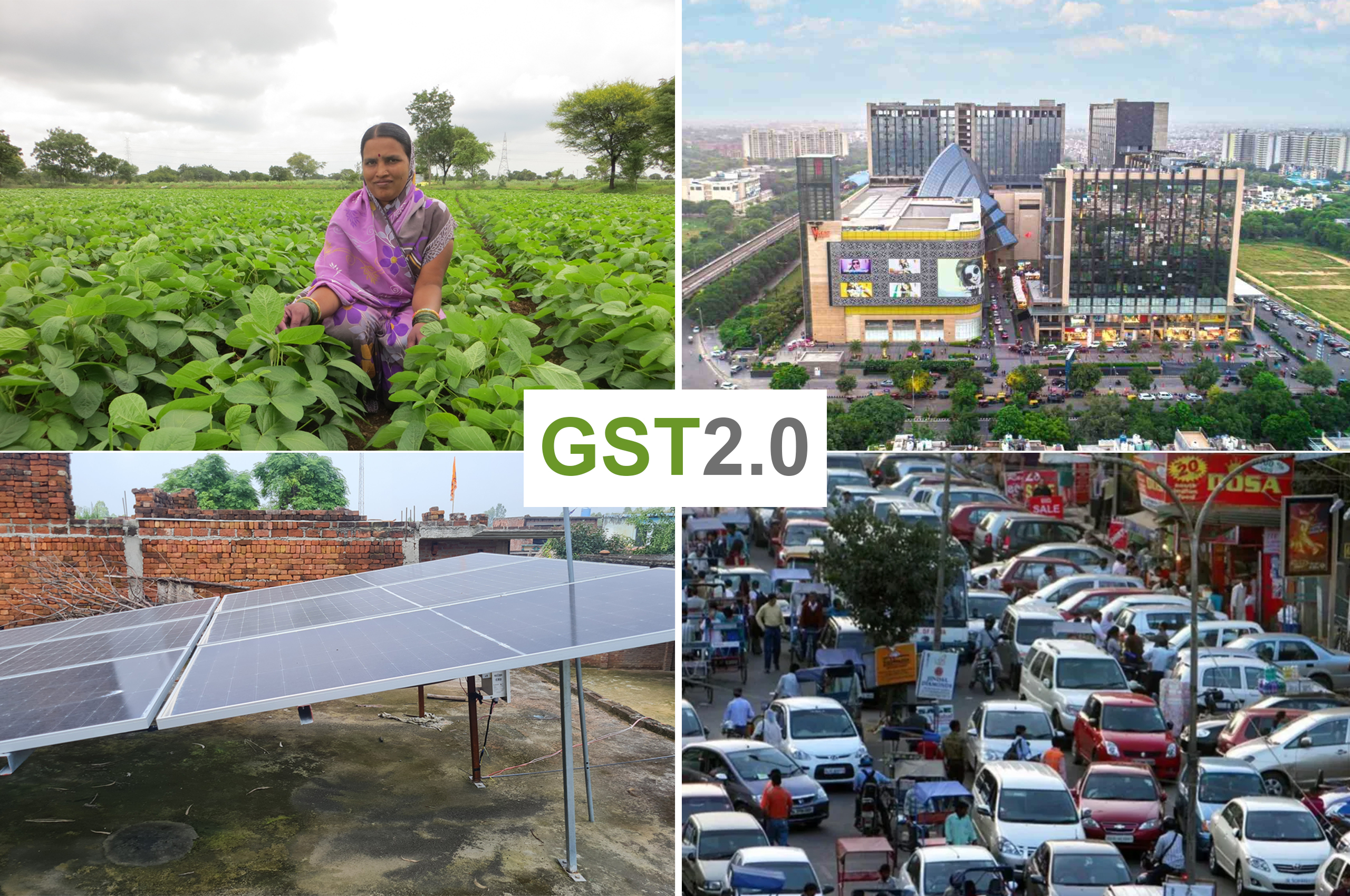
GST 2.0 and Tax Cuts: Can They Make Growth Fairer and Greener?
India's latest GST reform, being termed as GST 2.0, is more than just slashing rates. By simplifying the tax structure, cutting levies on essentials, and supporting renewable infrastructure, it's open..
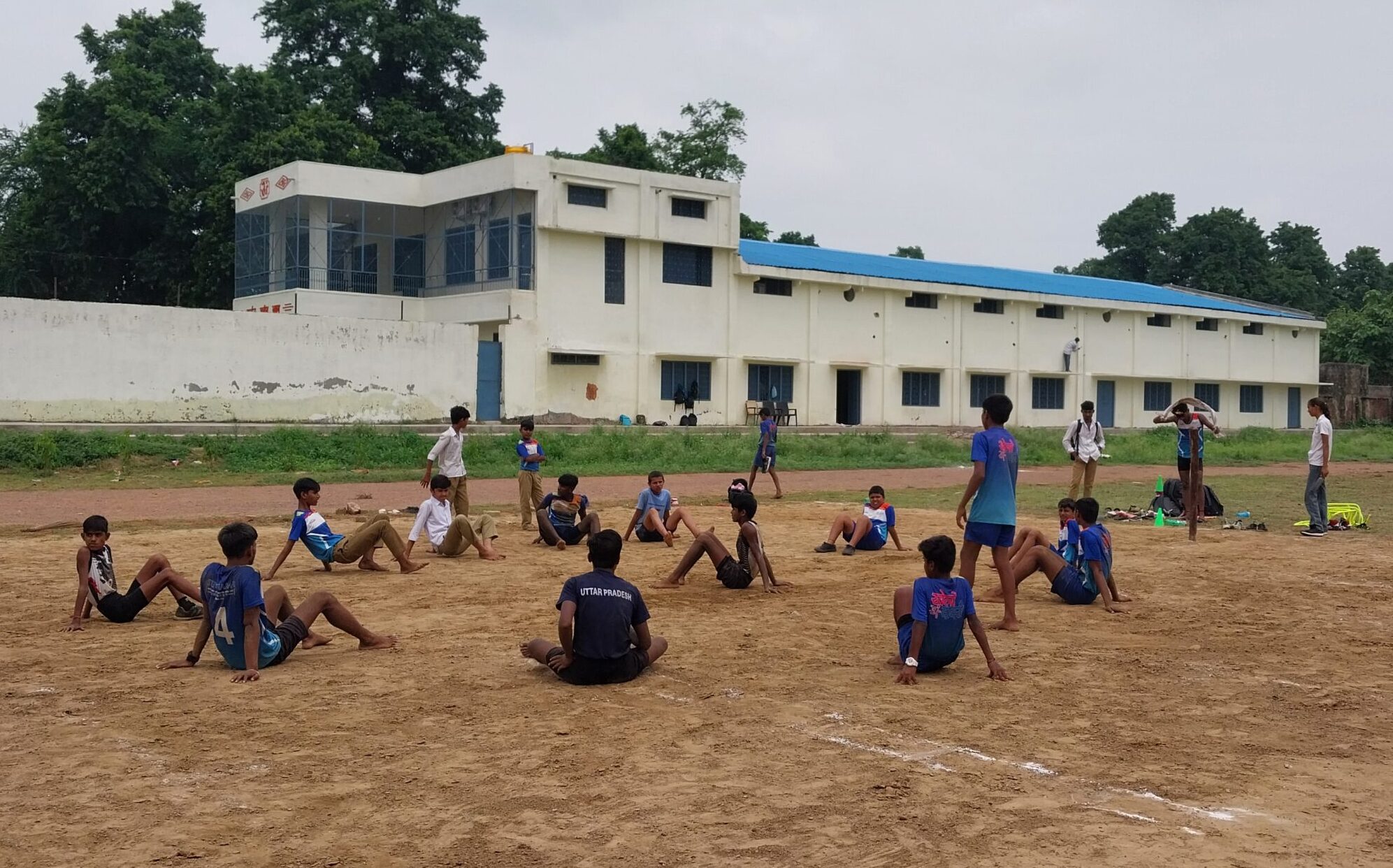
Reimagining Sports in CSR: From Tokenism to a Vehicle for Multiplying Impact
In 2023–24, Indian companies spent about ₹1,396 crore of their CSR budgets on sports — just 4% of the total ₹34,909 crore Indian corporates spent on CSR that year. Most of the rest went to edu..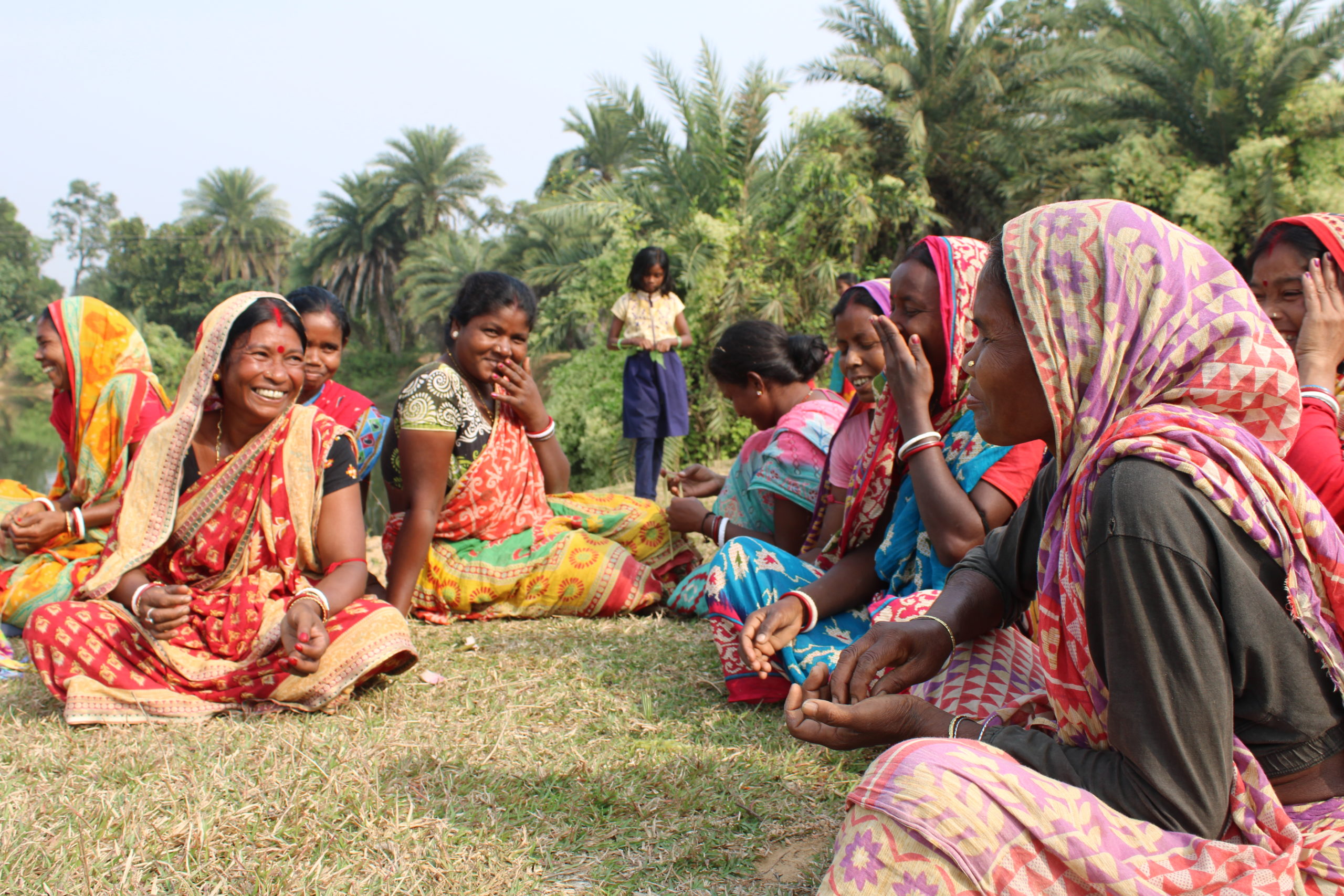
Interactive SHG Map of India: 7.5 million Women Self Help Groups are spread across 27 States and 6 UTs in India
Under the National Rural Livelihood Mission (NRLM), India has 7.5 million Women Self Help Groups (SHGs) spread across 27 states and 6 Union Territories. Each of these small, self-governed, and peer-co..