
Recent Developments,
Key Innovations, and
Insightful Reports
Your One Stop Platform for Regular Sector Updates
Sector news
View By Category
Categories
- See all
- Agriculture
- Clean Cookstoves
- Clean Energy
- Climate Action
- Digital Technology
- Education
- Financial Services
- General
- Healthcare
- Hygiene
- Impact Investment
- Inclusive Value Chains
- Livelihoods
- Livestock
- Lower Income Consumers
- Marketing, Distribution and Sales for BoP
- Nutrition
- Sanitation
- Water
- Women Empowerment


January 7, 2013
The ‘ABCDs’ of impact investing and social enterprise
Impact Investment is an effective way of addressing social and environmental issues. However, as brought to light by updates in the previous issue, firms and organizations are not nearly able to tap the total potential of impact investment. This post shows how asking four basic questions can ease the transition […]
January 7, 2013
Newly formed Impact Circle makes maiden investment in affodable education enterprise in India
Impact Circle, a newly formed angel investment network with a social bend recently made an investment in Sudiksha Knowledge Solutions Private Limited, an affordable education social enterprise catering to the base of the pyramid. Read more here.
January 7, 2013
Investment for social enterprise: From open arms in Rio to stampede in Calgary
This post enlists the advances achieved in the Social Enterprise World Forum 2012 which was held in Rio de Janeiro in October. This three day event was attended by about 700 delegates from around the world. Read more of the account here.
January 7, 2013
The new bold face of impact investing
This post is an intriguing recount of how a successful investment portfolio manager got started on impact investment, and what his take on the definition of the same is. Along the piece, insightful alternate meaning of impact investment, in its essence emerges, as the ‘new bold face’ of impact investment. […]
January 7, 2013
ESG aligned investments reduce client risk and increases yields
According to Australian investment management company Dalton Nicol Reid, ESG aligned investments limit risk for funds and increases client returns. Read more here.
January 7, 2013
4 crowdfunding mistakes that social entrepreneurs must avoid
This post enlists the traps that social entrepreneurs must avoid when sourcing the funding for their projects through crowd funding, explaining what social entrepreneurs may be doing wrong. Read more here.
January 7, 2013
Better networking, the next hurdle in impact investing
While the idea of impact investment may be well recognized, key facilitators and stakeholders still have trouble finding each other, and finding key information regarding impact statistics (as the new GIIN reporting standards are not followed more often than they are) that are imperative to enable meaningful impact investment for […]
January 7, 2013
The concept of ‘Responsible Investment’
This post talks about how 4 INSEAD MBA graduates walked away from lucrative jobs to prove their theory that creative and equitable investment could change the world. They recognized a gap of financing for social enterprises bigger than the usual microenterprises, but smaller than the ones eligible for emerging markets […]
January 7, 2013
Taiwan donates 10,000 solar lamps
The Taiwanese Government recently handed out as many as 10,000 solar lamps to the country’s 50 constituencies. This was done as a part of the national initiative called “One Student One Solar Lamp”. Read more here.
Get The Latest From The Social Sector In Your Inbox

Subscribe to our newsletter
View Our Publications
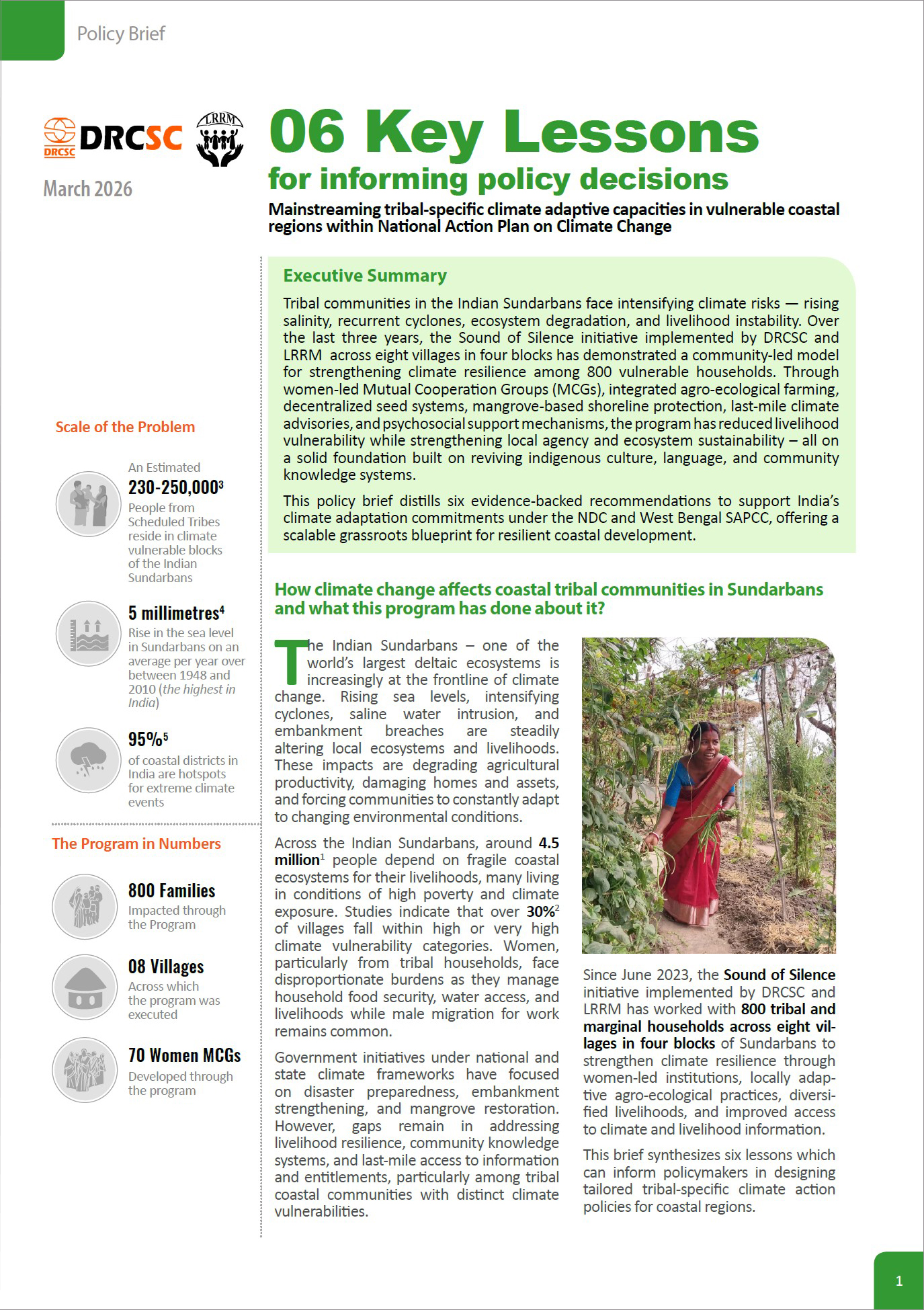
06 Key Lessons for informing policy decisions: Mainstreaming tribal-specific climate adaptive capacities in vulnerable coastal regions within National Action Plan on Climate Change
Download Full Report
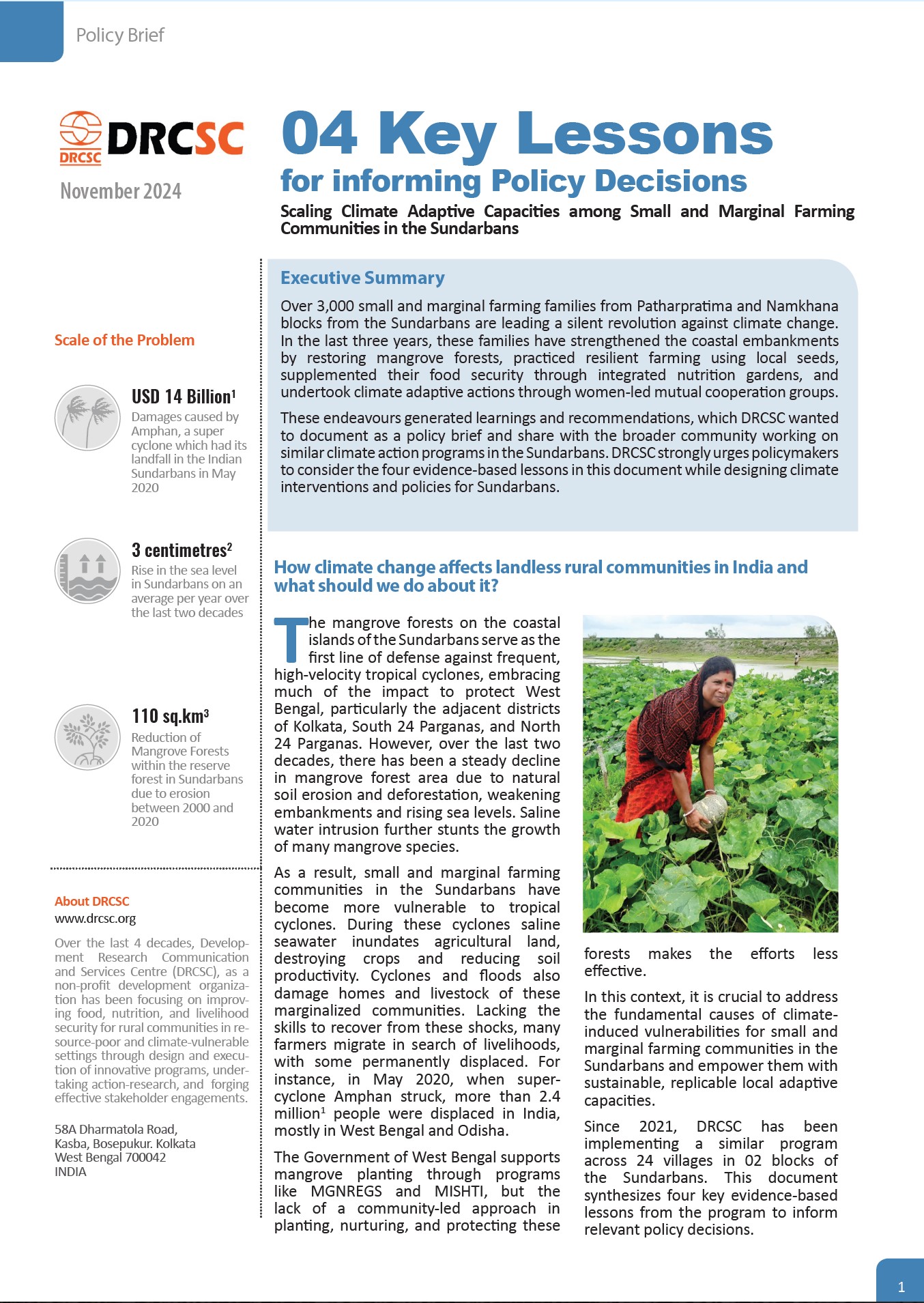
Four Key Lessons for Policy Consideration: Scaling Climate Adaptive Capacities among Small and Marginal Farming Communities in the Sundarbans
Download Full Report
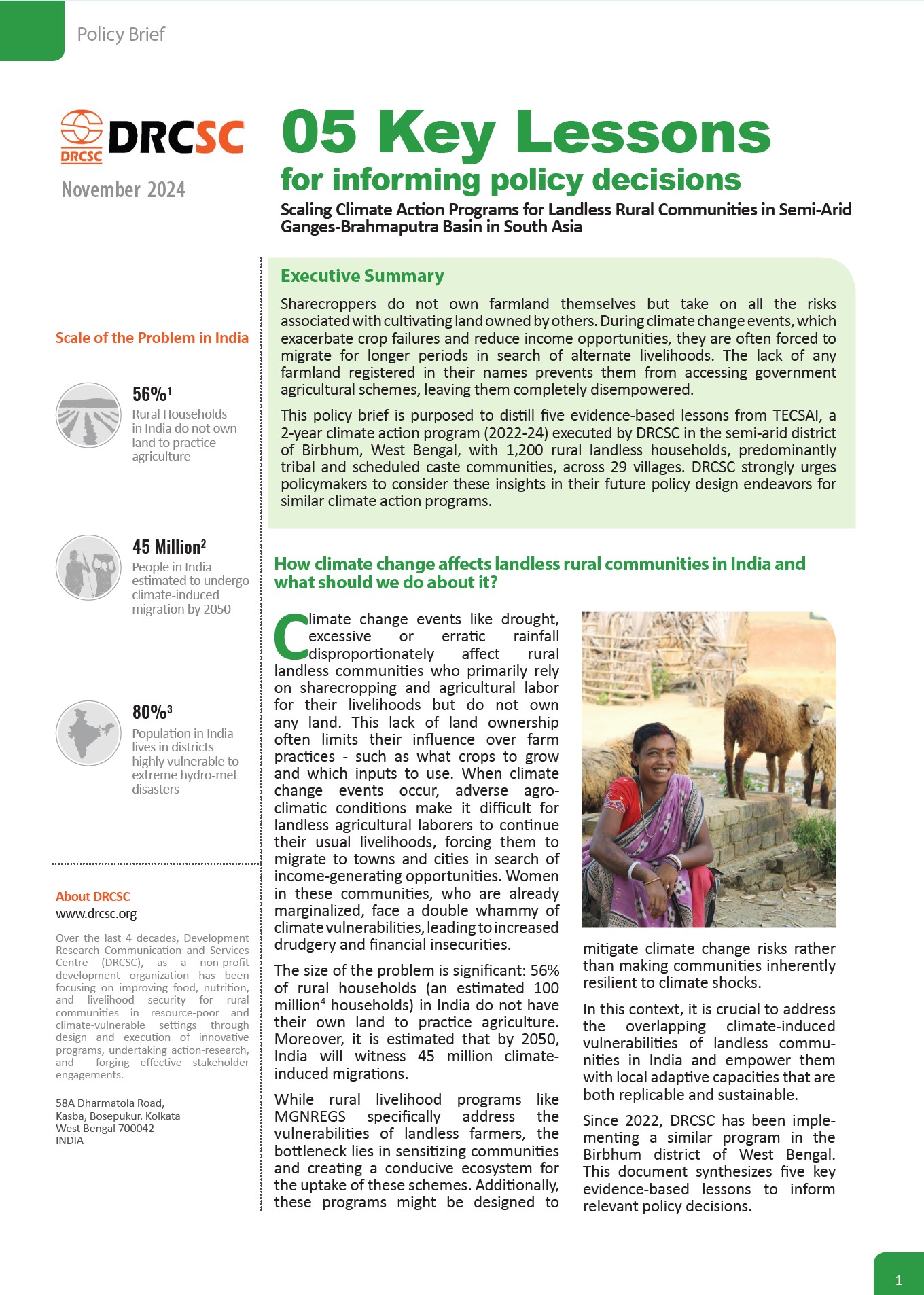
Five Key Lessons for Policy Consideration: Scaling Climate Action Programs for Landless Rural Communities in Semi-Arid Ganges-Brahmaputra Basin in South Asia
Download Full Report
View Blog Posts
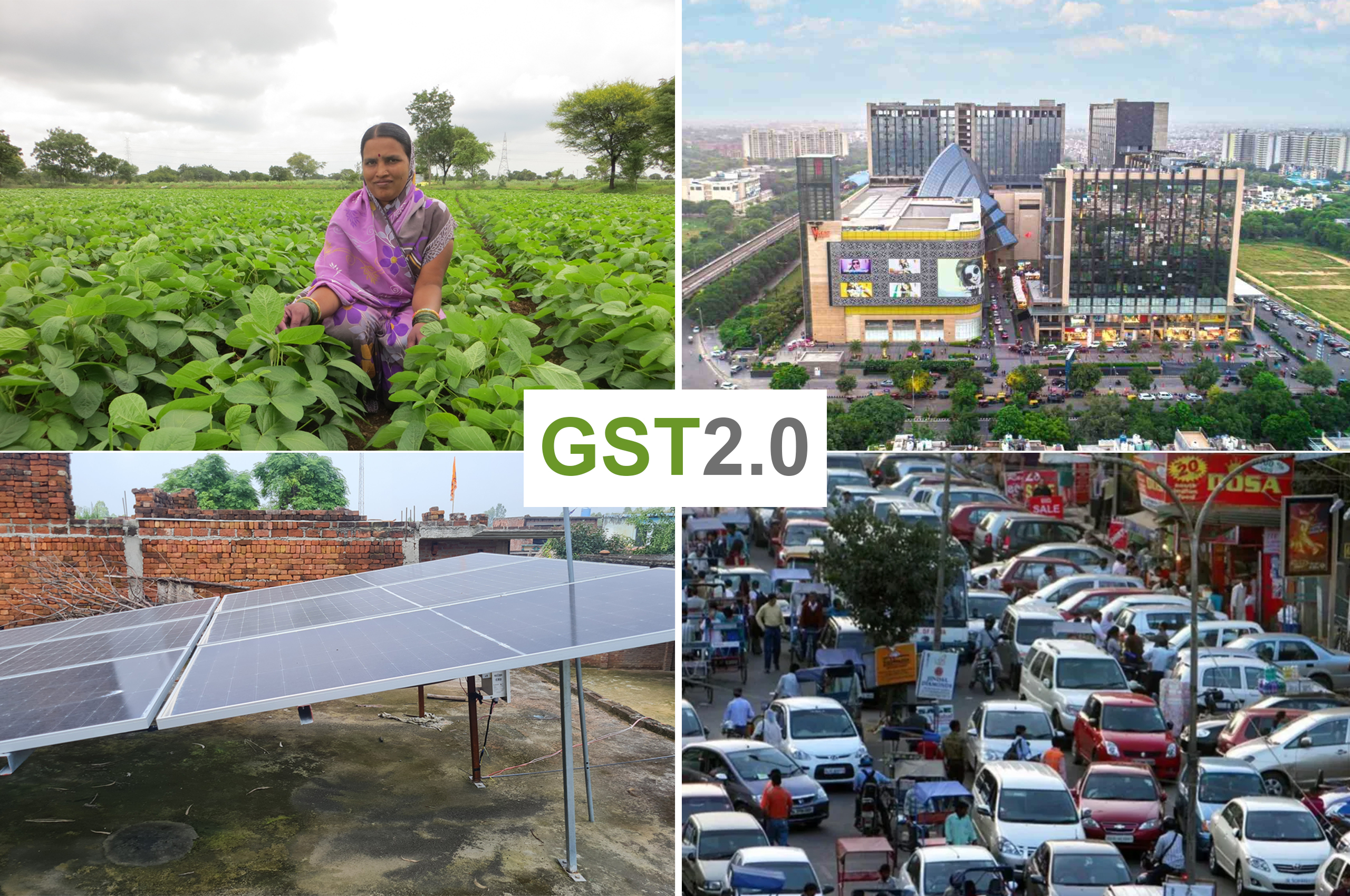
GST 2.0 and Tax Cuts: Can They Make Growth Fairer and Greener?
India's latest GST reform, being termed as GST 2.0, is more than just slashing rates. By simplifying the tax structure, cutting levies on essentials, and supporting renewable infrastructure, it's open..
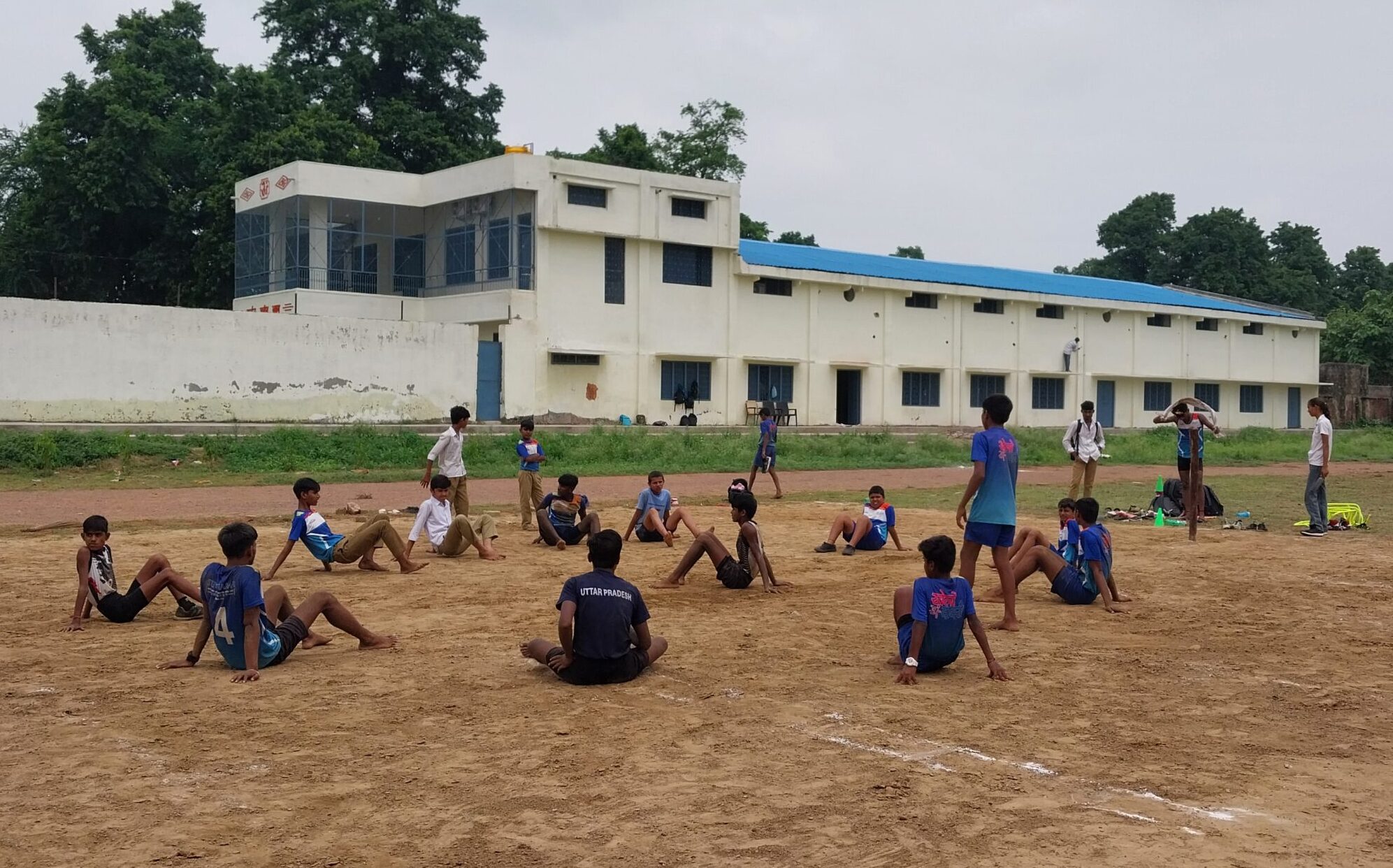
Reimagining Sports in CSR: From Tokenism to a Vehicle for Multiplying Impact
In 2023–24, Indian companies spent about ₹1,396 crore of their CSR budgets on sports — just 4% of the total ₹34,909 crore Indian corporates spent on CSR that year. Most of the rest went to edu..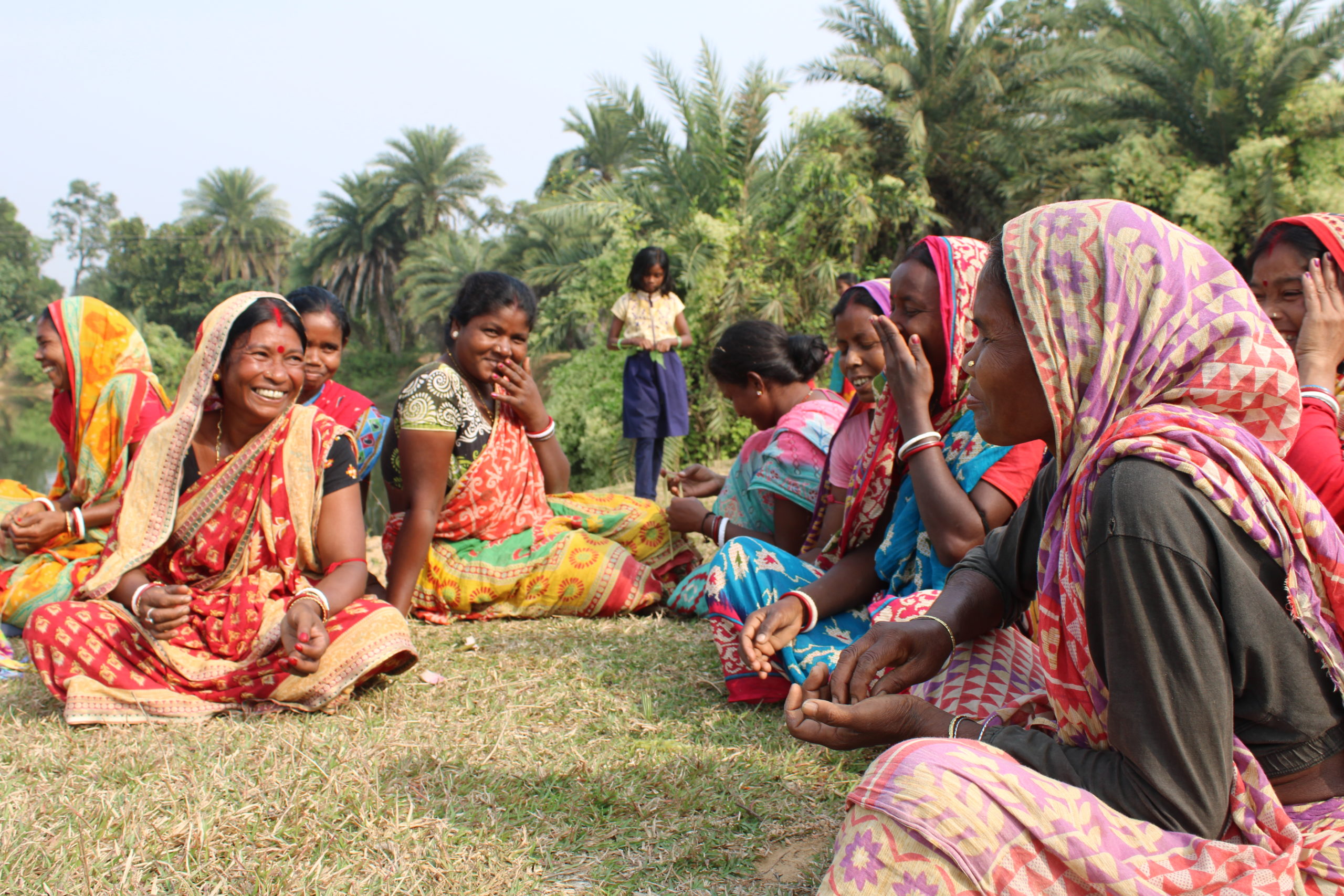
Interactive SHG Map of India: 7.5 million Women Self Help Groups are spread across 27 States and 6 UTs in India
Under the National Rural Livelihood Mission (NRLM), India has 7.5 million Women Self Help Groups (SHGs) spread across 27 states and 6 Union Territories. Each of these small, self-governed, and peer-co..