
Recent Developments,
Key Innovations, and
Insightful Reports
Your One Stop Platform for Regular Sector Updates
Sector news
View By Category
Categories
- See all
- Agriculture
- Clean Cookstoves
- Clean Energy
- Climate Action
- Digital Technology
- Education
- Financial Services
- General
- Healthcare
- Hygiene
- Impact Investment
- Inclusive Value Chains
- Livelihoods
- Livestock
- Lower Income Consumers
- Marketing, Distribution and Sales for BoP
- Nutrition
- Sanitation
- Water
- Women Empowerment


December 29, 2012
Small-scale farmers need new development interventions
According to a report by London based IIED (International Institute for Environment and Development), based on the livelihood improvement strategies for the small scale farmers of Africa, Asia, and Latin America, new strategies must be thought of and new business interventions be made. Read more here.
December 29, 2012
The ‘bitter’ lives of Indian cotton farmers
This post talks about the plight of Indian cotton farmers who have allegedly been made slaves to buy Genetically Modified cotton seeds from ‘condescending’ Monsanto employees in India. Traditional cotton farmers relied the previous year’s seeds for the year’s crop. However, GM crops are designed for a single year’s use, […]
December 29, 2012
The ‘bitter’ lives of Indian cotton farmers
This post talks about the plight of Indian cotton farmers who have allegedly been made slaves to buy Genetically Modified cotton seeds from ‘condescending’ Monsanto employees in India. Traditional cotton farmers relied the previous year’s seeds for the year’s crop. However, GM crops are designed for a single year’s use, […]
December 29, 2012
The State of Food and Agriculture 2012: Investing in agriculture for a better future
This report by the UN FAO, part of an ongoing series since 1947 discusses how to improve agricultural productivity to meet the demands of a growing world, while increasing the income of small holder farmers across the developing world. Read the report here.
December 29, 2012
India: Government earmarked INR 5.4 billion as subsidy requirement for rural electrification
The government of India has earmarked a sum of INR 5.4 billion for the electrification purposes of rural areas in the country where getting grid connectivity is either not feasible, or too costly. This electrification will then be centred on DDG or Decentralized Distribution Generation, through the means of biomass, […]
December 29, 2012
Nepal: Alternate energy now accessible for small and medium enterprises
The Alternative Energy Promotion Centre has come up with a plan to promote the access to alternative energy for the small and medium enterprises existing in the rural areas of the country. Read more here.
December 29, 2012
Solar power reaches 100,000 in rural India
A UNEP (United Nations Environment Programme) US$1.5 million initiative has helped light the lives of as many as 100,000 rural Indians living in darkness. Their pilot project helped this target population access electricity through solar means. Large scale success from this pilot has sparked similar projects in Algeria, China, Ghana, […]
December 29, 2012
Solar Sisters spreading light in Africa
Solar Sisters is network of female entrepreneurs who are helping to catalyse the scale of access to clean energy through solar lamps and home systems, while also earning and income. Read more about their work in spreading light in Africa here.
December 29, 2012
The SunSaluter, an interview with the maker
Twenty year old Eden Full is the maker of SunSaluter, winner of the Mashable-UN Foundation Startups for Social Good Challenge. The SunSaluter uses the mechanical flow of water to control the rotation of a solar panel to meet the rays of the sun more optimally through the day, increasing efficiency […]
Get The Latest From The Social Sector In Your Inbox

Subscribe to our newsletter
View Our Publications
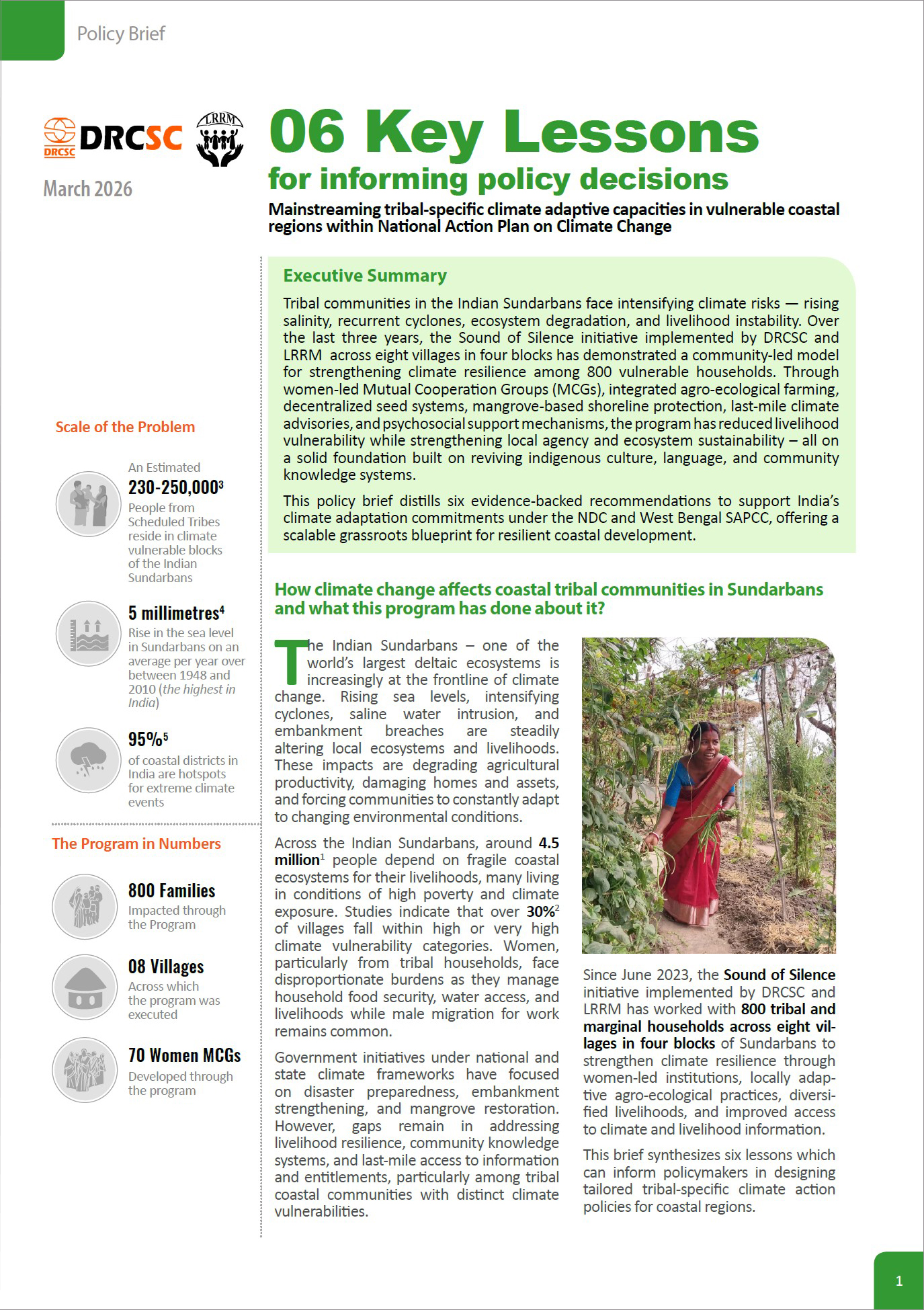
06 Key Lessons for informing policy decisions: Mainstreaming tribal-specific climate adaptive capacities in vulnerable coastal regions within National Action Plan on Climate Change
Download Full Report
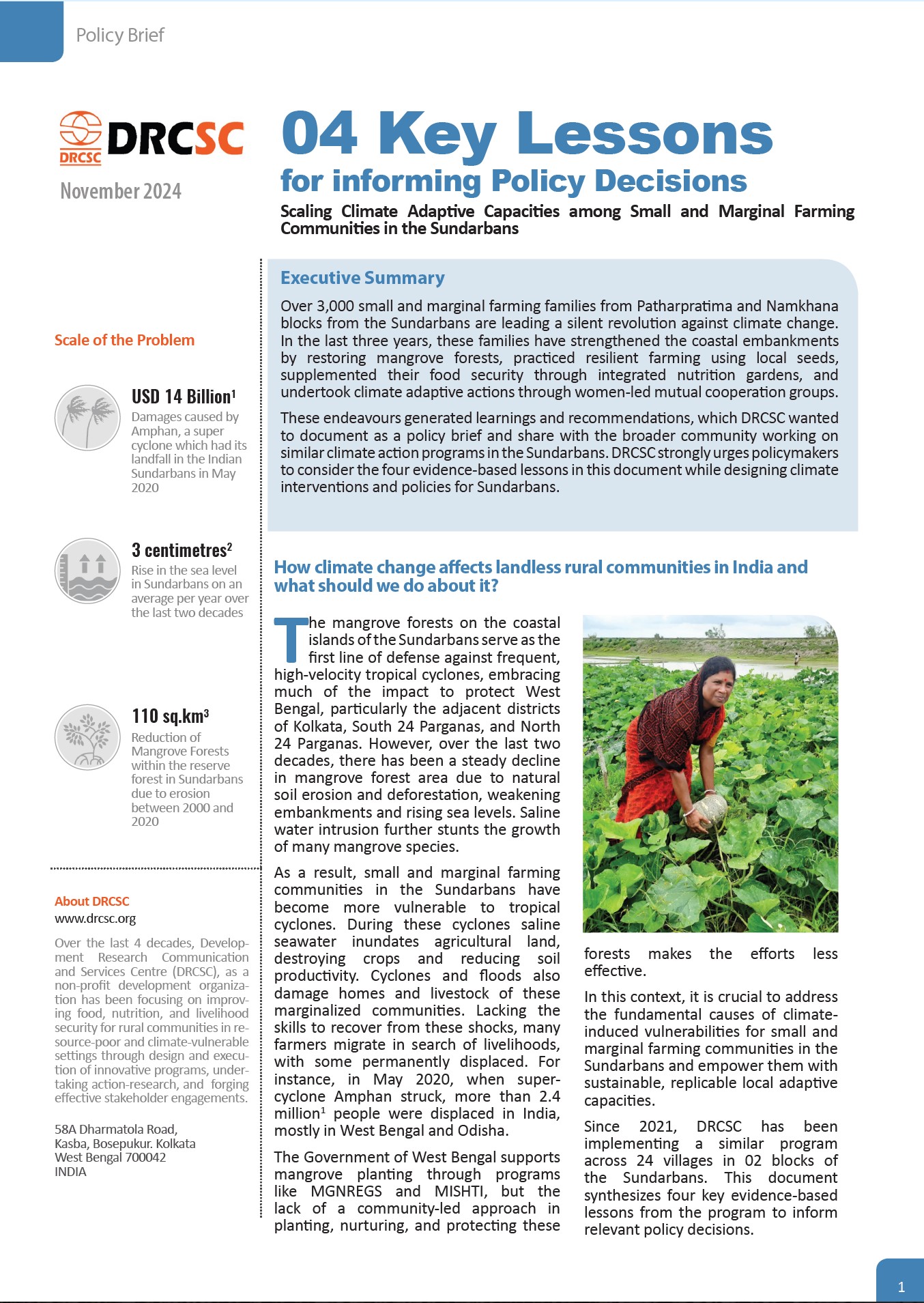
Four Key Lessons for Policy Consideration: Scaling Climate Adaptive Capacities among Small and Marginal Farming Communities in the Sundarbans
Download Full Report
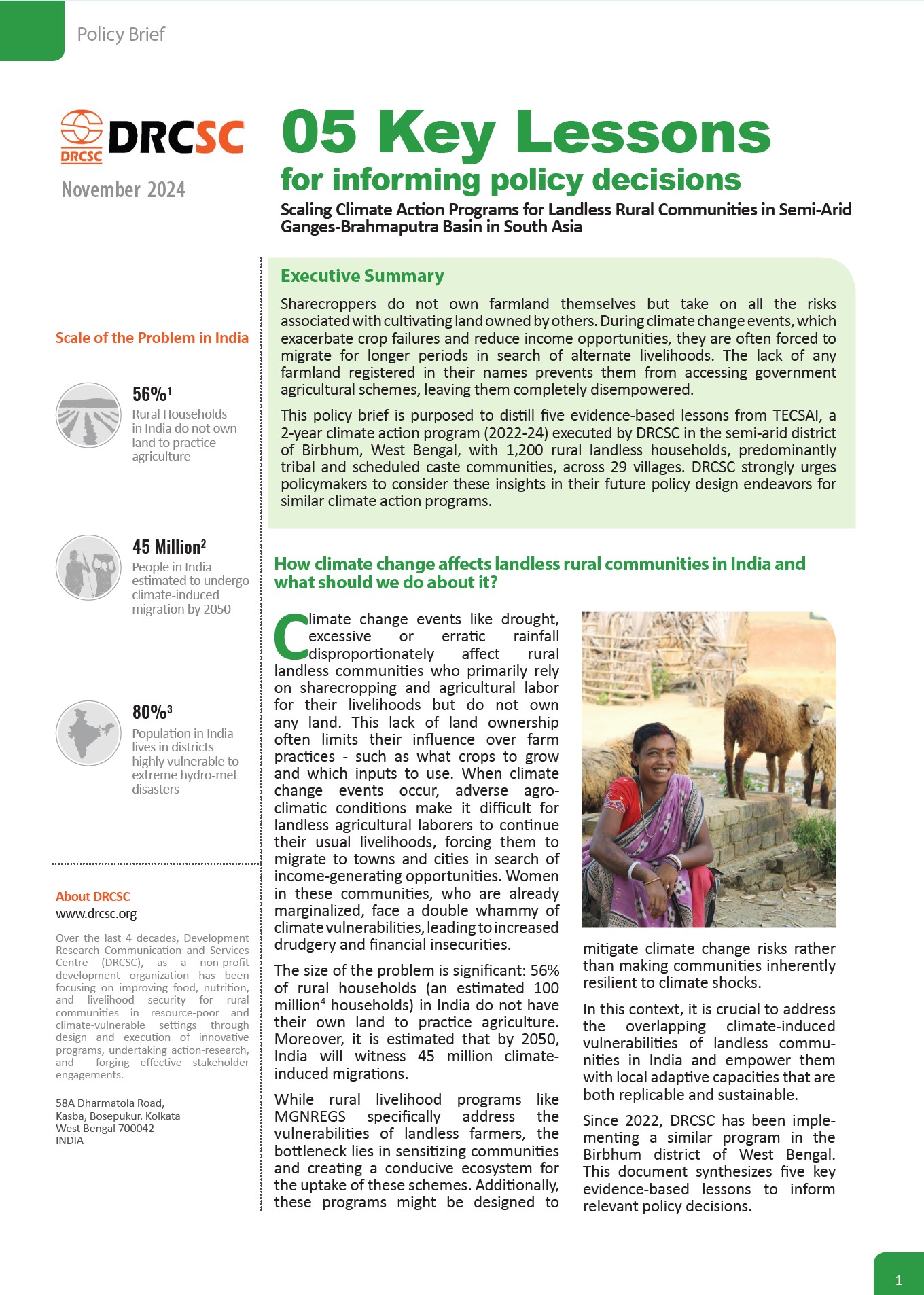
Five Key Lessons for Policy Consideration: Scaling Climate Action Programs for Landless Rural Communities in Semi-Arid Ganges-Brahmaputra Basin in South Asia
Download Full Report
View Blog Posts
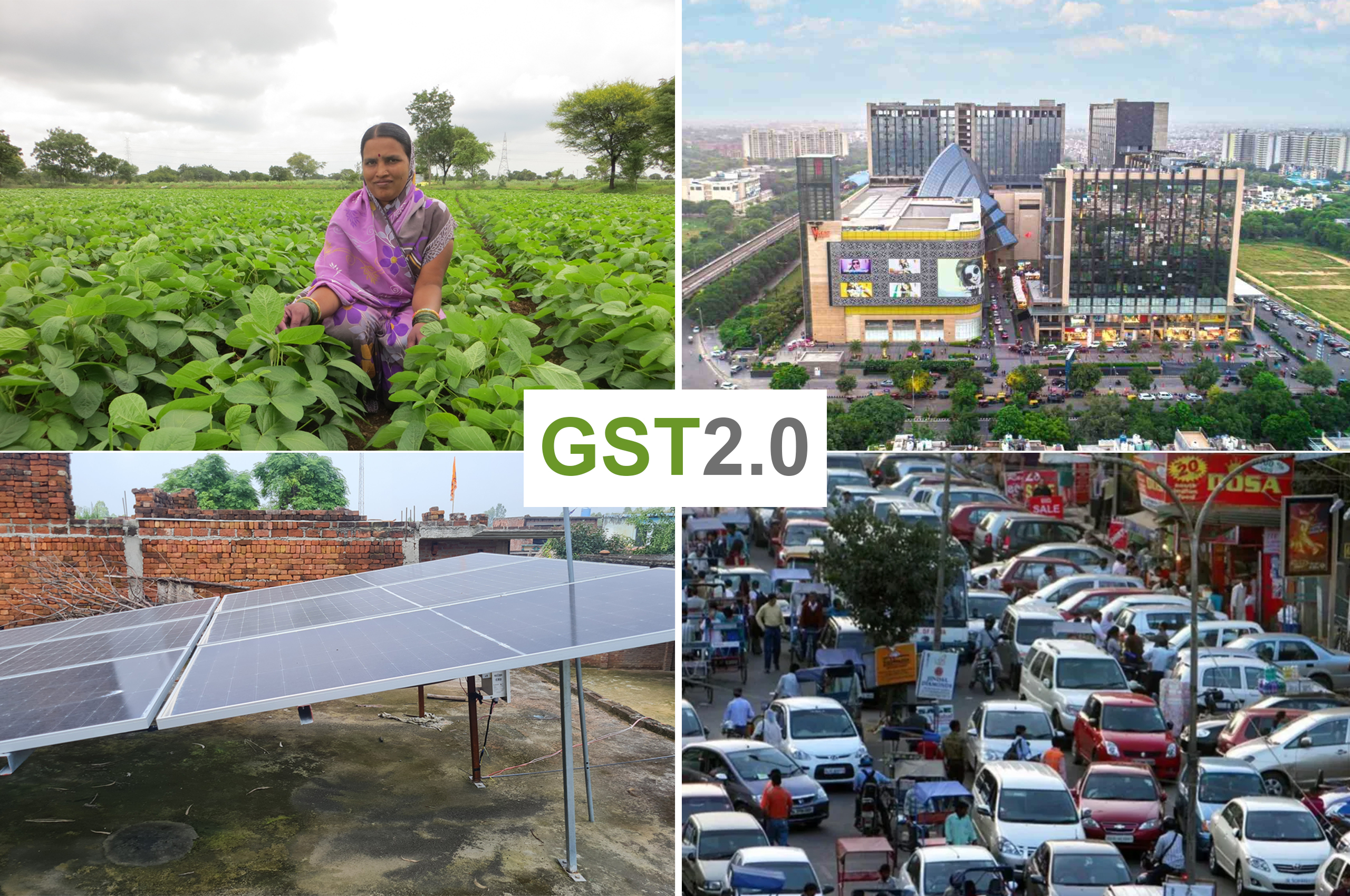
GST 2.0 and Tax Cuts: Can They Make Growth Fairer and Greener?
India's latest GST reform, being termed as GST 2.0, is more than just slashing rates. By simplifying the tax structure, cutting levies on essentials, and supporting renewable infrastructure, it's open..
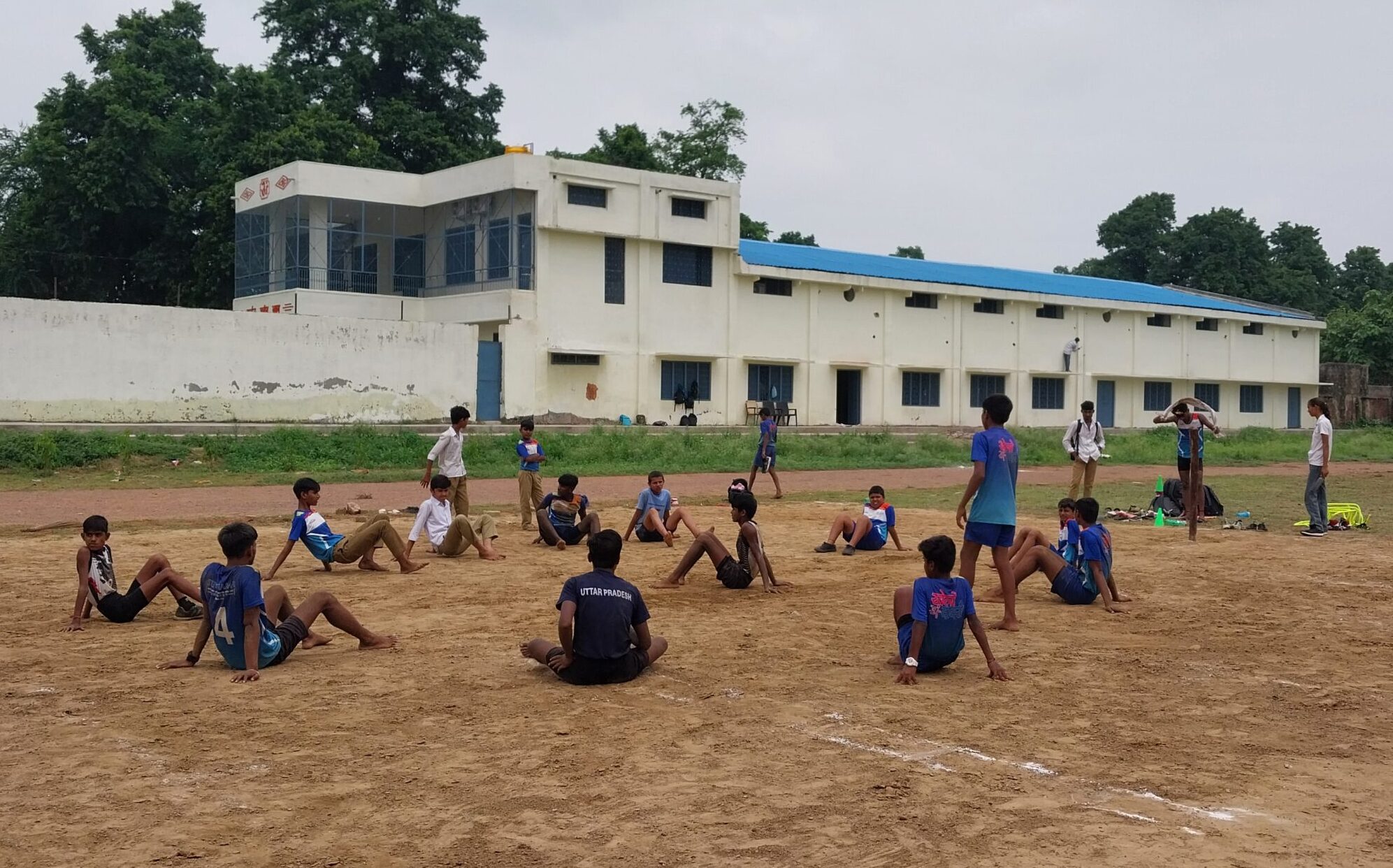
Reimagining Sports in CSR: From Tokenism to a Vehicle for Multiplying Impact
In 2023–24, Indian companies spent about ₹1,396 crore of their CSR budgets on sports — just 4% of the total ₹34,909 crore Indian corporates spent on CSR that year. Most of the rest went to edu..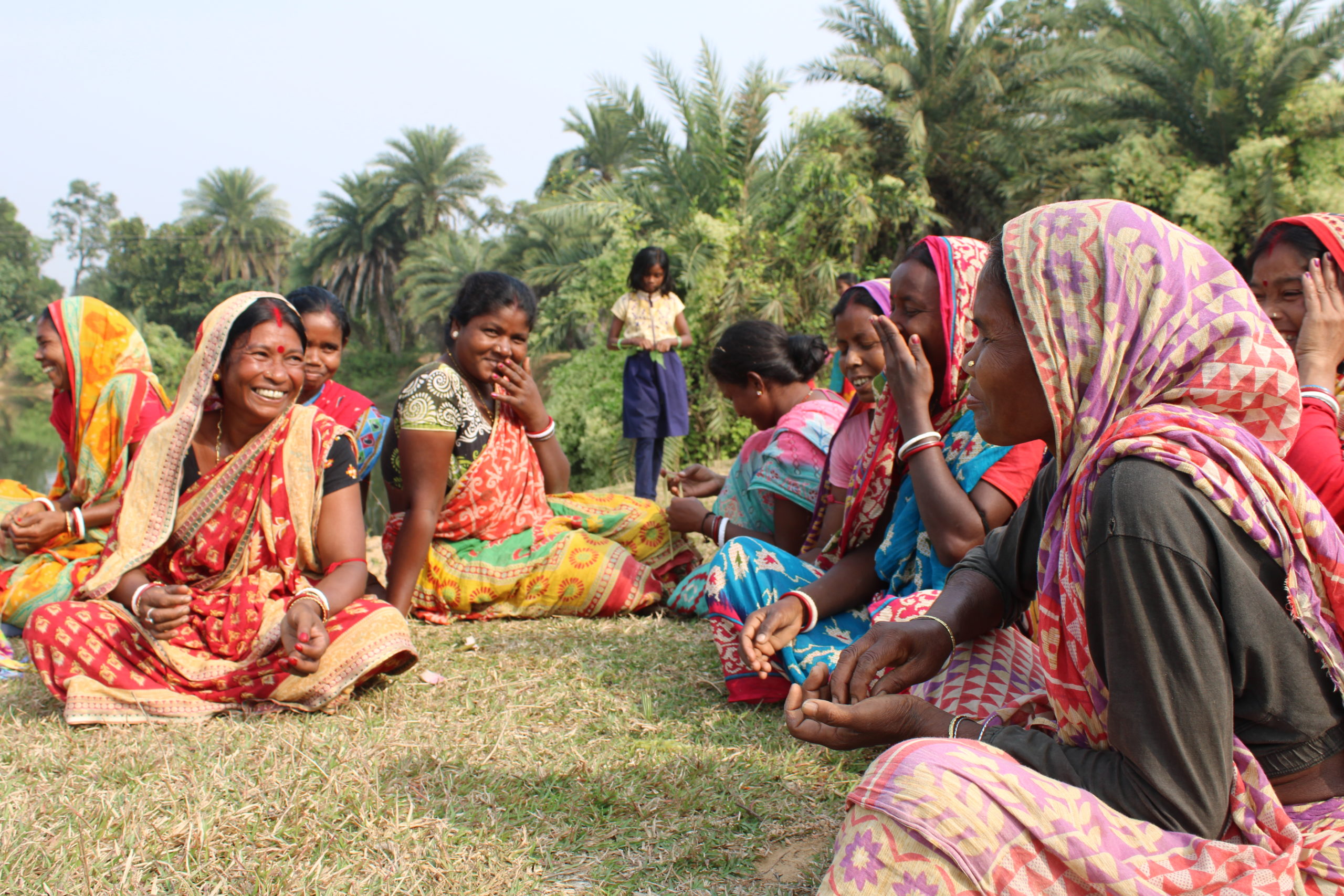
Interactive SHG Map of India: 7.5 million Women Self Help Groups are spread across 27 States and 6 UTs in India
Under the National Rural Livelihood Mission (NRLM), India has 7.5 million Women Self Help Groups (SHGs) spread across 27 states and 6 Union Territories. Each of these small, self-governed, and peer-co..