
Recent Developments,
Key Innovations, and
Insightful Reports
Your One Stop Platform for Regular Sector Updates
Sector news
View By Category
Categories
- See all
- Agriculture
- Clean Cookstoves
- Clean Energy
- Climate Action
- Digital Technology
- Education
- Financial Services
- General
- Healthcare
- Hygiene
- Impact Investment
- Inclusive Value Chains
- Livelihoods
- Livestock
- Lower Income Consumers
- Marketing, Distribution and Sales for BoP
- Nutrition
- Sanitation
- Water
- Women Empowerment


December 7, 2012
Global m-Health Initiative launched
WHO (World Health Organization) and the ITU (International Telecommunication Union) have collectively launched a global m-Health initiative wherein the use of mobile technology, in particular text messaging and apps will be used to combat non-communicable diseases (NCDs) such as diabetes, cancer, cardiovascular diseases and chronic respiratory diseases. Read more here.
December 7, 2012
How telemedicine helps the people of Haiti
Elaine Knight, founder of LGA (LifePaths Global Alliance) established a telemedicine clinic in L’Estere, Haiti, two hours from Port-au-Prince in 2010. Till now, this clinic has provided services to more than 10,000 Haitians. Read more here.
December 7, 2012
Mobile connectivity brings m-health to rural Niger
Orange Niger and remote communications specialist Altobridge have recently completed the connection of as many as 50 off grid villages in rural Niger resulting in about 1200 people in each location being able to benefit from telecom services. This also ushers in the opportunity to develop m-health centres in the […]
December 7, 2012
Ethiopia: Healthcentres call out for support to apply telemedicine
ICT enabled Telemedicine previously rolled out in three health centres in Addis Ababa have so far proven to be failure due to mismanagement of enabling codes. Read more here.
December 7, 2012
Kenya: Korogocho Telemedicine wins Rolex Award
Maternal care is not uniformly available in Kenya as in other developing countries, and this leads to a number of complications during and after pregnancy. Aggrey Willis Otieno from Kenya has been awarded the 2012 Rolex Award for a maternal healthcare telemedicine model which attempts to provide maternal care in […]
December 7, 2012
Fighting cancer with cell phones
In Africa, more than 50,000 women die of cervical cancer. Most of these cases are detected in the last stages. This problem is exacerbated in rural areas of Tanzania, as in the rural areas of other neighbouring countries due to a lack of medical expertise and screening technology. However, a […]
December 7, 2012
Etisalat wins Social Contribution Award for its mobile health initaitive in Africa
Telecom giant of Middle East, Africa and Asia, Etisalat recently won the Social Contribution award at the World Communication Awards in London recently. They won this award for its Mobile Baby mHealth initiative. Read more here.
December 7, 2012
USAID, Venezuela sign pact for mobile money scheme in the country
The United States Agency for International Aid and the Government of Venezuela have partnered to help the adoption of mobile money in the country. This is aimed at cutting administrative costs, increasing transparency, and making business transactions easier for the people. Read more here.
December 7, 2012
MasterCard Foundation and CGAP partner to promote branchless banking and client research
Canada based non-profit MasterCard Foundation and CGAP (Consultative Group to Assist the Poor), a US based non-profit have partnered to provide US$11.4 million as research grant to further the scaling of branchless banking and client research, aimed at people living in poverty. Read more here.
Get The Latest From The Social Sector In Your Inbox

Subscribe to our newsletter
View Our Publications
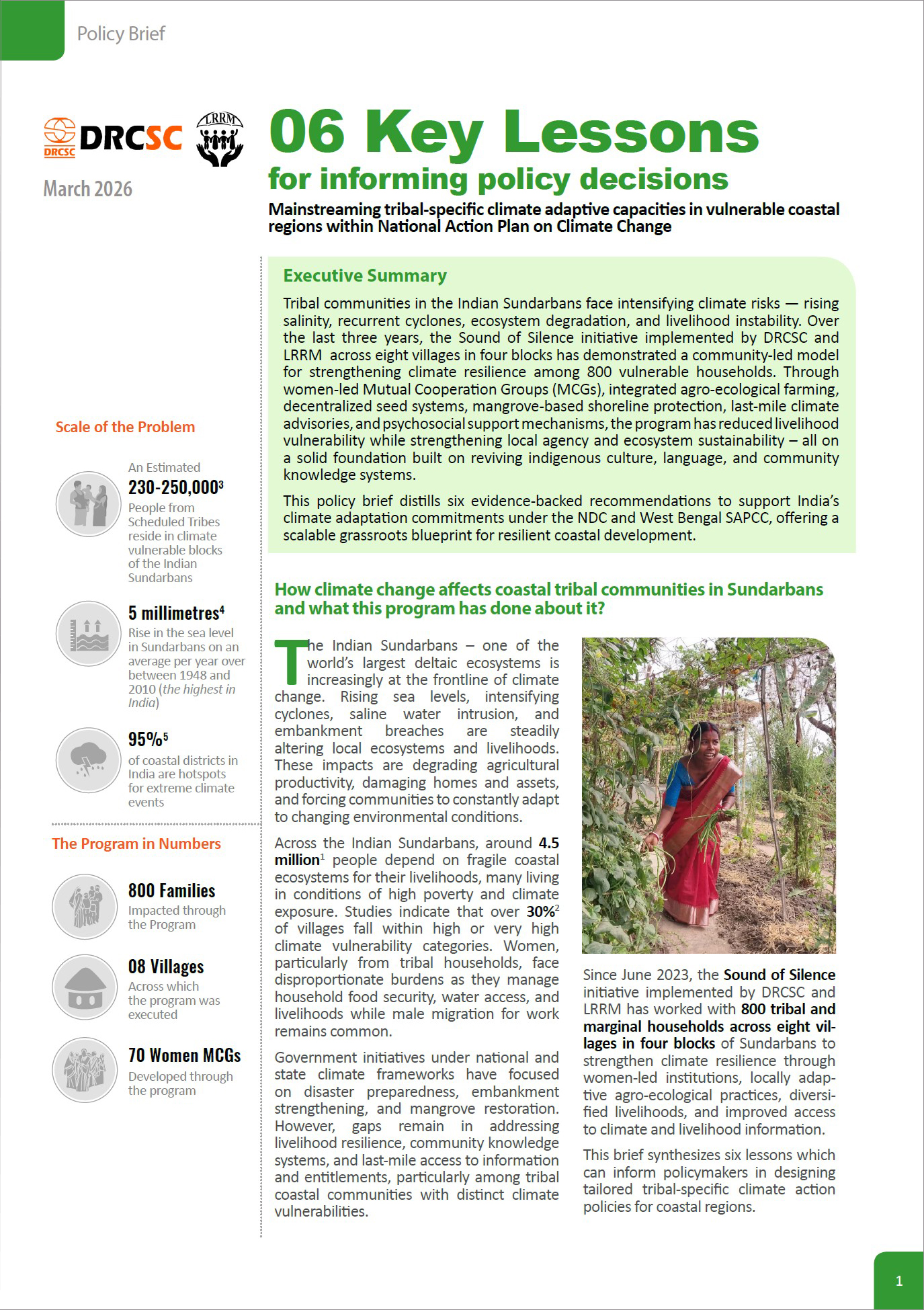
06 Key Lessons for informing policy decisions: Mainstreaming tribal-specific climate adaptive capacities in vulnerable coastal regions within National Action Plan on Climate Change
Download Full Report
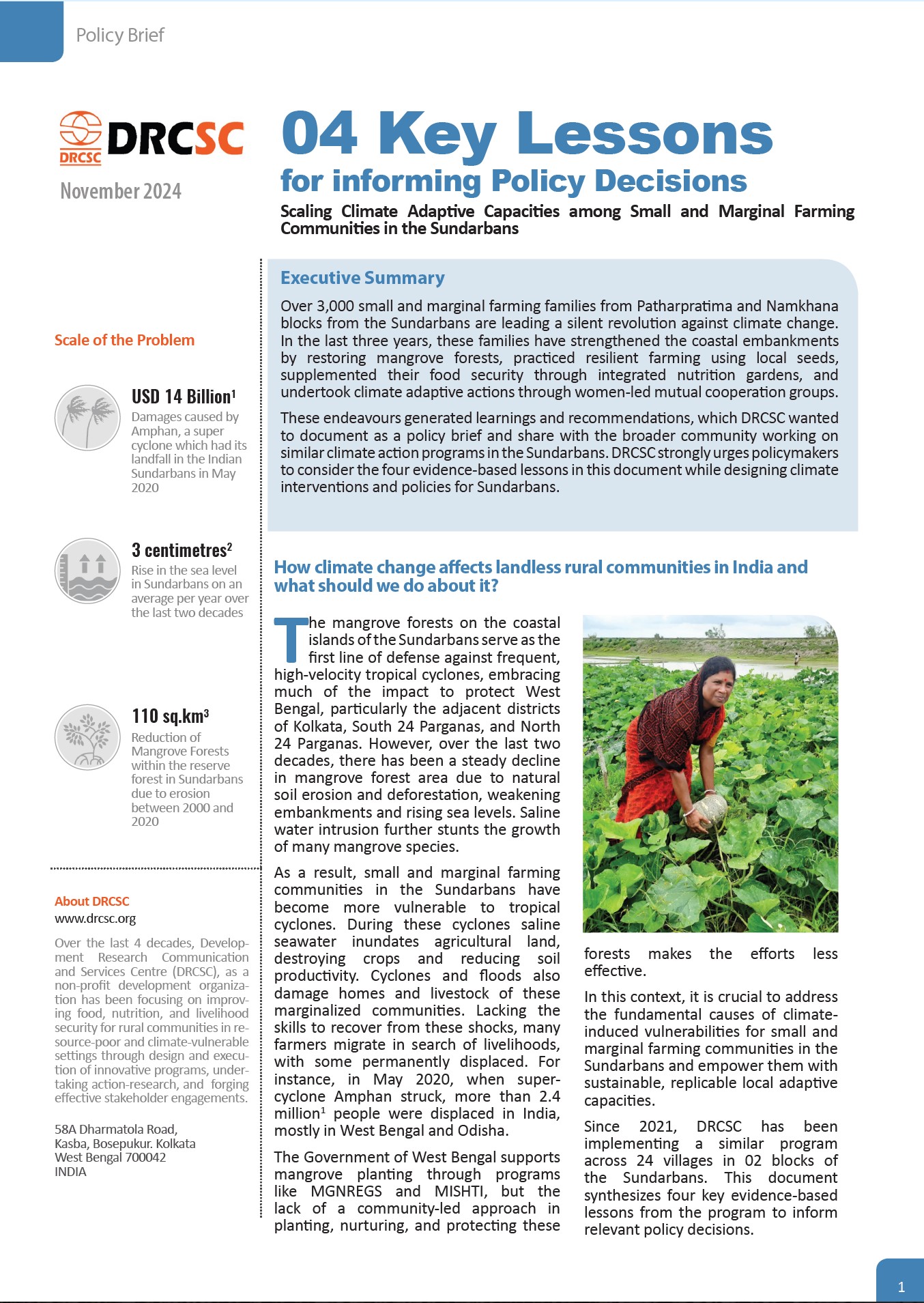
Four Key Lessons for Policy Consideration: Scaling Climate Adaptive Capacities among Small and Marginal Farming Communities in the Sundarbans
Download Full Report
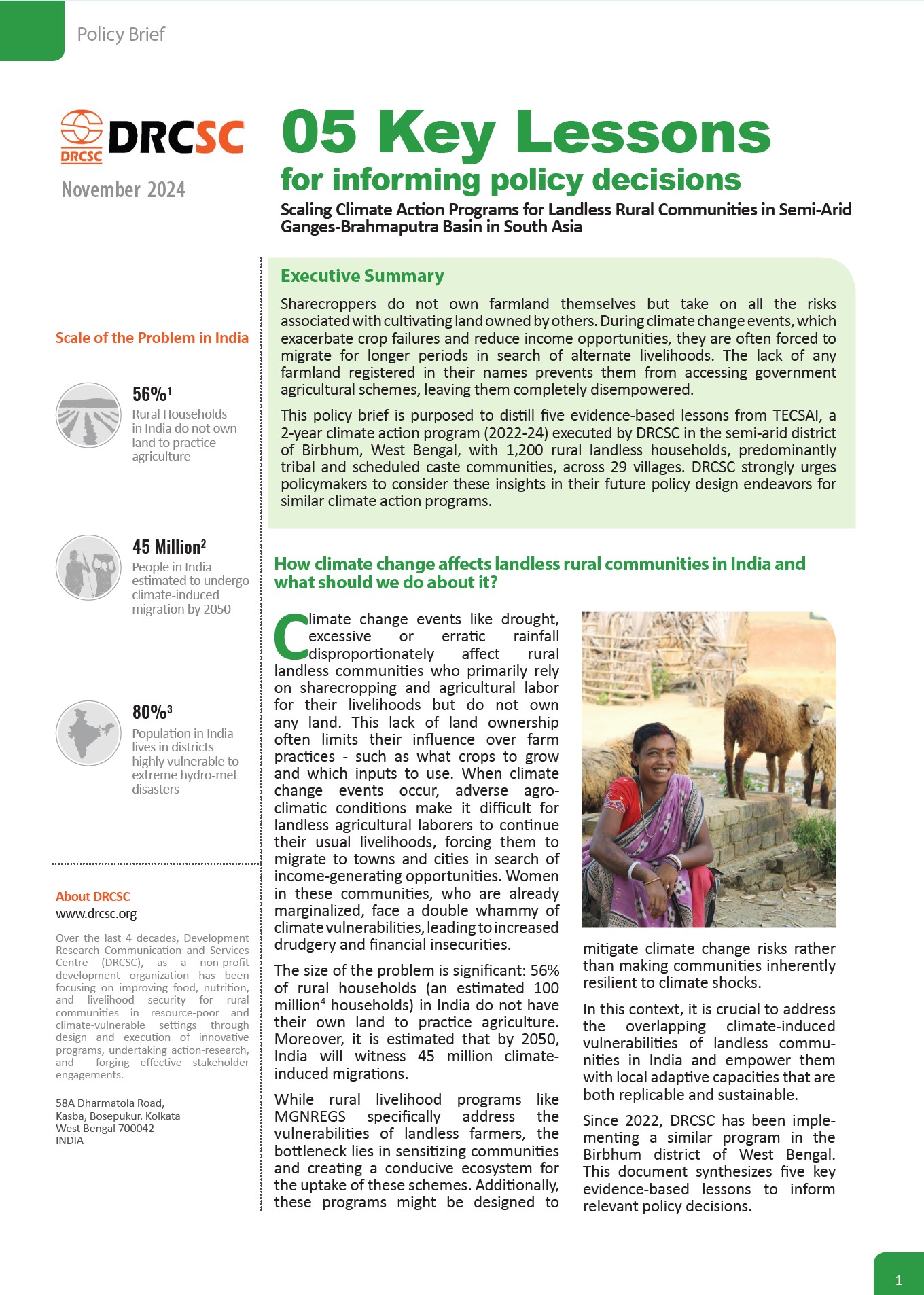
Five Key Lessons for Policy Consideration: Scaling Climate Action Programs for Landless Rural Communities in Semi-Arid Ganges-Brahmaputra Basin in South Asia
Download Full Report
View Blog Posts
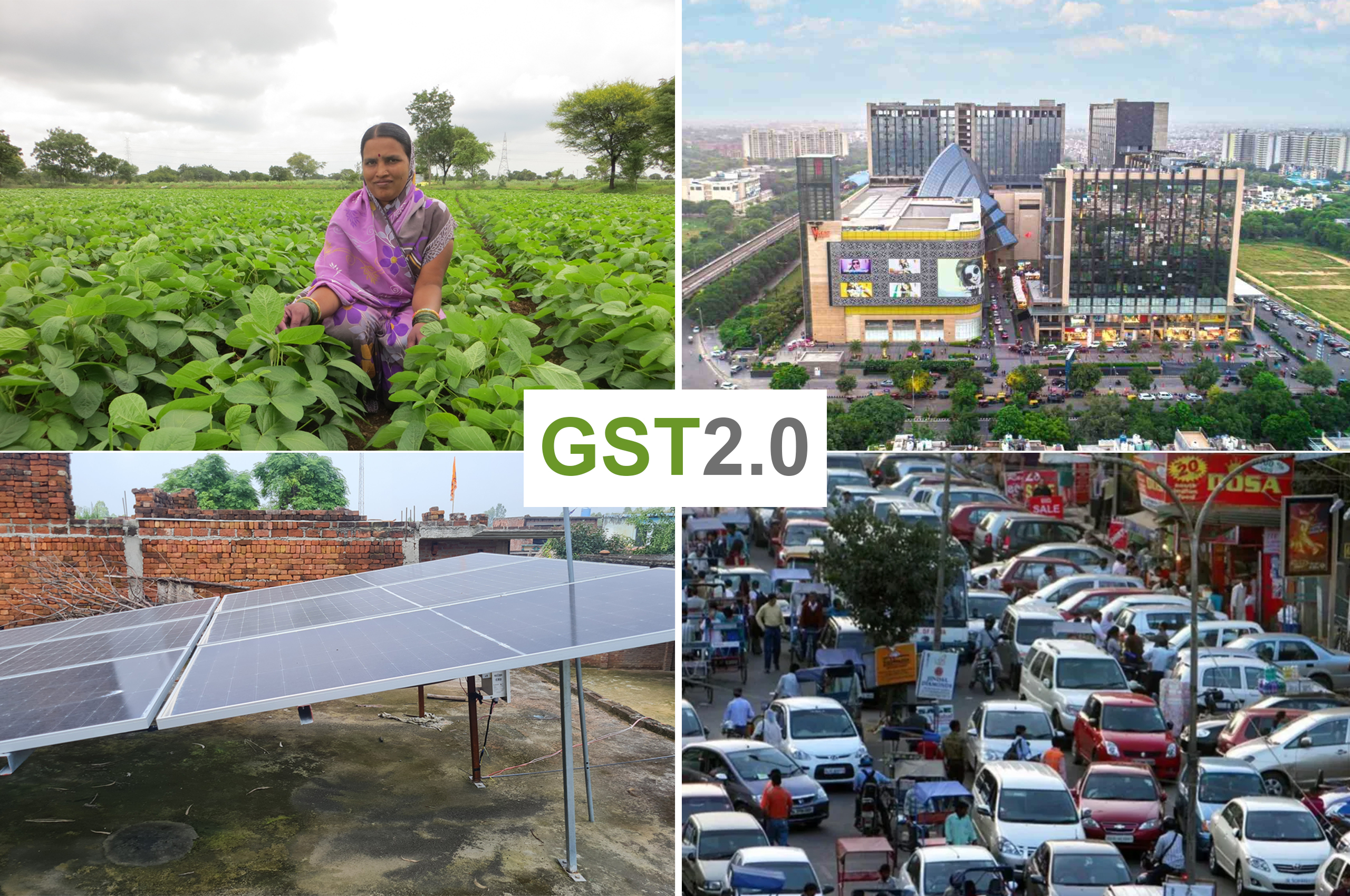
GST 2.0 and Tax Cuts: Can They Make Growth Fairer and Greener?
India's latest GST reform, being termed as GST 2.0, is more than just slashing rates. By simplifying the tax structure, cutting levies on essentials, and supporting renewable infrastructure, it's open..
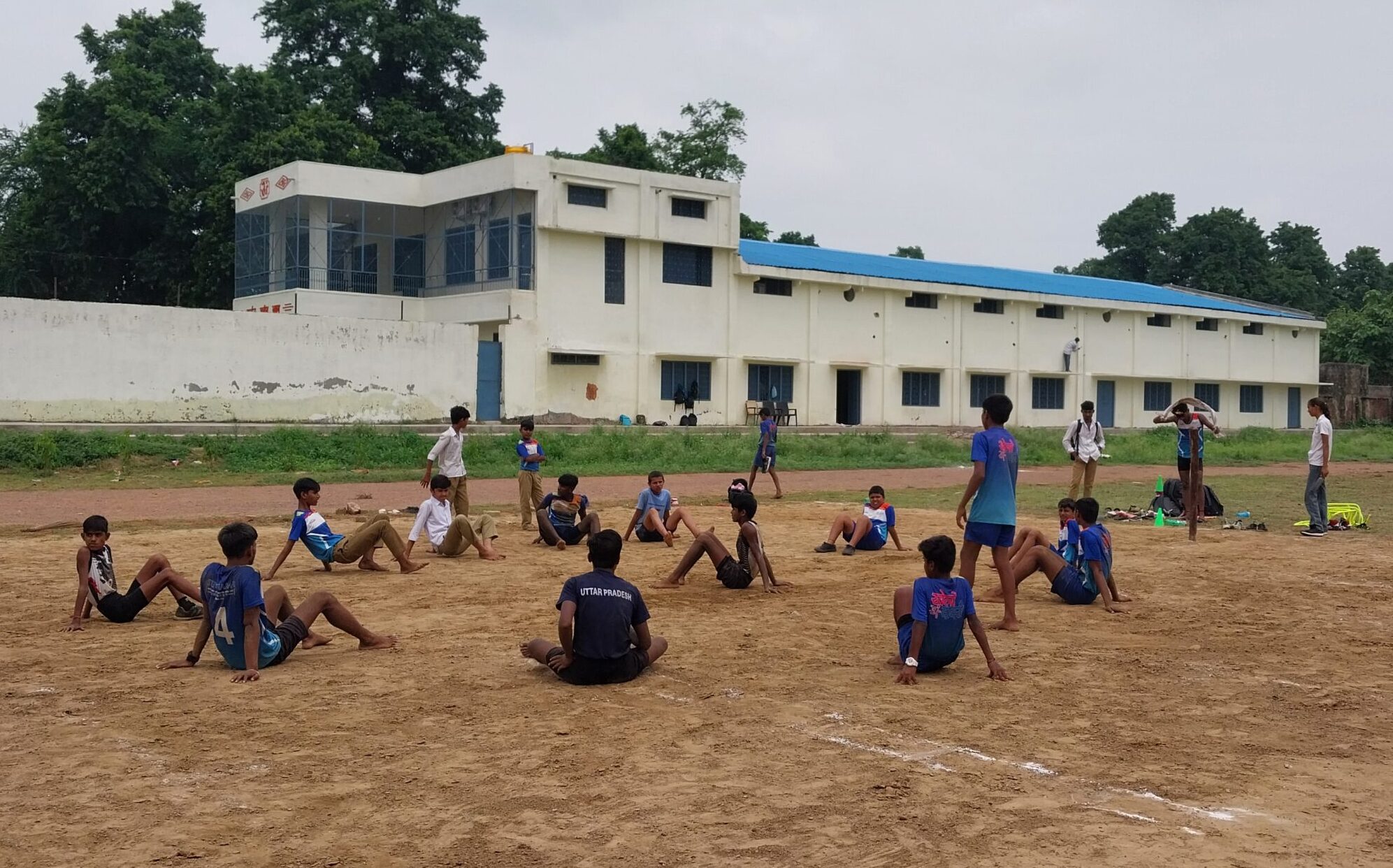
Reimagining Sports in CSR: From Tokenism to a Vehicle for Multiplying Impact
In 2023–24, Indian companies spent about ₹1,396 crore of their CSR budgets on sports — just 4% of the total ₹34,909 crore Indian corporates spent on CSR that year. Most of the rest went to edu..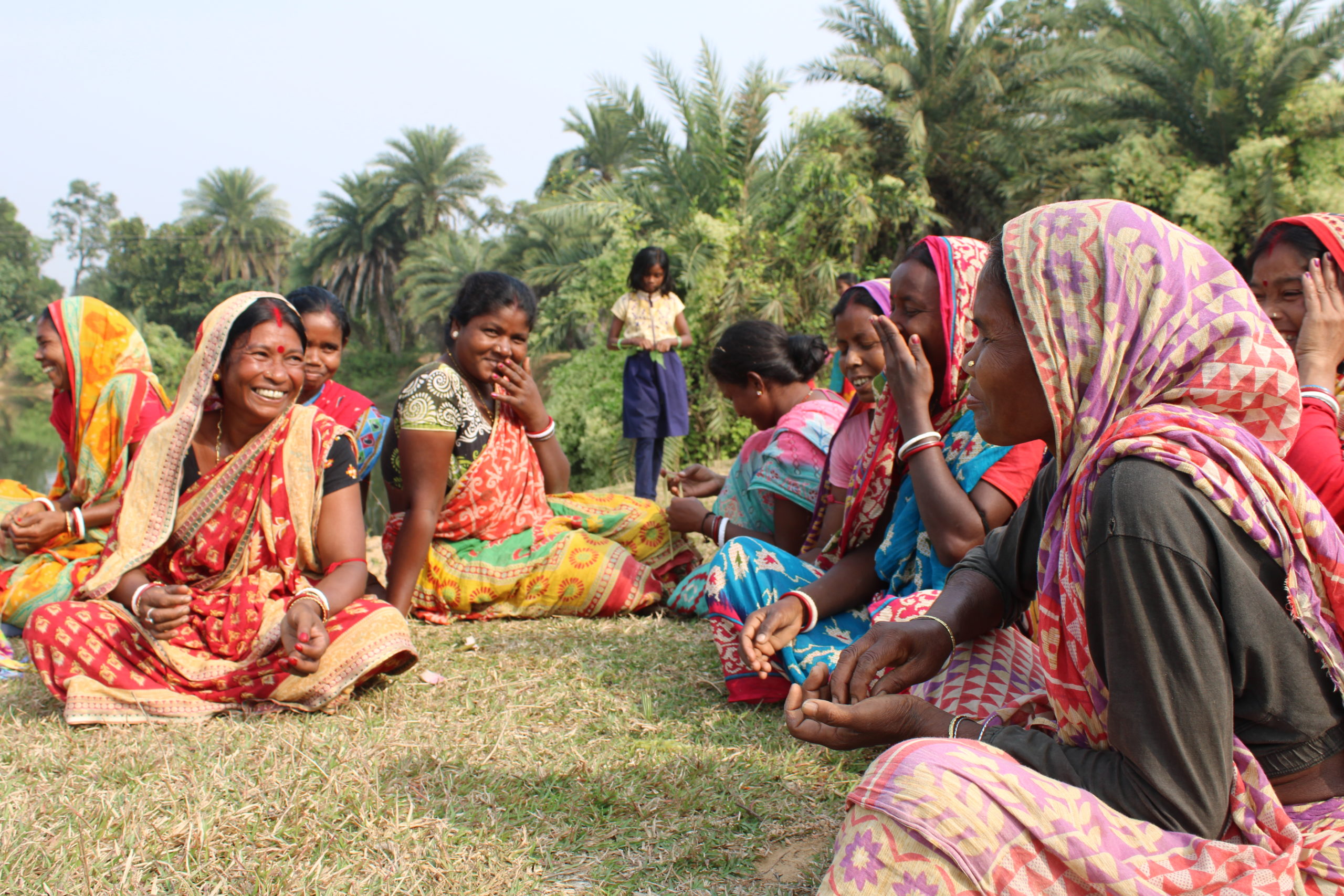
Interactive SHG Map of India: 7.5 million Women Self Help Groups are spread across 27 States and 6 UTs in India
Under the National Rural Livelihood Mission (NRLM), India has 7.5 million Women Self Help Groups (SHGs) spread across 27 states and 6 Union Territories. Each of these small, self-governed, and peer-co..