
Recent Developments,
Key Innovations, and
Insightful Reports
Your One Stop Platform for Regular Sector Updates
Sector news
View By Category
Categories
- See all
- Agriculture
- Clean Cookstoves
- Clean Energy
- Climate Action
- Digital Technology
- Education
- Financial Services
- General
- Healthcare
- Hygiene
- Impact Investment
- Inclusive Value Chains
- Livelihoods
- Livestock
- Lower Income Consumers
- Marketing, Distribution and Sales for BoP
- Nutrition
- Sanitation
- Water
- Women Empowerment


October 12, 2012
Food prices likely to remain high and volatile
According to projections made by the UN, the prices of basic food crops like wheat, rice and other staples will remain high and volatile in the foreseeable future. This phenomenon is expected to hurt the poor families in Africa the most. Read more here.
October 12, 2012
UN hunger report considers ‘safety nets’ as a top priority
According to the UN FAO report which put the number of hungry people in the world down to 868 million, safety net food programmes like school meals, meal vouchers and other such programmes would be crucial if the number of hungry in the world was to be […]
October 12, 2012
New UN report – changed projections, new methodology, 868 million hungry in the world
UN FAO’s latest report pegs the number of hungry people in the world at 868 million, against a previous UN projection of 1 billion. This change is the result of adoption of a new calculation methodology. Jose Graziano da Silva, director general commented on this by […]
October 12, 2012
The State of Food Insecurity in the World 2012
This report by the UN FAO features a new methodology which projects the number of hungry people in the world as 868 million instead of a previous estimate of 1 billion. Read the report here.
October 12, 2012
Malawi concentrates on ending malnutrition through better crops
The Malawi Government has initiated a new nutrition act wherein farmers in the country will be eligible to receive subsidies for growing protein rich crops. Read more here. The Malawi government is also launching a new Vitamin A fortification programme wherein it will be spending US$5 […]
October 12, 2012
UN releases new hunger report
According to the new hunger report released by the UN, there are as many as 870 million people in the world who are chronically undernourished, as recorded in the period between 2010 and 2012. Read more here and here.
October 12, 2012
At 217 million, India’s malnutrition numbers highest in the world
According to the recently released UN report which revised the number of hungry people in the world from 1 billion to 870 million also gave key insight into the number of malnourished people in India standing at 217 million. This number is highest in the world, and […]
October 12, 2012
UK to help Tanzania with its renewable energy sector
As many as nineteen British companies will be joining hands to service the renewable energy sector in Tanzania, through a mix of solar, wind and geothermal means. UK will be using its International Climate Fund to propel a US$4.83 billion programme. Read more here.
October 12, 2012
Kenya to get one of the largest grid connected solar plants in Africa
The government of Kenya will be engaging with two solar companies based in China to make what will be one of Africa’s largest grid-connected solar power facility. Read more here.
Get The Latest From The Social Sector In Your Inbox

Subscribe to our newsletter
View Our Publications
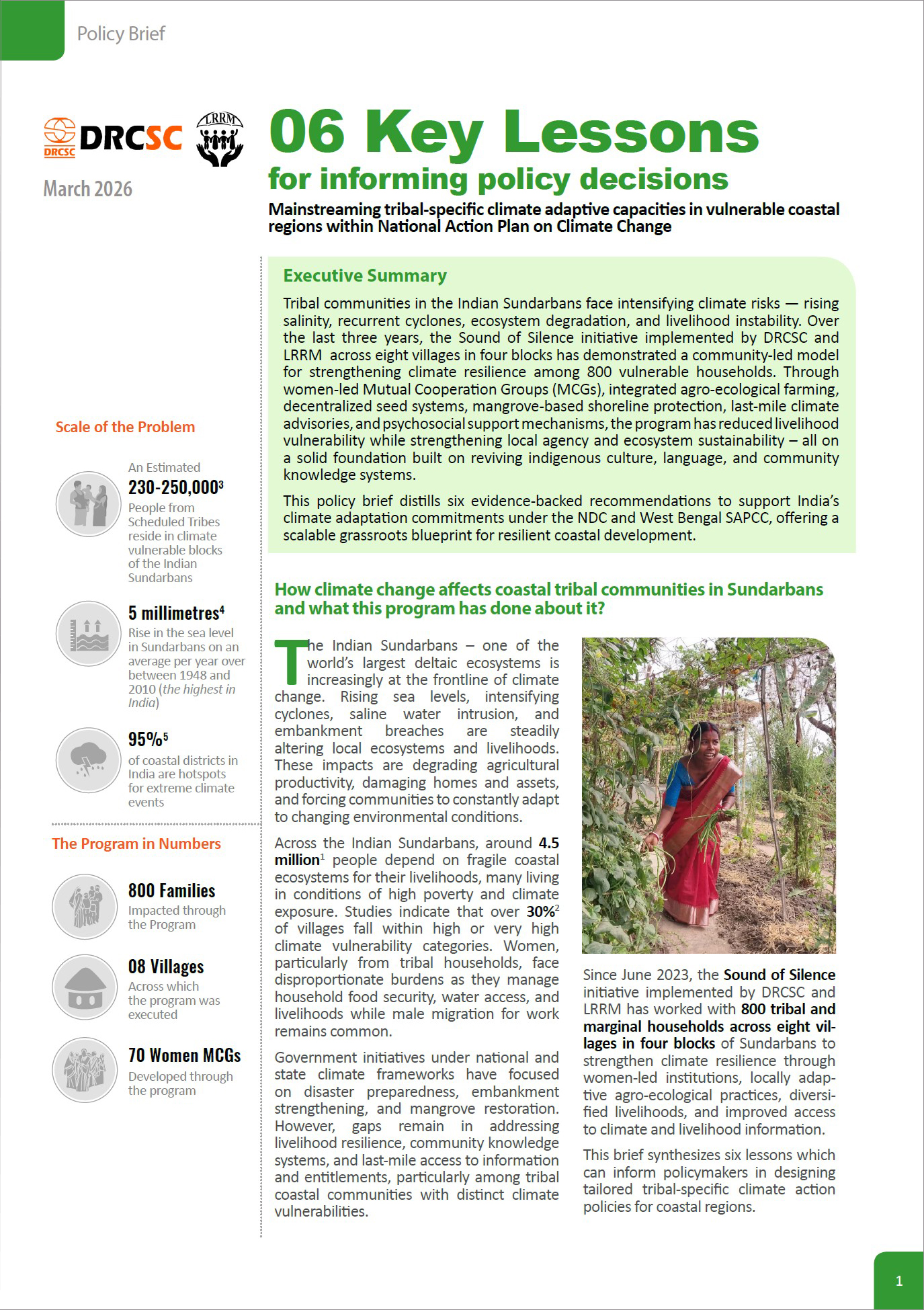
06 Key Lessons for informing policy decisions: Mainstreaming tribal-specific climate adaptive capacities in vulnerable coastal regions within National Action Plan on Climate Change
Download Full Report
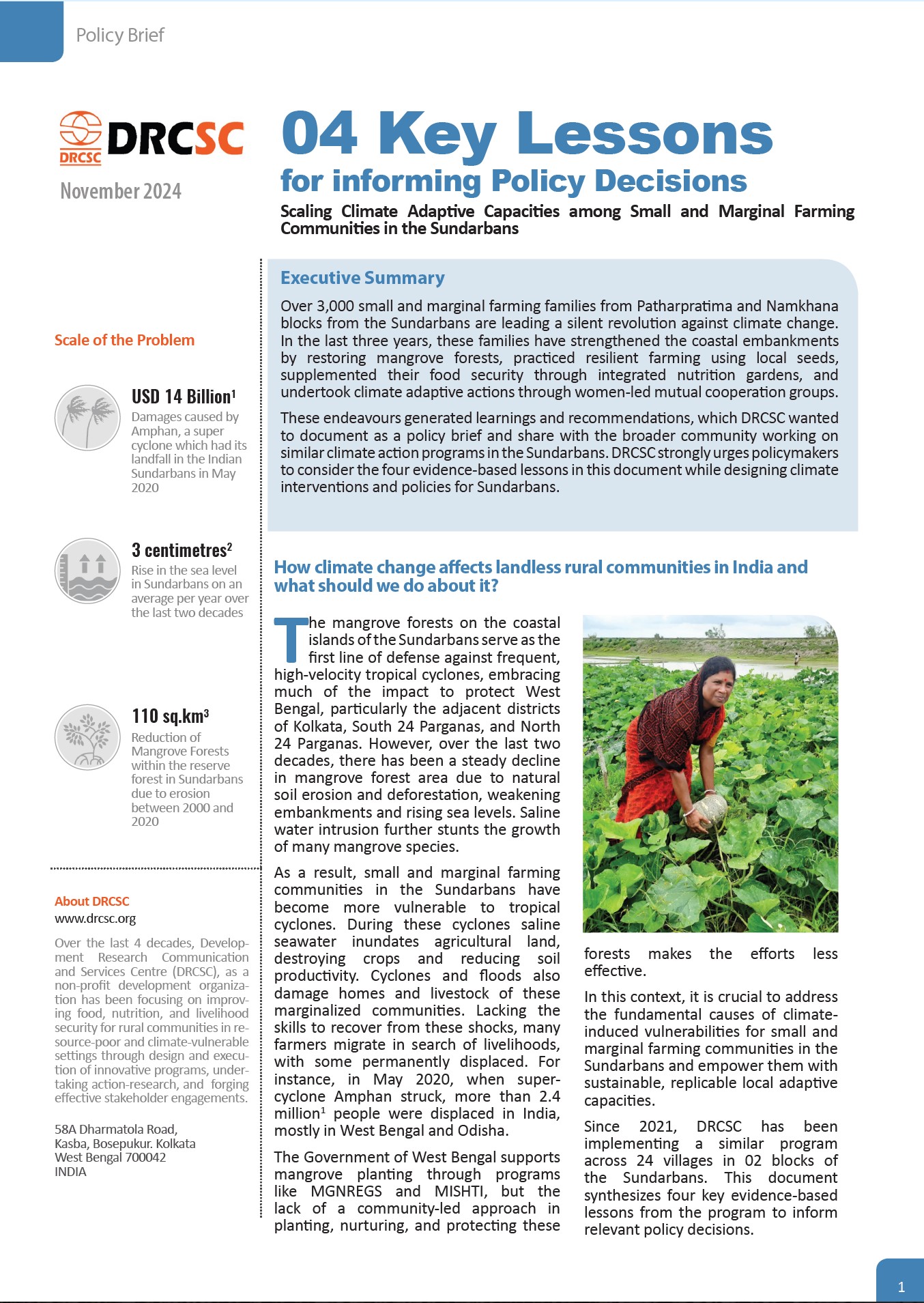
Four Key Lessons for Policy Consideration: Scaling Climate Adaptive Capacities among Small and Marginal Farming Communities in the Sundarbans
Download Full Report
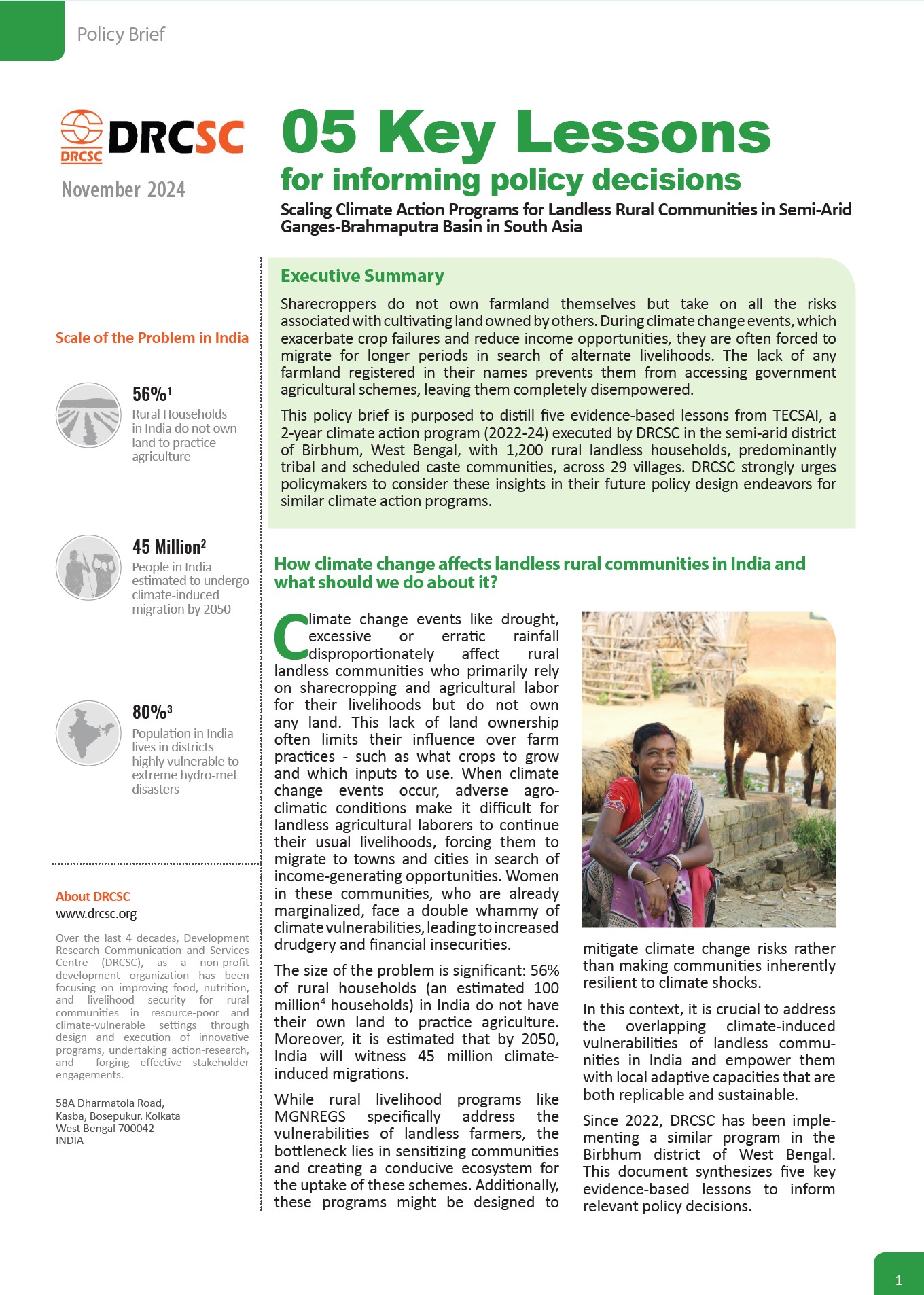
Five Key Lessons for Policy Consideration: Scaling Climate Action Programs for Landless Rural Communities in Semi-Arid Ganges-Brahmaputra Basin in South Asia
Download Full Report
View Blog Posts
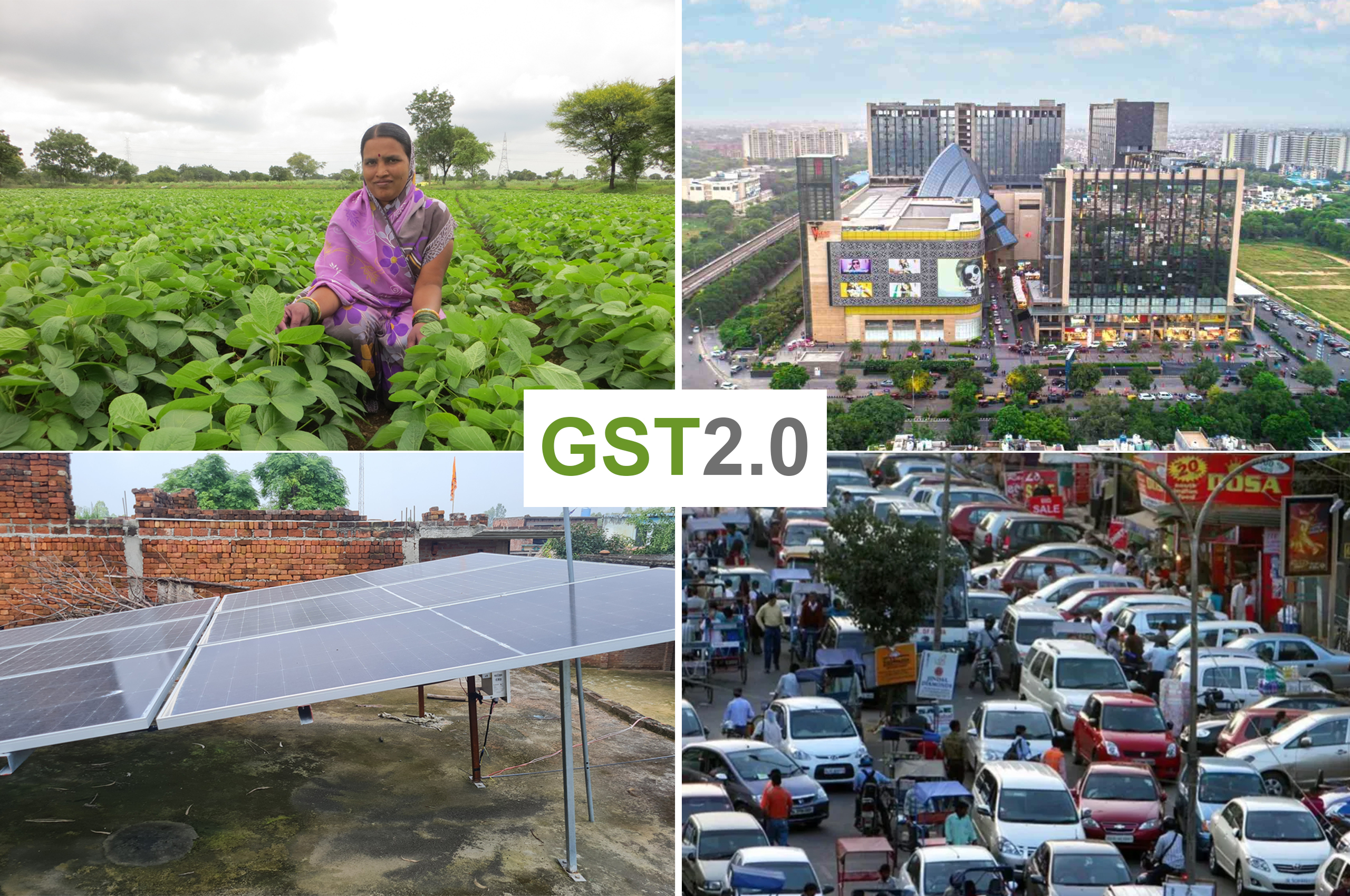
GST 2.0 and Tax Cuts: Can They Make Growth Fairer and Greener?
India's latest GST reform, being termed as GST 2.0, is more than just slashing rates. By simplifying the tax structure, cutting levies on essentials, and supporting renewable infrastructure, it's open..
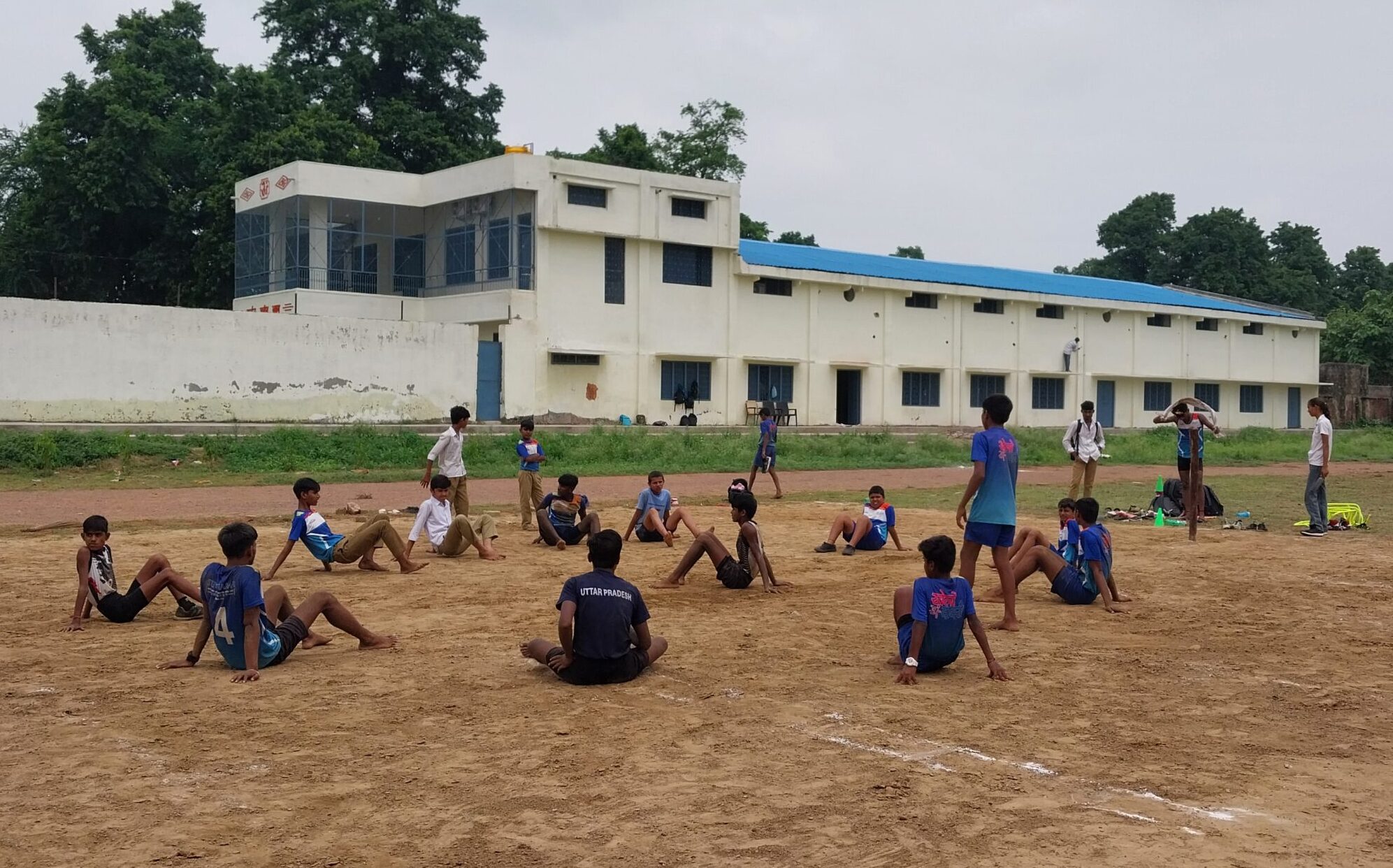
Reimagining Sports in CSR: From Tokenism to a Vehicle for Multiplying Impact
In 2023–24, Indian companies spent about ₹1,396 crore of their CSR budgets on sports — just 4% of the total ₹34,909 crore Indian corporates spent on CSR that year. Most of the rest went to edu..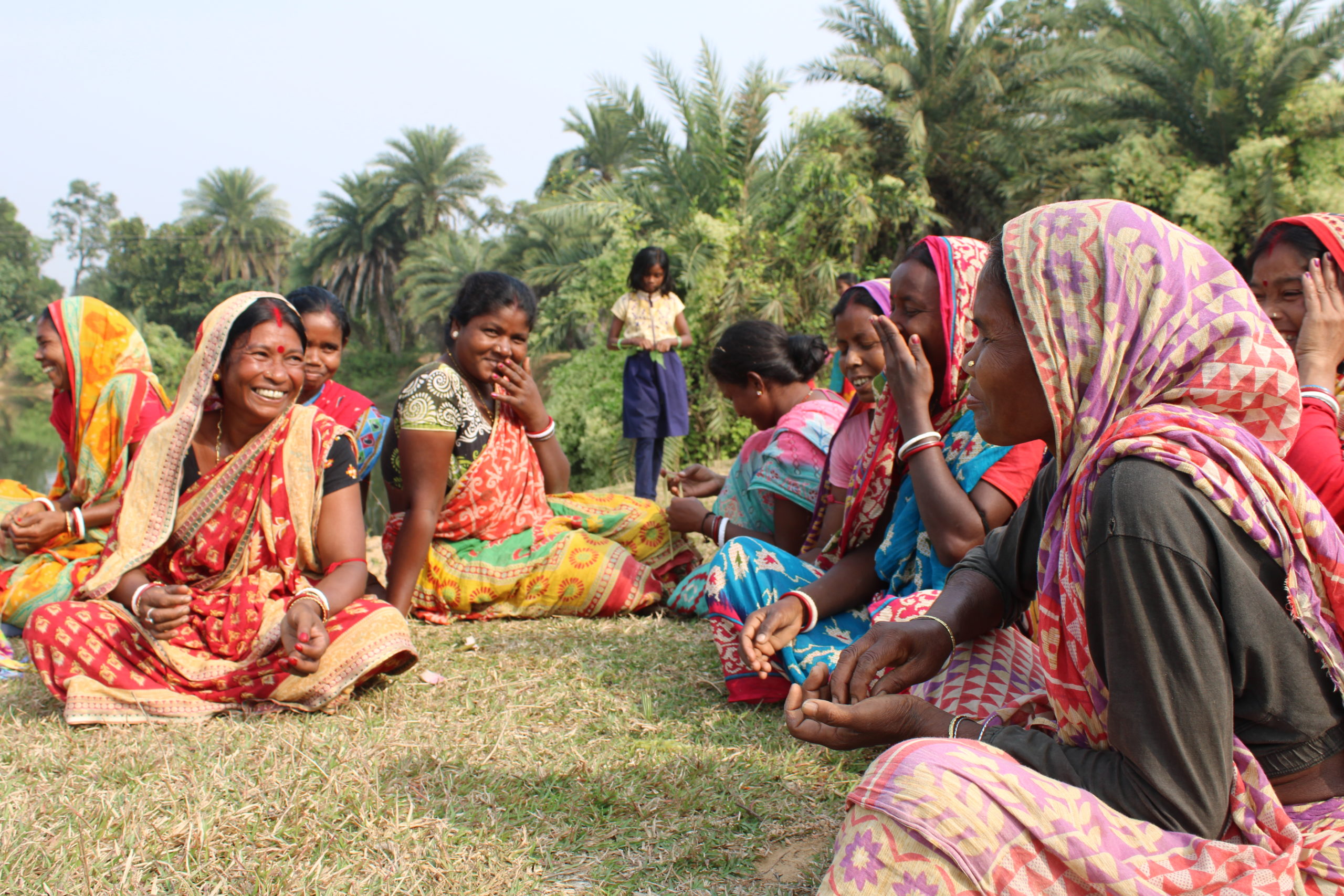
Interactive SHG Map of India: 7.5 million Women Self Help Groups are spread across 27 States and 6 UTs in India
Under the National Rural Livelihood Mission (NRLM), India has 7.5 million Women Self Help Groups (SHGs) spread across 27 states and 6 Union Territories. Each of these small, self-governed, and peer-co..