
Recent Developments,
Key Innovations, and
Insightful Reports
Your One Stop Platform for Regular Sector Updates
Sector news
View By Category
Categories
- See all
- Agriculture
- Clean Cookstoves
- Clean Energy
- Climate Action
- Digital Technology
- Education
- Financial Services
- General
- Healthcare
- Hygiene
- Impact Investment
- Inclusive Value Chains
- Livelihoods
- Livestock
- Lower Income Consumers
- Marketing, Distribution and Sales for BoP
- Nutrition
- Sanitation
- Water
- Women Empowerment


October 12, 2012
OECD asks Indonesia to reconsider agricultural import restrictions
According to the OECD (Organisation for Economic Co-operation and Development), Indonesia’s current export taxes and import restrictions when it comes to the agricultural sector are very prohibitive to investment in the country’s farming infrastructure and hence the country’s food security. It has thus asked Indonesia to rethink its agricultural import […]
October 12, 2012
Tanzania: Poor farming methods pose threats
A preliminary study of corns and groundnuts produced in Kilosa and Ifakara in Morogoro, Uyuwi in Tabora and Iringa by Tanzania Food and Drug Authority resulted in the discovery of toxic substances and chemicals. These chemicals are an indirect consequence of poor farming practices being followed by farmers in the […]
October 12, 2012
Experts chart roadmap to Africa smallholder productivity through mixed-farming
Under a research being funded by USAID as a part of its Feed the Future global food security initiative, researchers from various disciplines will work together to help small holder farmers in South and East Africa practising mixed-farming bring about an increase in their productivity. Read more here.
October 12, 2012
Lessons in urban farming from Africa
A number of rural residents of Kenya that migrate to cities like Nairobi usually get their cattle along and use open fields and other such available public lands in and around the city to practice urban farming, as a means of surviving. Read more here.
October 12, 2012
Farmers in Africa apply less fertilizers to their farms
While the global average of fertilizer use in kilogrammes per hectare is 100, farmers in Africa use only about 8 kg/hectare. This is one the issues pointed out by the Alliance for a Green Revolution in Africa (AGRA) which is looking to increase the fertilizer amount used in Africa by […]
October 12, 2012
Floating farming in Bangladesh
Bangladesh is perhaps one of the first countries to experience the changes of climate brought about by global warming. A consistent sea level rise has led to certain areas in Bangladesh being submerged all year round, when only a few years ago, there were roads visible in the same place. […]
October 12, 2012
India: Delhi launches a special food distribution programme
The government of Delhi recently launched a new food programme which will allow a monthly cash subsidy to poor families currently not covered under any such scheme to enable an easier access to food. About 200,000 families have been listed for this. Read more here.
October 12, 2012
UN: 870 million in the world hungry
In their latest report, UN FAO said that about 12.5 per cent of the world’s total population, or 868 million people are currently suffering from hunger in the world. This is a significant downward revision from the estimate of 1 billion, or 18.6 per cent of the […]
October 12, 2012
Land sold off in the last decade could grow enough to feed a billion people, says Oxfam
According to Oxfam, land masses totalling about 8 times the size of the UK in area were sold off privately in the past decade alone. It is being estimated that this much of land would have been enough to feed at least a billion hungry people in […]
Get The Latest From The Social Sector In Your Inbox

Subscribe to our newsletter
View Our Publications
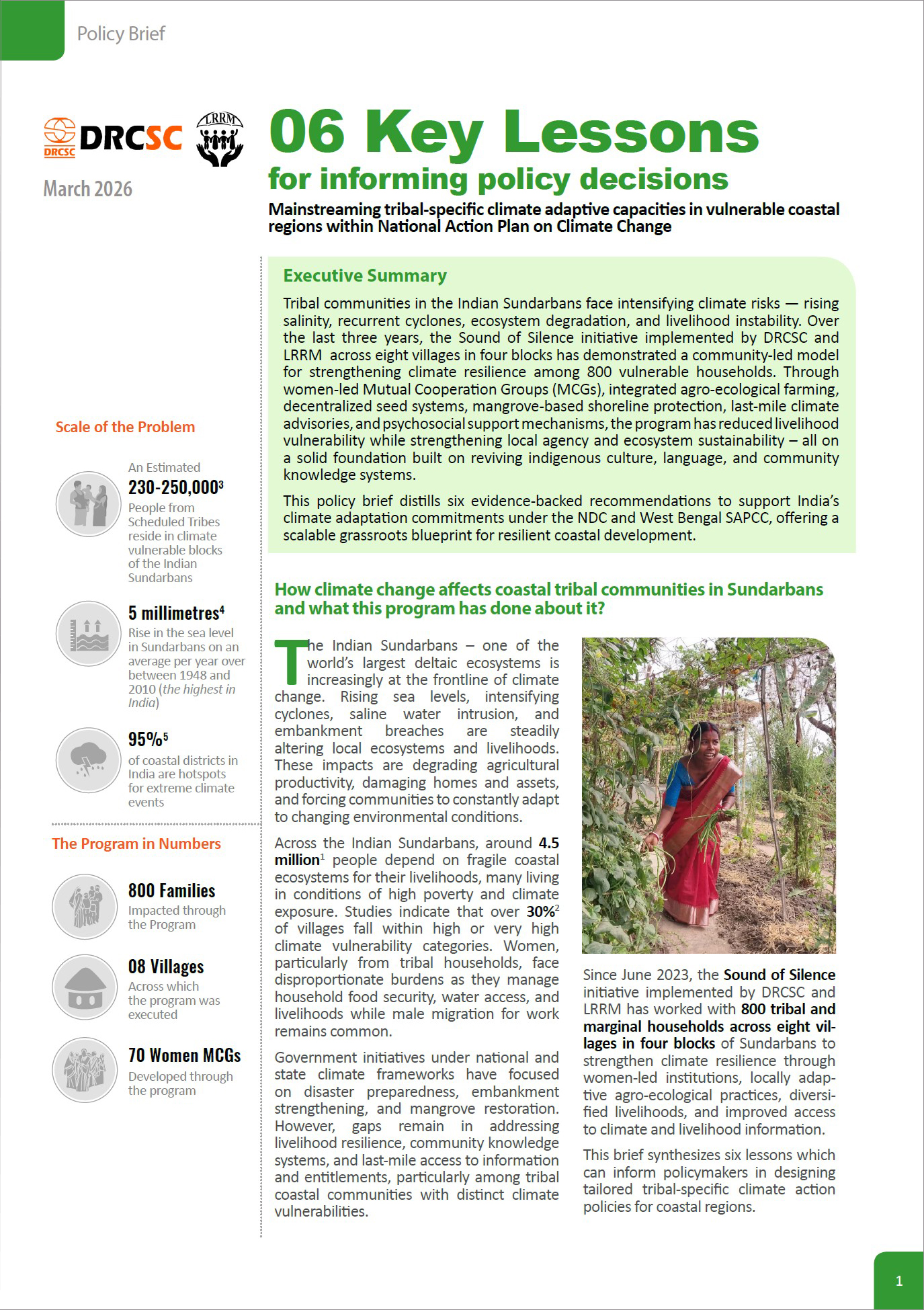
06 Key Lessons for informing policy decisions: Mainstreaming tribal-specific climate adaptive capacities in vulnerable coastal regions within National Action Plan on Climate Change
Download Full Report
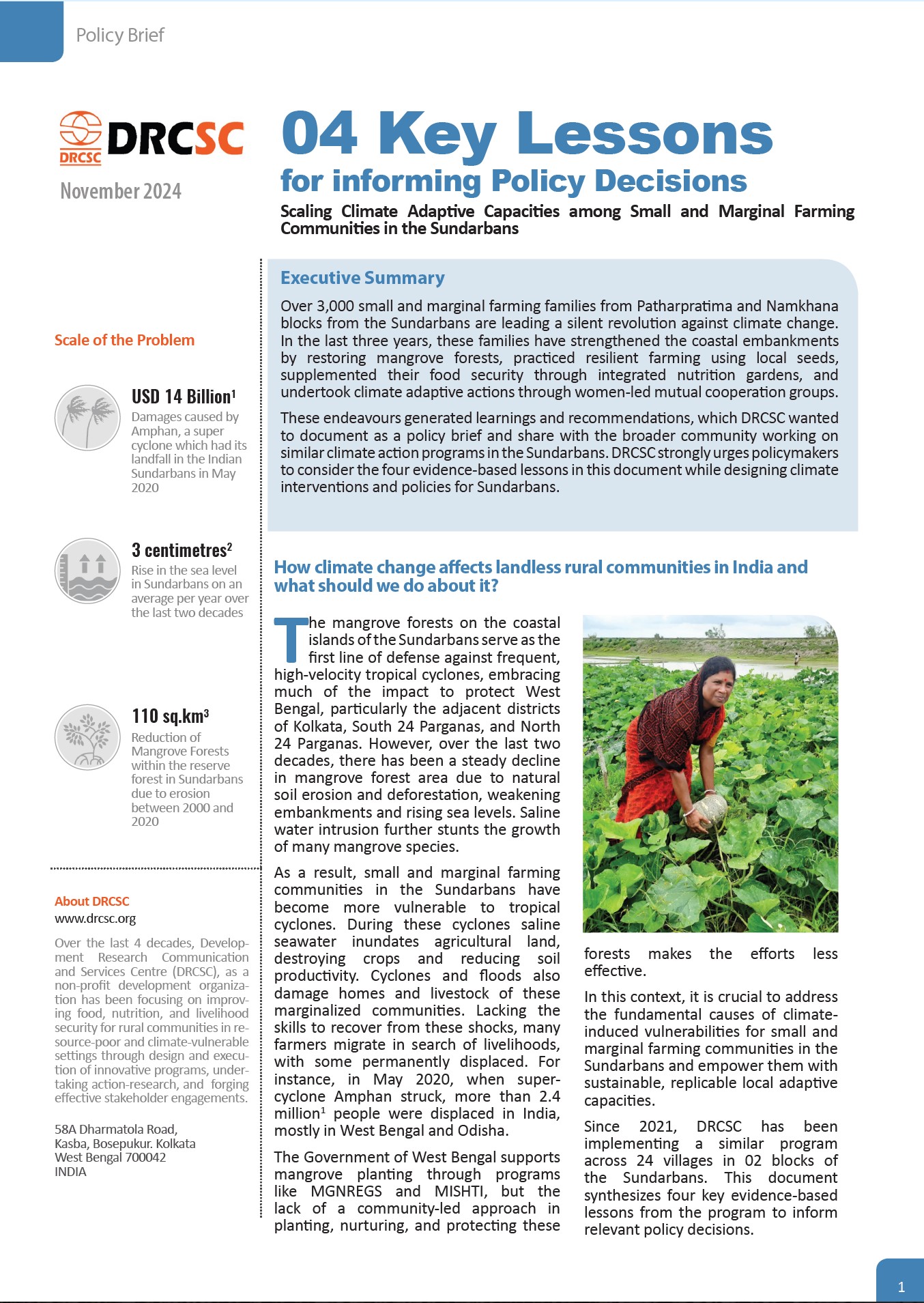
Four Key Lessons for Policy Consideration: Scaling Climate Adaptive Capacities among Small and Marginal Farming Communities in the Sundarbans
Download Full Report
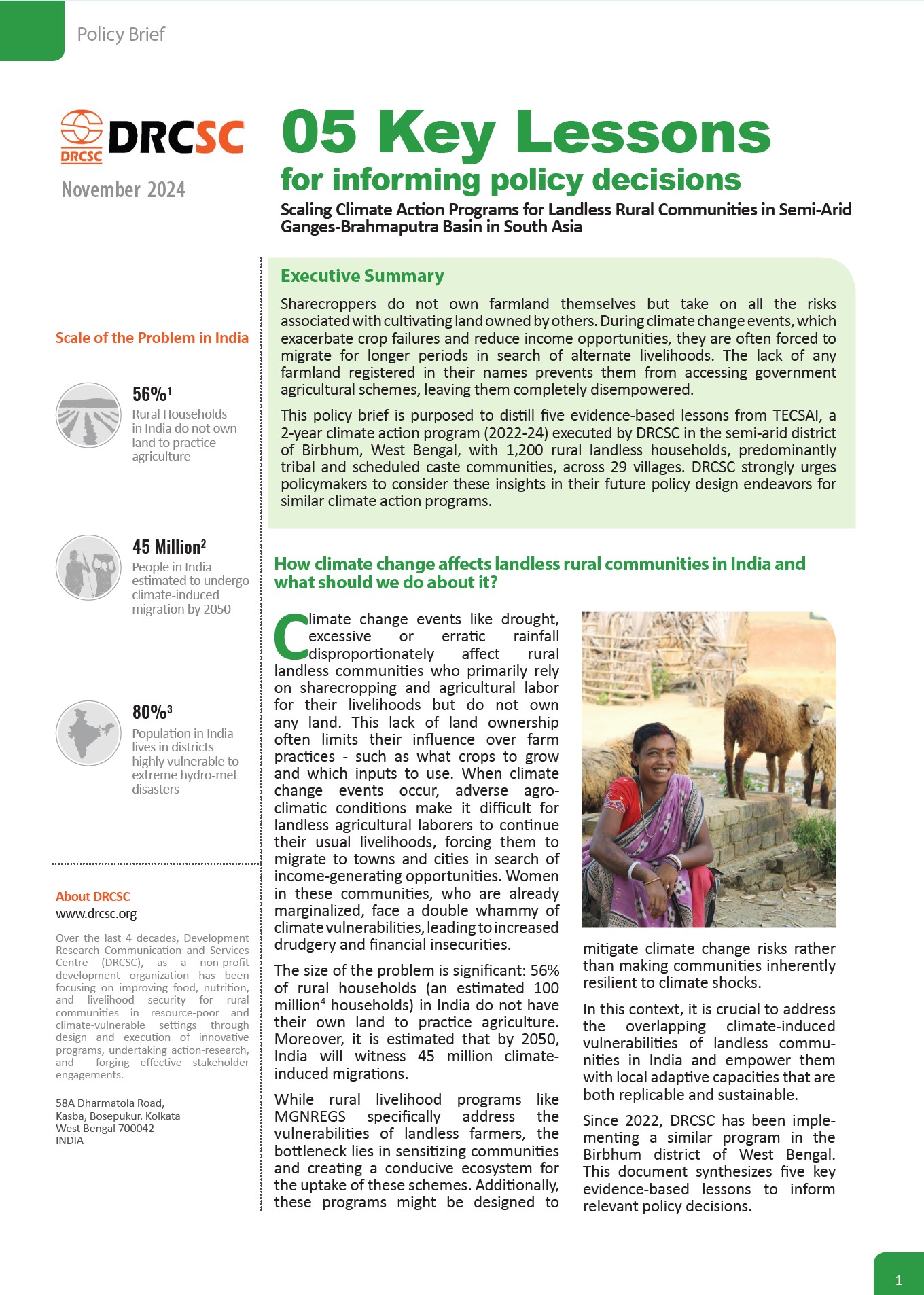
Five Key Lessons for Policy Consideration: Scaling Climate Action Programs for Landless Rural Communities in Semi-Arid Ganges-Brahmaputra Basin in South Asia
Download Full Report
View Blog Posts
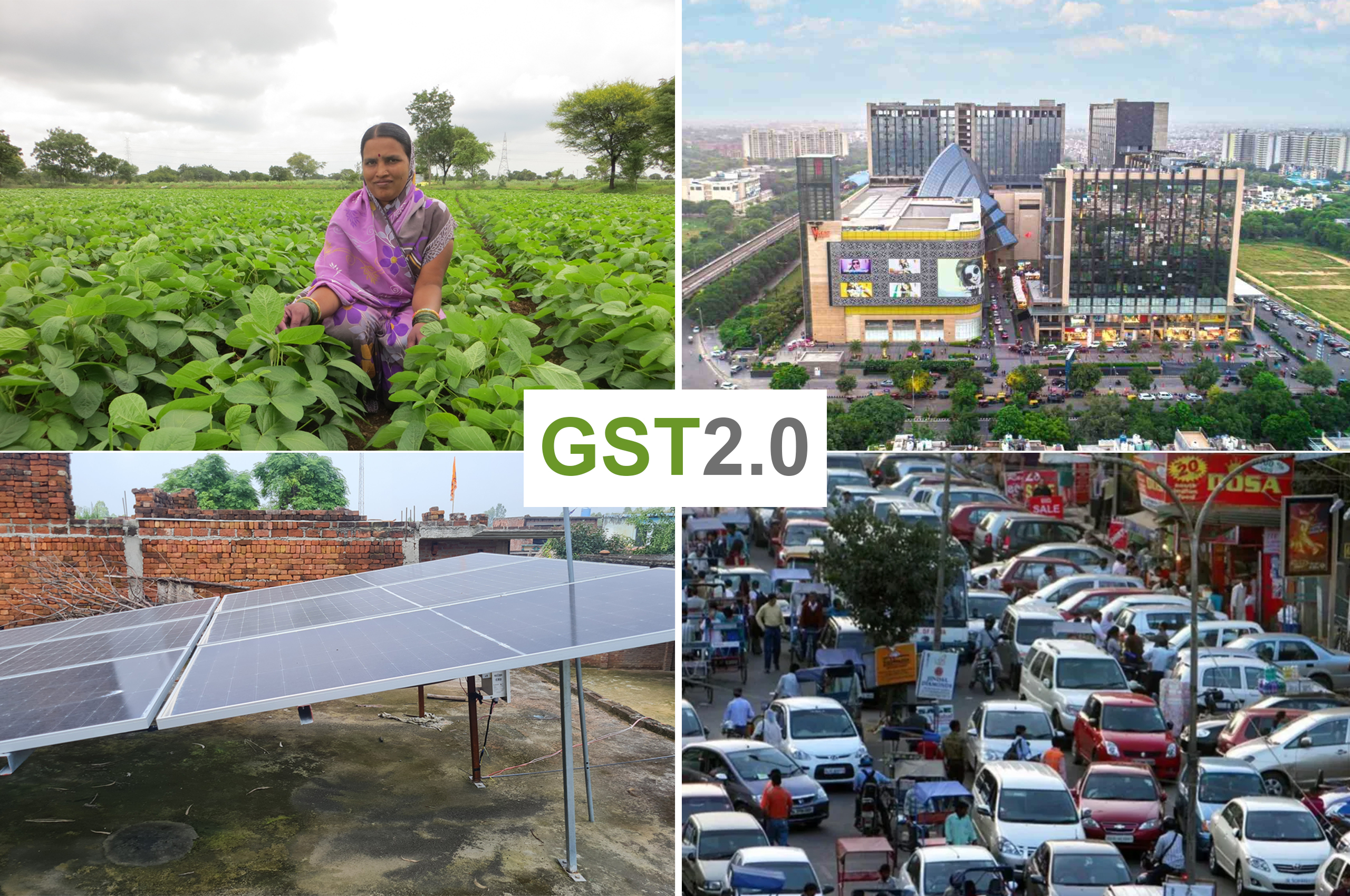
GST 2.0 and Tax Cuts: Can They Make Growth Fairer and Greener?
India's latest GST reform, being termed as GST 2.0, is more than just slashing rates. By simplifying the tax structure, cutting levies on essentials, and supporting renewable infrastructure, it's open..
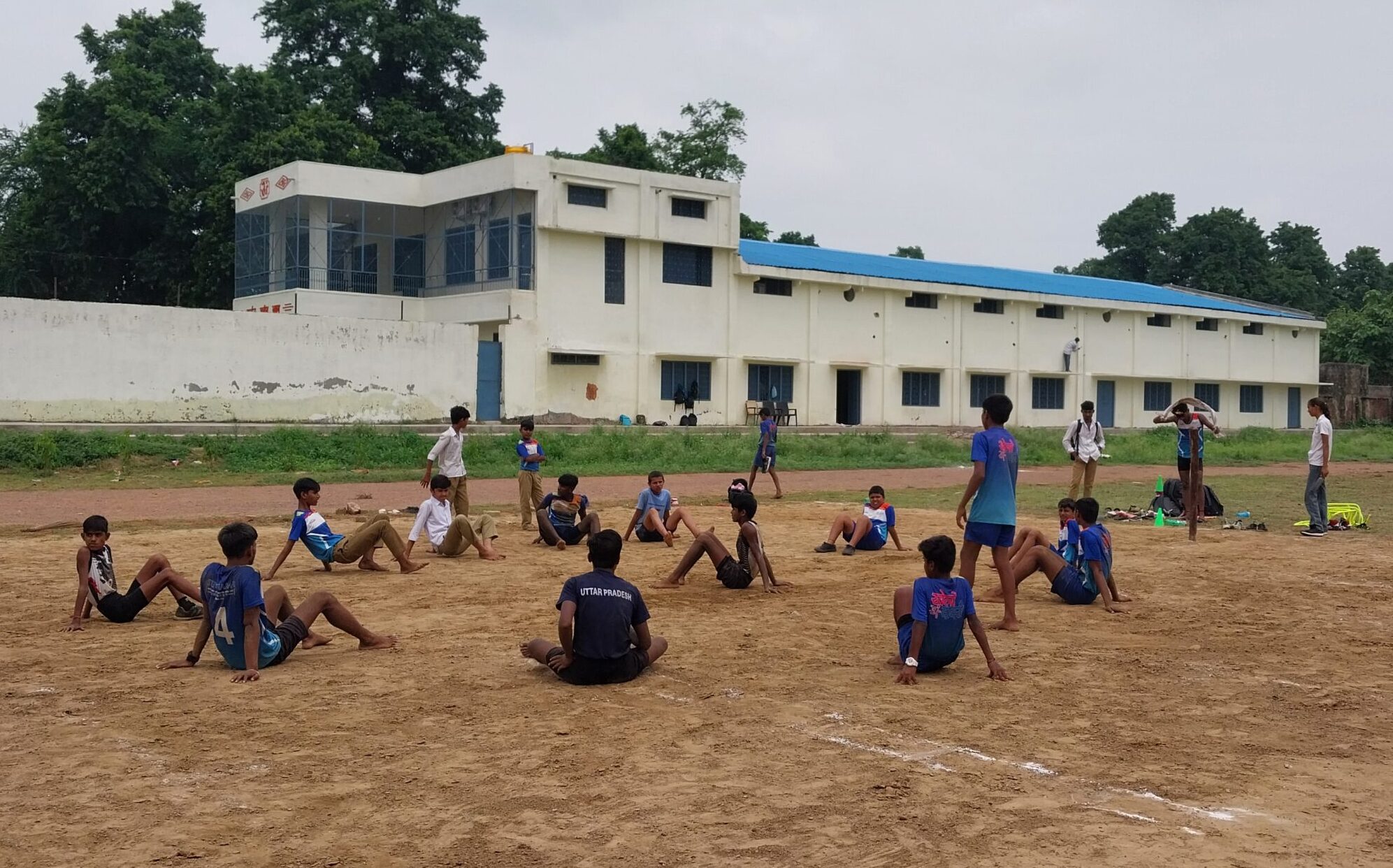
Reimagining Sports in CSR: From Tokenism to a Vehicle for Multiplying Impact
In 2023–24, Indian companies spent about ₹1,396 crore of their CSR budgets on sports — just 4% of the total ₹34,909 crore Indian corporates spent on CSR that year. Most of the rest went to edu..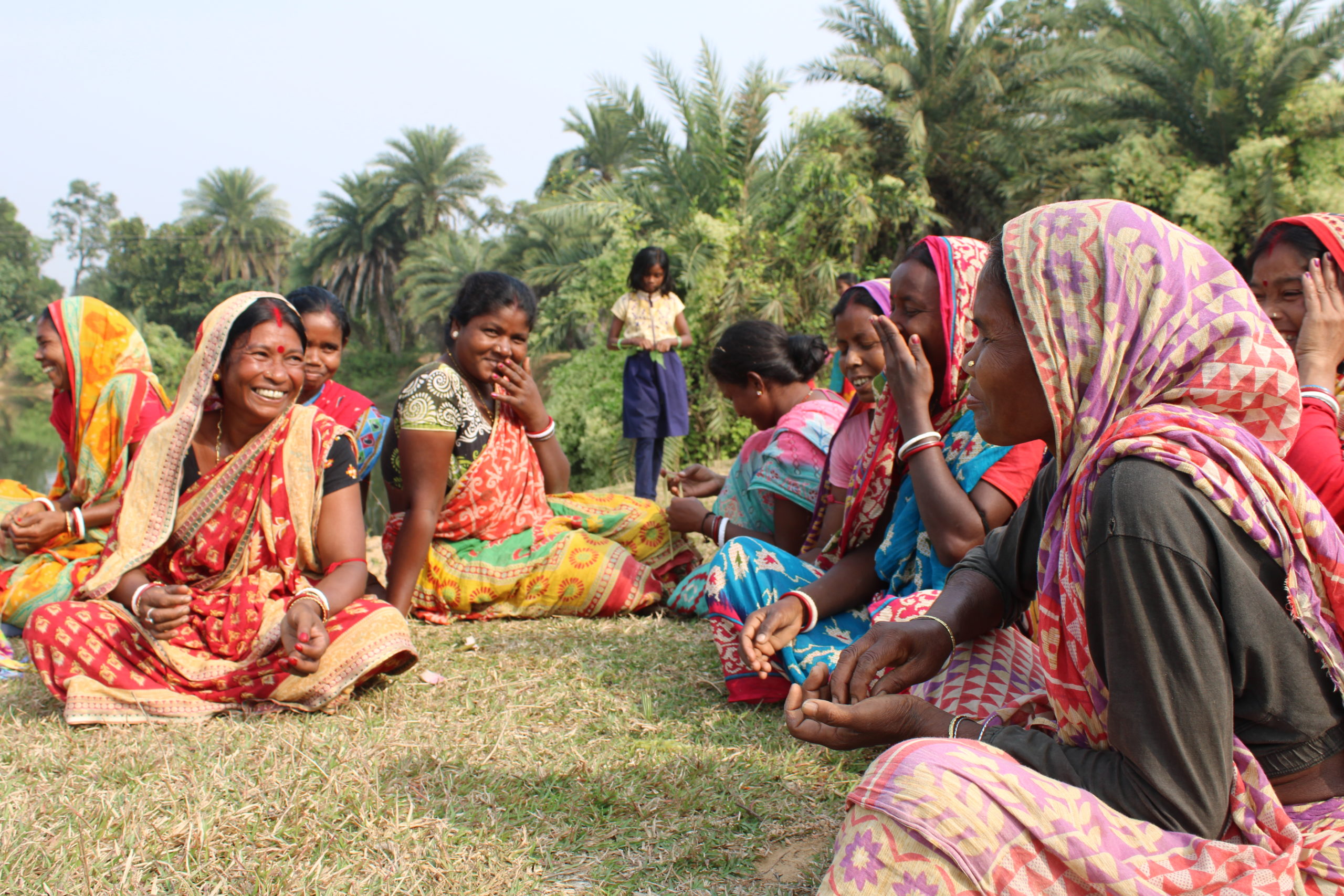
Interactive SHG Map of India: 7.5 million Women Self Help Groups are spread across 27 States and 6 UTs in India
Under the National Rural Livelihood Mission (NRLM), India has 7.5 million Women Self Help Groups (SHGs) spread across 27 states and 6 Union Territories. Each of these small, self-governed, and peer-co..