
Recent Developments,
Key Innovations, and
Insightful Reports
Your One Stop Platform for Regular Sector Updates
Sector news
View By Category
Categories
- See all
- Agriculture
- Clean Cookstoves
- Clean Energy
- Climate Action
- Digital Technology
- Education
- Financial Services
- General
- Healthcare
- Hygiene
- Impact Investment
- Inclusive Value Chains
- Livelihoods
- Livestock
- Lower Income Consumers
- Marketing, Distribution and Sales for BoP
- Nutrition
- Sanitation
- Water
- Women Empowerment


October 1, 2012
IFC, FMO invest in Indian MFI Ujjivan
IFC (International Finance Corporation), a part of the World Bank group has invested a sum of INR 450 million, and the foreign institutional investor FMO, Entrepreneurial Development Bank has invested a sum of INR 28 million in India based MFI Ujjivan. Read more here.
October 1, 2012
Cambodia: Insurance for the poor
In Cambodia, about a third of the people are below the poverty line and as many as 80 per cent live in rural areas, where products or services, even if affordable are not available. For most of these people, saving long term is out of the question as they live […]
October 1, 2012
Microfinance may enhance development, but loans to poorest may be unwise
According to the outcomes of a study by the EPPI-Centre at the Institute of Education, University of London, microfinance is most favourable to class of poor who are relatively better equipped with training and education, and could make the poorest people poorer. Read more here.
October 1, 2012
Micro-insurance in Philippines
The micro-insurance sector in Philippines is worth at least P 200 million currently, but the stakeholders and players in the sector are optimistic of this market becoming worth at least P 20 billion by way of premium payments within a few years. Read more here.
October 1, 2012
African association Confédération des Institutions Financières (CIF) chooses landmark software for its programme
The African association Confédération des Institutions Financières (CIF) has chosen a new software for the implementation of its micro-finance programme for low income African families. This software will be used for a range of micro-insurance programmes. Read more here.
October 1, 2012
Microfinance: A response to the Europe Debt Crisis?
In response to the debt crisis in Europe, financial institutions have given out large funds into bailout packages. But that does not necessarily ensure the grassroots revival of the economy and hence, they have also begun to infuse smaller amounts into private entities through their ambitious microfinance initiative. Read more […]
October 1, 2012
India: Microfinance and predatory lending – the same story?
This post examines the history of microfinance as it has been, in India. It examines the bills that regulated the sector post the Andhra Pradesh crisis of 2010, and compares the activities of some microfinance institutions with those of typical moneylenders, a refuge from which microfinance was originally designed to […]
October 1, 2012
India: How microfinance institutions spurred growth of social enterprises
Microfinance companies are perhaps the most well-known and common examples of social enterprises. However, in India, while in its heyday, microfinance may have spawned a number of social enterprises, funding for the same in sectors like education, healthcare is limited. Investors want to invest a set amount which is almost […]
October 1, 2012
Microfinance in evolution: An industry between crisis and advancement
This report by the Deutsche Bank goes over the history of microfinance while laying pointers along the way, indicating what went wrong and, how the sector should now collectively act to sustain microfinance’s original developmental impact. Read the report here.
Get The Latest From The Social Sector In Your Inbox

Subscribe to our newsletter
View Our Publications
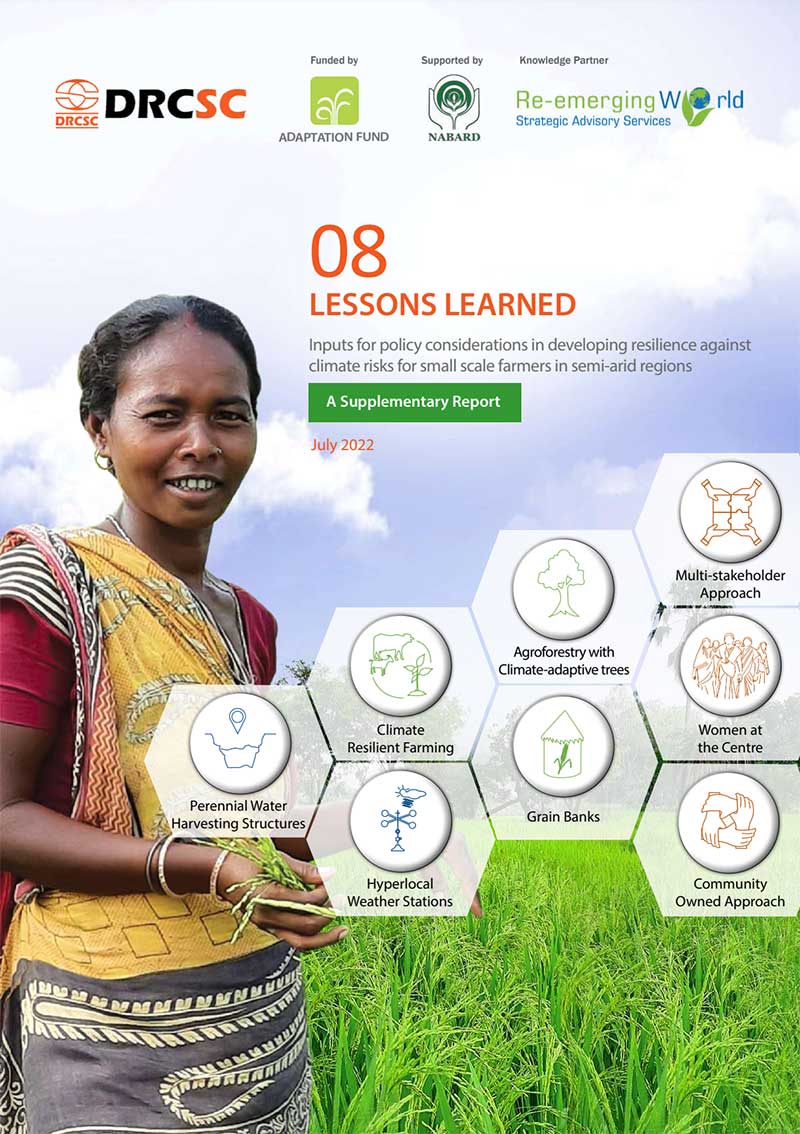
Eight Lessons Learned: Inputs for policy considerations in developing resilience against climate risks for small scale farmers in semi-arid regions, full report
Download Full Report
View Blog Posts
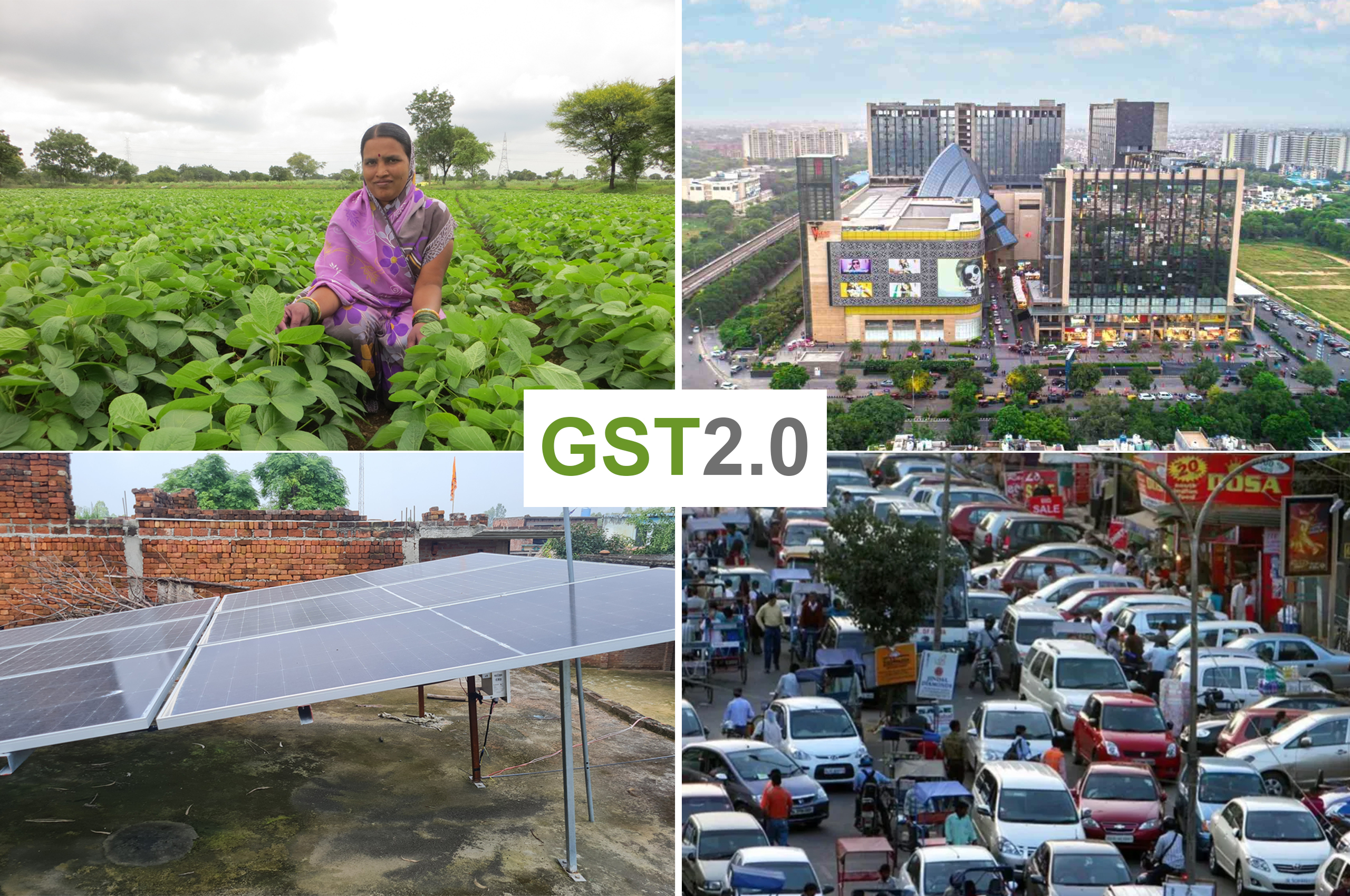
GST 2.0 and Tax Cuts: Can They Make Growth Fairer and Greener?
India's latest GST reform, being termed as GST 2.0, is more than just slashing rates. By simplifying the tax structure, cutting levies on essentials, and supporting renewable infrastructure, it's open..
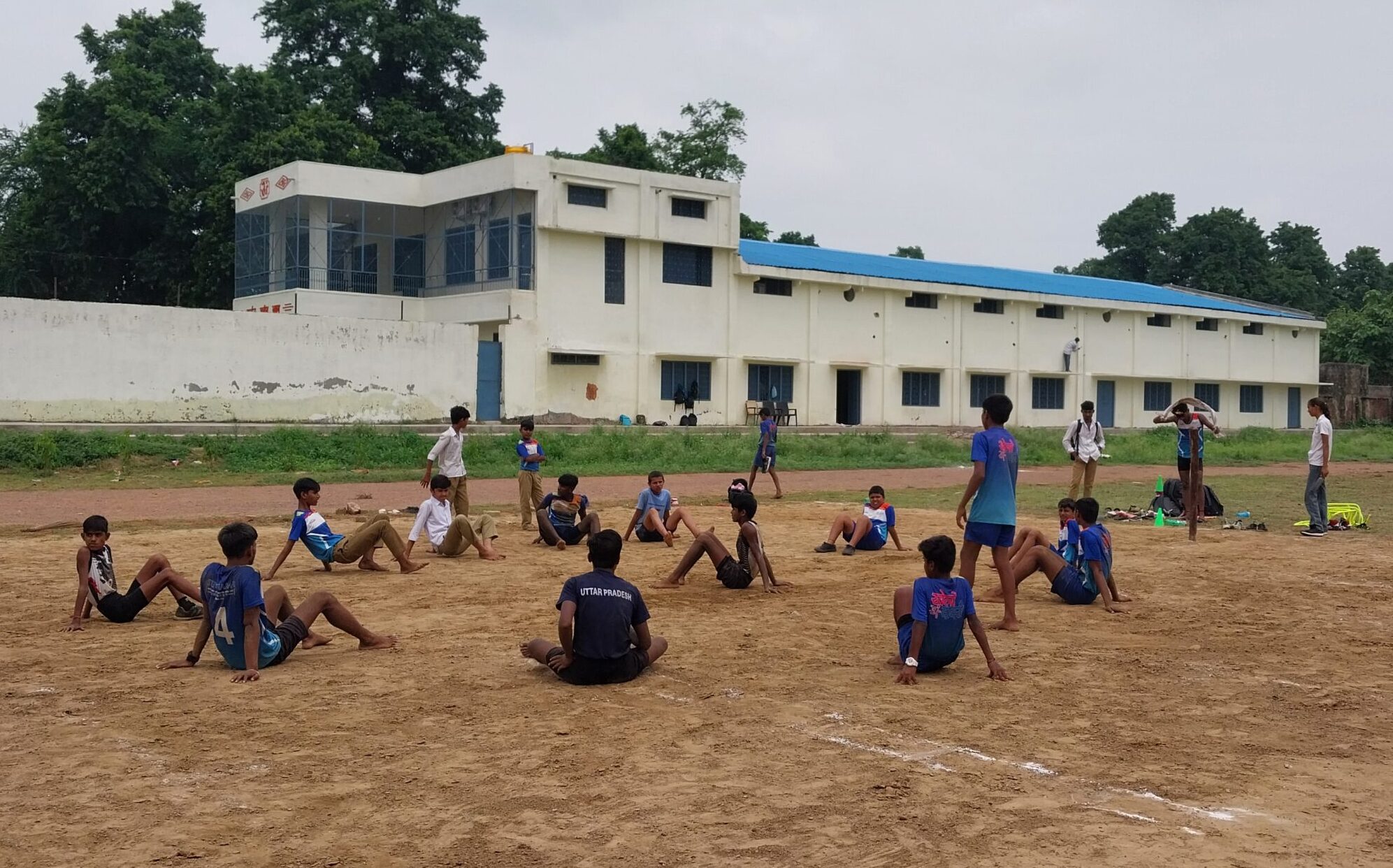
Reimagining Sports in CSR: From Tokenism to a Vehicle for Multiplying Impact
In 2023–24, Indian companies spent about ₹1,396 crore of their CSR budgets on sports — just 4% of the total ₹34,909 crore Indian corporates spent on CSR that year. Most of the rest went to edu..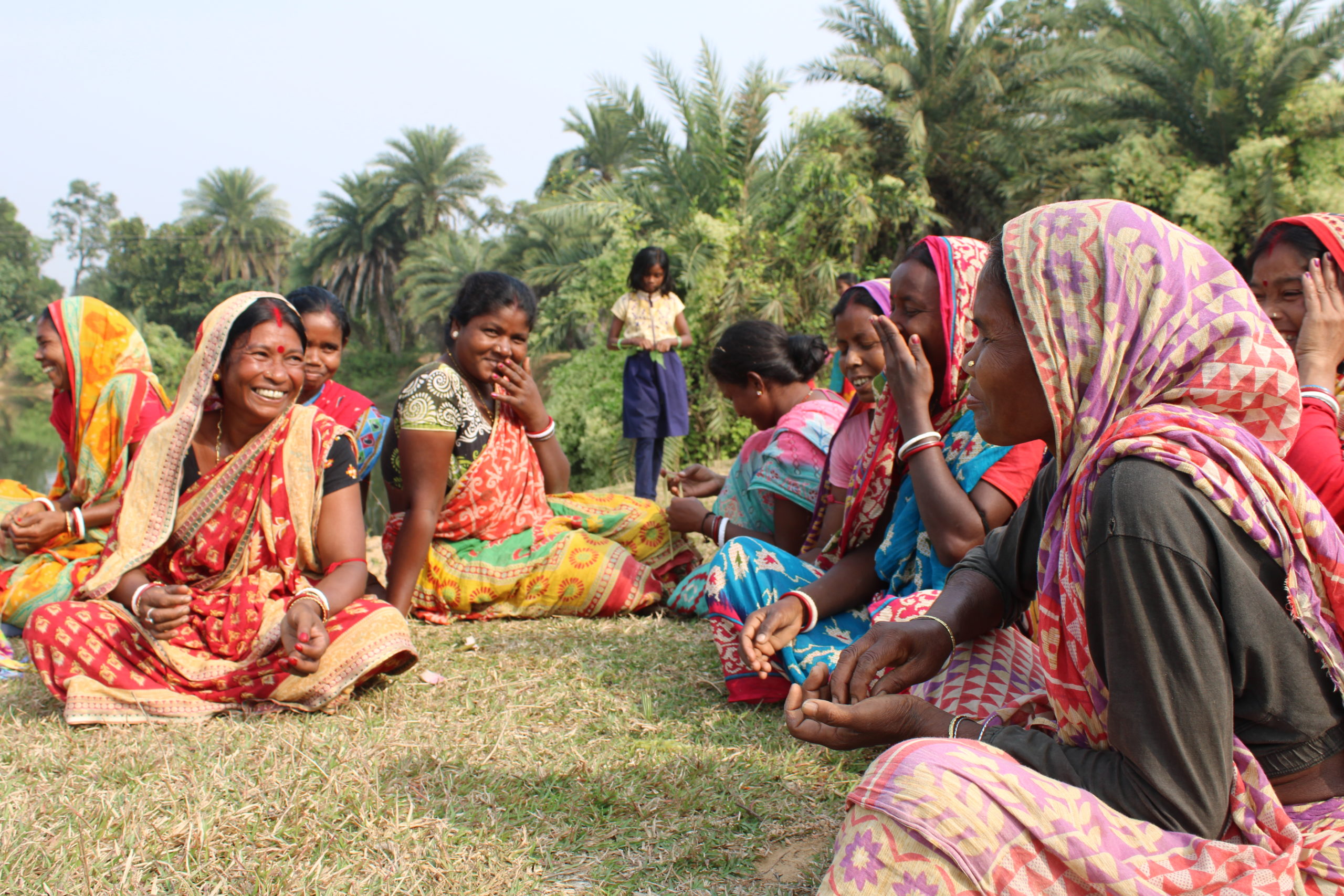
Interactive SHG Map of India: 7.5 million Women Self Help Groups are spread across 27 States and 6 UTs in India
Under the National Rural Livelihood Mission (NRLM), India has 7.5 million Women Self Help Groups (SHGs) spread across 27 states and 6 Union Territories. Each of these small, self-governed, and peer-co..