
Recent Developments,
Key Innovations, and
Insightful Reports
Your One Stop Platform for Regular Sector Updates
Sector news
View By Category
Categories
- See all
- Agriculture
- Clean Cookstoves
- Clean Energy
- Climate Action
- Digital Technology
- Education
- Financial Services
- General
- Healthcare
- Hygiene
- Impact Investment
- Inclusive Value Chains
- Livelihoods
- Livestock
- Lower Income Consumers
- Marketing, Distribution and Sales for BoP
- Nutrition
- Sanitation
- Water
- Women Empowerment


October 6, 2012
Socially responsible investing – from ‘fringe to mainstream’
Socially responsible investment practices no longer lie at the fringes of the investment world, with ESG (environmental, social and corporate governmental) investment surging from US$639 billion in 1995 to US$3.07 trillion at the start of 2010, and has become a mainstream option for many institutional investors. Read more here.
October 6, 2012
Impact investment – the power of two bottom lines
This Forbes post tracks the history of impact investment, with the early adopters, who were always focused on their goal of having a measurable social impact while weighing down on sustainability of the investments as well. Read more here.
October 6, 2012
ImpactAssets 50, as assessed by Impact investment industry experts
Global Partnerships (GP), a leading non-profit social investing body and EcoTrust Forest Management have been enlisted in the top fifty impact investors, as assessed by ImpactAssets 50 (IA 50), an open-source, public database of private debt and equity impact investment fund managers. Read more here and here.
October 6, 2012
Expecting lower returns from socially responsible investments
This post points out an interesting paradox – if the cost of capital is to be made lower for socially responsible firms, it is equivalent to driving down the investment returns from the firm. Read more here.
October 6, 2012
Low cost impact investing
MicroPlace is a wholly-owned subsidiary of eBay, and an affiliate of eBay’s online payment division PayPal. But it is not only for this association that it is attracting the interest of investors. It has been, from the time of its start of operations a reliable way to make impact investment […]
October 6, 2012
A sector based approach to impact investing
According to the Omidyar Network, impact investors should avoid concentrating on one firm at a time and take an overlook of the number of sectors that they want to make an impact in. Impact investments should be measured not only at the firm level for this, but also at the […]
October 1, 2012
Accenture helps IGD develop electricity and connectivity in Uganda
Accenture, a global management consultancy will be helping IGD (Initiative for Global Development), a programme by University of Notre Dame develop ways to stay powered by electricity through solar. Solar will now be powering internet, education and training centres and locally develop ventures in disconnected parts of Uganda. Read more […]
October 1, 2012
Esource: Recycling, and cycling
Esource is the name of an idea proposed by Hal Watts to make a machine that uses the energy generated from cycling to shred electrical wires so finely that the inside copper and the outside rubber coating would be separated. This would eliminate the need for burning the wires which […]
October 1, 2012
African policymakers seek to reduce pollution for clean air
It was decided at a recent conference of high level government officials and policy makers in Accra, Ghana, that efficient ways to reduce the emissions of SLCPs (short-lived climate pollutants) would be devised. SLCPs include methane, black carbon (soot), tropospheric ozone, and many hydrofluorocarbons (HFCs). According to Ghana’s Environment Minister […]
Get The Latest From The Social Sector In Your Inbox

Subscribe to our newsletter
View Our Publications
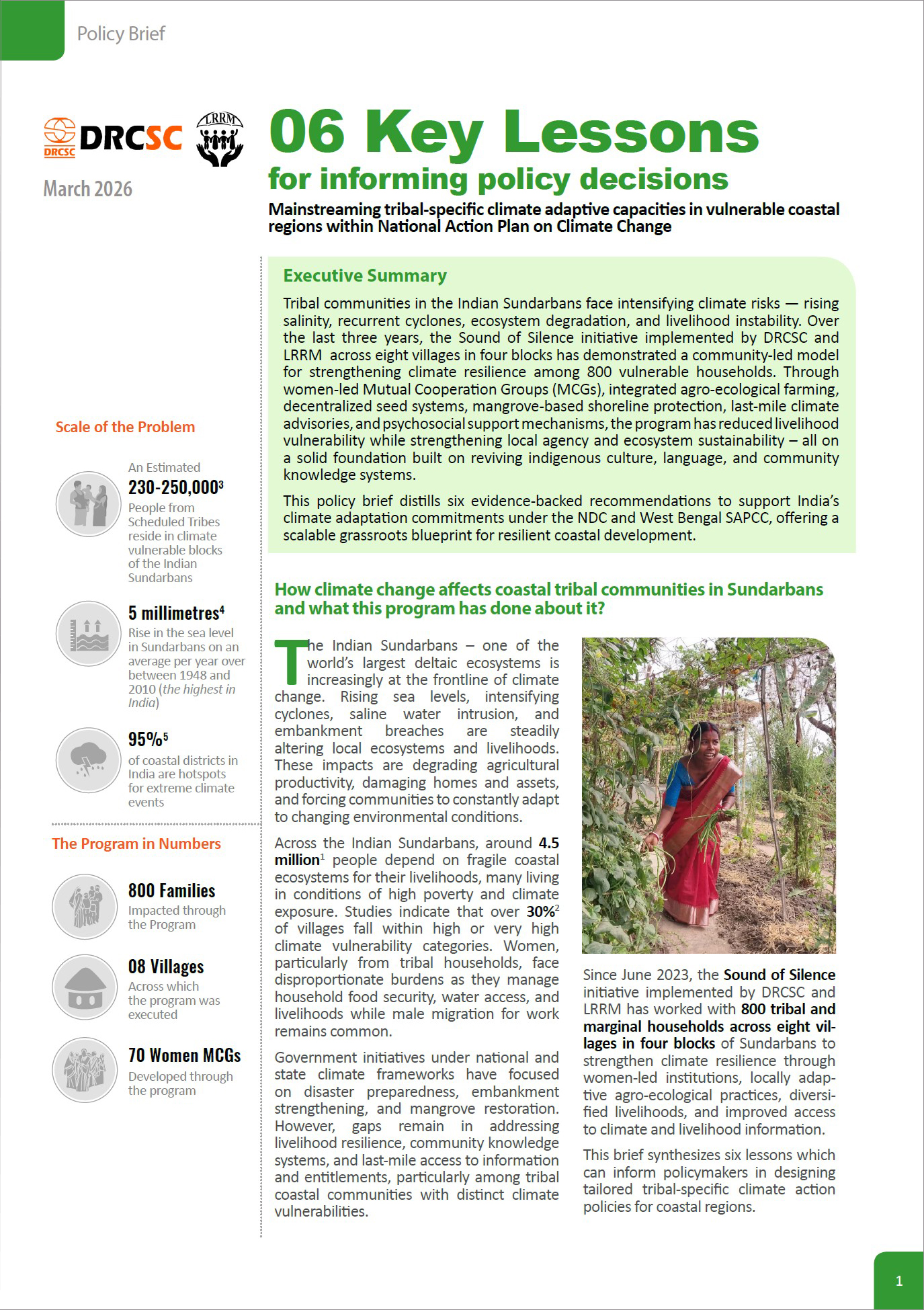
06 Key Lessons for informing policy decisions: Mainstreaming tribal-specific climate adaptive capacities in vulnerable coastal regions within National Action Plan on Climate Change
Download Full Report
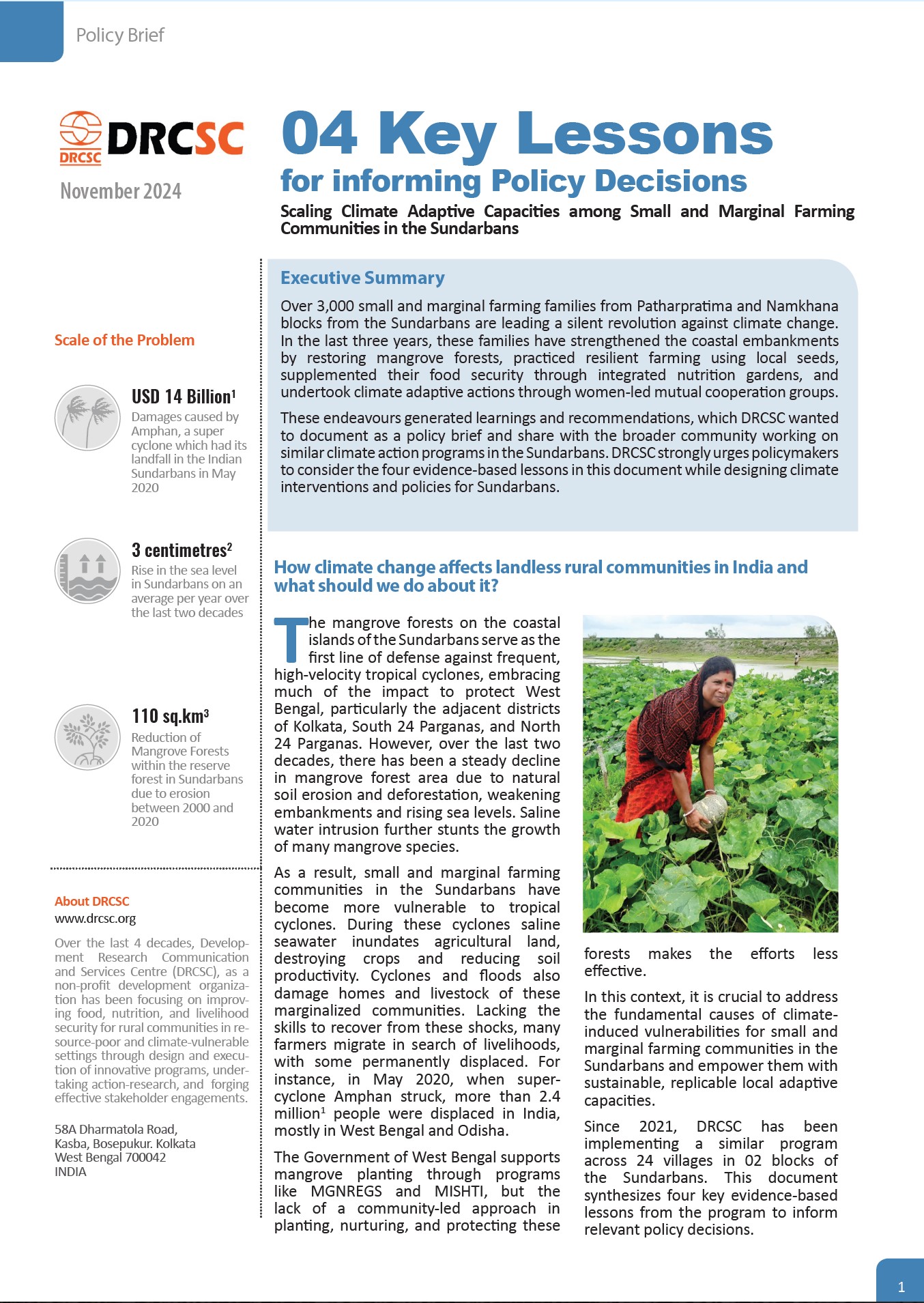
Four Key Lessons for Policy Consideration: Scaling Climate Adaptive Capacities among Small and Marginal Farming Communities in the Sundarbans
Download Full Report
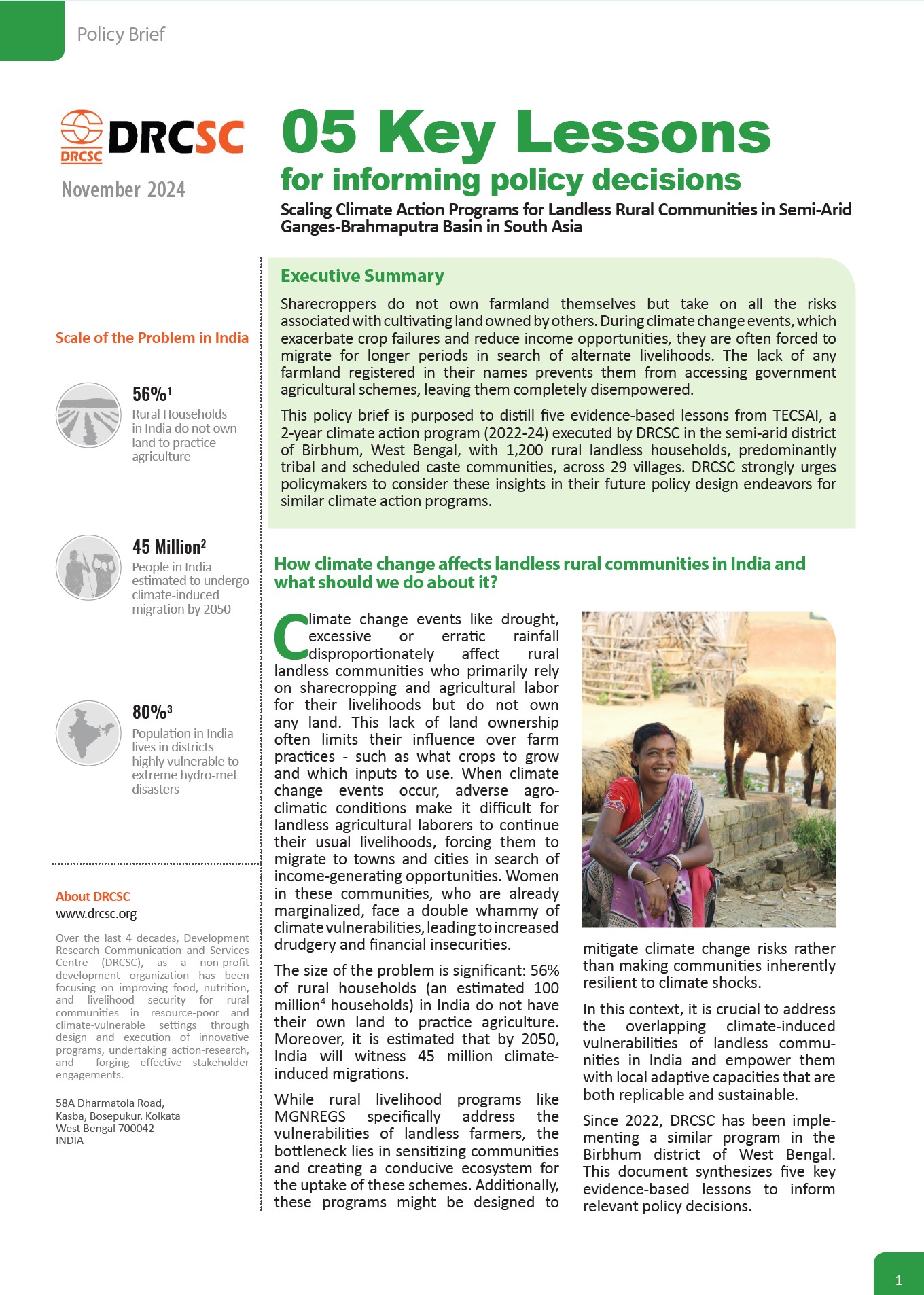
Five Key Lessons for Policy Consideration: Scaling Climate Action Programs for Landless Rural Communities in Semi-Arid Ganges-Brahmaputra Basin in South Asia
Download Full Report
View Blog Posts
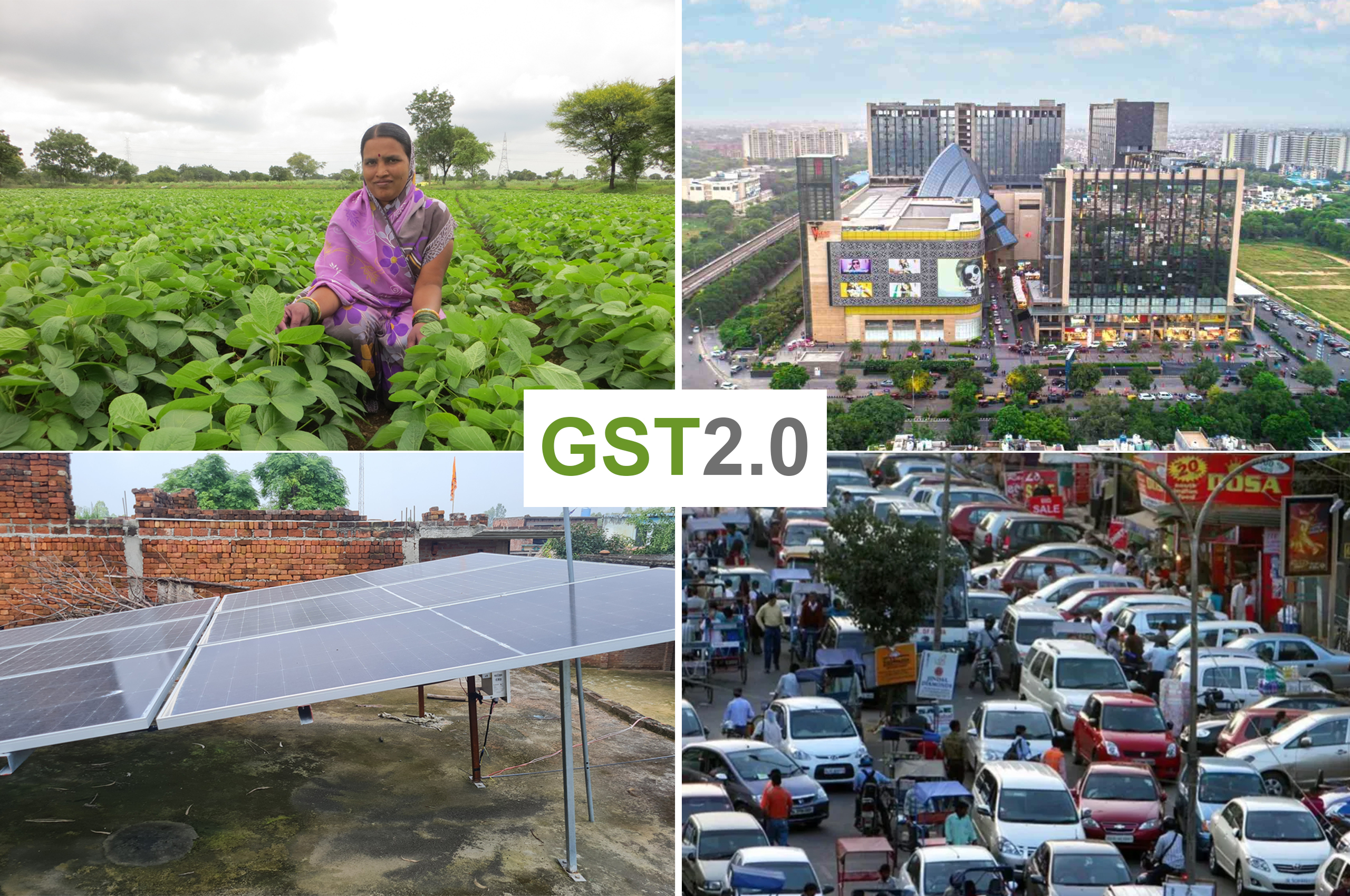
GST 2.0 and Tax Cuts: Can They Make Growth Fairer and Greener?
India's latest GST reform, being termed as GST 2.0, is more than just slashing rates. By simplifying the tax structure, cutting levies on essentials, and supporting renewable infrastructure, it's open..
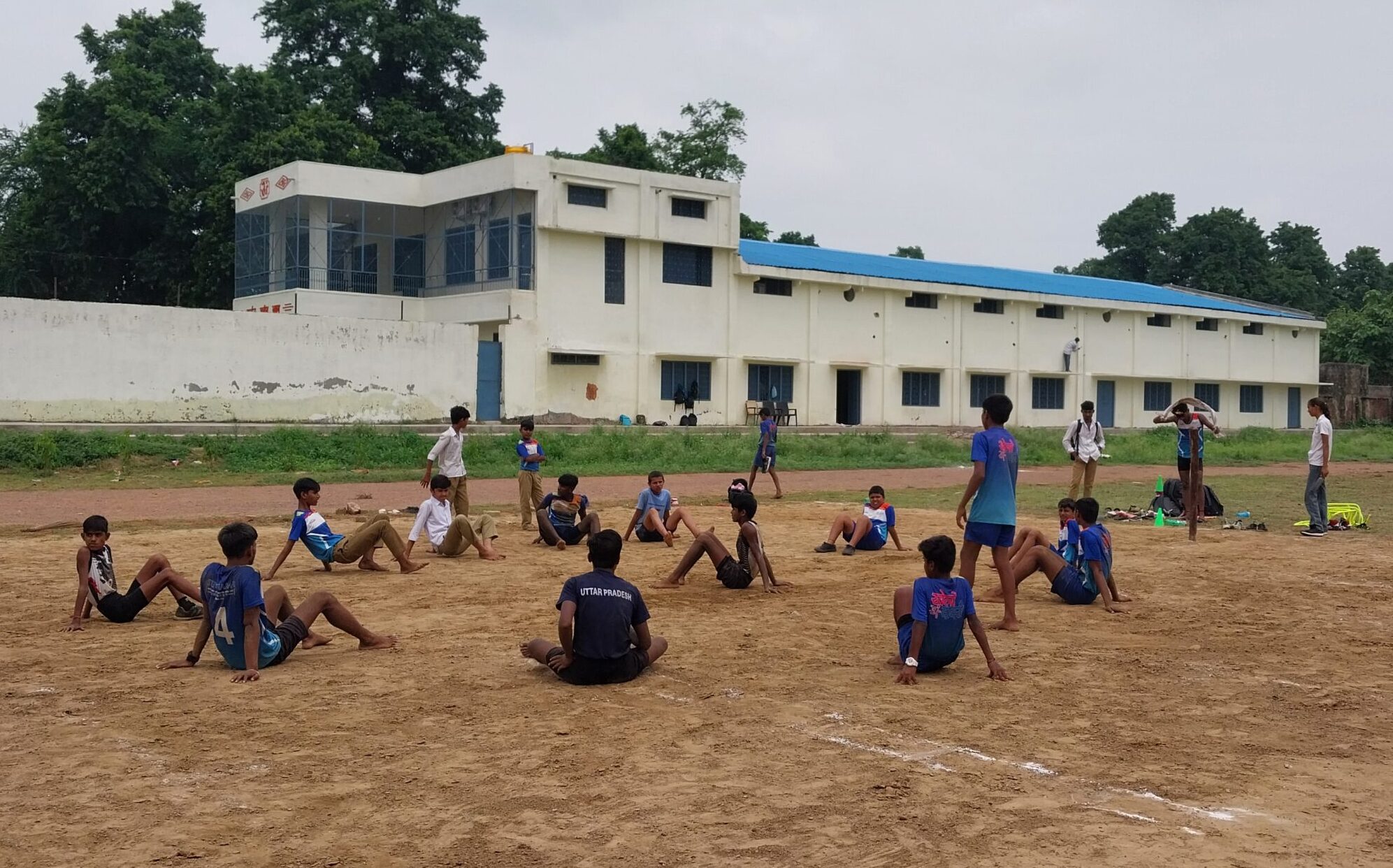
Reimagining Sports in CSR: From Tokenism to a Vehicle for Multiplying Impact
In 2023–24, Indian companies spent about ₹1,396 crore of their CSR budgets on sports — just 4% of the total ₹34,909 crore Indian corporates spent on CSR that year. Most of the rest went to edu..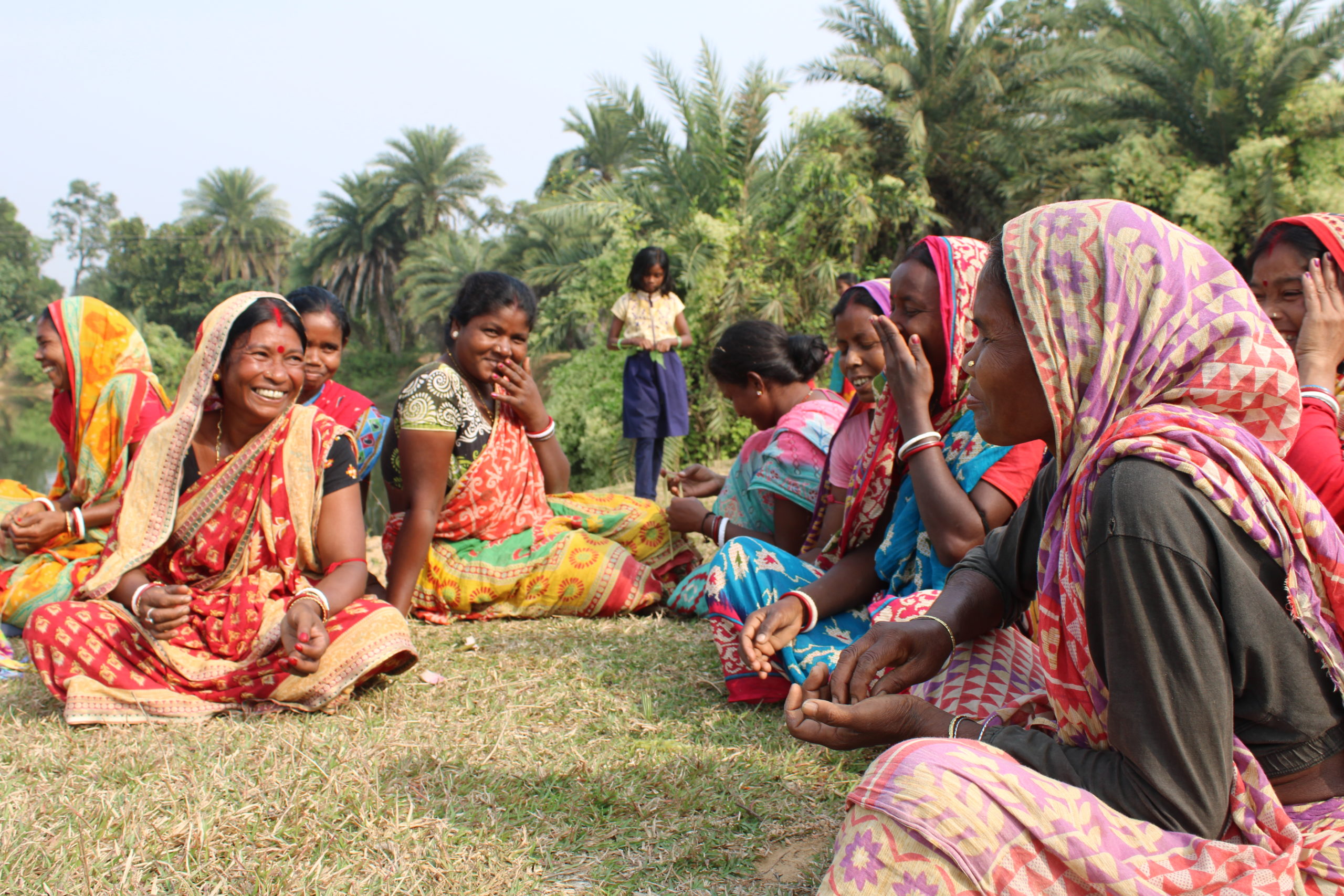
Interactive SHG Map of India: 7.5 million Women Self Help Groups are spread across 27 States and 6 UTs in India
Under the National Rural Livelihood Mission (NRLM), India has 7.5 million Women Self Help Groups (SHGs) spread across 27 states and 6 Union Territories. Each of these small, self-governed, and peer-co..