
Recent Developments,
Key Innovations, and
Insightful Reports
Your One Stop Platform for Regular Sector Updates
Sector news
View By Category
Categories
- See all
- Agriculture
- Clean Cookstoves
- Clean Energy
- Climate Action
- Digital Technology
- Education
- Financial Services
- General
- Healthcare
- Hygiene
- Impact Investment
- Inclusive Value Chains
- Livelihoods
- Livestock
- Lower Income Consumers
- Marketing, Distribution and Sales for BoP
- Nutrition
- Sanitation
- Water
- Women Empowerment


October 1, 2012
Organizations invest in CleanStar Mozambique
The Soros Economic Development Fund and the Industrialization Fund for Developing Countries recently announced that they would be investing approximately US$9 million in CleanStar Mozambique, the social enterprise which pioneered the use of cookstoves that run on cassava, do not produce smoke and hence reduce indoor air pollution. This investment […]
October 1, 2012
World LP Gas Association announces international programme
Cooking using LPG (Liquid Petroleum Gas) produces no smoke filled with solid particles which are extremely harmful for health. However, cooking with LPG is not a luxury for people in the developing world. However, the World LP Gas Association (WLPGA) recently announced that it would soon be launching a five […]
October 1, 2012
Clean fuels & cookstoves for Haiti
This post enlists the scope and cause of CDi’s initiatives in scaling the use of clean cookstoves throughout the underserved households in Haiti, through a number of eco-enterprise projects and programmes. Read more here.
October 1, 2012
Nigeria: 100,000 die of IAP yearly
In Nigeria, about 100,000 people die from inhalation of fumes and cookstove generated smoke. This smoke thus is the third largest killer of people in Nigeria after AIDS and malaria. According to experts, even the people who are aware of this danger continue to use inefficient fuels and stoves due […]
October 1, 2012
India: Households opt for biomass fuelled stoves
As the Indian Government has restricted the supply of subsidized LPG cylinders to households, the households in villages around Quepem in Goa have turned to Biomethanation units that produce biogas from kitchen and vegetable waste. Read more here.
October 1, 2012
Pollutant Emissions and Energy Efficiency under Controlled Conditions for Household Biomass Cookstoves and Implications for Metrics Useful in Setting International Test Standards
Thus far, the initiatives for clean cookstoves aimed at reducing the amount of IAP (Indoor Air Pollution) that have failed, failed because of inadequate testing outcome in ‘field’ conditions. This study details the outcome of clean cookstove tests using six fuel types under ‘realistic’ conditions. Read more here and download […]
October 1, 2012
Food for Hungry has a successful deworming campaign in Burundi
According to the WHO, as many as 400 million children suffer from intestinal worms worldwide. The results are stunted growth, an irreversible phenomenon for children. Many regions in most developing nations have no easy or cost effective access to deworming. International charity Food for Hungry has furthered the goal of […]
October 1, 2012
India: Fortis to set up low cost hospitals in Tier II and III cities
Fortis Healthcare is planning to set up a number of low cost hospitals in India’s Tier II and III towns and cities. This is part of an effort to tap the semi-urban healthcare market which consists of huge untapped market potential. Fortis plans to set up 25 multispecialty hospitals with […]
October 1, 2012
Low cost baby scanner reveals foetus defects
British engineers from Newcastle University, UK, have been able to develop a low cost hand-held foetus scanner which is high in efficiency and is able to detect problems same as conventional scanners. The difference lies in the cost – this handheld scanner, which can be plugged into any device costs […]
Get The Latest From The Social Sector In Your Inbox

Subscribe to our newsletter
View Our Publications
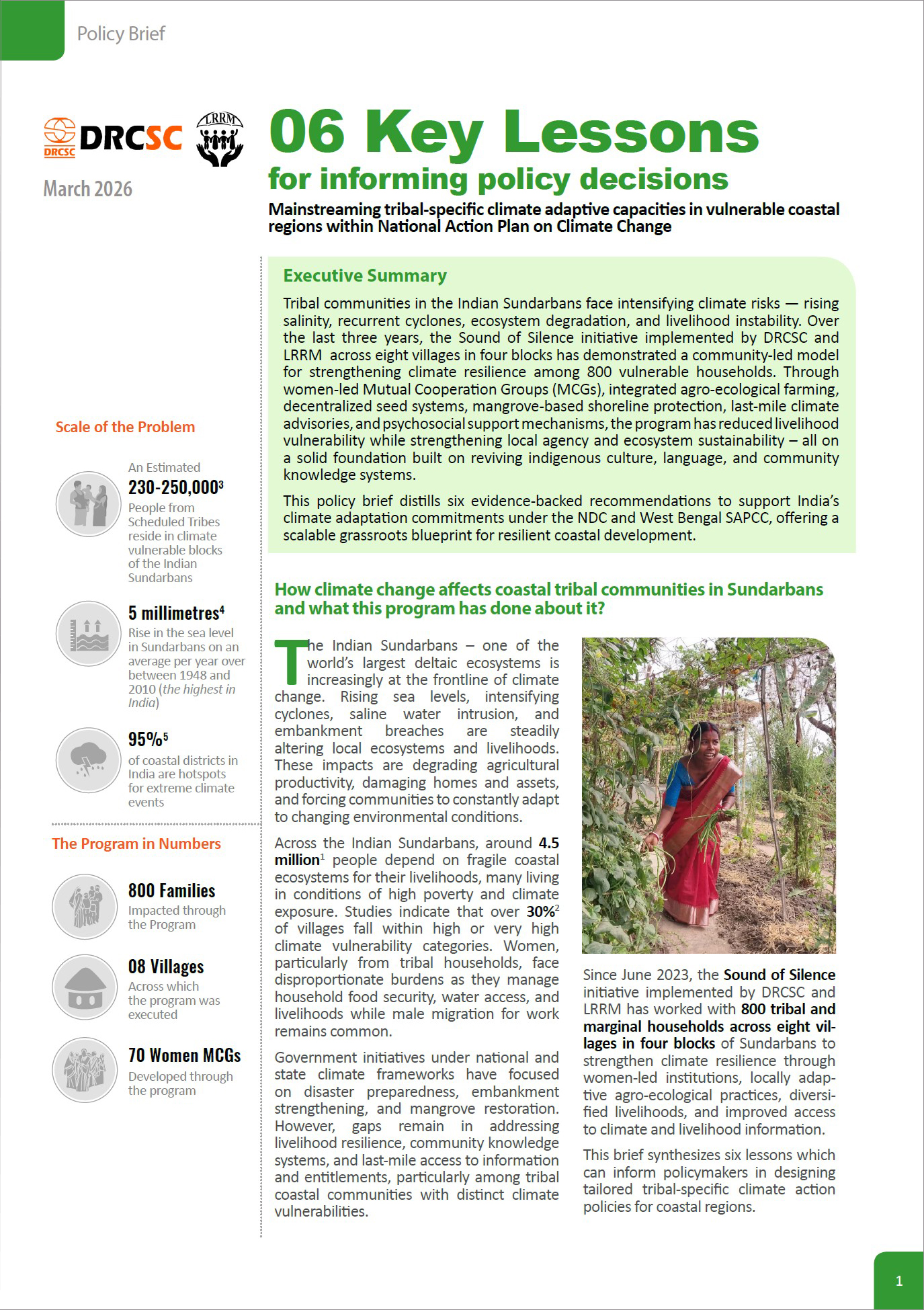
06 Key Lessons for informing policy decisions: Mainstreaming tribal-specific climate adaptive capacities in vulnerable coastal regions within National Action Plan on Climate Change
Download Full Report
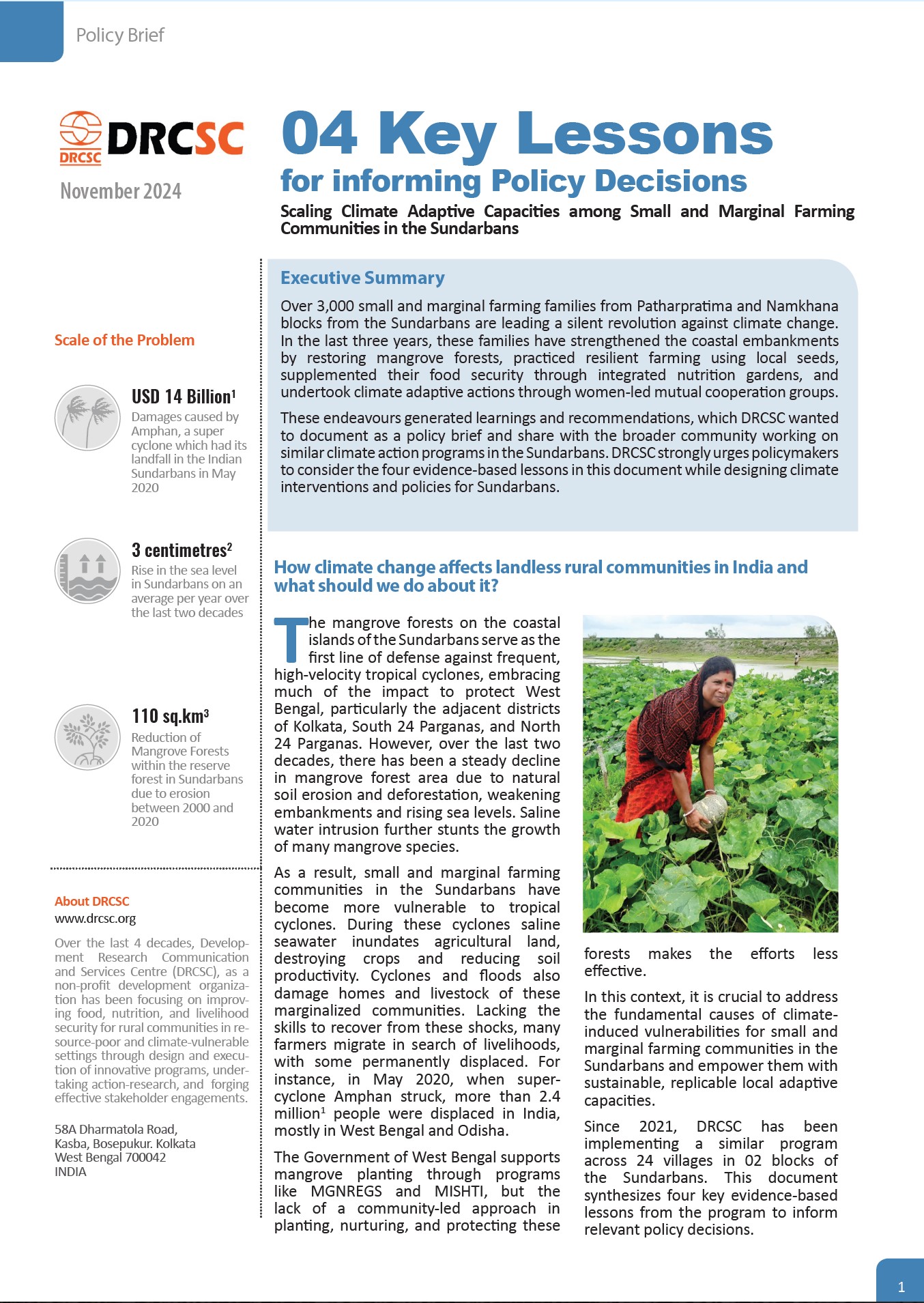
Four Key Lessons for Policy Consideration: Scaling Climate Adaptive Capacities among Small and Marginal Farming Communities in the Sundarbans
Download Full Report
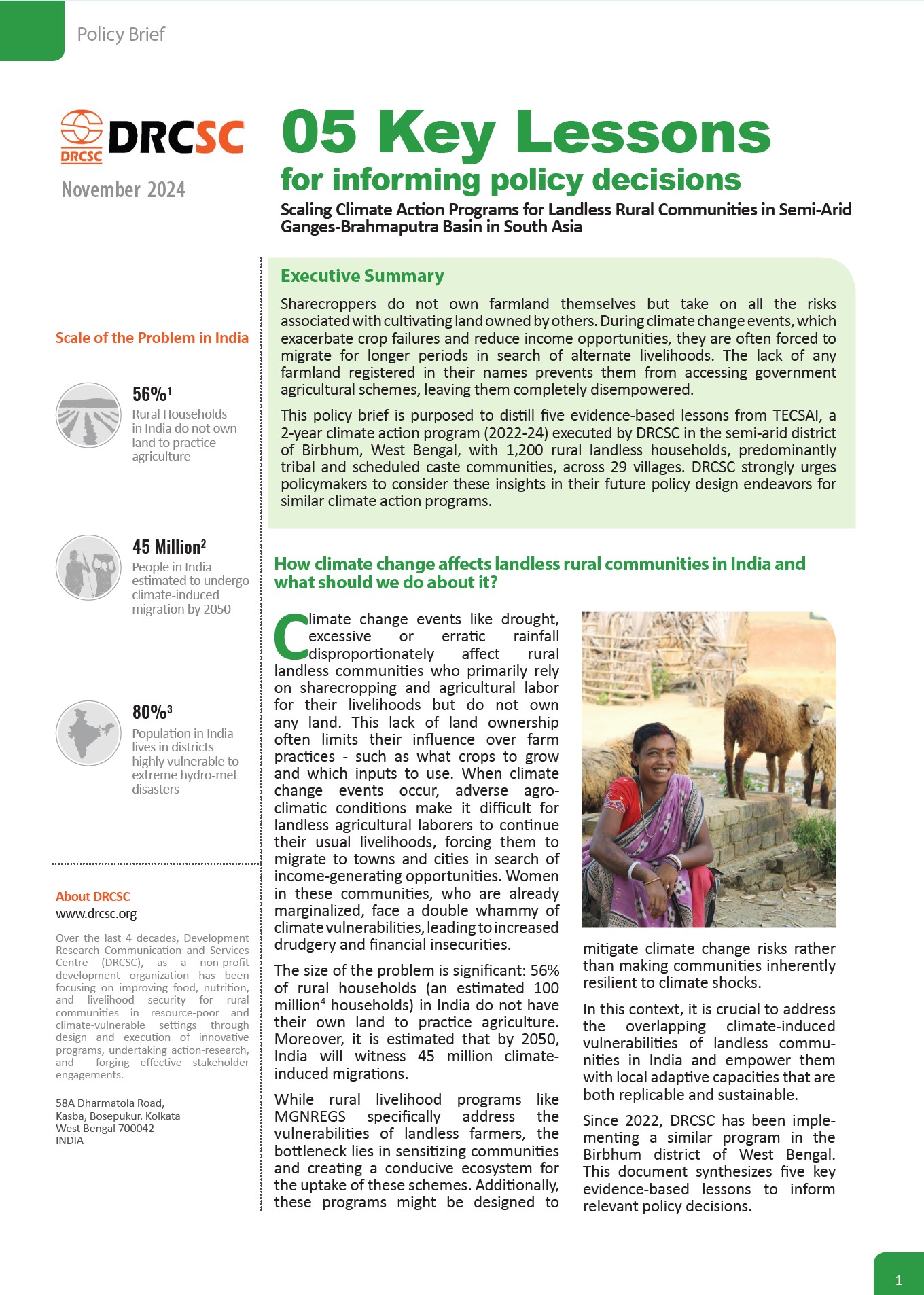
Five Key Lessons for Policy Consideration: Scaling Climate Action Programs for Landless Rural Communities in Semi-Arid Ganges-Brahmaputra Basin in South Asia
Download Full Report
View Blog Posts
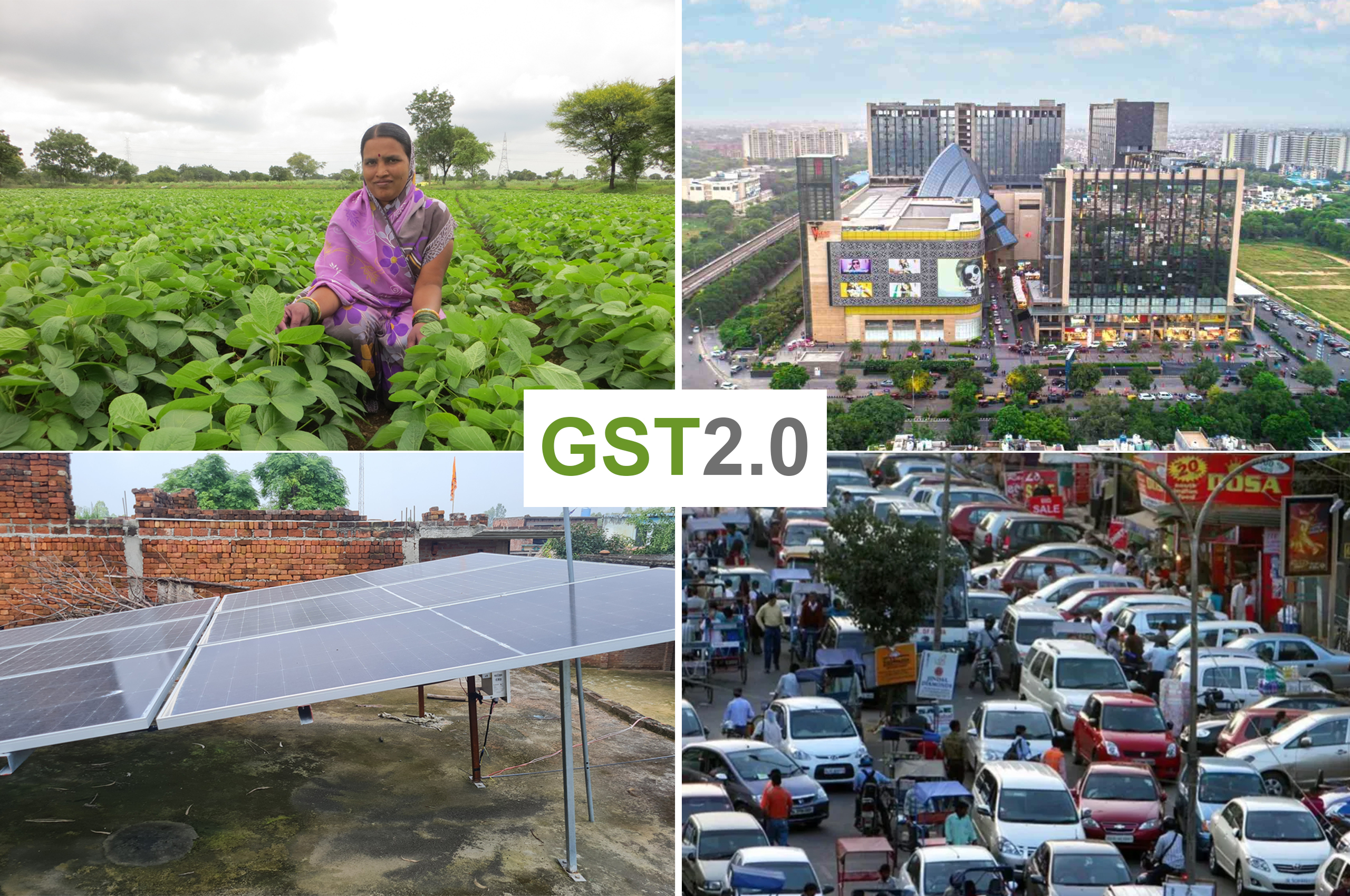
GST 2.0 and Tax Cuts: Can They Make Growth Fairer and Greener?
India's latest GST reform, being termed as GST 2.0, is more than just slashing rates. By simplifying the tax structure, cutting levies on essentials, and supporting renewable infrastructure, it's open..
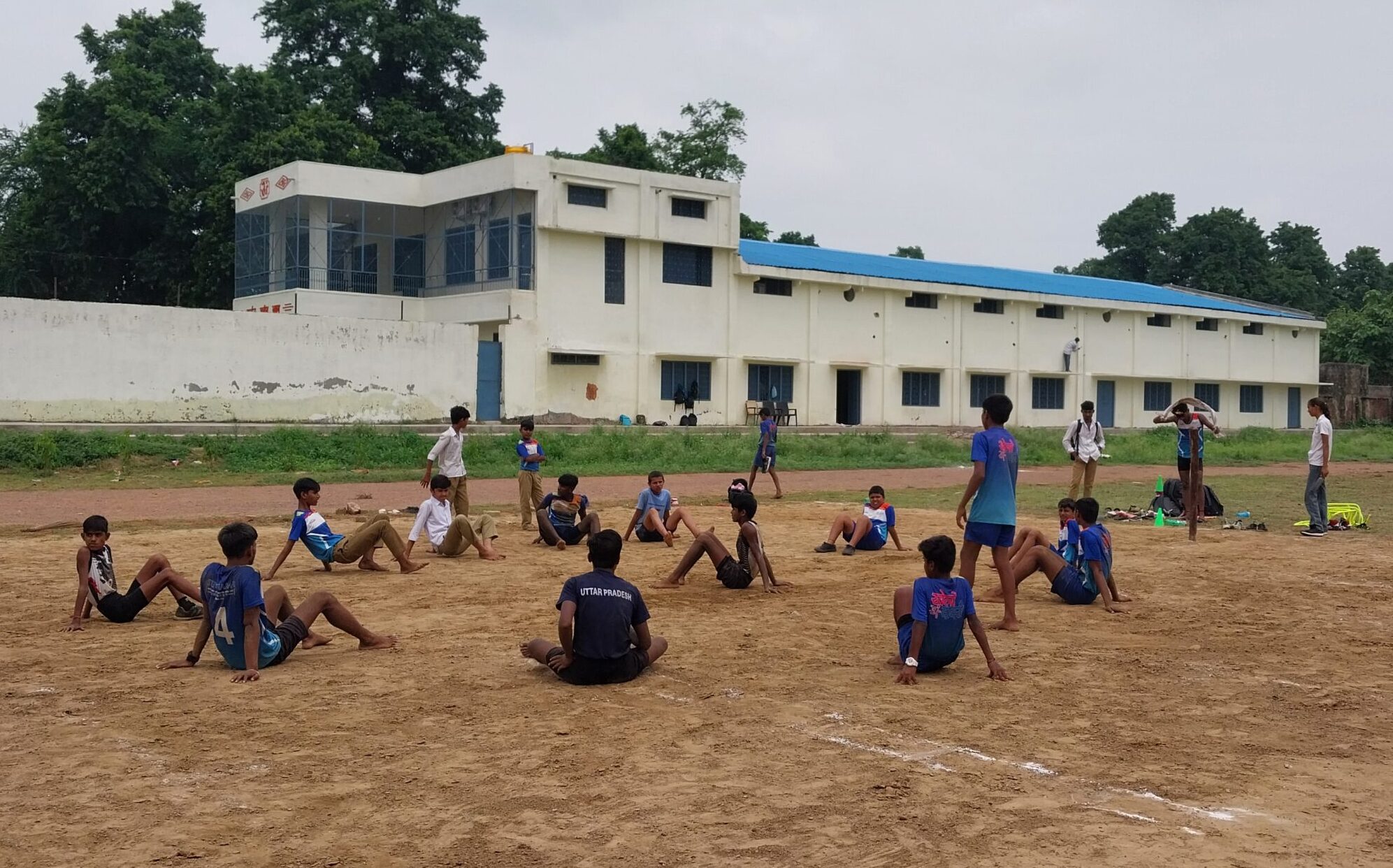
Reimagining Sports in CSR: From Tokenism to a Vehicle for Multiplying Impact
In 2023–24, Indian companies spent about ₹1,396 crore of their CSR budgets on sports — just 4% of the total ₹34,909 crore Indian corporates spent on CSR that year. Most of the rest went to edu..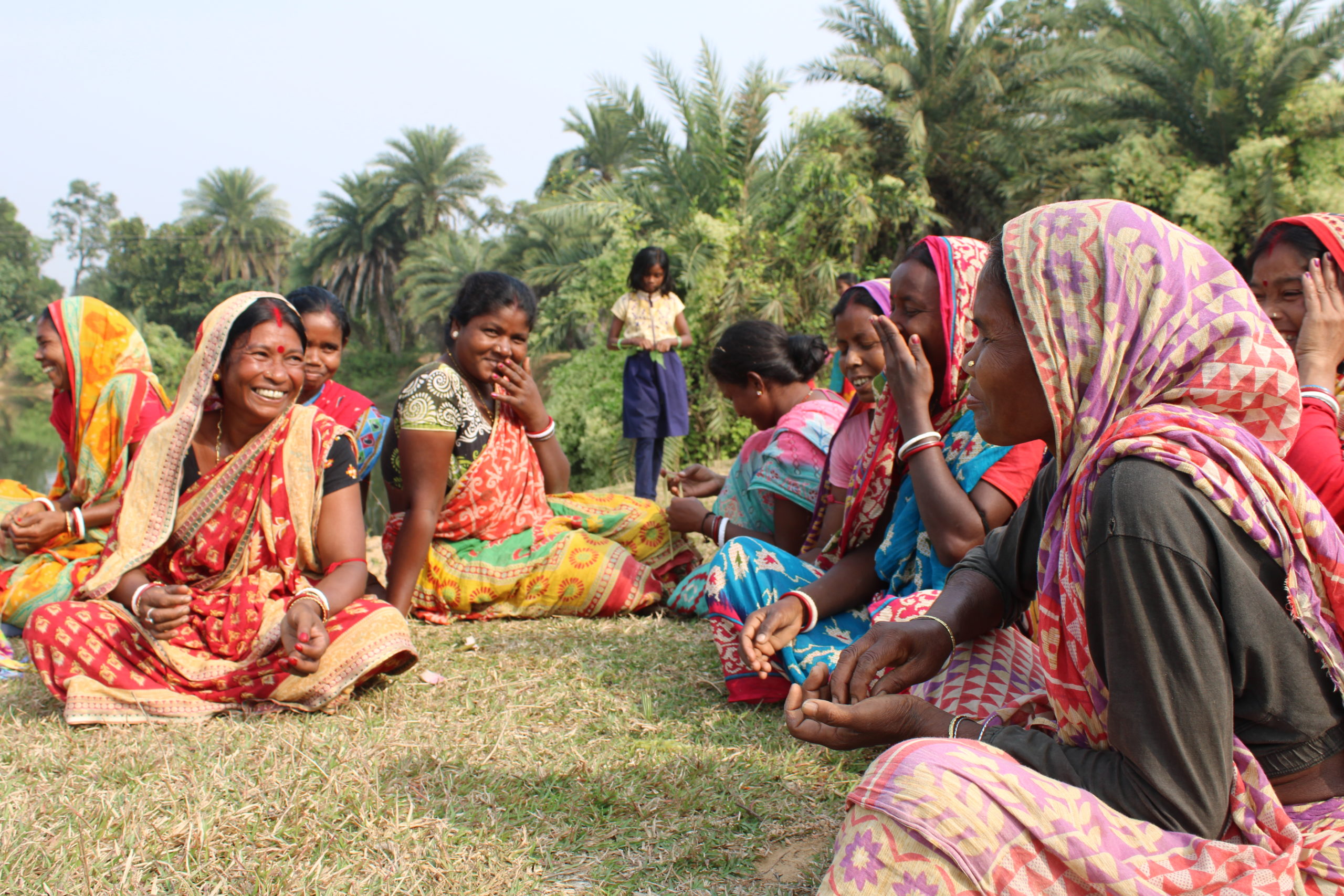
Interactive SHG Map of India: 7.5 million Women Self Help Groups are spread across 27 States and 6 UTs in India
Under the National Rural Livelihood Mission (NRLM), India has 7.5 million Women Self Help Groups (SHGs) spread across 27 states and 6 Union Territories. Each of these small, self-governed, and peer-co..