
Recent Developments,
Key Innovations, and
Insightful Reports
Your One Stop Platform for Regular Sector Updates
Sector news
View By Category
Categories
- See all
- Agriculture
- Clean Cookstoves
- Clean Energy
- Climate Action
- Digital Technology
- Education
- Financial Services
- General
- Healthcare
- Hygiene
- Impact Investment
- Inclusive Value Chains
- Livelihoods
- Livestock
- Lower Income Consumers
- Marketing, Distribution and Sales for BoP
- Nutrition
- Sanitation
- Water
- Women Empowerment


September 21, 2012
Bank of India to finance solar power systems to curb blackouts
Bank of India has signed an MoU with Gautam Polymers’ Solid Solar unit to finance lanterns and solar rooftop panels for residential and commercial customers. Read more here.
September 21, 2012
Stanford researchers awarded US$2.2 million
For new and promising research in the field of clean technology and energy efficiency, a total of nine faculty seed grants worth US$2.2 million will be given to PIE (Precourt Institute of Energy), TomKat Centre for Sustainable Energy and PEEC (Precourt Energy Efficiency Centre). Read more here.
September 21, 2012
Latin American solar market shows big potential
The Latin America solar industry is set to flourish because of high costs of traditionally sourced electricity, a rising middle class and ample sunlight. Read more here.
September 21, 2012
India’s solar renewable credit market expected to flourish
As many as 480 million solar RECs (renewable energy credits) are expected to be traded in India by 2016, according to data released by Bridge to India, a solar market consultant in New Delhi, India. Read more here.
September 21, 2012
Japan emerged as the third largest solar power market in 2011
According to recently published data, Japan emerged as the third largest solar power market following efforts to make Japan more independent of nuclear power. Read more insights from the report’s analysis here.
September 21, 2012
India: Uttar Pradesh to replicate Gujarat’s solar policies to address power-availability woes
The Indian state of Uttar Pradesh is looking to surpass Gujarat, which was one of the first adopters of solar power in the country by using its 74,000 km long canal network. Read more here.
September 21, 2012
Tanzania’s largest solar power project moves forward
Tanzania’s largest solar power project so far is set to roll, as the 2000 solar panels required for it have been received. This power project will be supplying electricity to about 135,000 people in the Kigoma region of Tanzania. Read more here.
September 21, 2012
Third generation solar cells
Third generation solar technologies, of the like of dye sensitized solar cells are said to be making solar a popular energy option worldwide, encouraging wider uptake, given lower costs, added functionality and higher levels of efficiency. Read more here.
September 21, 2012
India: 28,000 solar lanterns to be distributed to the rural poor
The Agency for Non-Conventional Energy and Rural Technology (ANERT) will soon be launching an initiative in Tamil Nadu, wherein they will be distributing as many as 28000 solar lanterns to the rural poor at subsidized rates. Read more here.
Get The Latest From The Social Sector In Your Inbox

Subscribe to our newsletter
View Our Publications
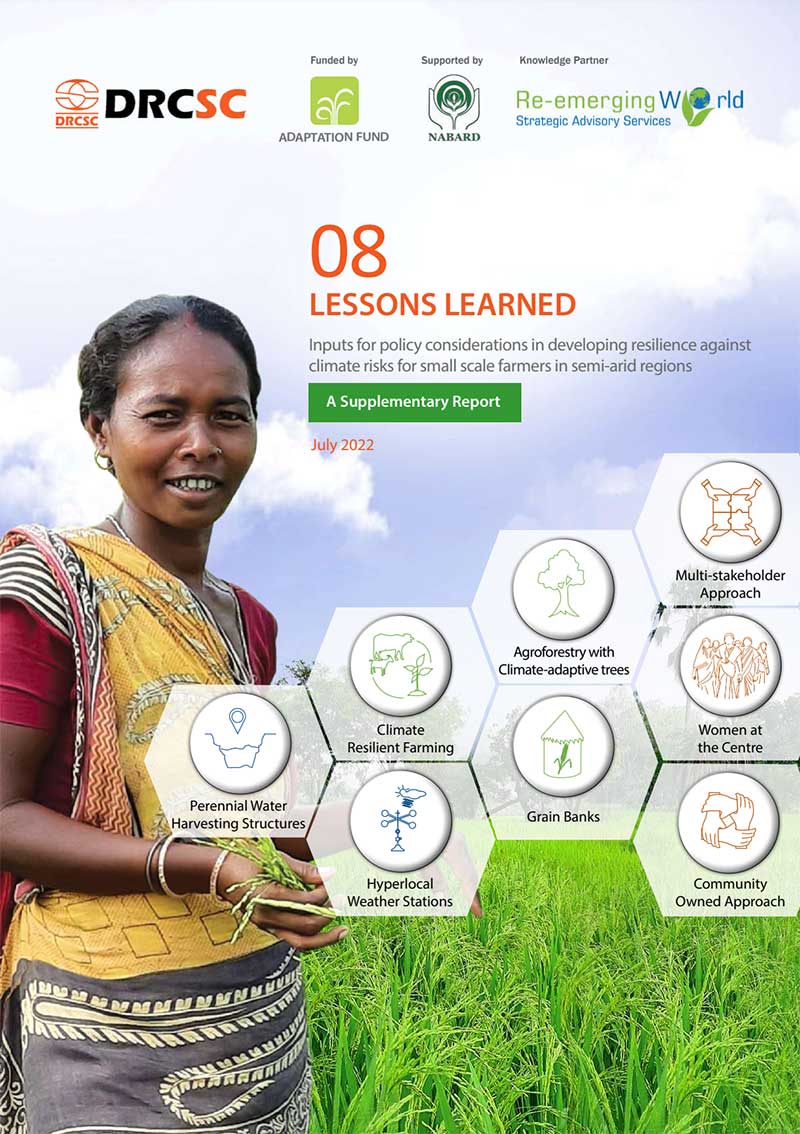
Eight Lessons Learned: Inputs for policy considerations in developing resilience against climate risks for small scale farmers in semi-arid regions, full report
Download Full Report
View Blog Posts
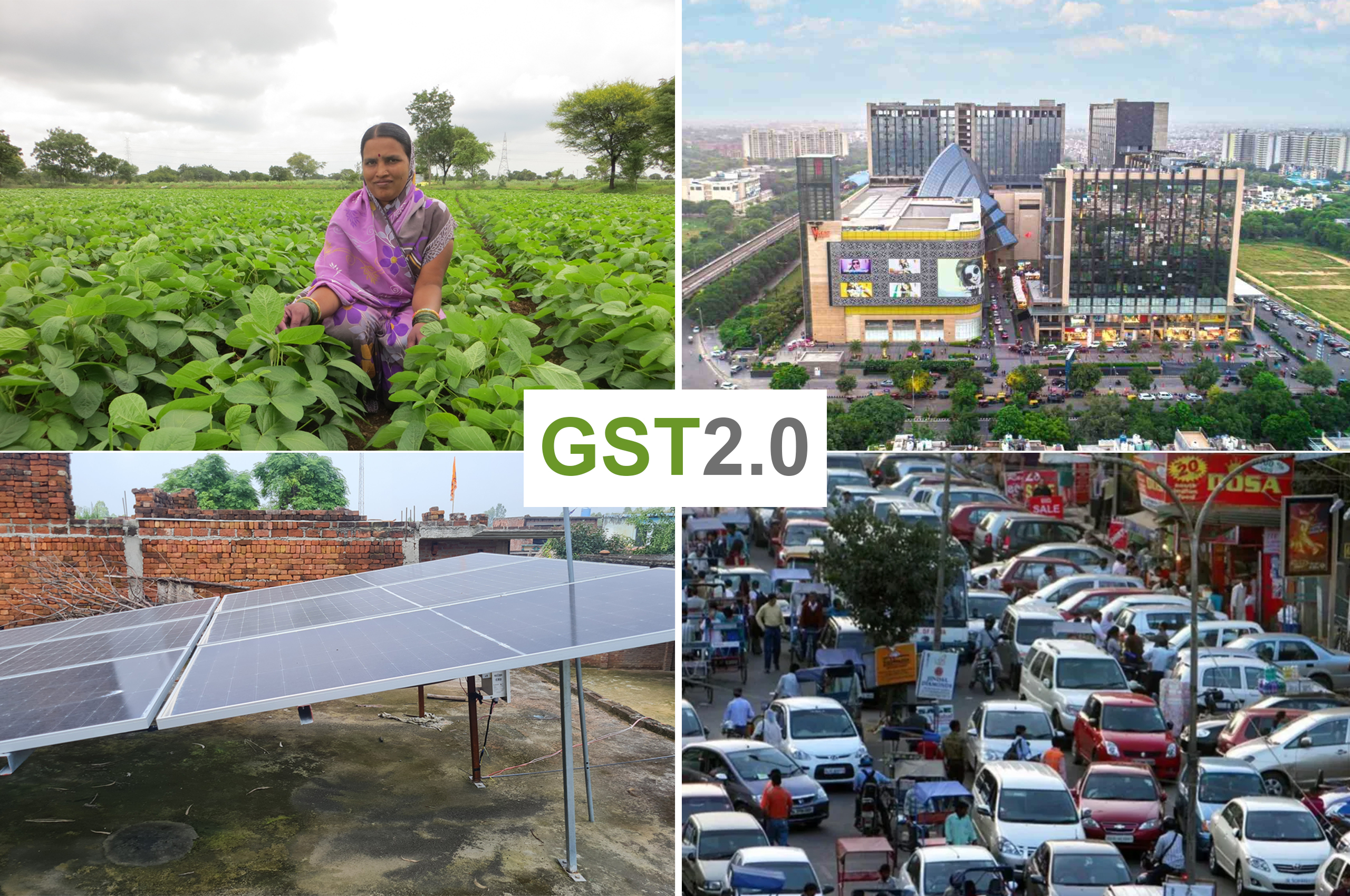
GST 2.0 and Tax Cuts: Can They Make Growth Fairer and Greener?
India's latest GST reform, being termed as GST 2.0, is more than just slashing rates. By simplifying the tax structure, cutting levies on essentials, and supporting renewable infrastructure, it's open..
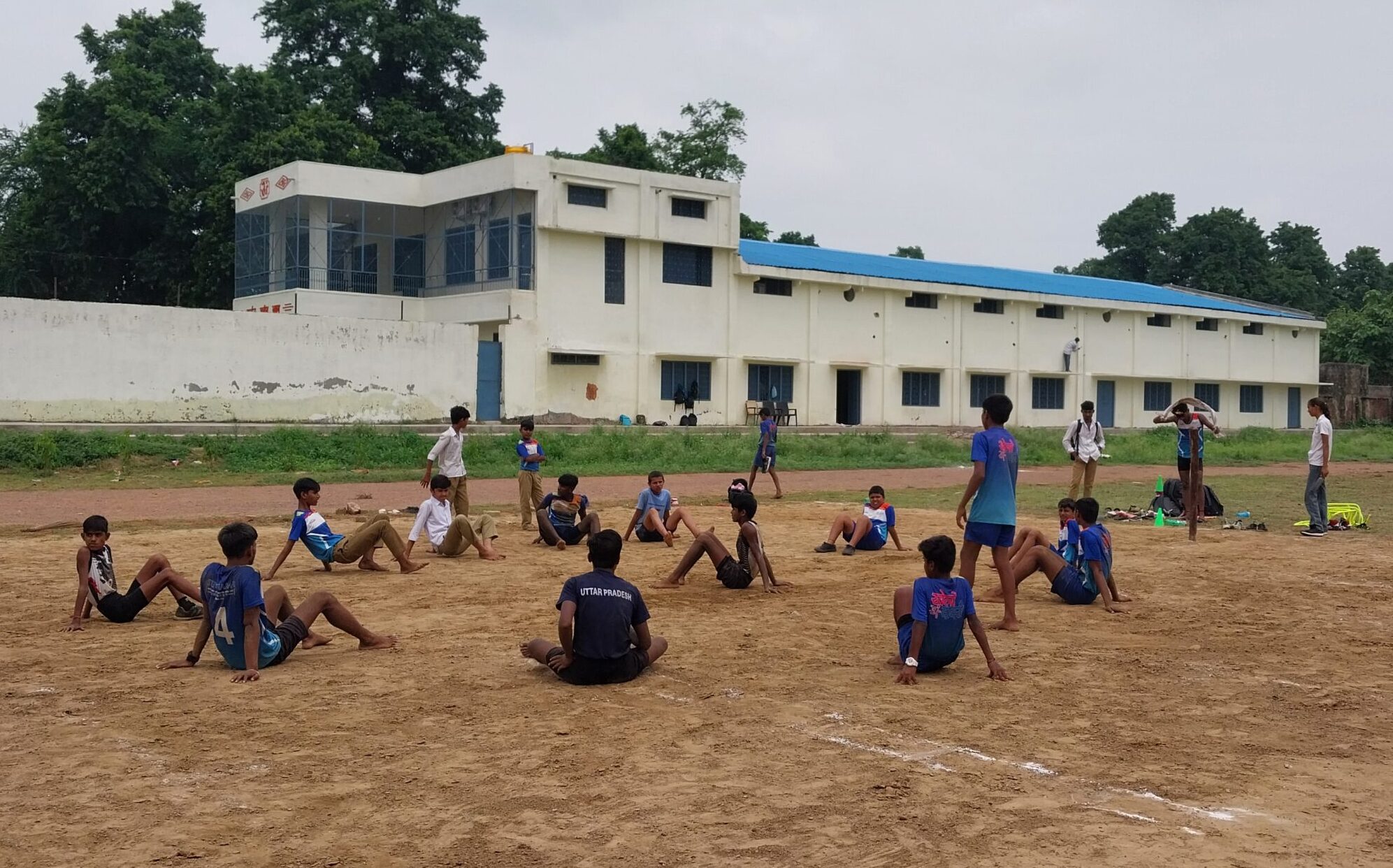
Reimagining Sports in CSR: From Tokenism to a Vehicle for Multiplying Impact
In 2023–24, Indian companies spent about ₹1,396 crore of their CSR budgets on sports — just 4% of the total ₹34,909 crore Indian corporates spent on CSR that year. Most of the rest went to edu..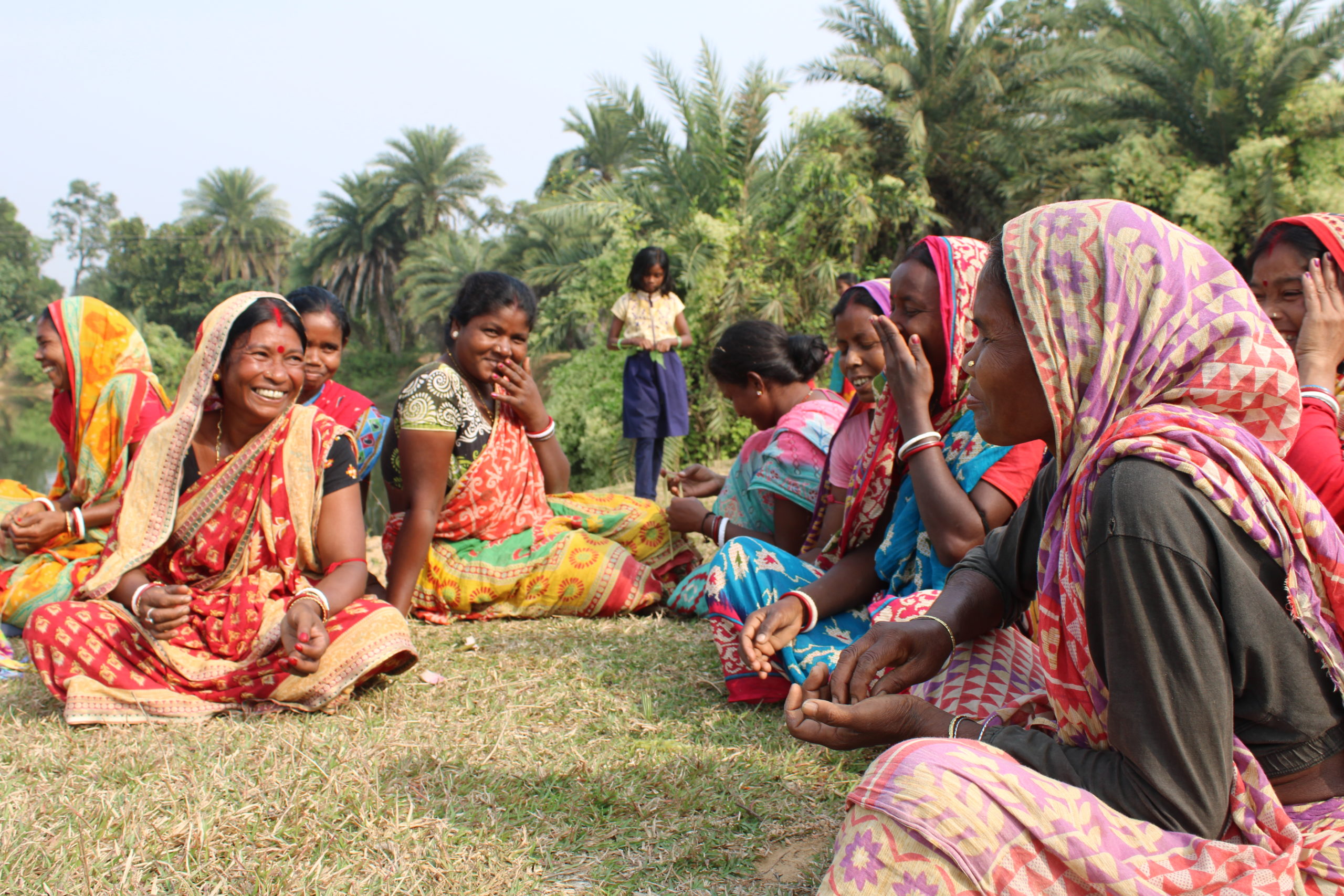
Interactive SHG Map of India: 7.5 million Women Self Help Groups are spread across 27 States and 6 UTs in India
Under the National Rural Livelihood Mission (NRLM), India has 7.5 million Women Self Help Groups (SHGs) spread across 27 states and 6 Union Territories. Each of these small, self-governed, and peer-co..