
Recent Developments,
Key Innovations, and
Insightful Reports
Your One Stop Platform for Regular Sector Updates
Sector news
View By Category
Categories
- See all
- Agriculture
- Clean Cookstoves
- Clean Energy
- Climate Action
- Digital Technology
- Education
- Financial Services
- General
- Healthcare
- Hygiene
- Impact Investment
- Inclusive Value Chains
- Livelihoods
- Livestock
- Lower Income Consumers
- Marketing, Distribution and Sales for BoP
- Nutrition
- Sanitation
- Water
- Women Empowerment


September 21, 2012
Food for thought: What Malthus said
Even as Brazil and Australia produce more food than they did when Thomas Robert Malthus was around, it is not going to be enough to feed a world that grows in the number of its inhabitants and grows hungrier still. This post talks about how there should be an inherent […]
September 21, 2012
Africa urged to step up its food production
More than 300 million people in SSA (sub-Saharan Africa) are at risk of starvation by 2050 if food production is not significantly scaled up soon. According to experts attending a workshop in Nairobi, this could be prevented, should the correct policies be framed and adopted. Read more here.
September 21, 2012
The ethics of food speculation
While trading on food commodities is different from gambling on a fundamental level, it is not necessarily free of evil. It has in the past led to upward motion of food prices, both in the developing as well as developed nations. Read more here.
September 21, 2012
Bangladesh: Discriminatory family laws make women poor and food insecure
Bangladesh, which has a number of laws and regulations to control female food insecurity and poverty, has so far neglected its discriminatory family laws, according to this post. Bangladeshi family laws regarding marriage and divorce by design expose more women and their children to homelessness, hunger and poverty. Read more […]
September 21, 2012
West Africa: Close to losing crops to floods
While a good amount of rainfall was being expected to encourage the rice production in the area, severe rainfalls bordering on floods stand to destroy 80,000 tonnes of rice. Food aid funds have already rolled in from the EU. Read more here.
September 21, 2012
South Africa: Limpopo most food secure province
In South Africa, the Limpopo province has emerged as the most food secure in the country, providing more than 86 per cent of its people enough to eat. Read more here.
September 21, 2012
Help for the poor food importing countries
High cereal prices are responsible for high import bills for countries. However, this goes for the poor countries which do not have enough productivity to feed themselves as well. Based on a new study there are now calls on the WTP (World Trade Organization) to exempt poor countries from the […]
September 21, 2012
Burkina Faso: Low cost steps to ensure food security
Recent rains have turned drylands of Burkina Faso in green pastures. However, rain is not always as predictable and beneficial as this year, and there is a movement to encourage the farmers to adopt low-cost techniques to boost output even in the times of low rains, to ensure food security. […]
September 21, 2012
Net Food-Importing Developing Countries – Who They Are, and Policy Options for Global Price Volatility
This report discusses how high and volatile food prices for the poor in developing countries present challenges as most of this food is actually imported due to low production capacities in-house. Read more here and read the report here.
Get The Latest From The Social Sector In Your Inbox

Subscribe to our newsletter
View Our Publications
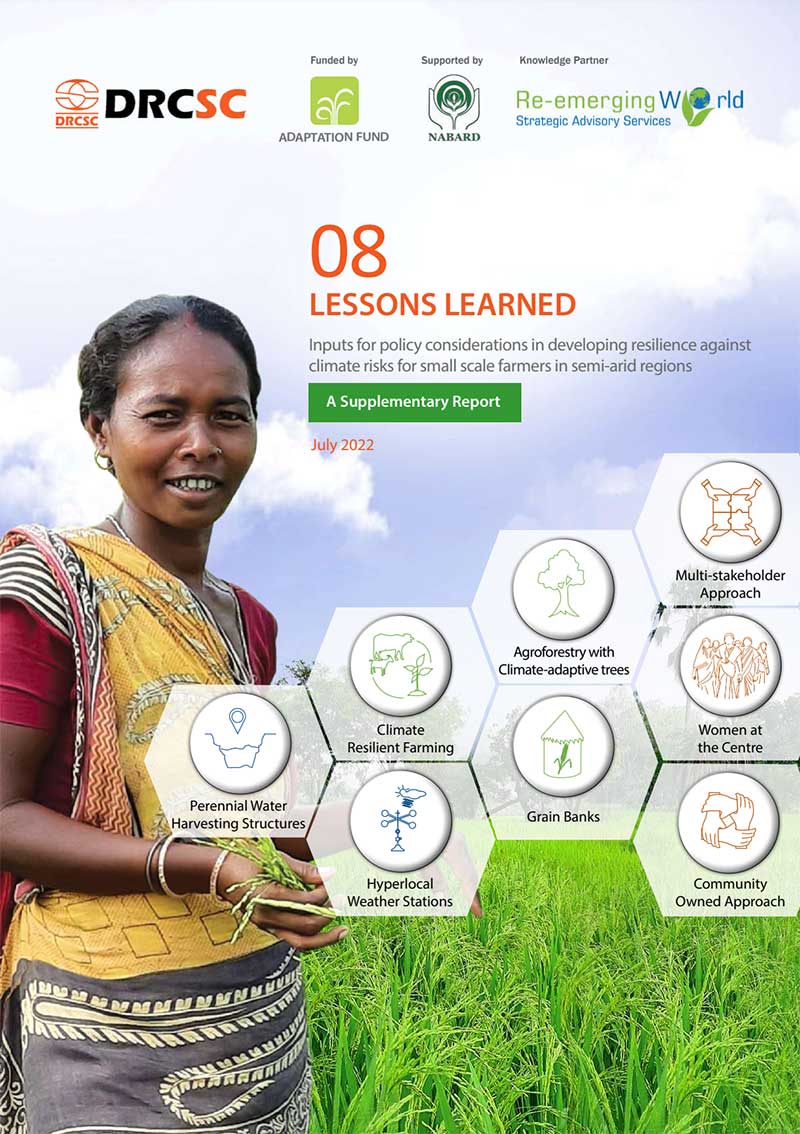
Eight Lessons Learned: Inputs for policy considerations in developing resilience against climate risks for small scale farmers in semi-arid regions, full report
Download Full Report
View Blog Posts
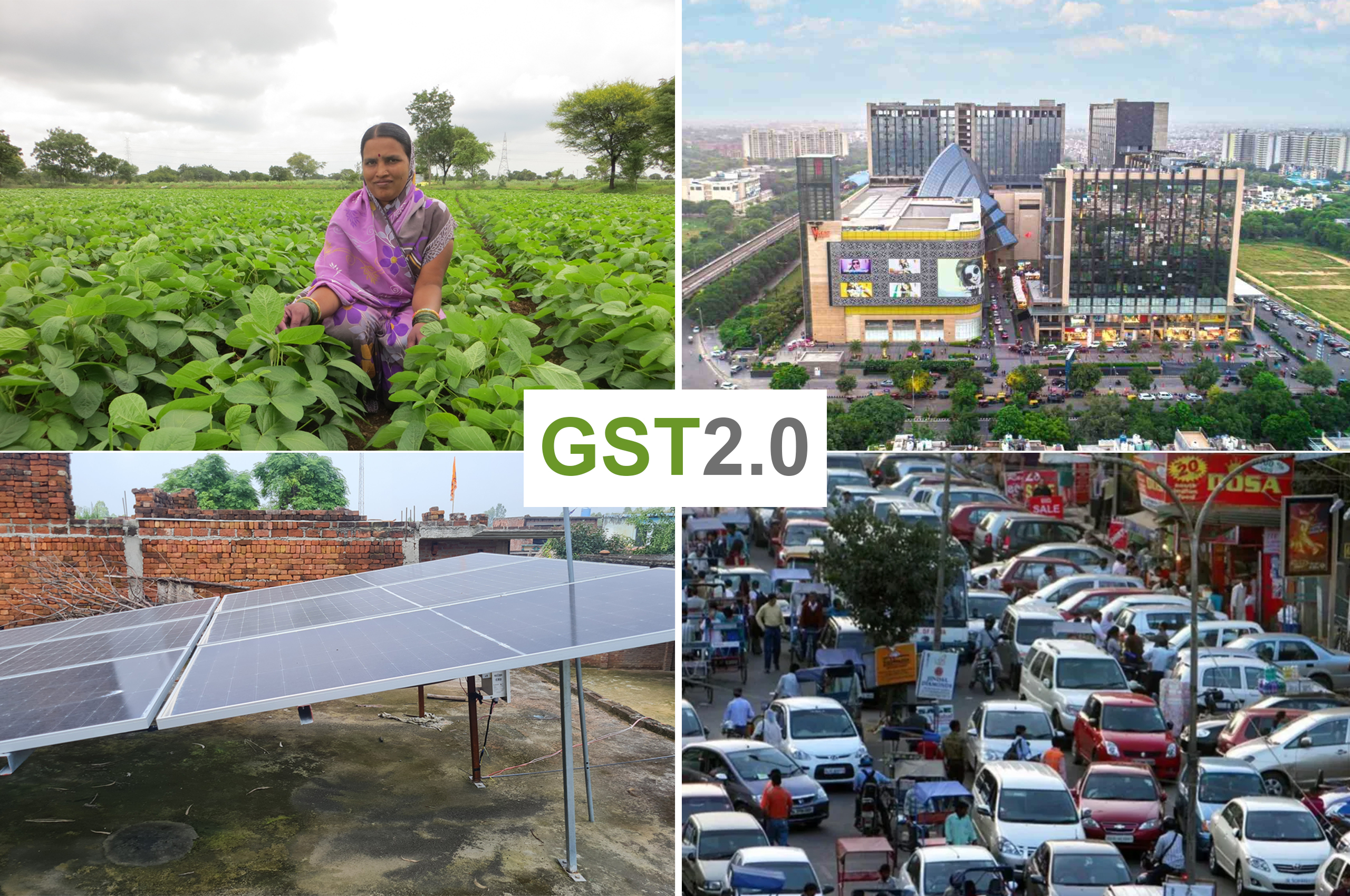
GST 2.0 and Tax Cuts: Can They Make Growth Fairer and Greener?
India's latest GST reform, being termed as GST 2.0, is more than just slashing rates. By simplifying the tax structure, cutting levies on essentials, and supporting renewable infrastructure, it's open..
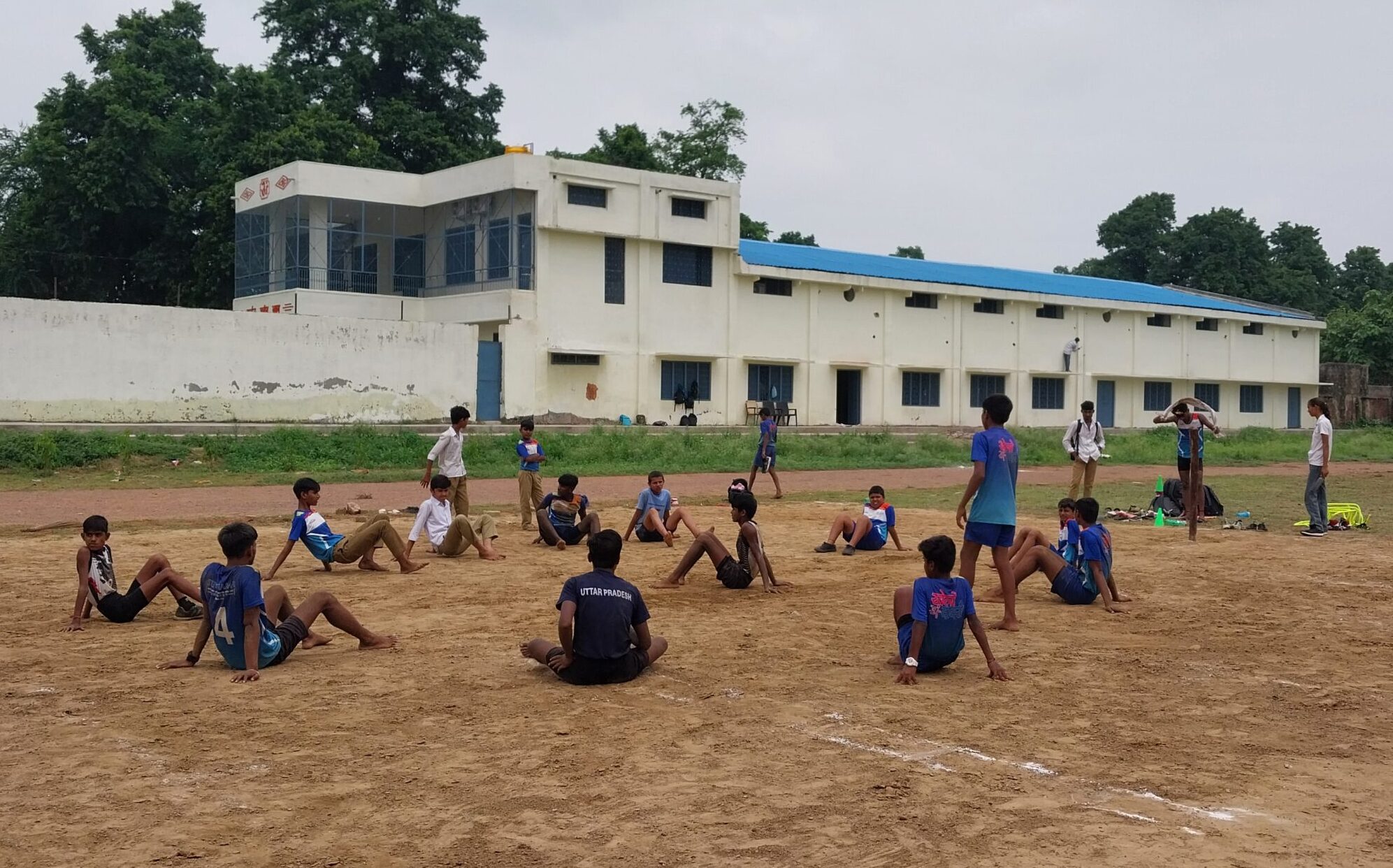
Reimagining Sports in CSR: From Tokenism to a Vehicle for Multiplying Impact
In 2023–24, Indian companies spent about ₹1,396 crore of their CSR budgets on sports — just 4% of the total ₹34,909 crore Indian corporates spent on CSR that year. Most of the rest went to edu..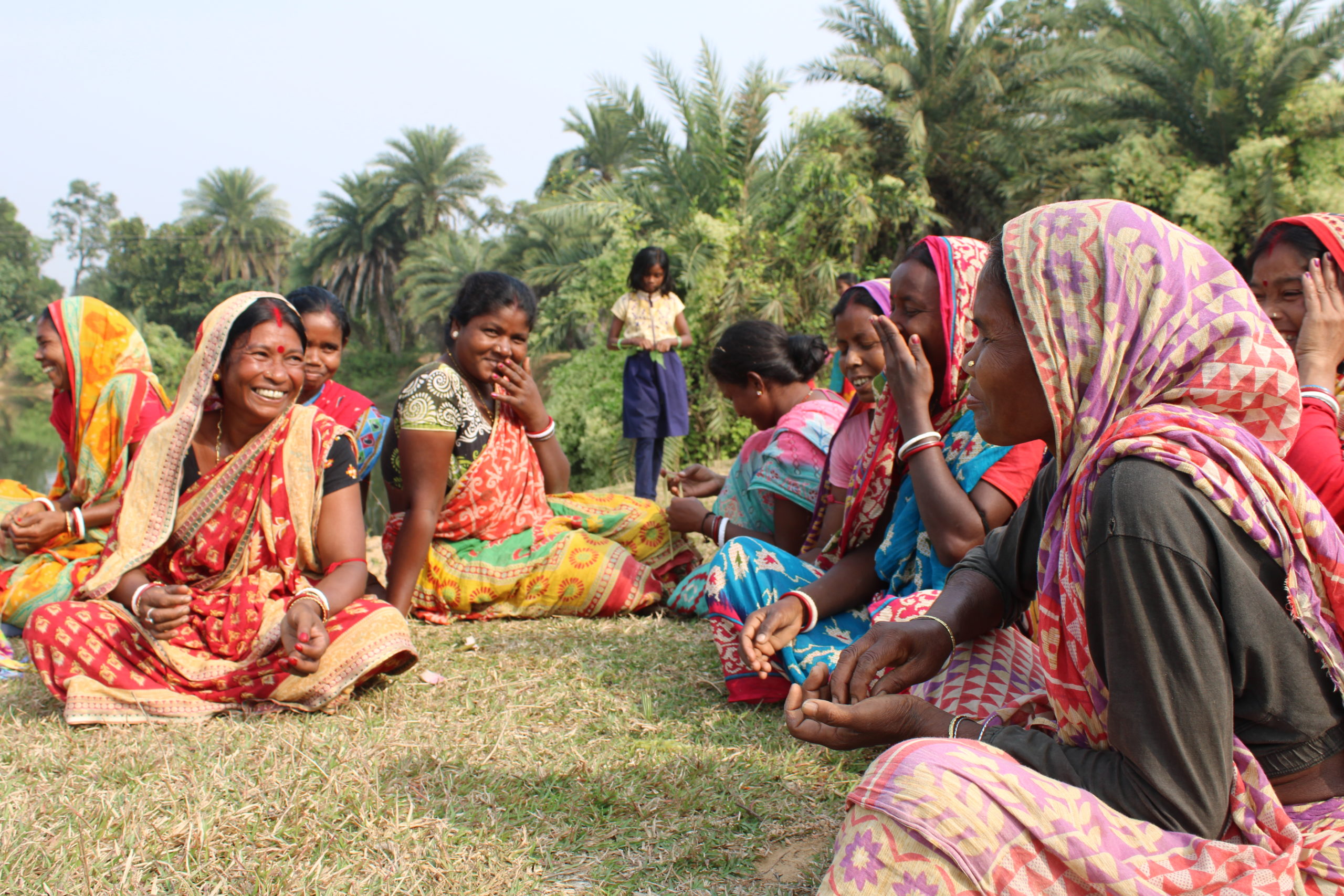
Interactive SHG Map of India: 7.5 million Women Self Help Groups are spread across 27 States and 6 UTs in India
Under the National Rural Livelihood Mission (NRLM), India has 7.5 million Women Self Help Groups (SHGs) spread across 27 states and 6 Union Territories. Each of these small, self-governed, and peer-co..