
Recent Developments,
Key Innovations, and
Insightful Reports
Your One Stop Platform for Regular Sector Updates
Sector news
View By Category
Categories
- See all
- Agriculture
- Clean Cookstoves
- Clean Energy
- Climate Action
- Digital Technology
- Education
- Financial Services
- General
- Healthcare
- Hygiene
- Impact Investment
- Inclusive Value Chains
- Livelihoods
- Livestock
- Lower Income Consumers
- Marketing, Distribution and Sales for BoP
- Nutrition
- Sanitation
- Water
- Women Empowerment


September 15, 2012
Ghana: Remote off-grid communities to benefit from solar power
The government of Ghana, as announced by Minister of Energy Dr Joe Oteng-Adjei is all set to start a pilot programme which will replace the polluting, inefficient and dangerous kerosene lamps used in the countryside with solar lanterns, on a national scale. Read more here and here.
September 15, 2012
Pakistan: Poor families to benefit from free solar panels
In an initiative by the Punjab government, about half a million poor households in the state would be getting access to electricity through free solar panels. The objective of this exercise is to progressively use more renewable sources of energy. Read more here.
September 15, 2012
India: Solar power for the urban poor in Kolkata, West Bengal
About 100 odd families from the urban poor areas north of Kolkata would be the first in the urban settings in the state to benefit from solar home lighting systems, to be provided to them by three NGOs (Non-Governmental Organizations). Read more here.
September 15, 2012
Philips: Efficient lighting could save Africa US$10 billion a year
According to research done by Royal Philips Electronics, if Africa were to switch from its inefficient and unorganized electricity system to an organized LED based lighting system, the move would save it about US$10 billion each year. Read more here.
September 15, 2012
Panasonic reveals its solar powered houses in Indonesia and Mexico
Panasonic Corporation has introduced model housing in Indonesia and Mexico that efficiently runs and manages its electricity needs using solar energy. The highlight is the fact that the house comes with a storage battery system which stores power for the days when the sun does not provide enough irradiance to […]
September 15, 2012
Solar powered LED lighting transforming the developing world
Kerosene is the primary fuel used for lighting by the two thirds in the developing world who otherwise do not have access to lighting. Every litre of this fuel produces about 3kgs of CO2, and produces just a per cent of a 100 W bulb. This post describes how solar […]
September 15, 2012
Global Alliance of Clean Cookstoves and its partners
GACC (Global Alliance of Clean Cookstoves) is the organization that spearheaded the fight against the unawareness and unavailability of clean cookstoves, the lack of which kills as many as 2 million people worldwide. Here is a visual list of its partners globally. Read more here.
September 15, 2012
India: NGO to start country’s first centre for indoor air quality research
Scientist and director of the NGO Ashilite Pollution Research Society, Bharat Dikshit has presented his findings on the awareness and attention required for indoor air quality (IAQ) and pollution to the GPCB (Gujarat Pollution Control Board) so as to achieve the purpose of starting an IAQ research centre, first of […]
September 15, 2012
Thermo-acoustic clean cookstoves
This UK based firm has a highly innovative model of cookstoves which uses a third of the wood used in traditional three stone stoves. Its thermo-acoustic technology can convert heat to sound, which is then converted into electricity. Thus, cooking will consume less wood, and also generate enough electricity which […]
Get The Latest From The Social Sector In Your Inbox

Subscribe to our newsletter
View Our Publications
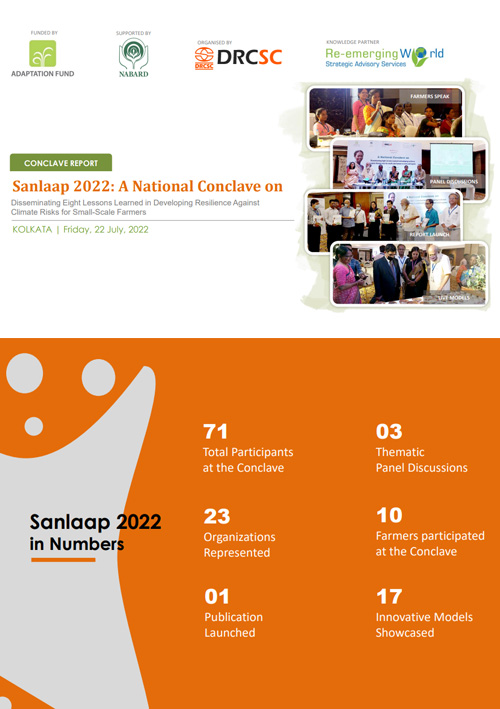
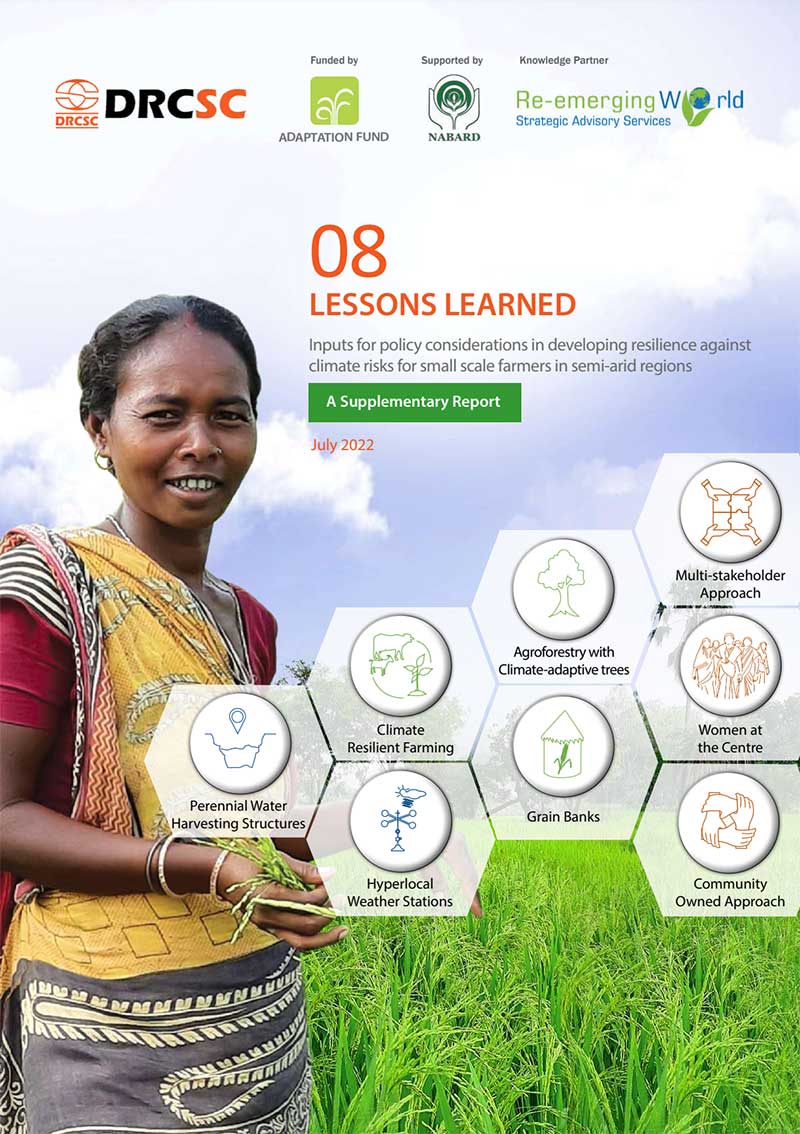
Eight Lessons Learned: Inputs for policy considerations in developing resilience against climate risks for small scale farmers in semi-arid regions, full report
Download Full Report
View Blog Posts
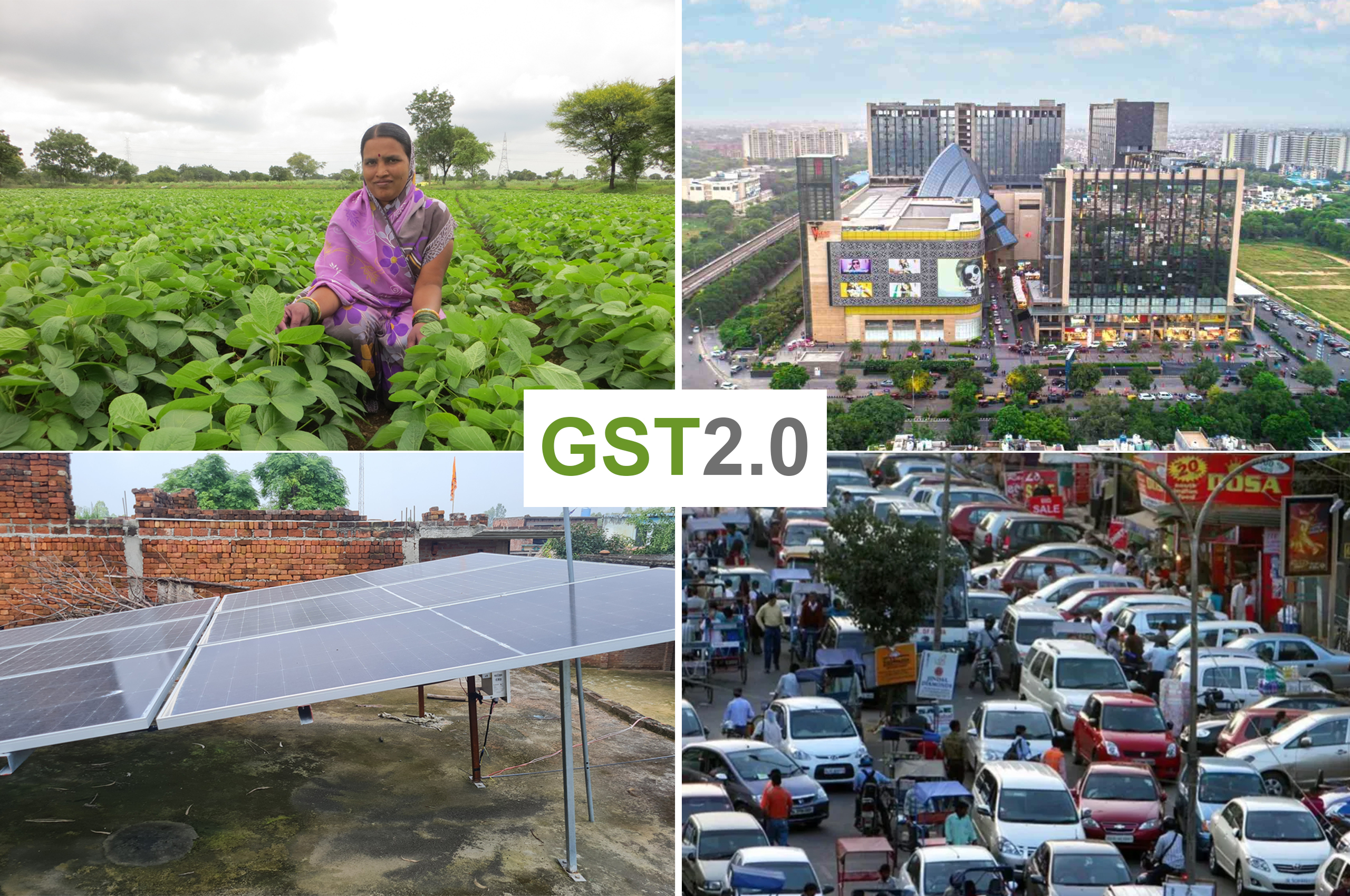
GST 2.0 and Tax Cuts: Can They Make Growth Fairer and Greener?
India's latest GST reform, being termed as GST 2.0, is more than just slashing rates. By simplifying the tax structure, cutting levies on essentials, and supporting renewable infrastructure, it's open..
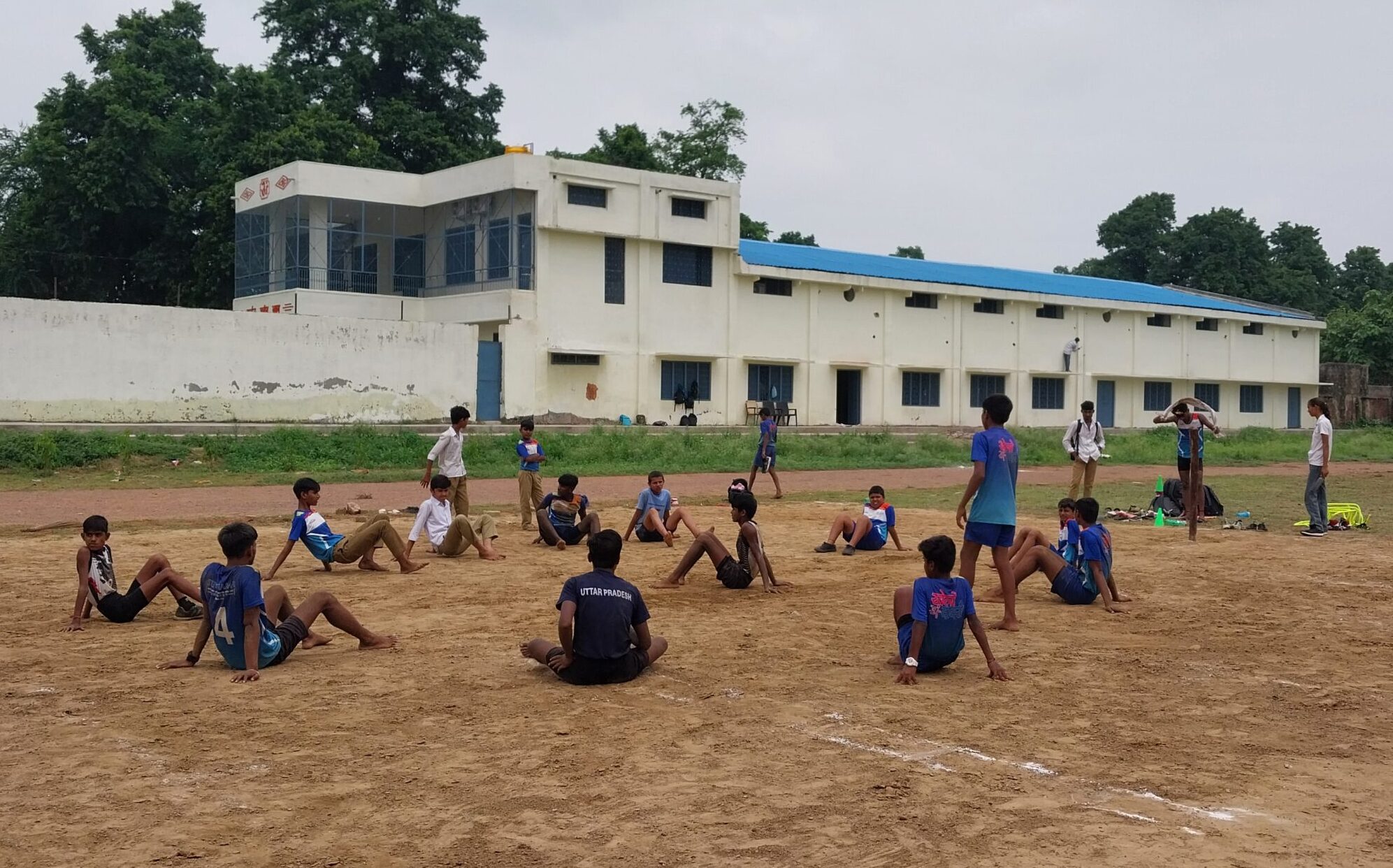
Reimagining Sports in CSR: From Tokenism to a Vehicle for Multiplying Impact
In 2023–24, Indian companies spent about ₹1,396 crore of their CSR budgets on sports — just 4% of the total ₹34,909 crore Indian corporates spent on CSR that year. Most of the rest went to edu..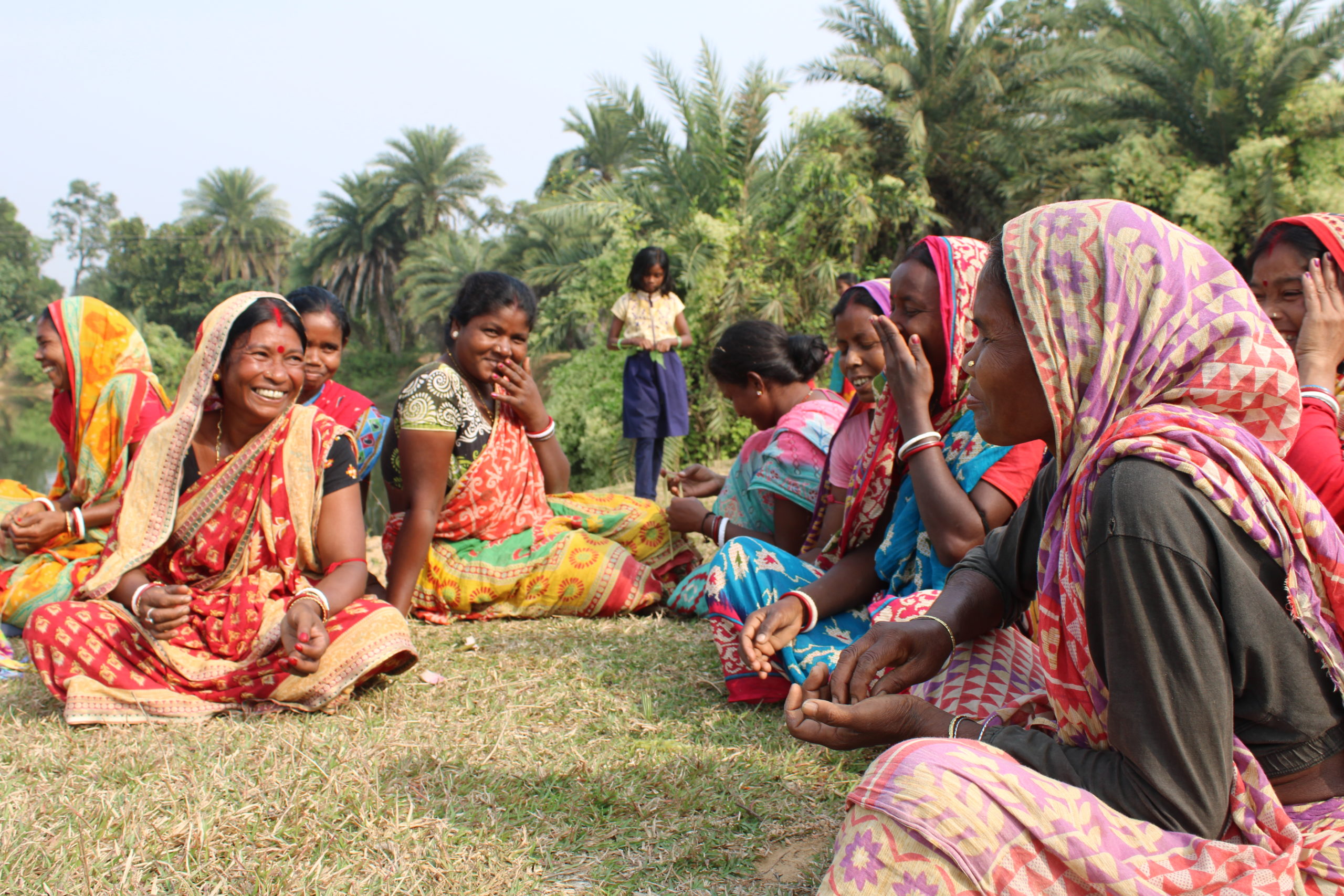
Interactive SHG Map of India: 7.5 million Women Self Help Groups are spread across 27 States and 6 UTs in India
Under the National Rural Livelihood Mission (NRLM), India has 7.5 million Women Self Help Groups (SHGs) spread across 27 states and 6 Union Territories. Each of these small, self-governed, and peer-co..