
Recent Developments,
Key Innovations, and
Insightful Reports
Your One Stop Platform for Regular Sector Updates
Sector news
View By Category
Categories
- See all
- Agriculture
- Clean Cookstoves
- Clean Energy
- Climate Action
- Digital Technology
- Education
- Financial Services
- General
- Healthcare
- Hygiene
- Impact Investment
- Inclusive Value Chains
- Livelihoods
- Livestock
- Lower Income Consumers
- Marketing, Distribution and Sales for BoP
- Nutrition
- Sanitation
- Water
- Women Empowerment


September 15, 2012
Ukabima: Helping poor people save and get insured
This social enterprise aims to leverage microinsurance and EDC (Electronic Data Capture) for regular deposit collections for the underserved and the poor people. Read more about the innovation it brings and its pilot here.
September 15, 2012
Need for microsaving in India
It is implicitly assumed that the low income earners of the world have not much to save and hence must borrow. With the downward spiral that microcredit promoting organizations have been riding, it is the need of the hour to make savers out of non-savers, believing that they indeed can […]
September 15, 2012
New investors enter as old investors exit Ujjivan microfinance
Ujjivan Microfinance company is one of the few companies to have survived the microfinance downturn of 2010, and to move on to scale and prosperity. Now, two of its investors Bellwether Microfinance Fund and MSDF (Michael and Susan Dell Foundation) will be exiting as new investors come in. Read more […]
September 15, 2012
Prospects and challenges of Islamic Microfinance
While Islamic microfinance poses challenges in terms of business motivation, without which no business would run sustainably, it also provides immense potential for development. Read more here.
September 15, 2012
Summary of client protection in Peru
This post by Centre for Financial Inclusion at Accion International attempts to be comprehensive about the client protection controls in place in Peru, one of the largest and fastest growing economies in Latin America. Read more here.
September 15, 2012
Women selling MNCs’ goods door to door – is it all that bad?
There have been recent debates about whether it is ethical or right for private MNCs (the like of Coca Cola) to leverage the rural door-to-door sales distribution network (used usually to by ‘prosocial’ products sold by social entrepreneurs) to sell wasteful products which the poor cannot afford. However, as long […]
September 15, 2012
India: MFIs cautioned against their being irresponsible
Prime Minister’s Economic Advisory Council Chairman C Rangarajan recently pointed out the irresponsible businesses nature of microfinance institutions in India and said that the firms must buck up and adopt progressive changes to their businesses so as to become more responsible lenders. Read more here.
September 15, 2012
Rwanda: Financial literacy to be promoted
The Savings Coordinator and Promotion Specialist at the Ministry of Finance of Rwanda stated that financial literacy was the precursor to financial inclusion of the poor in the country, and that more effort was required from the associated stakeholders to take financial literacy programmes across the country. Read more here.
September 15, 2012
Microfinance Investment: A Primer
MIVs (Microfinance Investment Vehicles) are now a robust pipeline for channelling funds for microfinance globally – as much as 40 per cent of investments for MFIs are achieved through this channel globally. This white paper by microfinance professional Luminis discusses the future of the sector and the alternatives and diversities […]
Get The Latest From The Social Sector In Your Inbox

Subscribe to our newsletter
View Our Publications
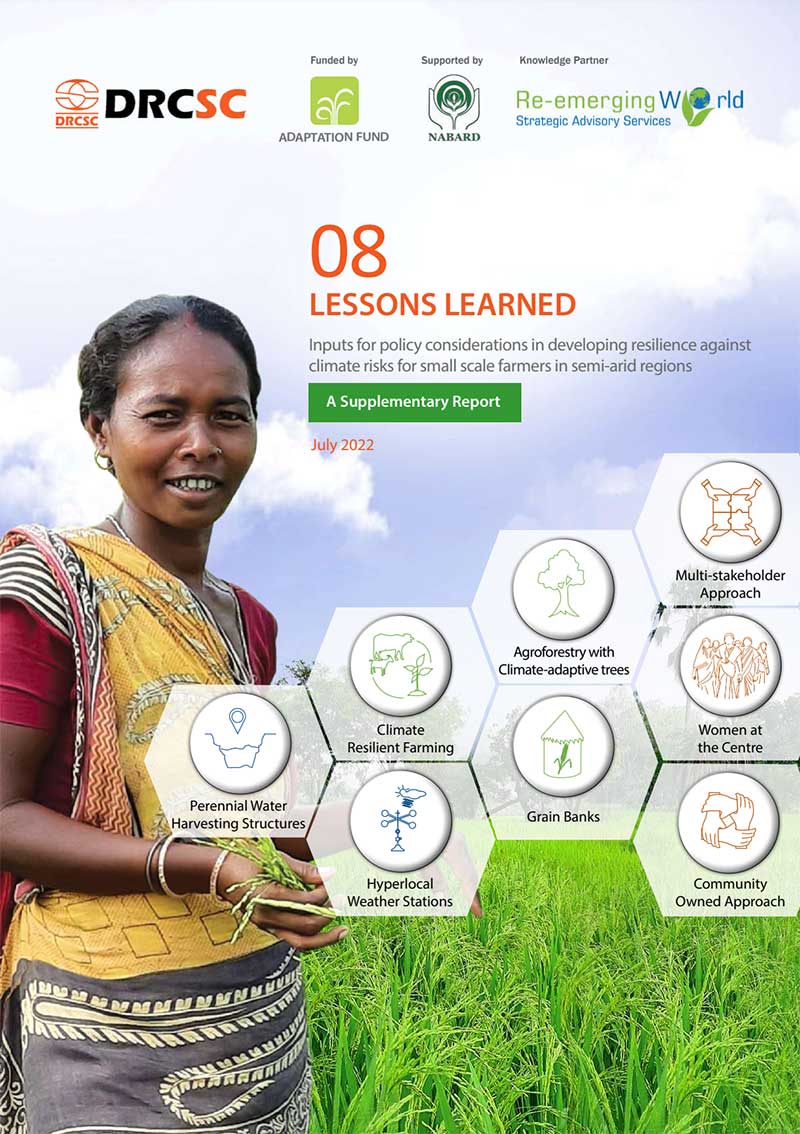
Eight Lessons Learned: Inputs for policy considerations in developing resilience against climate risks for small scale farmers in semi-arid regions, full report
Download Full Report
View Blog Posts
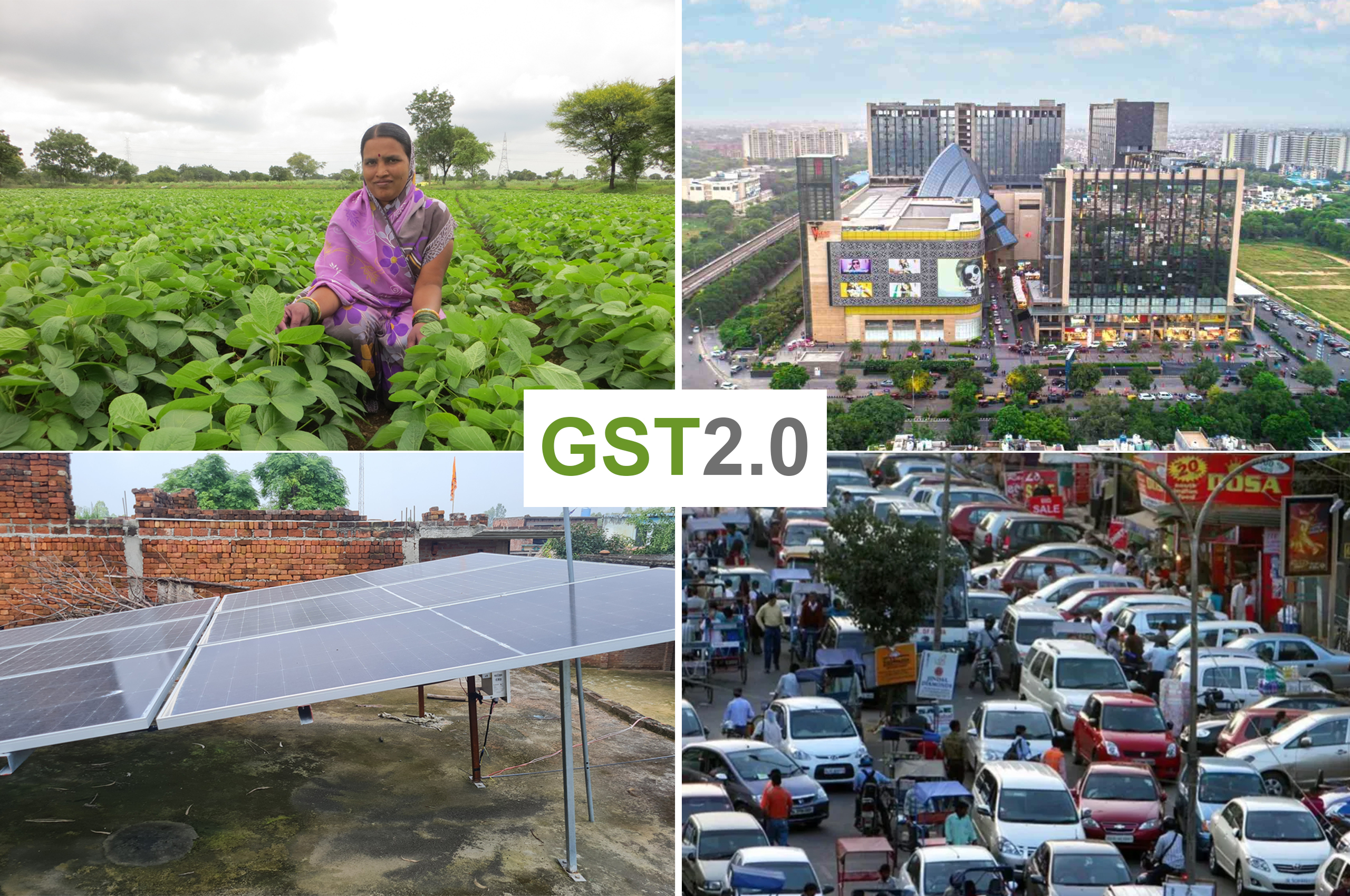
GST 2.0 and Tax Cuts: Can They Make Growth Fairer and Greener?
India's latest GST reform, being termed as GST 2.0, is more than just slashing rates. By simplifying the tax structure, cutting levies on essentials, and supporting renewable infrastructure, it's open..
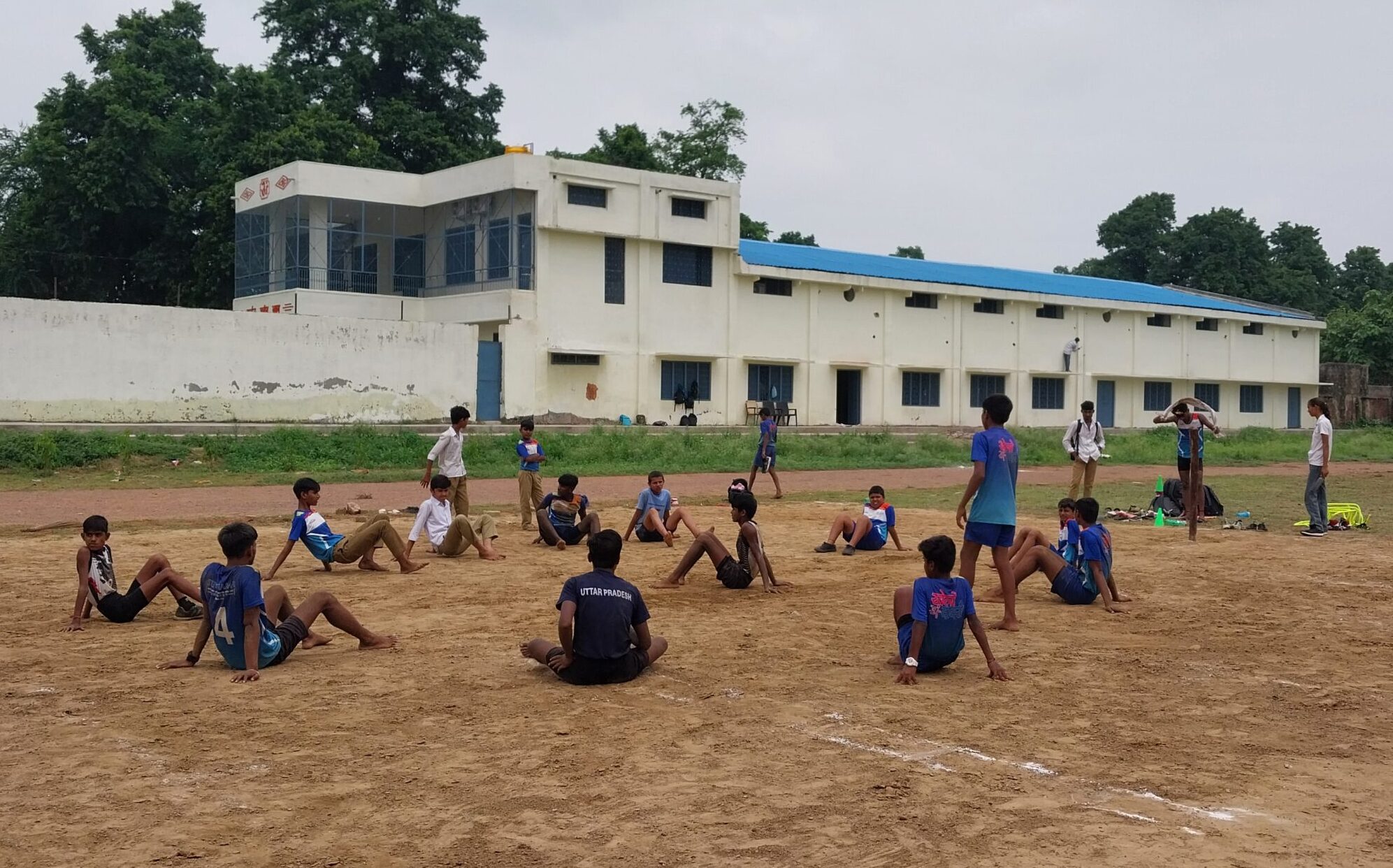
Reimagining Sports in CSR: From Tokenism to a Vehicle for Multiplying Impact
In 2023–24, Indian companies spent about ₹1,396 crore of their CSR budgets on sports — just 4% of the total ₹34,909 crore Indian corporates spent on CSR that year. Most of the rest went to edu..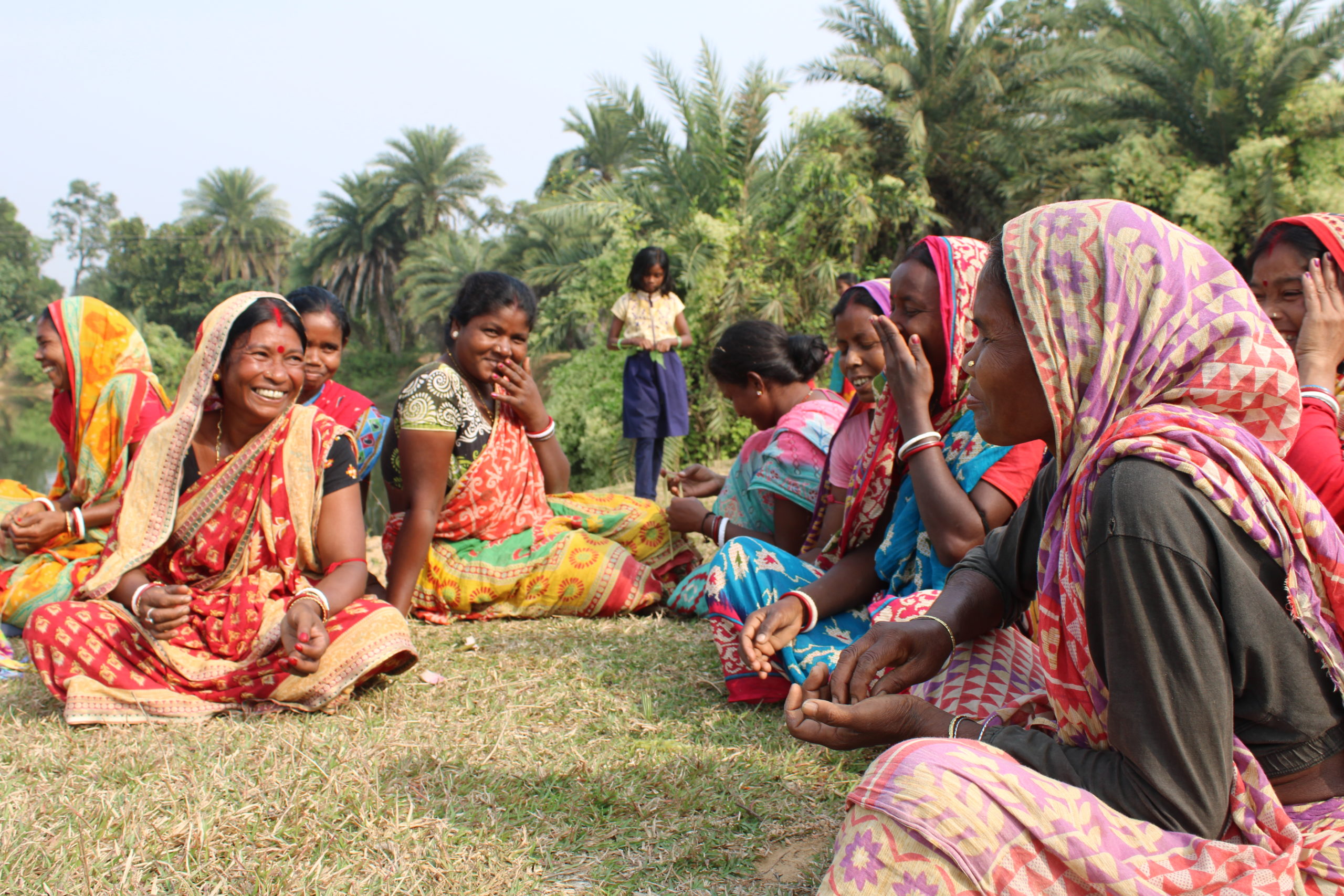
Interactive SHG Map of India: 7.5 million Women Self Help Groups are spread across 27 States and 6 UTs in India
Under the National Rural Livelihood Mission (NRLM), India has 7.5 million Women Self Help Groups (SHGs) spread across 27 states and 6 Union Territories. Each of these small, self-governed, and peer-co..