
Recent Developments,
Key Innovations, and
Insightful Reports
Your One Stop Platform for Regular Sector Updates
Sector news
View By Category
Categories
- See all
- Agriculture
- Clean Cookstoves
- Clean Energy
- Climate Action
- Digital Technology
- Education
- Financial Services
- General
- Healthcare
- Hygiene
- Impact Investment
- Inclusive Value Chains
- Livelihoods
- Livestock
- Lower Income Consumers
- Marketing, Distribution and Sales for BoP
- Nutrition
- Sanitation
- Water
- Women Empowerment


September 21, 2012
Vodacom pilots green base stations
In order to provide a small farming community in the Vleiland Valley in South Africa with mobile phone coverage, Vodacom has pilot ‘green’ base stations – stations running on solar tracking and wind power. Read more here.
September 21, 2012
Africa – Mobile Broadband, Data and Mobile Media Market
This report available with Reportlinker.com, gives an overview of the African mobile market, the companies active, and the market share and potential. Read more here, and purchase the report here.
September 15, 2012
Indian Minister wants different categories for Indian Food Security Bill
Jairam Ramesh, the Indian Minister of Rural Development wants to sidestep the categories proposed under India’s Food Security Bill. He wants to allocate 25 kilograms of rice to 75 per cent of the rural poor, and 50 per cent of the urban poor at subsidized rates. The purpose for this […]
September 15, 2012
Ghana to receive US$600 million for food security
Ghana will be receiving US$600 million from the G8’s New Alliance for Food Security and Nutrition. This new alliance will focus on leveraging private investment across Africa’s agricultural segment. Read more here.
September 15, 2012
Mali: Conflict and hunger on the rise
Conflict, violence and displacement of people has blocked their access to food and driven prices of food up, and beyond their reach in Mali. Four months of conflict has exacerbated these very conditions and situation in Mali regarding food security remains dire. Read more here.
September 15, 2012
US: 50 million Americans short of food
According to a new report by the Department of Agriculture, more than some 50 million Americans were unable to purchase food at some or the other point in 2011, and that close to 4 million households suffered from food insecurity. About 17 million Americans suffered from ‘very low food security’. […]
September 15, 2012
Poverty reduction for the women of India
Researchers have found a strong correlation between levels of poverty and lack of access to food and nutrition. While poverty is widespread in the rural parts of India, it is more gender based than random – with women being more vulnerable to poverty and hence food insecurity. Read more here.
September 15, 2012
More than 2 million Somalis still need food aid
According to data from the UN, there are still some 2.1 million Somalis that urgently require food aid as they face critical food shortage situations. In the past 6 months, the number of people in need of food has reduced by 16 per cent – from 2.5 million to 2.1 […]
September 15, 2012
India: Unrest over food security
Previous issues contained information about bags and bags of food grains rotting in the government’s storehouses as the poor got hungrier in India. A recent event shows that the people of Lucknow, in the state of Uttar Pradesh have now reacted to this as a huge crowd laid siege to […]
Get The Latest From The Social Sector In Your Inbox

Subscribe to our newsletter
View Our Publications
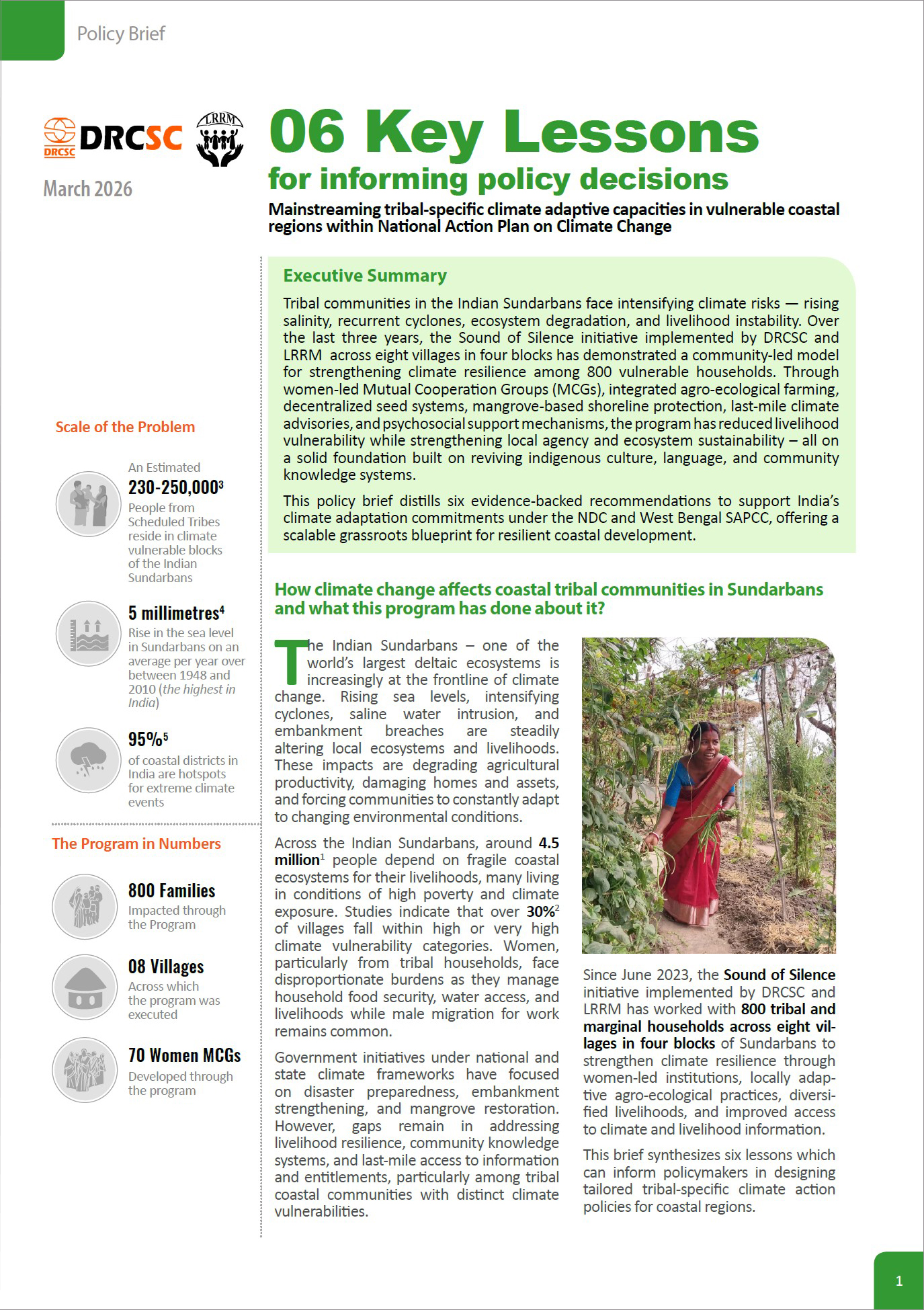
06 Key Lessons for informing policy decisions: Mainstreaming tribal-specific climate adaptive capacities in vulnerable coastal regions within National Action Plan on Climate Change
Download Full Report
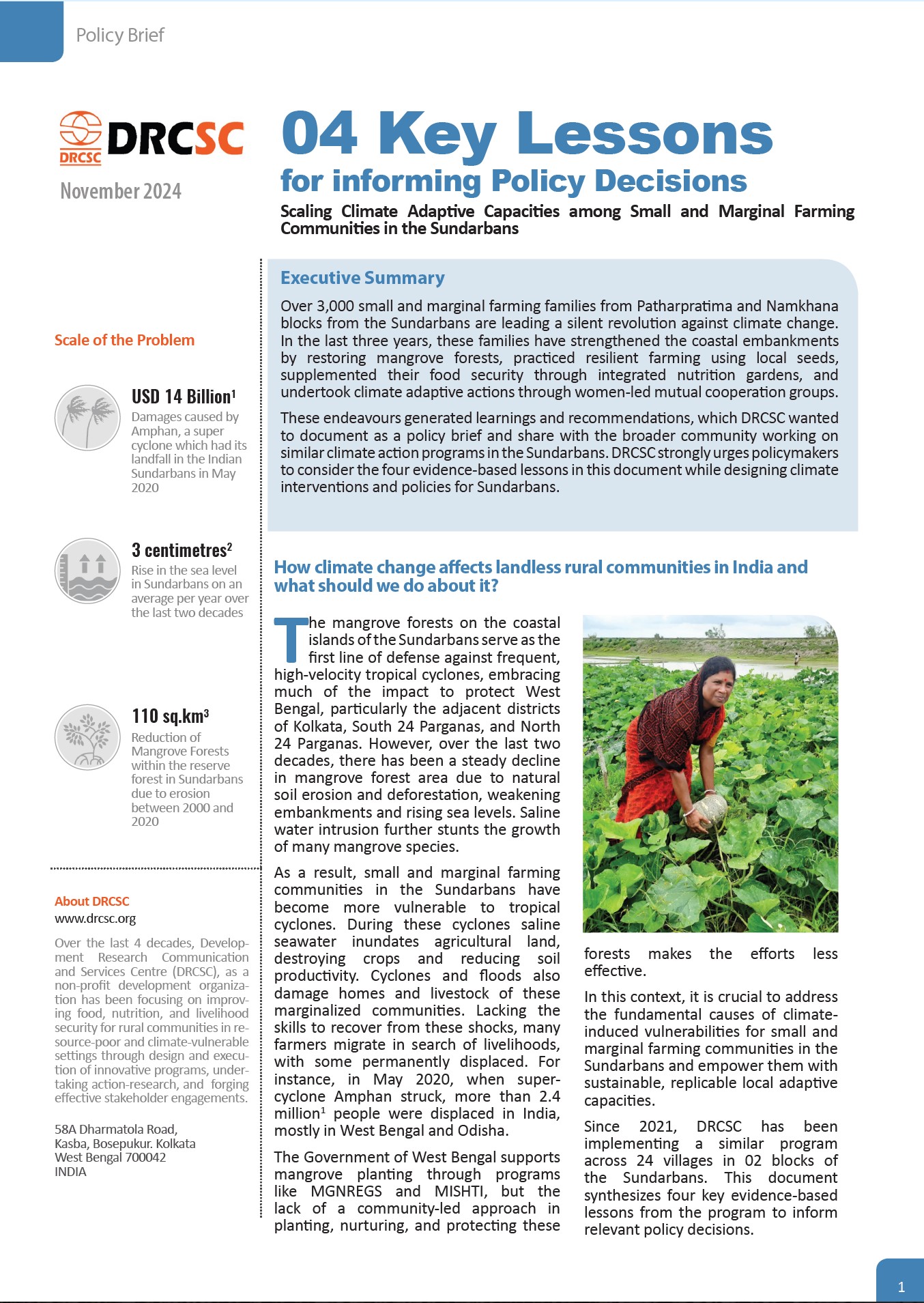
Four Key Lessons for Policy Consideration: Scaling Climate Adaptive Capacities among Small and Marginal Farming Communities in the Sundarbans
Download Full Report
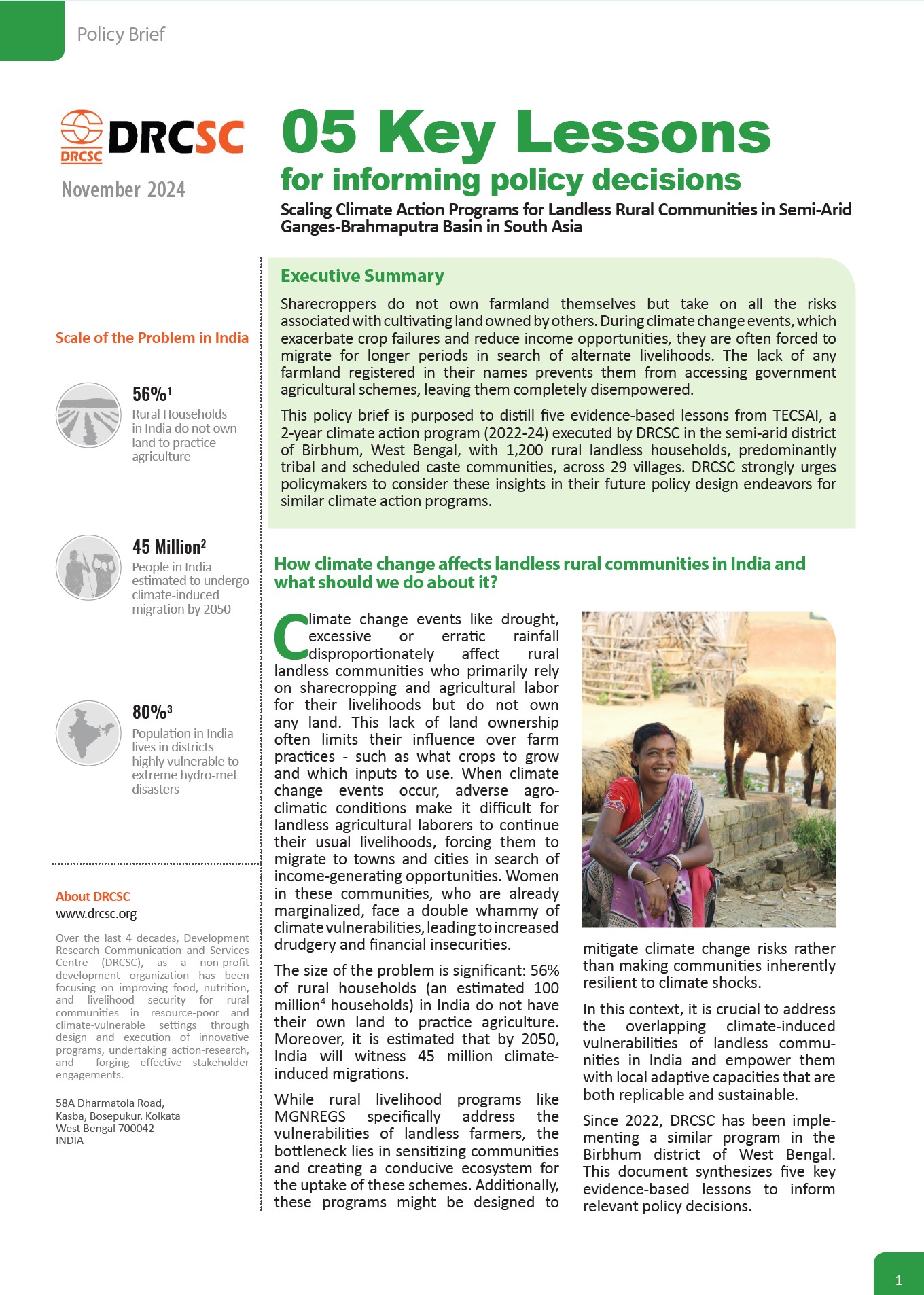
Five Key Lessons for Policy Consideration: Scaling Climate Action Programs for Landless Rural Communities in Semi-Arid Ganges-Brahmaputra Basin in South Asia
Download Full Report
View Blog Posts
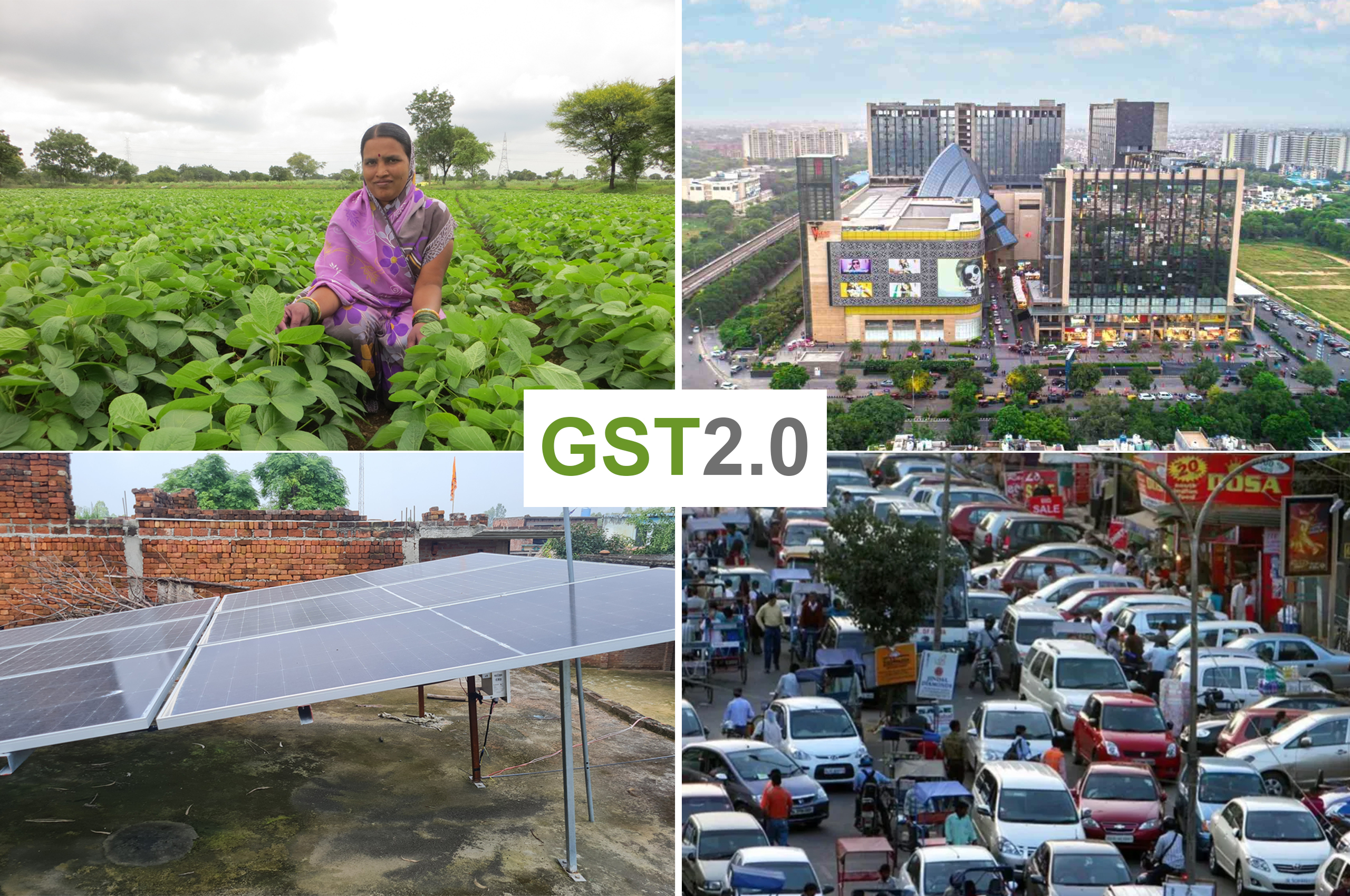
GST 2.0 and Tax Cuts: Can They Make Growth Fairer and Greener?
India's latest GST reform, being termed as GST 2.0, is more than just slashing rates. By simplifying the tax structure, cutting levies on essentials, and supporting renewable infrastructure, it's open..
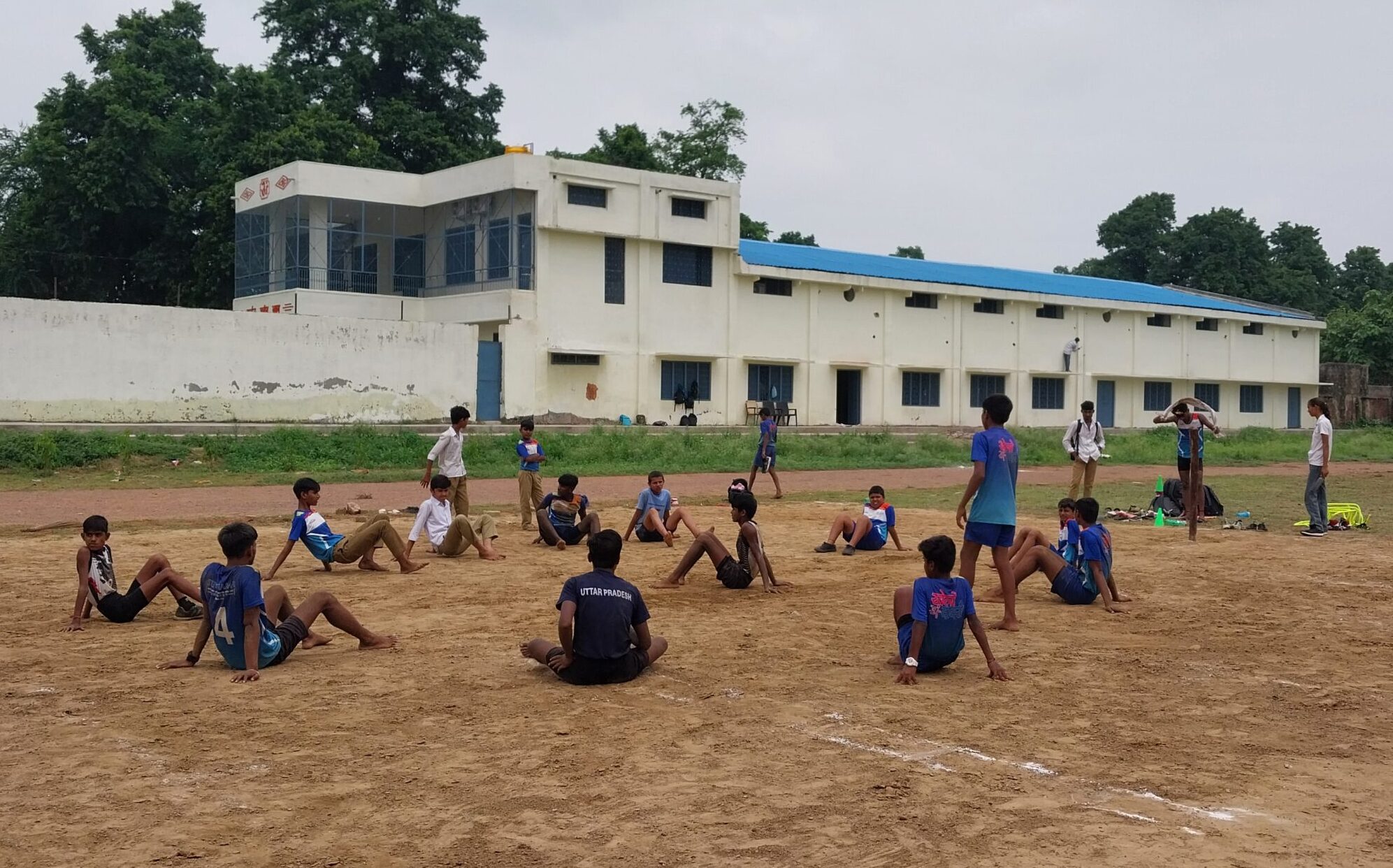
Reimagining Sports in CSR: From Tokenism to a Vehicle for Multiplying Impact
In 2023–24, Indian companies spent about ₹1,396 crore of their CSR budgets on sports — just 4% of the total ₹34,909 crore Indian corporates spent on CSR that year. Most of the rest went to edu..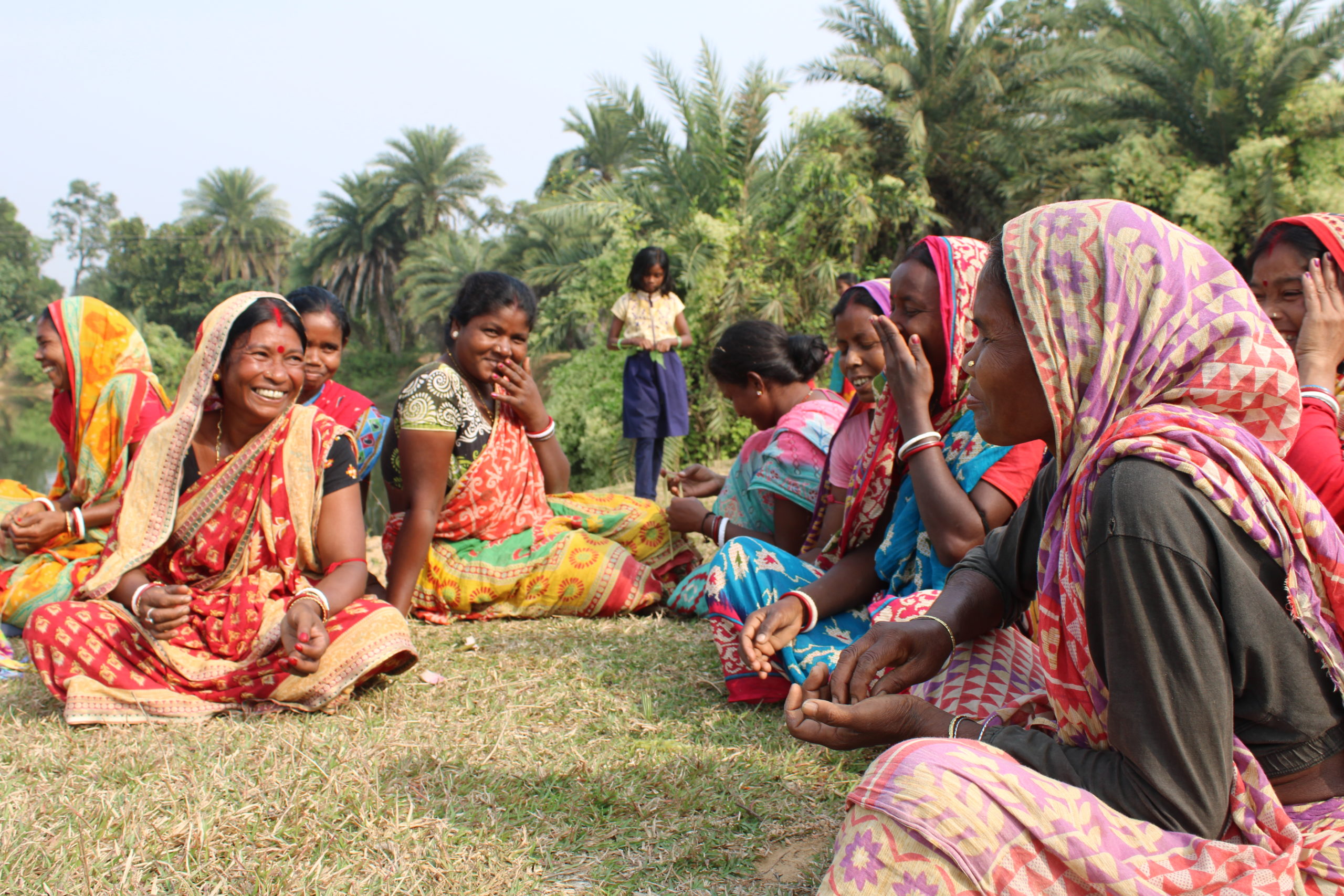
Interactive SHG Map of India: 7.5 million Women Self Help Groups are spread across 27 States and 6 UTs in India
Under the National Rural Livelihood Mission (NRLM), India has 7.5 million Women Self Help Groups (SHGs) spread across 27 states and 6 Union Territories. Each of these small, self-governed, and peer-co..