
Recent Developments,
Key Innovations, and
Insightful Reports
Your One Stop Platform for Regular Sector Updates
Sector news
View By Category
Categories
- See all
- Agriculture
- Clean Cookstoves
- Clean Energy
- Climate Action
- Digital Technology
- Education
- Financial Services
- General
- Healthcare
- Hygiene
- Impact Investment
- Inclusive Value Chains
- Livelihoods
- Livestock
- Lower Income Consumers
- Marketing, Distribution and Sales for BoP
- Nutrition
- Sanitation
- Water
- Women Empowerment


September 15, 2012
1.17 million people in Indonesia have no access to clean water
As many as 1.17 million residents of Bali do not get access to clean drinking water. Statistics stand at this despite efforts by the government to provide clean water to about 80 per cent of the island’s population. Read more here.
September 15, 2012
Access to clean drinking water still bleak in Africa
Despite abundant rains and floods, black Africa may fall behind its target of providing access to clean drinking water in accordance with the MDGs (Millennium Development Goals). UNICEF raised this alarm, saying that even by the end of 2015, as many as 605 million people there will not have access […]
September 15, 2012
Zambia: State urged to provide cleaner water
The people of Chongwe district suffer from a lack of supply of reliably clean water. Moreover, they must depend on external aid for access to water. There is a need for the government’s increased involvement to bring such development tools as access to clean water, to the area. Read more […]
September 15, 2012
India: Not ‘a trace of chlorine’ in private tankers in Chennai
There was apparently ‘not a trace of chlorine’ in as many as 90 private tankers across the city in Chennai, according to a study done by Chennai Corporation and the Food Safety department. Availability of clean water now seems to be a challenge for the poor and underserved, as well […]
September 15, 2012
Ghana: Remote off-grid communities to benefit from solar power
The government of Ghana, as announced by Minister of Energy Dr Joe Oteng-Adjei is all set to start a pilot programme which will replace the polluting, inefficient and dangerous kerosene lamps used in the countryside with solar lanterns, on a national scale. Read more here and here.
September 15, 2012
Pakistan: Poor families to benefit from free solar panels
In an initiative by the Punjab government, about half a million poor households in the state would be getting access to electricity through free solar panels. The objective of this exercise is to progressively use more renewable sources of energy. Read more here.
September 15, 2012
India: Solar power for the urban poor in Kolkata, West Bengal
About 100 odd families from the urban poor areas north of Kolkata would be the first in the urban settings in the state to benefit from solar home lighting systems, to be provided to them by three NGOs (Non-Governmental Organizations). Read more here.
September 15, 2012
Philips: Efficient lighting could save Africa US$10 billion a year
According to research done by Royal Philips Electronics, if Africa were to switch from its inefficient and unorganized electricity system to an organized LED based lighting system, the move would save it about US$10 billion each year. Read more here.
September 15, 2012
Panasonic reveals its solar powered houses in Indonesia and Mexico
Panasonic Corporation has introduced model housing in Indonesia and Mexico that efficiently runs and manages its electricity needs using solar energy. The highlight is the fact that the house comes with a storage battery system which stores power for the days when the sun does not provide enough irradiance to […]
Get The Latest From The Social Sector In Your Inbox

Subscribe to our newsletter
View Our Publications
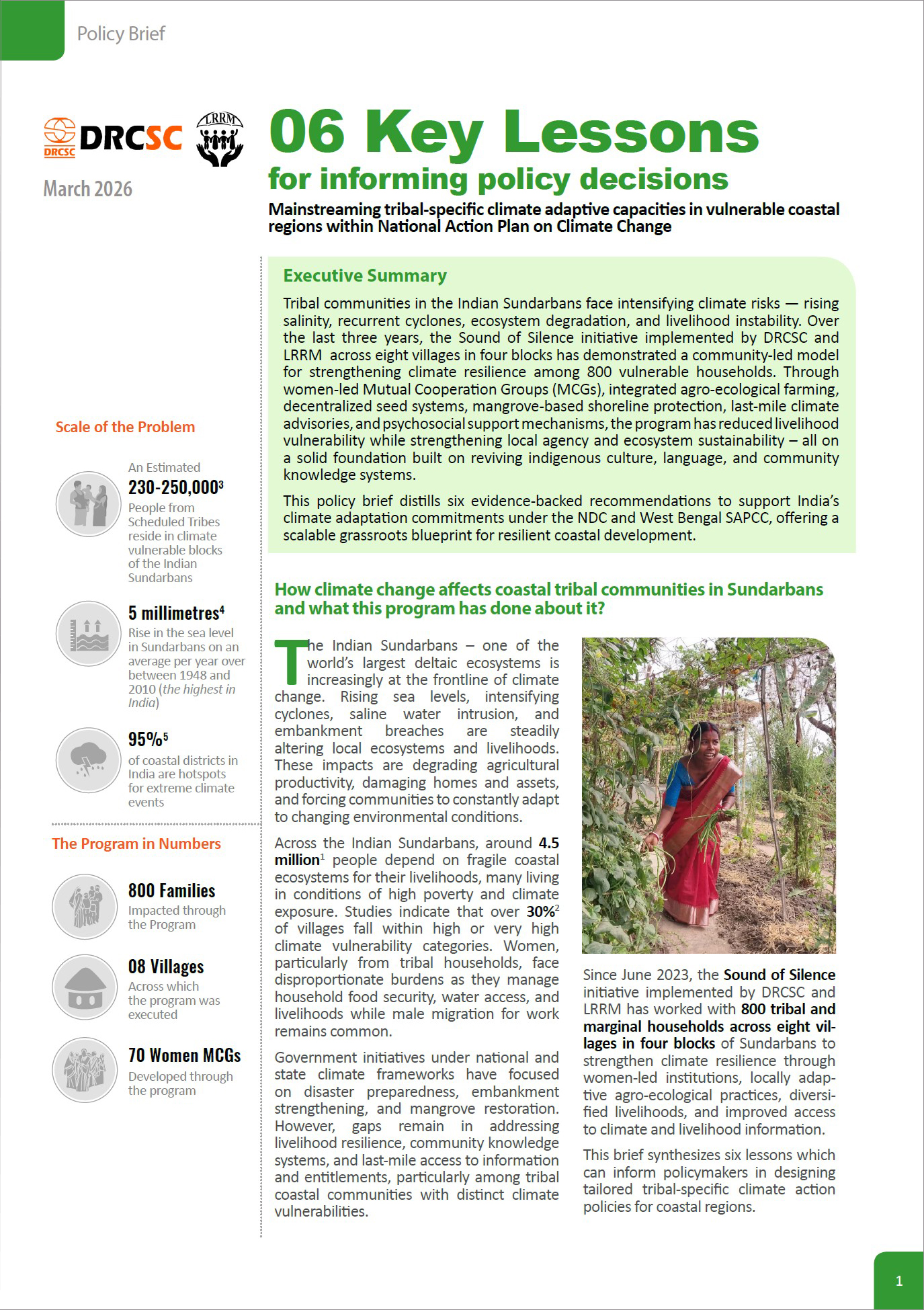
06 Key Lessons for informing policy decisions: Mainstreaming tribal-specific climate adaptive capacities in vulnerable coastal regions within National Action Plan on Climate Change
Download Full Report
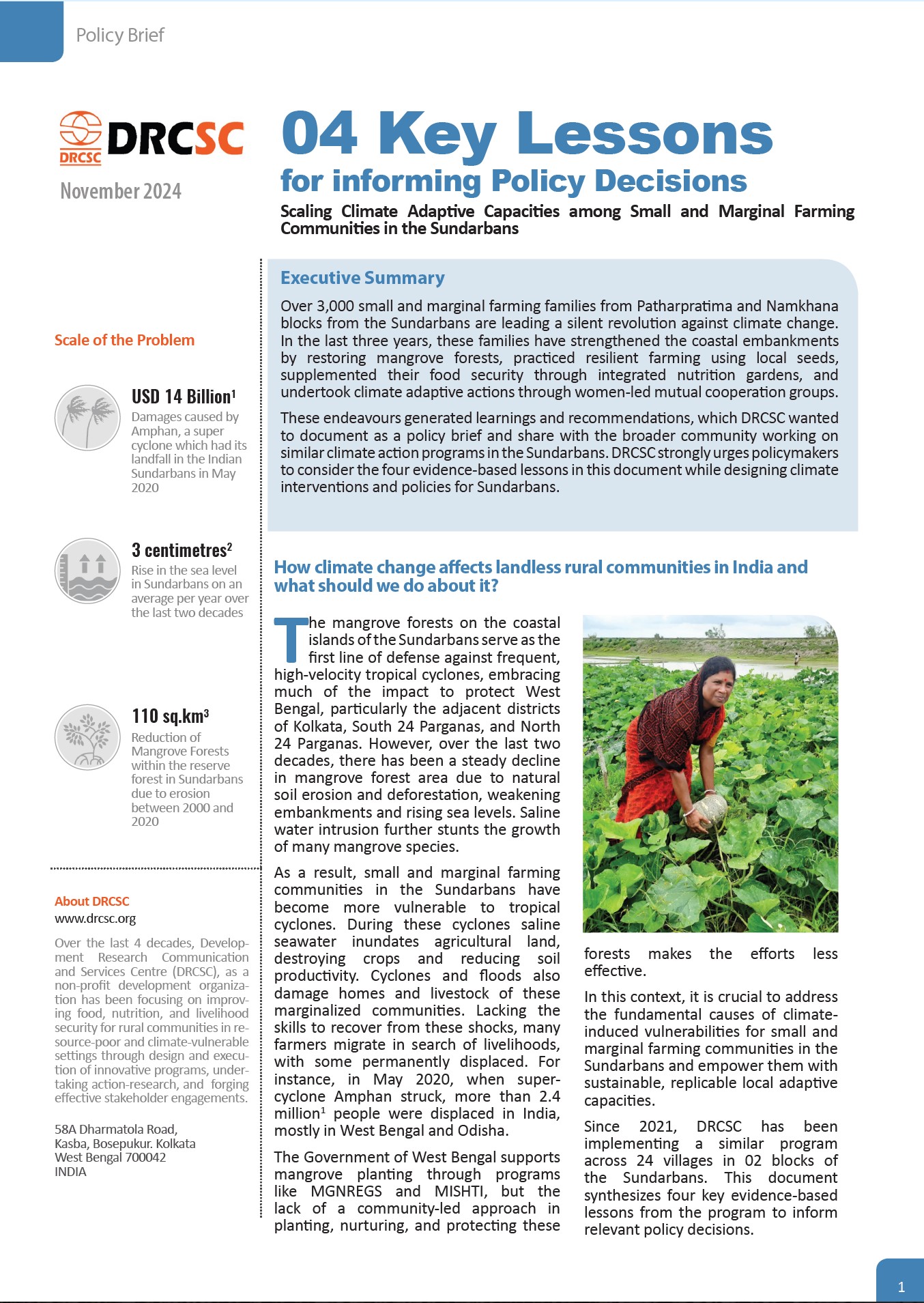
Four Key Lessons for Policy Consideration: Scaling Climate Adaptive Capacities among Small and Marginal Farming Communities in the Sundarbans
Download Full Report
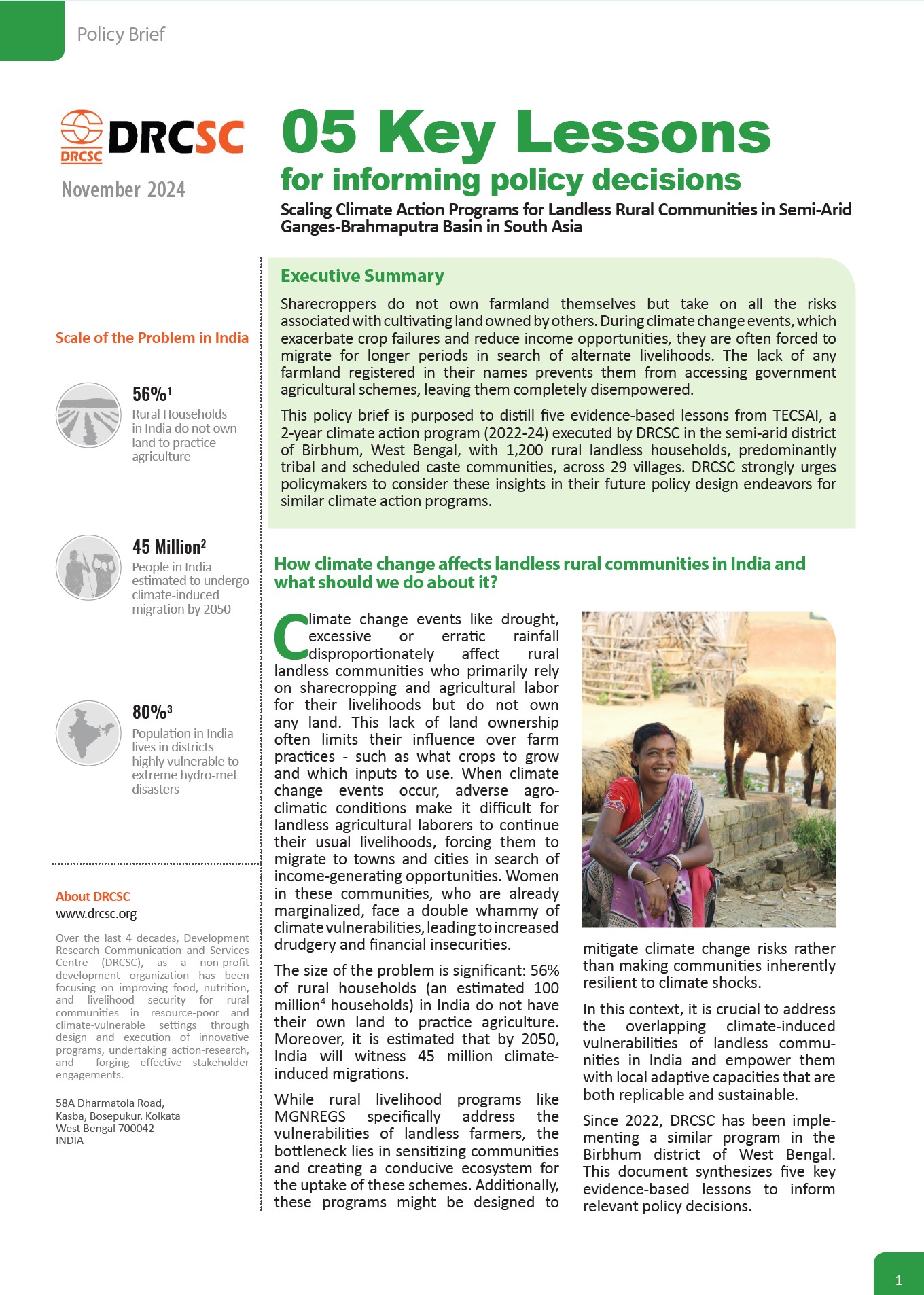
Five Key Lessons for Policy Consideration: Scaling Climate Action Programs for Landless Rural Communities in Semi-Arid Ganges-Brahmaputra Basin in South Asia
Download Full Report
View Blog Posts
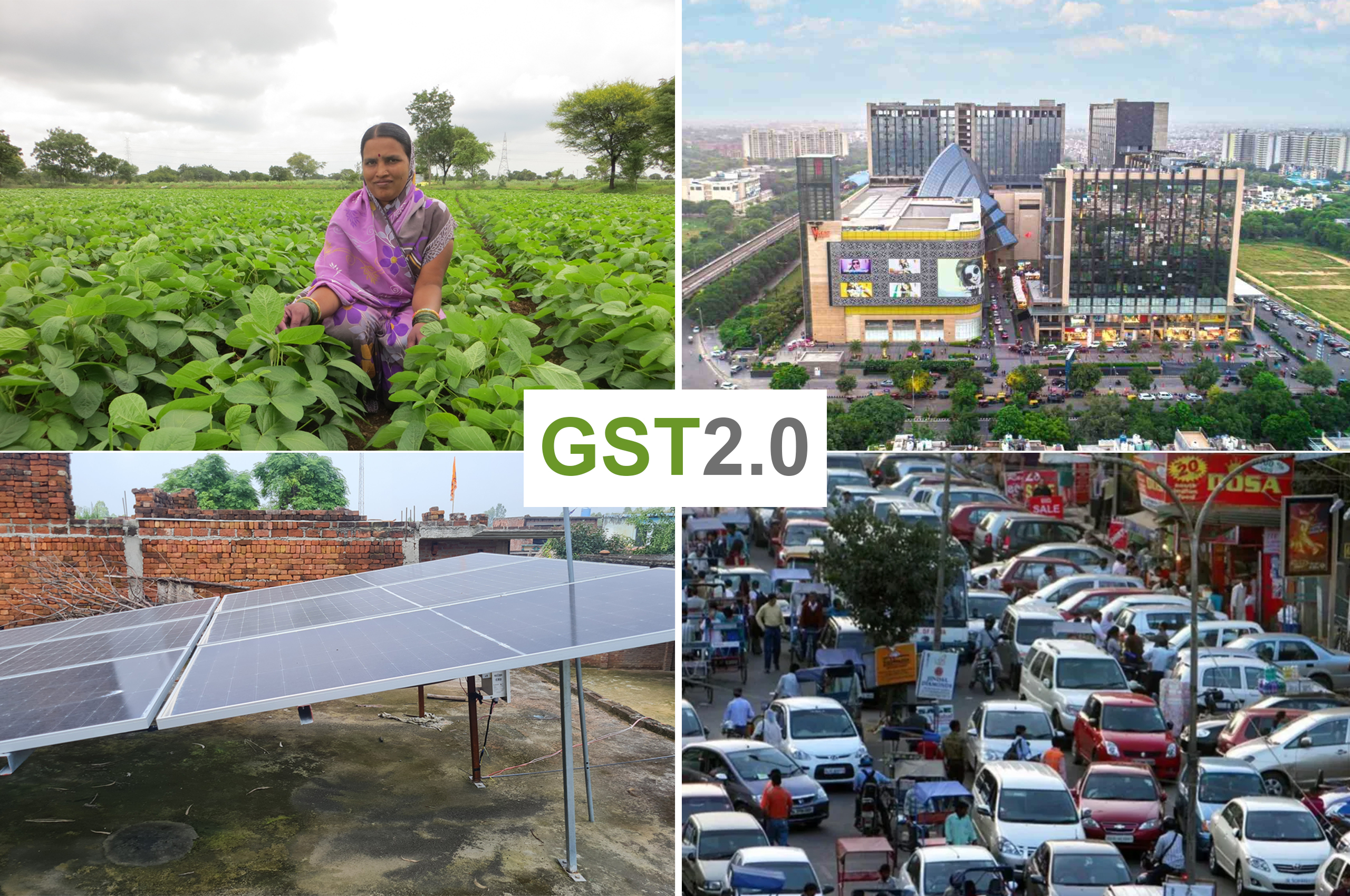
GST 2.0 and Tax Cuts: Can They Make Growth Fairer and Greener?
India's latest GST reform, being termed as GST 2.0, is more than just slashing rates. By simplifying the tax structure, cutting levies on essentials, and supporting renewable infrastructure, it's open..
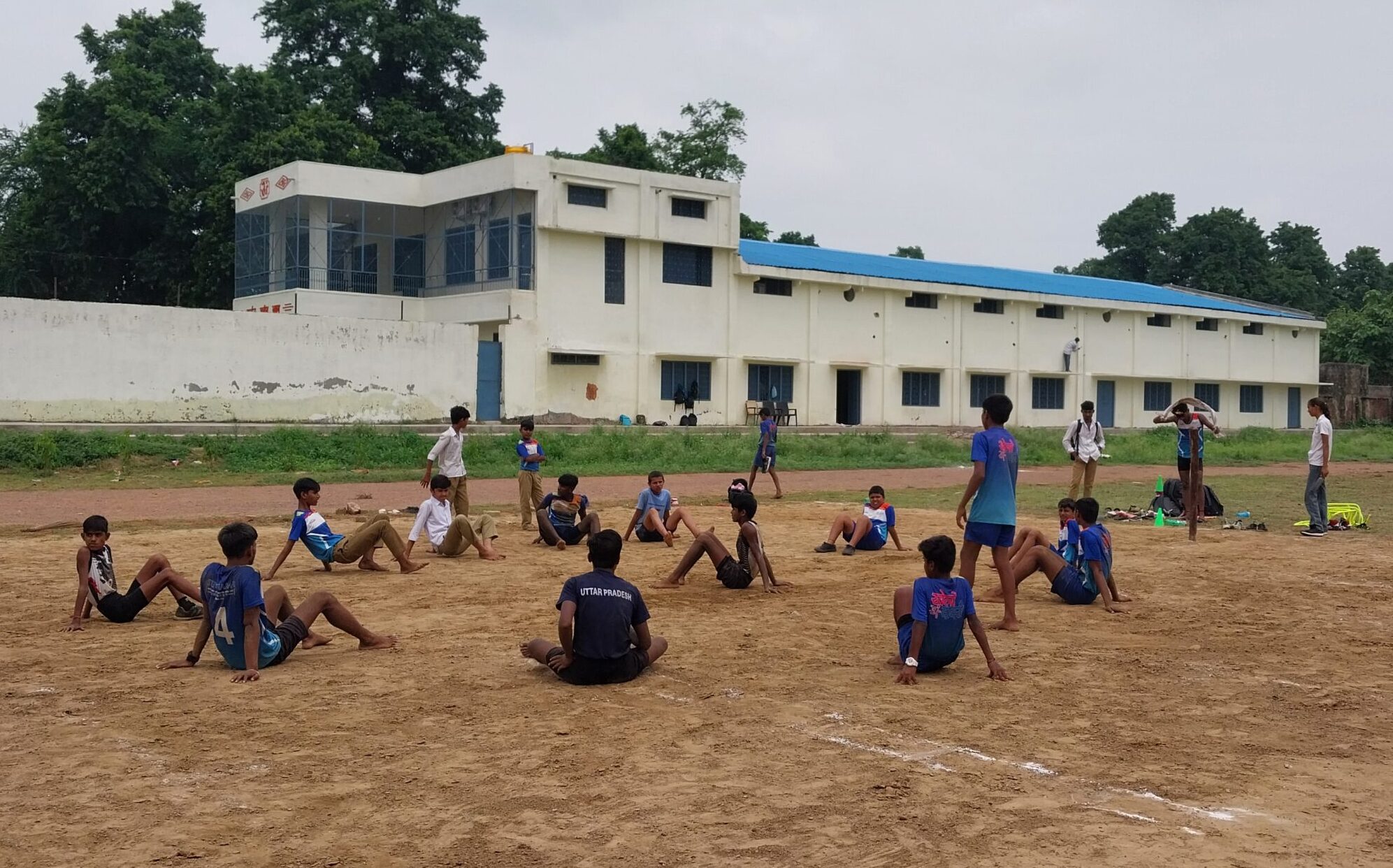
Reimagining Sports in CSR: From Tokenism to a Vehicle for Multiplying Impact
In 2023–24, Indian companies spent about ₹1,396 crore of their CSR budgets on sports — just 4% of the total ₹34,909 crore Indian corporates spent on CSR that year. Most of the rest went to edu..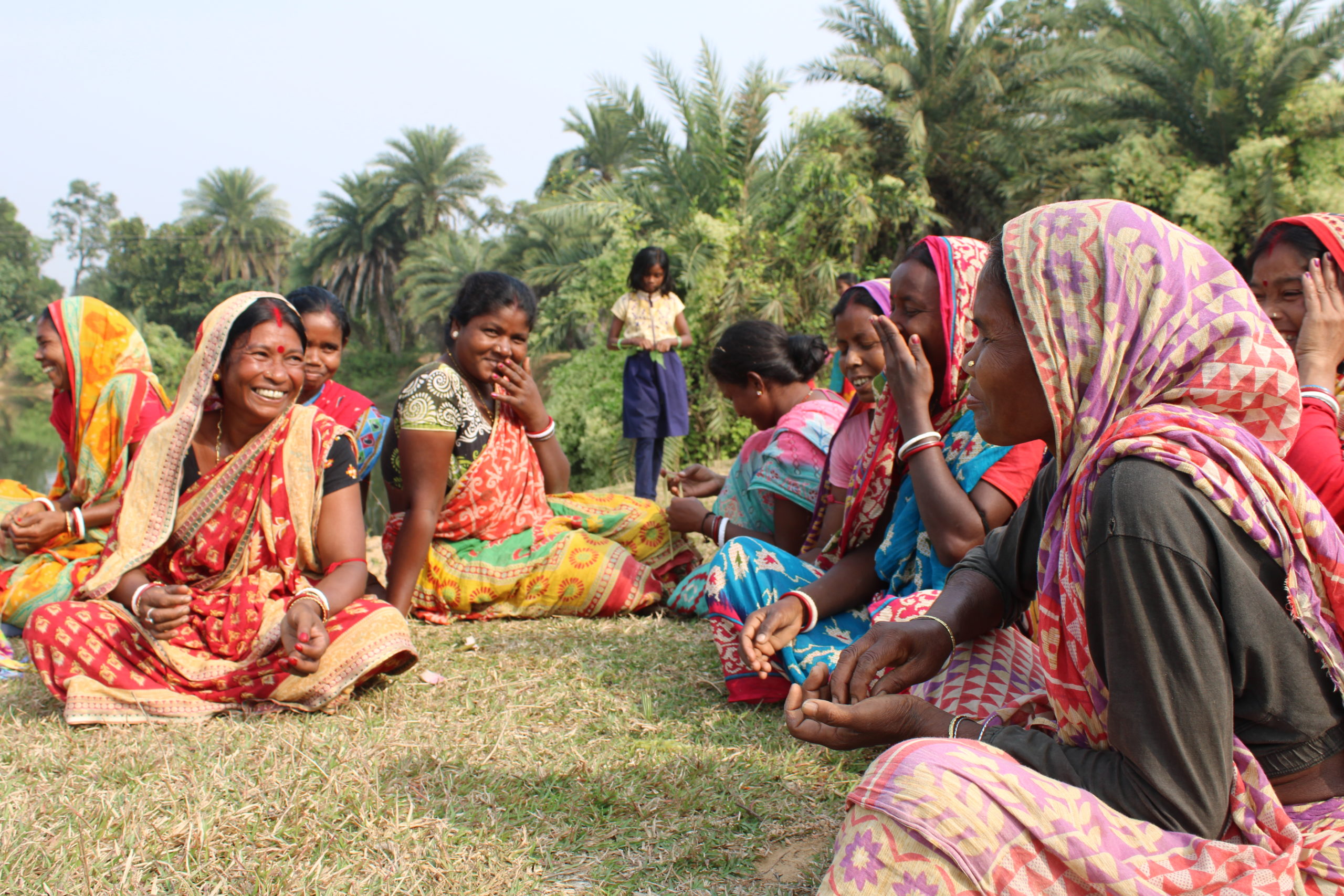
Interactive SHG Map of India: 7.5 million Women Self Help Groups are spread across 27 States and 6 UTs in India
Under the National Rural Livelihood Mission (NRLM), India has 7.5 million Women Self Help Groups (SHGs) spread across 27 states and 6 Union Territories. Each of these small, self-governed, and peer-co..