
Recent Developments,
Key Innovations, and
Insightful Reports
Your One Stop Platform for Regular Sector Updates
Sector news
View By Category
Categories
- See all
- Agriculture
- Clean Cookstoves
- Clean Energy
- Climate Action
- Digital Technology
- Education
- Financial Services
- General
- Healthcare
- Hygiene
- Impact Investment
- Inclusive Value Chains
- Livelihoods
- Livestock
- Lower Income Consumers
- Marketing, Distribution and Sales for BoP
- Nutrition
- Sanitation
- Water
- Women Empowerment


September 10, 2012
Apollo Hospitals to set up 10 telemedicine clinics abroad
Apollo Hospitals, known for providing cost effective yet world class healthcare in the country, will be setting up a string of telemedicine clinics in Ghana, Nigeria, Oman and Abu Dhabi, among others, while also expanding their presence in India. Read more here.
September 10, 2012
Cisco TeleMed completes 9300 consultations in 16 months
Cisco India’s TeleMedicine technology initiative model has been proven successful as it declares how it has successfully deployed it in the states of Madhya Pradesh and Karnataka to avail to underserved people in the state about 9300 consultations over a period of 16 months. Read more here.
September 10, 2012
Telemedicine in India: ‘So near yet so far’
There are upwards of 400 telemedicine centres operational in the country as of now. However, only about half of these are currently active. This situation can be attributed to unsustained supply of electricity, untrained users and technicians and bad internet connectivity. Read more here.
September 10, 2012
Tanzania: The role of SMSs in promoting healthier communities
In Tanzania, EGPAF (Elizabeth Glaser Pediatric AIDS Foundation) is using the medium of SMS messaging to promote the cause of health in poor communities, and hopes to have encouraging results. Read more here.
September 10, 2012
Kenya: Global IT firm to provide support to MFIs
Sofgen, a Switzerland based technology and software company will soon be providing technical support to MFIs in Kenya. This will help improve information technology adoption so as to streamline operations and better transparency for MFIs, while create a presence for the company in the Kenyan markets. Read more here.
September 10, 2012
Private banks leading charge in developing markets
With the knowledge of how innovatively disruptive financial products aid financial inclusion while generating profits in emerging markets, private banks in developing countries are now offering their own mobile money services. Read more here.
September 10, 2012
According to a recent survey, 86 per cent of Egyptian families have mobile phones, while about 8 per cent of the families used internet, and these figures are lower for rural areas. Read more here.
Nonbank E-Money Issuers (NEMIs) can potentially play avery important role in providing a portfolio of financial services to the currently financially excluded. This report talks about the risks presented by NEMIs, their adoption in developing countries and more. Read it here.
September 10, 2012
Egypt: Households spend US$93 annually on phones
According to a recent survey, 86 per cent of Egyptian families have mobile phones, while about 8 per cent of the families used internet, and these figures are lower for rural areas. Read more here.
September 10, 2012
India: Desktop internet usage falls behind mobile internet usage
According to a recent survey conducted by StatCounter, internet usage in India is now more common on mobile phones (51.63 per cent) than on desktops (48.37 per cent). India follows a trend which was recently found in China as well. While Chinese boom in usage of mobile phones for internet […]
Get The Latest From The Social Sector In Your Inbox

Subscribe to our newsletter
View Our Publications
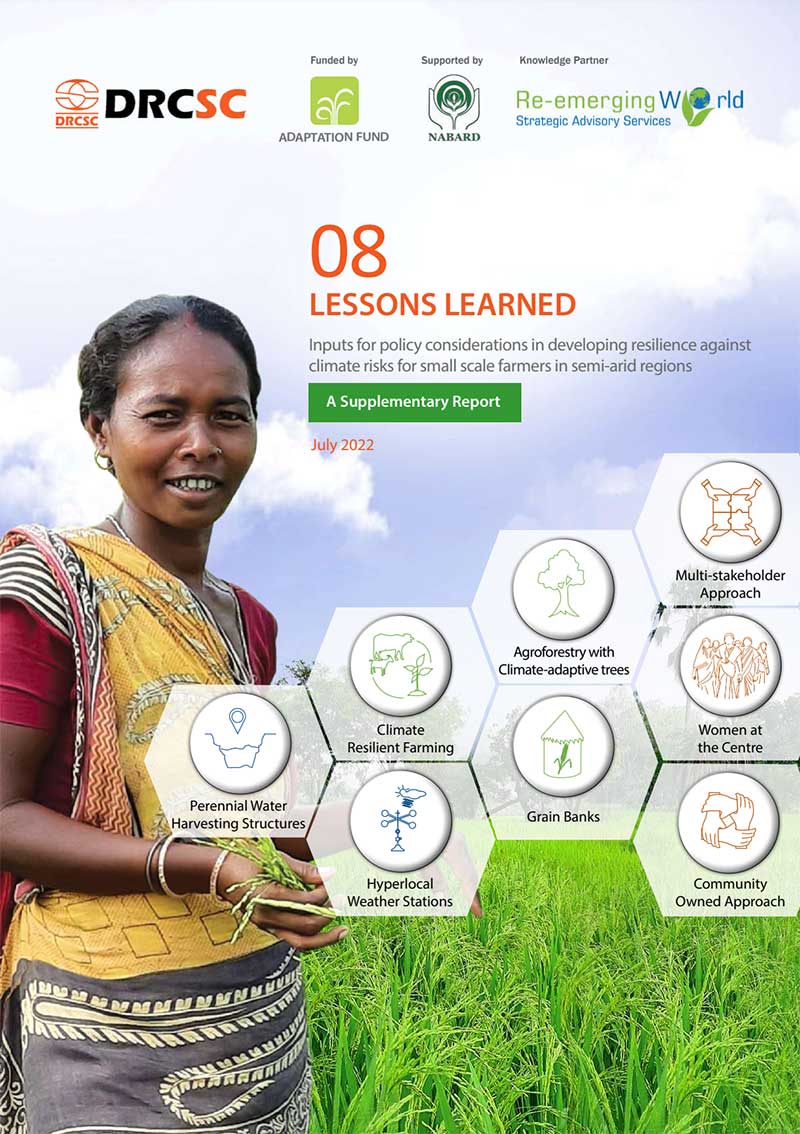
Eight Lessons Learned: Inputs for policy considerations in developing resilience against climate risks for small scale farmers in semi-arid regions, full report
Download Full Report
View Blog Posts
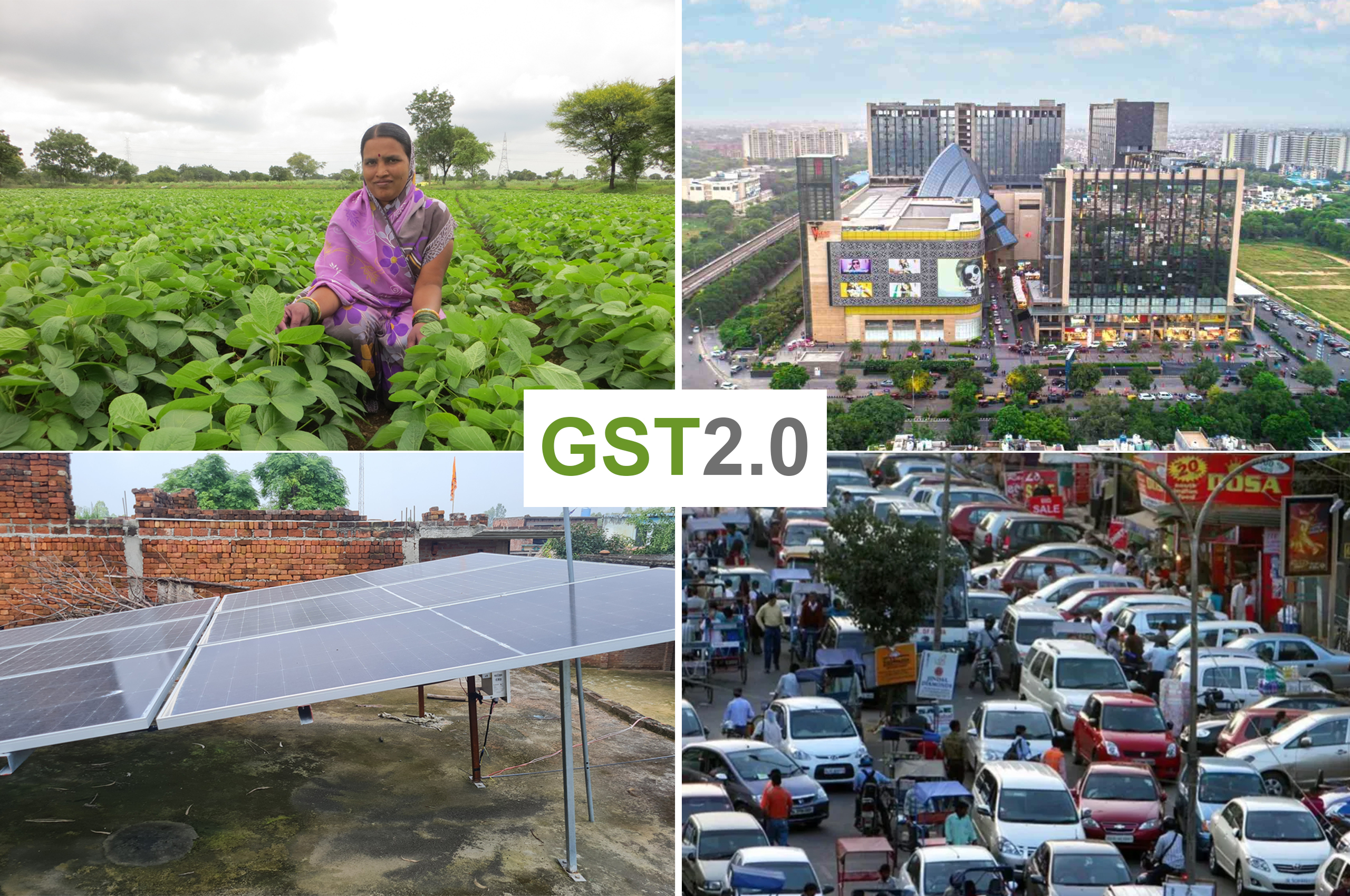
GST 2.0 and Tax Cuts: Can They Make Growth Fairer and Greener?
India's latest GST reform, being termed as GST 2.0, is more than just slashing rates. By simplifying the tax structure, cutting levies on essentials, and supporting renewable infrastructure, it's open..
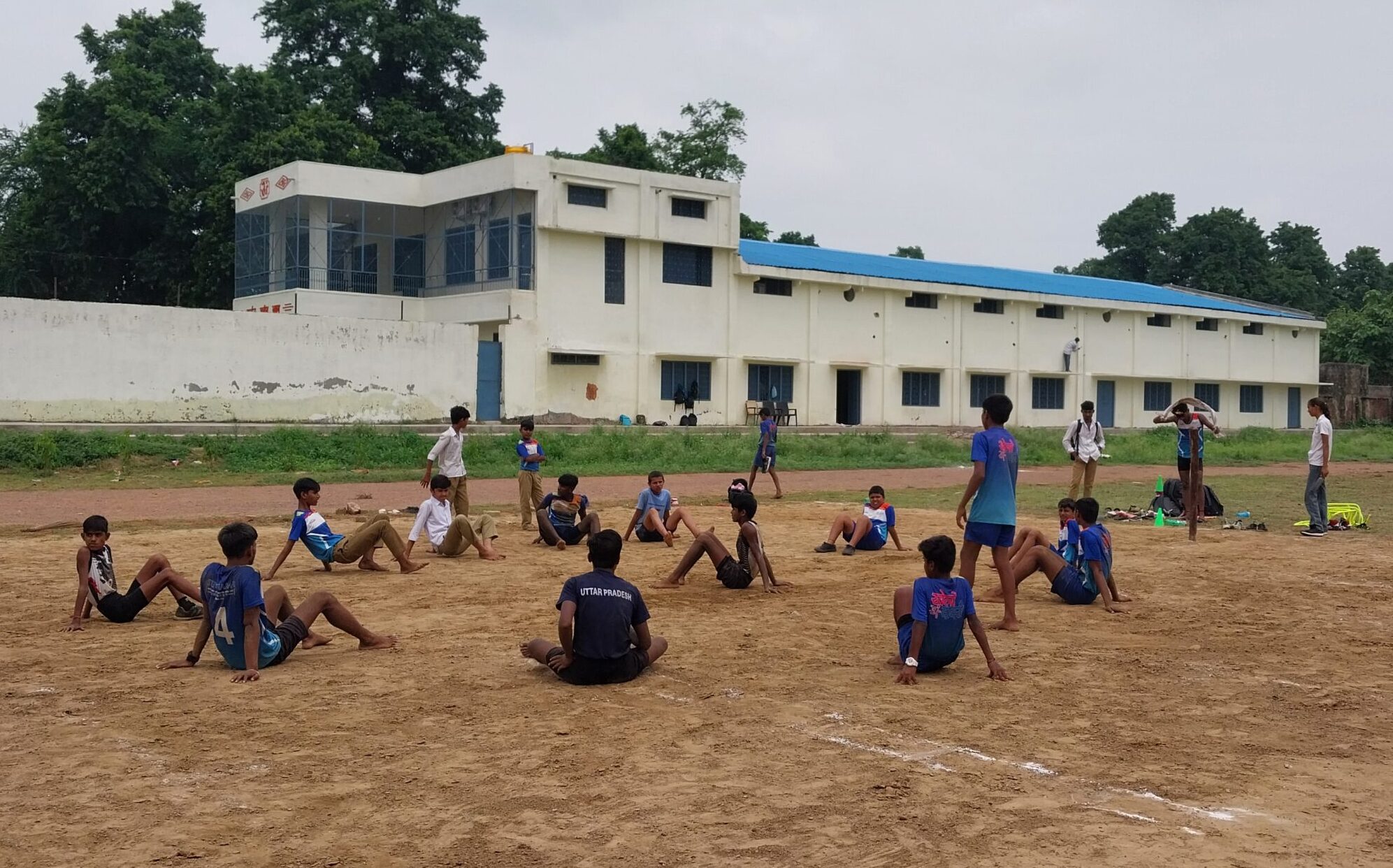
Reimagining Sports in CSR: From Tokenism to a Vehicle for Multiplying Impact
In 2023–24, Indian companies spent about ₹1,396 crore of their CSR budgets on sports — just 4% of the total ₹34,909 crore Indian corporates spent on CSR that year. Most of the rest went to edu..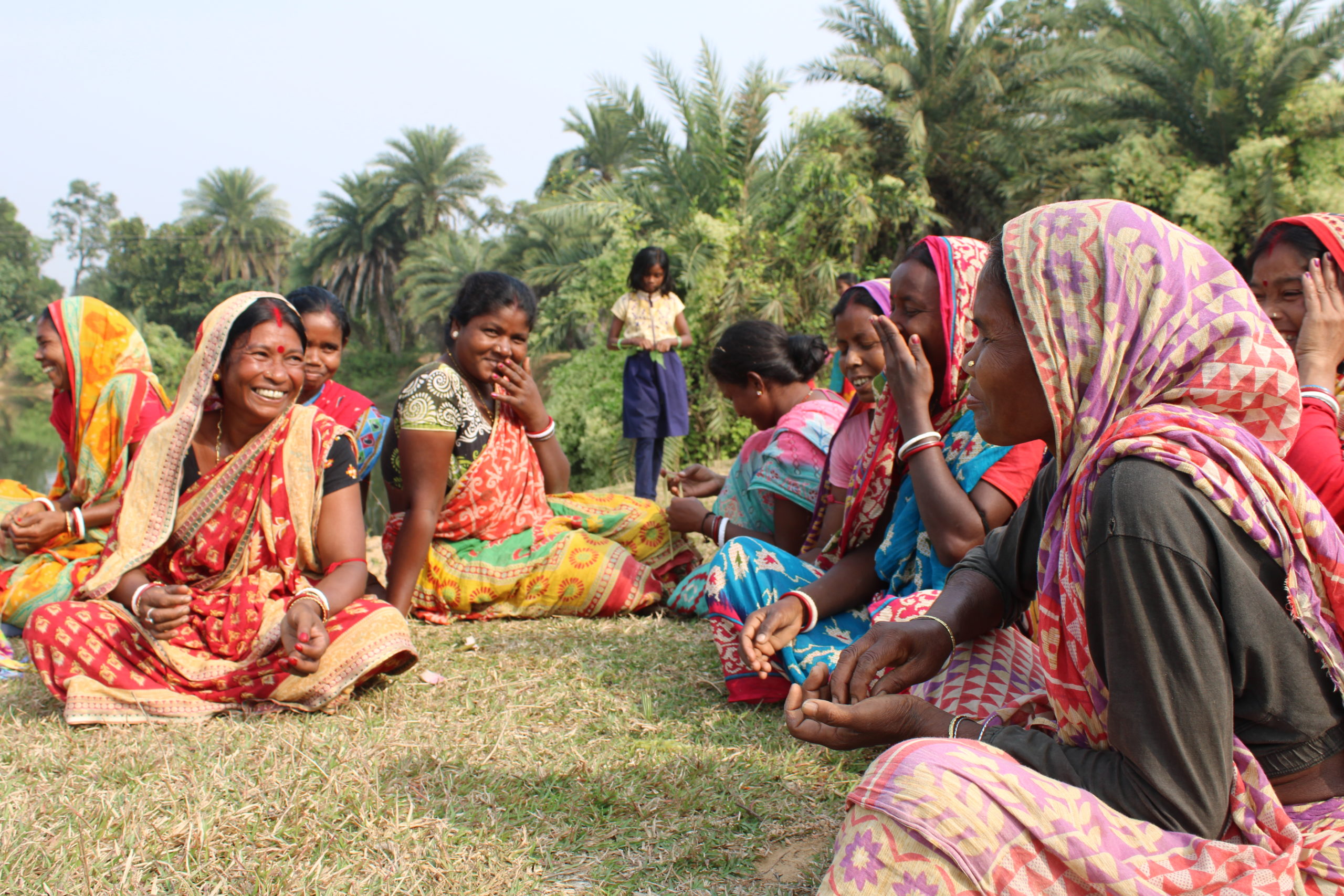
Interactive SHG Map of India: 7.5 million Women Self Help Groups are spread across 27 States and 6 UTs in India
Under the National Rural Livelihood Mission (NRLM), India has 7.5 million Women Self Help Groups (SHGs) spread across 27 states and 6 Union Territories. Each of these small, self-governed, and peer-co..