
Recent Developments,
Key Innovations, and
Insightful Reports
Your One Stop Platform for Regular Sector Updates
Sector news
View By Category
Categories
- See all
- Agriculture
- Clean Cookstoves
- Clean Energy
- Climate Action
- Digital Technology
- Education
- Financial Services
- General
- Healthcare
- Hygiene
- Impact Investment
- Inclusive Value Chains
- Livelihoods
- Livestock
- Lower Income Consumers
- Marketing, Distribution and Sales for BoP
- Nutrition
- Sanitation
- Water
- Women Empowerment


September 15, 2012
Approaches involved in impact investing
This post gives a brief overview of socially responsible investing and then goes on to details the process typically involved in making SRIs, like screening, using shareholder advocacy, dabbling in community investing and more. Read more here.
September 15, 2012
Social entrepreneurs will be the ‘first movers’ in impact investing
This Q&A session with Charly Kleissner, Silicon Valley entrepreneur-turned-impact-investor talks about the future of impact investment globally, as well as in India. Read more here.
September 15, 2012
US: 2013 to be the year of impact investing, SRI as part of decision making expected to increase
An SRI (Socially Responsible Investing) survey conducted a month ahead of the 2012 SRI Conference finds that impact investment is going to fuel SRI investing, and that 2013 is going to ‘the year’ of impact investing. This survey is based on the feedback of some 200 SRI professionals. Read more […]
September 15, 2012
Behavioral economics and impact investing
Behavioural economists sometimes make decisions they usually preach against, as decisions are inherently based on a number of factors, not all of them rational. This post gives a few general examples of behavioural biases in economics, and then goes on to talk about the relevance of this concept to impact […]
September 15, 2012
12 aspects of the New York social impact bond
While much has been published about the potential of the social impact bonds that have recently been piloted in New York and Massachusetts, the exact working of these bonds is still blurry for the layman. This post lays down the definitive features of these bonds, adding clarity with a pictorial […]
September 15, 2012
US$4 billion planned for investment in social enterprise in 2012
According to data in a report by GIIN (Global Impact Investment Network) and JP Morgan, investors view social enterprising a market in its infancy, one that could grow to the worth of up to US$4billion in 2012. Read more about it and the implications for markets in India in particular, […]
September 15, 2012
US: ‘Millennials’ keen on impact investing
US is going to experience an event as never before in its history – a record US$41 trillion will change hands as ‘baby boomers’ age and pass on their wealth to their successors, who are largely referred to as ‘Millennials’, those who were born between 1978 and 2000. The good […]
September 15, 2012
The next 20 years of impact investing
This post by the President and CEO of the Calvert Foundation talks about the subtle changes happening in the investment realm, where both institutional as well as individual investors are increasingly more inclined to commit at least some portion of their investable assets to social impact investment. Read more here.
September 15, 2012
Marrying ‘cash and change’: the spread of social stock markets globally
This post details the emergence of social stock exchange markets, that is, stock exchange markets serving only socially oriented companies, and talks about the existing social stock exchanges, while listing those upcoming in the future as well. Read more here.
Get The Latest From The Social Sector In Your Inbox

Subscribe to our newsletter
View Our Publications
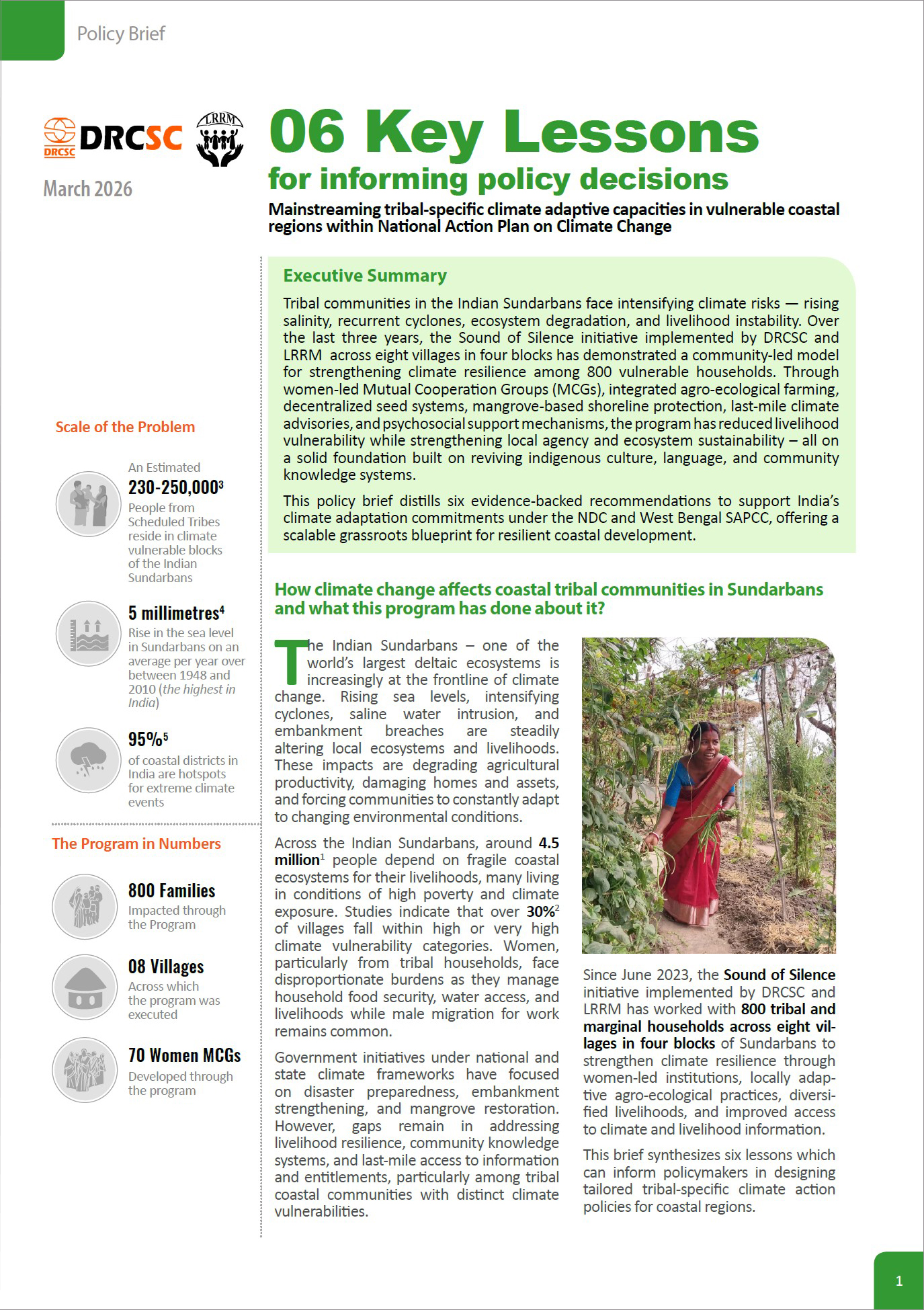
06 Key Lessons for informing policy decisions: Mainstreaming tribal-specific climate adaptive capacities in vulnerable coastal regions within National Action Plan on Climate Change
Download Full Report
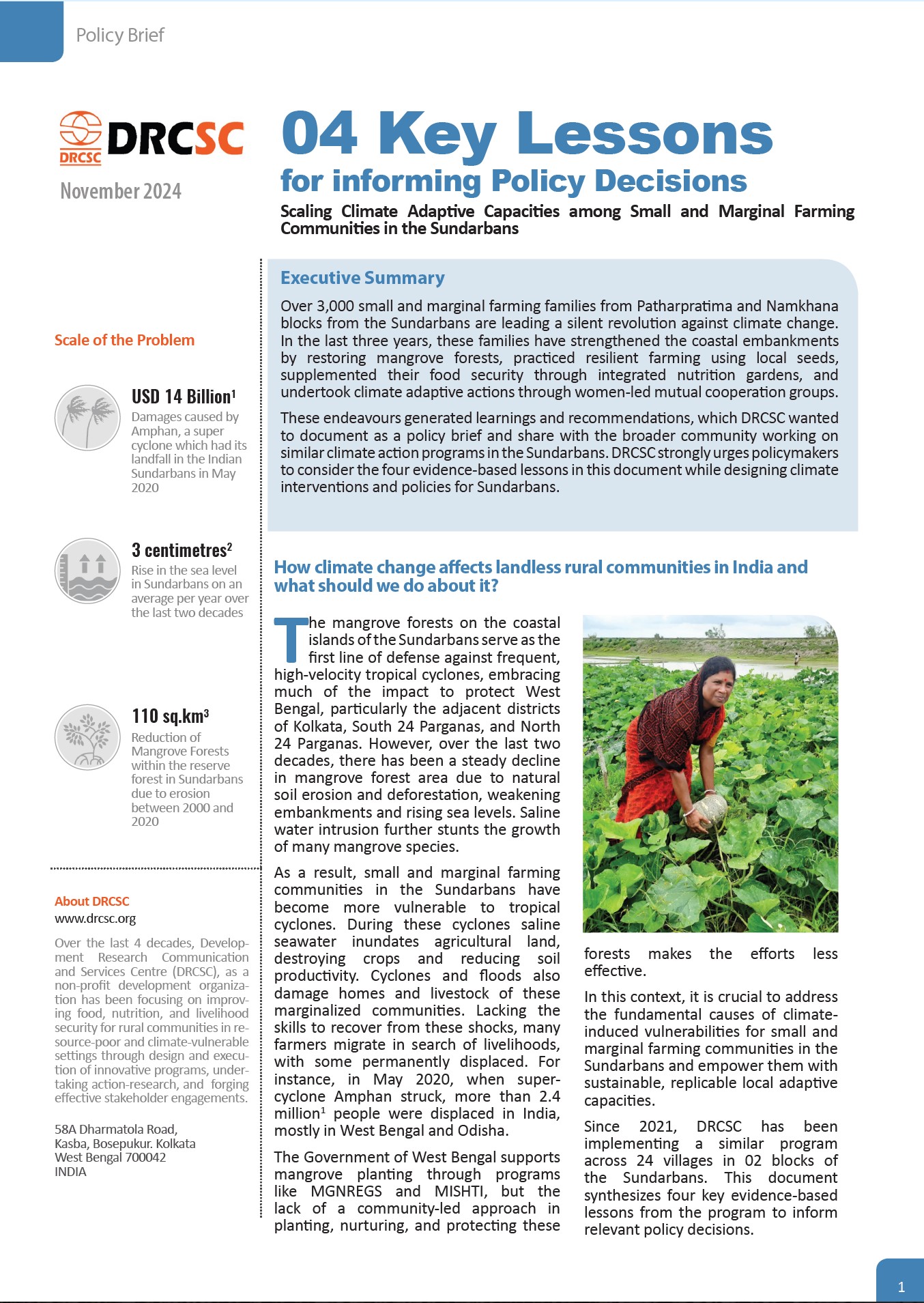
Four Key Lessons for Policy Consideration: Scaling Climate Adaptive Capacities among Small and Marginal Farming Communities in the Sundarbans
Download Full Report
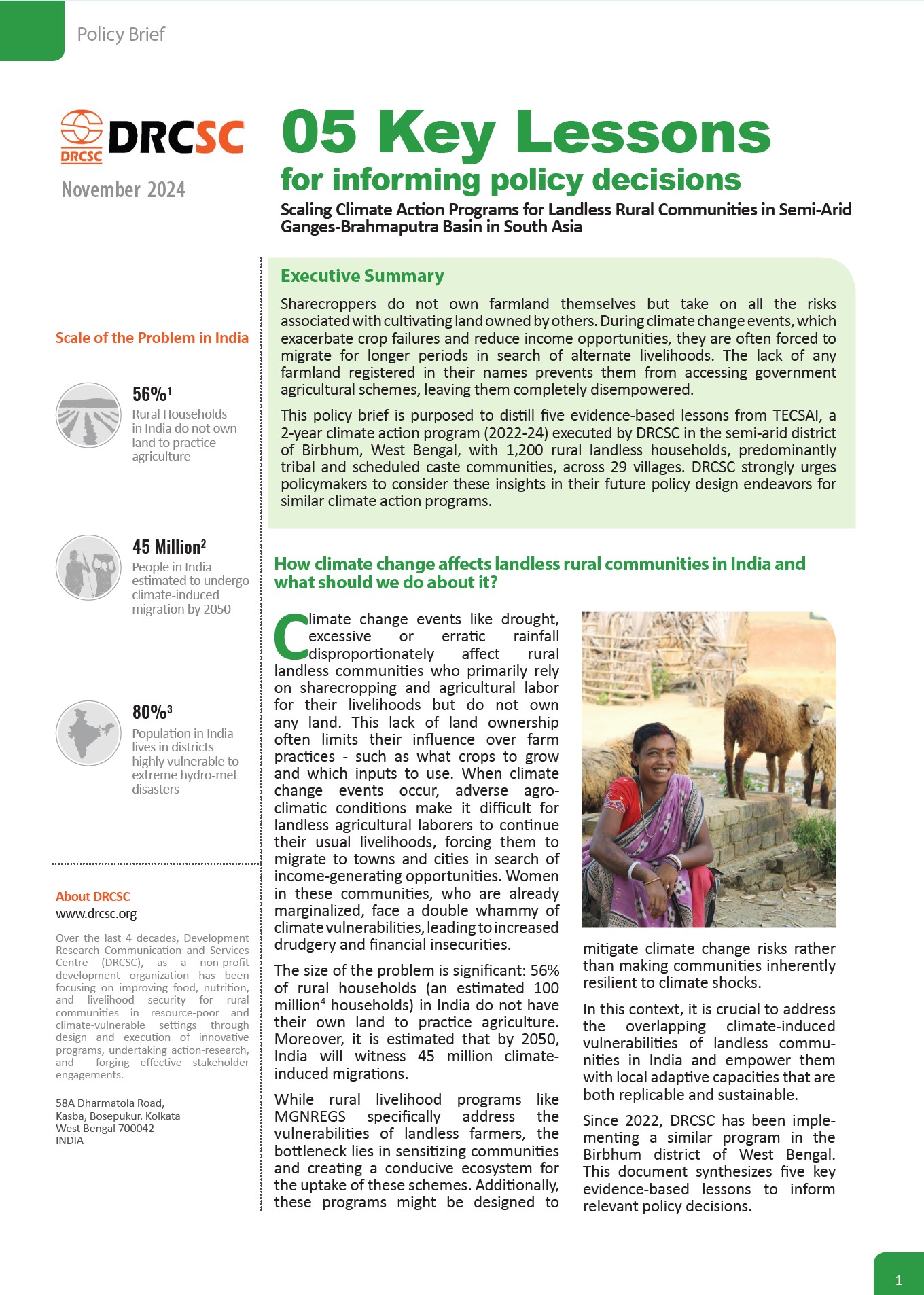
Five Key Lessons for Policy Consideration: Scaling Climate Action Programs for Landless Rural Communities in Semi-Arid Ganges-Brahmaputra Basin in South Asia
Download Full Report
View Blog Posts
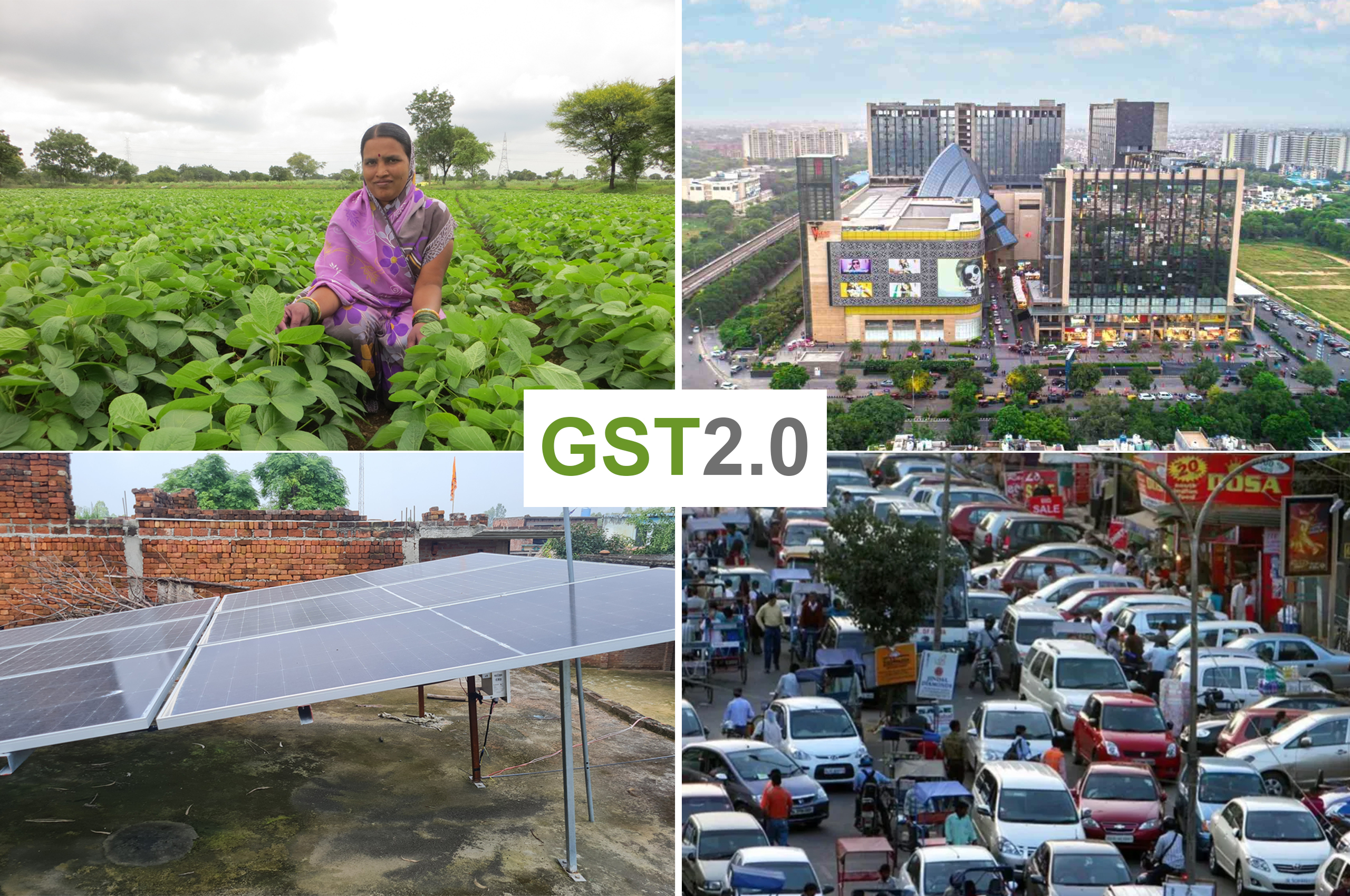
GST 2.0 and Tax Cuts: Can They Make Growth Fairer and Greener?
India's latest GST reform, being termed as GST 2.0, is more than just slashing rates. By simplifying the tax structure, cutting levies on essentials, and supporting renewable infrastructure, it's open..
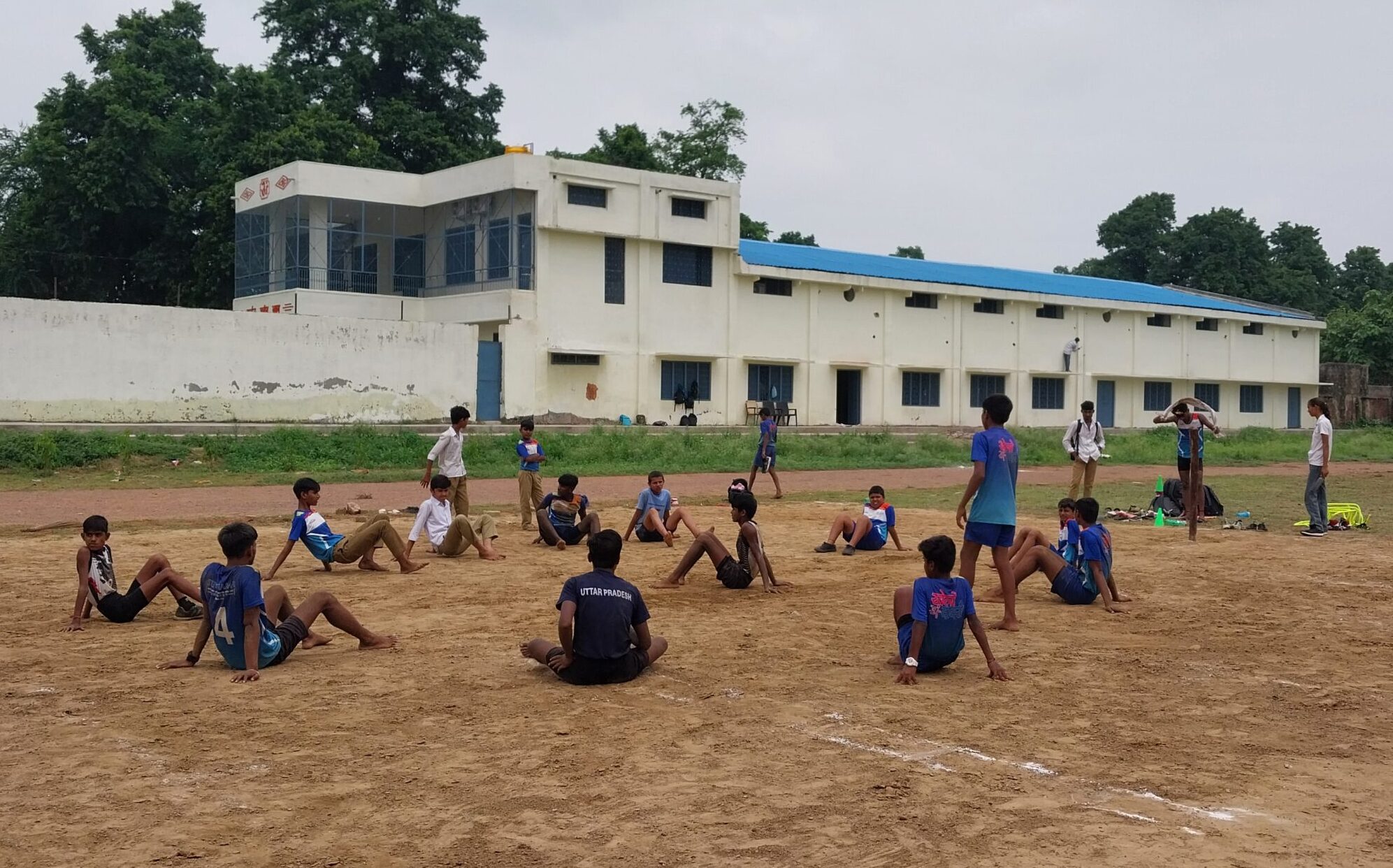
Reimagining Sports in CSR: From Tokenism to a Vehicle for Multiplying Impact
In 2023–24, Indian companies spent about ₹1,396 crore of their CSR budgets on sports — just 4% of the total ₹34,909 crore Indian corporates spent on CSR that year. Most of the rest went to edu..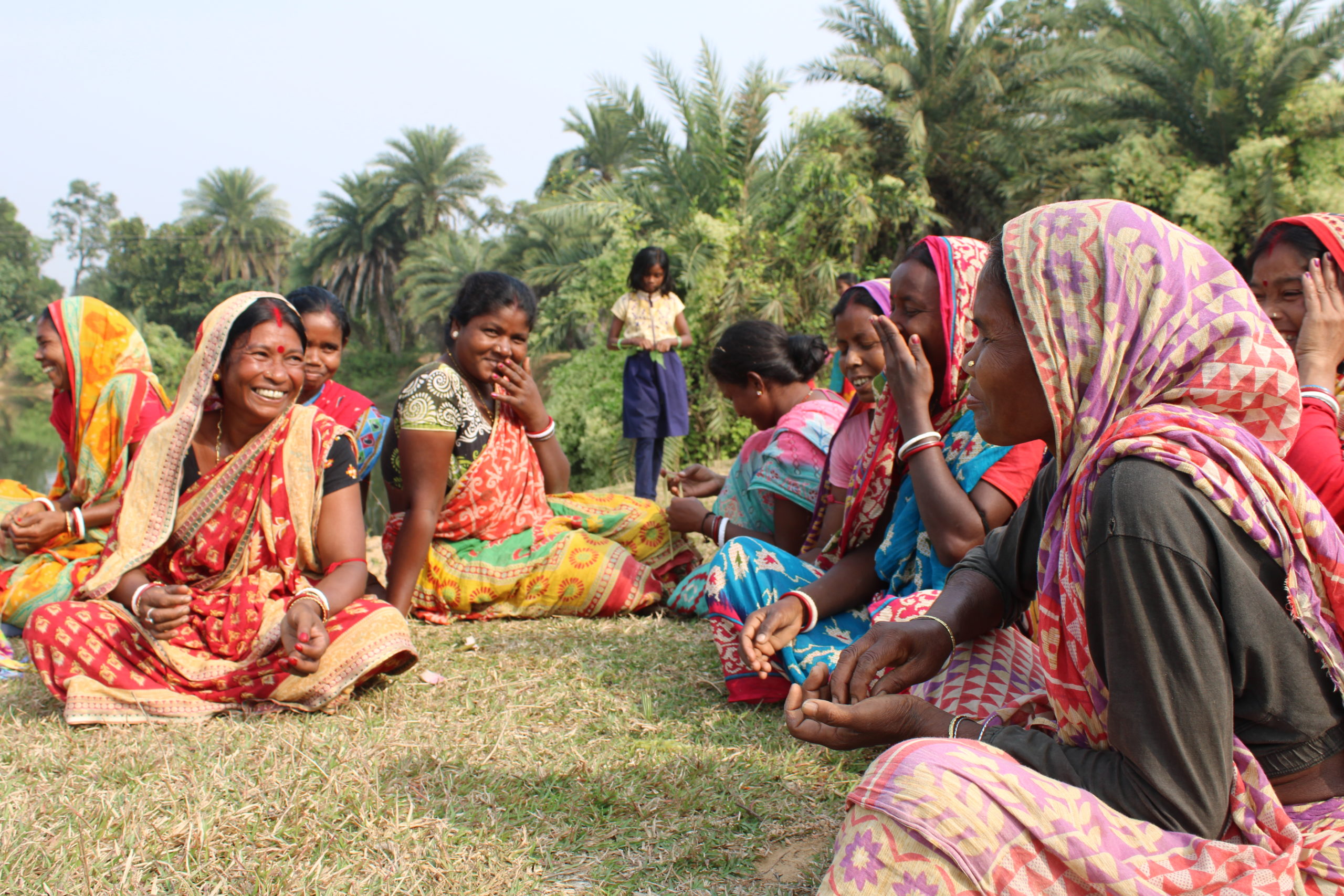
Interactive SHG Map of India: 7.5 million Women Self Help Groups are spread across 27 States and 6 UTs in India
Under the National Rural Livelihood Mission (NRLM), India has 7.5 million Women Self Help Groups (SHGs) spread across 27 states and 6 Union Territories. Each of these small, self-governed, and peer-co..