
Recent Developments,
Key Innovations, and
Insightful Reports
Your One Stop Platform for Regular Sector Updates
Sector news
View By Category
Categories
- See all
- Agriculture
- Clean Cookstoves
- Clean Energy
- Climate Action
- Digital Technology
- Education
- Financial Services
- General
- Healthcare
- Hygiene
- Impact Investment
- Inclusive Value Chains
- Livelihoods
- Livestock
- Lower Income Consumers
- Marketing, Distribution and Sales for BoP
- Nutrition
- Sanitation
- Water
- Women Empowerment


August 31, 2012
Yemen’s humanitarian crisis
Yemenis are facing on the worst hunger crisis in the history of the country, but this fact is easily masked by the focus on al-Qaeda’s activities in the country. Read more here.
August 31, 2012
The top 10 of the worst places for food security
An index released by the Economic Intelligence Unit (EIU) compiled a list of places which are the worst as well as the best places to find food. DRC (Democratic Republic of Congo) was found to be the worst place to find something to eat. Read more here.
August 31, 2012
Exacerbating food situation in Zimbabwe
Irregular rains, economic difficultues and inefficient agricultural practices and erratic rains have led to Zimbabwe’s food security situation becoming extremely perilous for its citizens. Over 1.6 million people will be in need of food assisstance in January. Read more here.
August 31, 2012
South Africa: Paying more for basic food
Due to high inflation and the worst US drought since the year 1956, South Africans will be paying more for the basic food items. For the poor the smallest increase in food prices would actually constitute a higher percentage of their monthly income. Read more here.
August 31, 2012
Food wastage in America
According to a report by the Natural Resources Defence Council, American consume as much as 10 times more food than people in Southeast Asia, and 50 per cent more than Americans back in the 1970s, and about 40 per cent of this food is thrown away. Read […]
August 31, 2012
Intergrating Food Security with Land Reform: A More Effective Policy for South Africa
This policy brief explores how land security rights for South Africa’s poor farmers is directly related to scaling of food security in the country. Read the report here.
August 31, 2012
Nigeria to comabt Vitamin A deficiency with a hybrid maize
Nigeria has recently released two strains of fortified maize hybrids for use in the country’s agricultural sector. The hybrids contain more beta-carotene, and these varieties were released by the National Variety Release Committee of Nigeria. Read more here.
August 31, 2012
Urban malnutrition in Gujarat, India
The Ahmedabad Municipal Corporation (AMC) is out to fix the situation of urban malnutrition, found in plenty in the city. On September 10, AMC plans to organize a rally on malnutrition, to reach out to the poor urban population through awareness generation methods like advertisements and […]
August 31, 2012
Pakistan: Calling for proposals for nutrition policy
The government of Khyber-Pakhtunkhwa is seeking proposals for a much needed nutritional policy for the province and FATA (Federally Administered Tribal Areas). Improving nutrition is a socio-economic challenge in Pakistan, which has child anaemia rates of 62 per cent. Read more here.
Get The Latest From The Social Sector In Your Inbox

Subscribe to our newsletter
View Our Publications
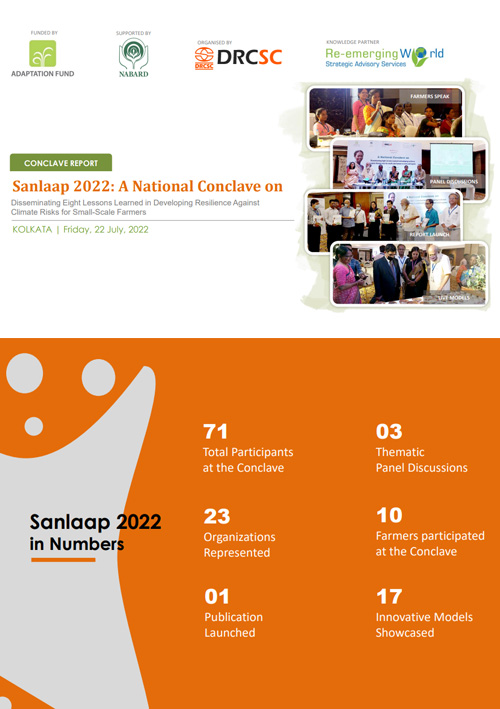
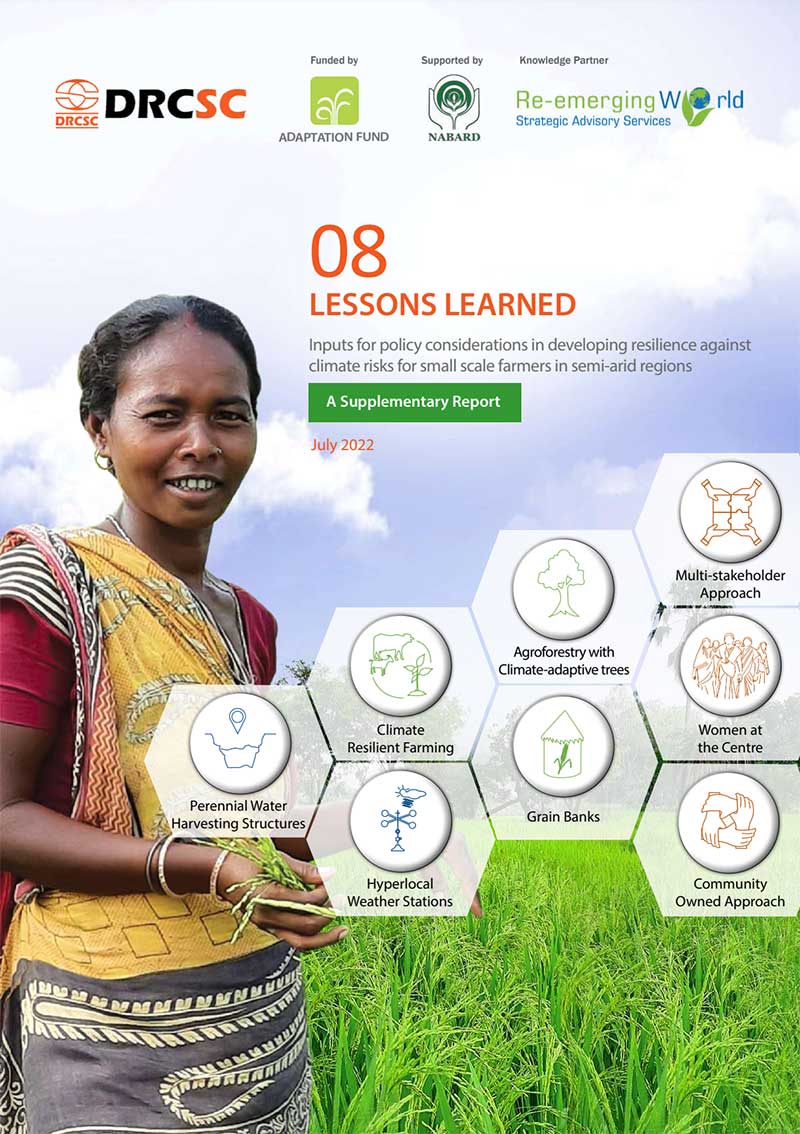
Eight Lessons Learned: Inputs for policy considerations in developing resilience against climate risks for small scale farmers in semi-arid regions, full report
Download Full Report
View Blog Posts
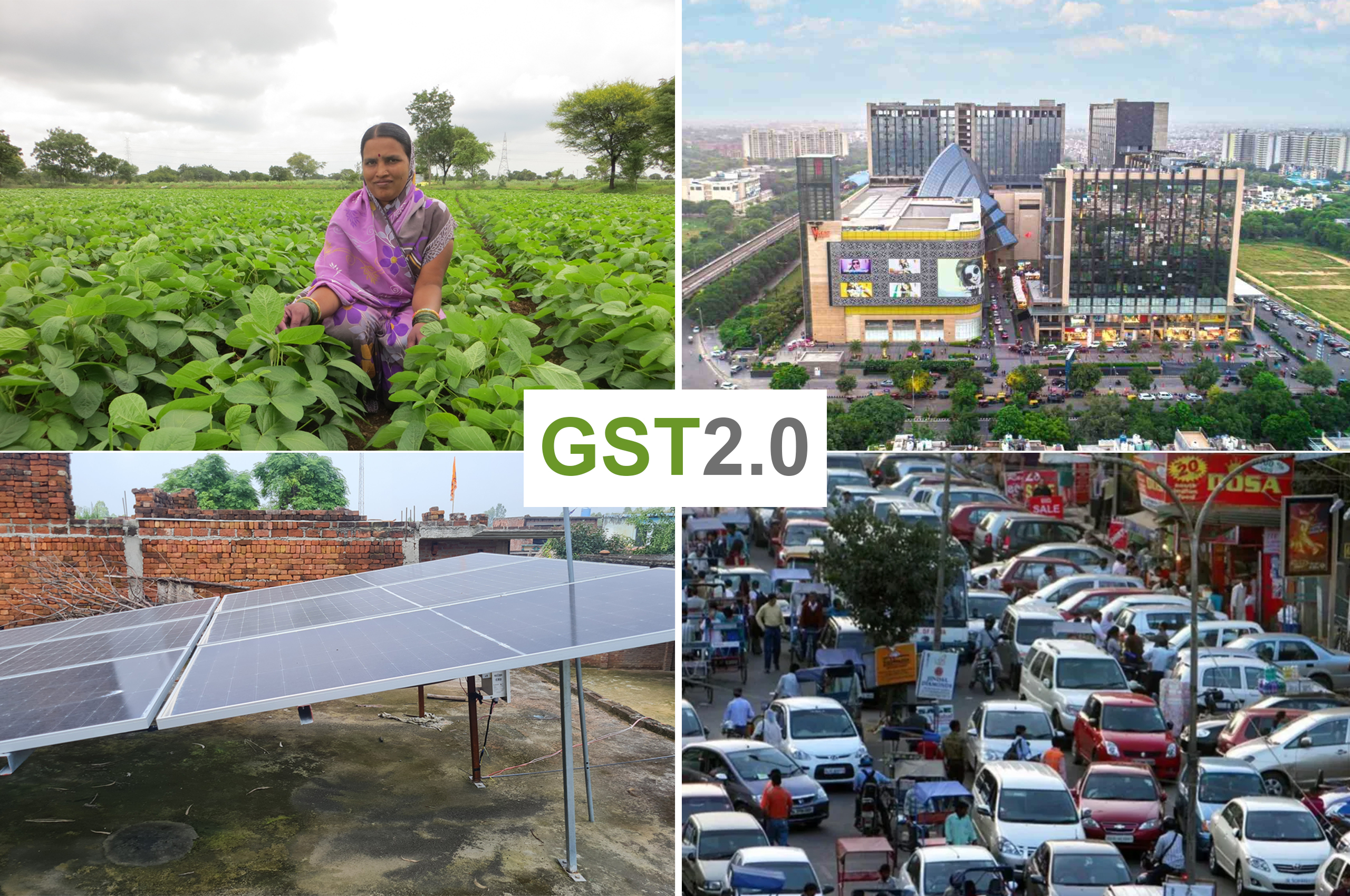
GST 2.0 and Tax Cuts: Can They Make Growth Fairer and Greener?
India's latest GST reform, being termed as GST 2.0, is more than just slashing rates. By simplifying the tax structure, cutting levies on essentials, and supporting renewable infrastructure, it's open..
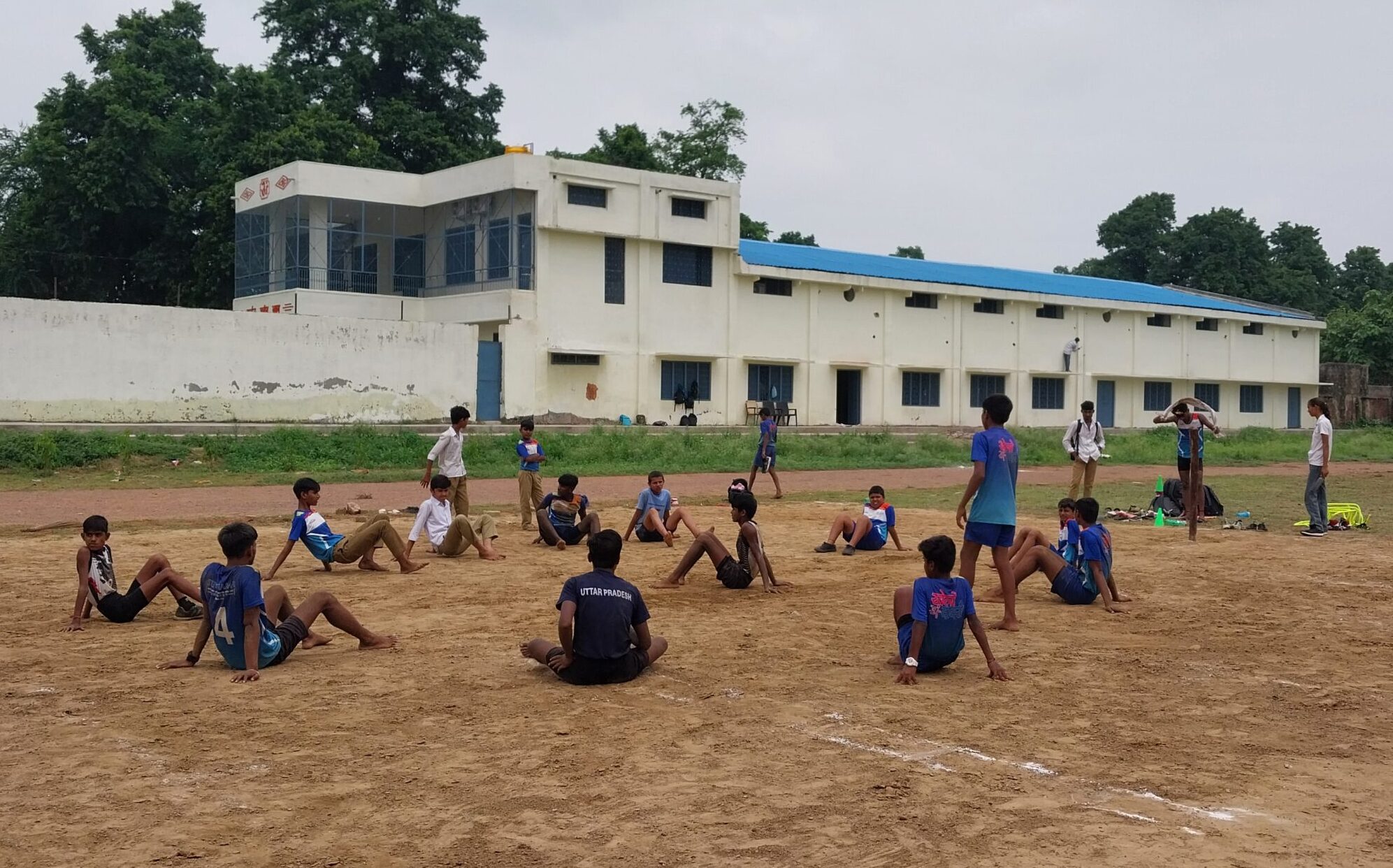
Reimagining Sports in CSR: From Tokenism to a Vehicle for Multiplying Impact
In 2023–24, Indian companies spent about ₹1,396 crore of their CSR budgets on sports — just 4% of the total ₹34,909 crore Indian corporates spent on CSR that year. Most of the rest went to edu..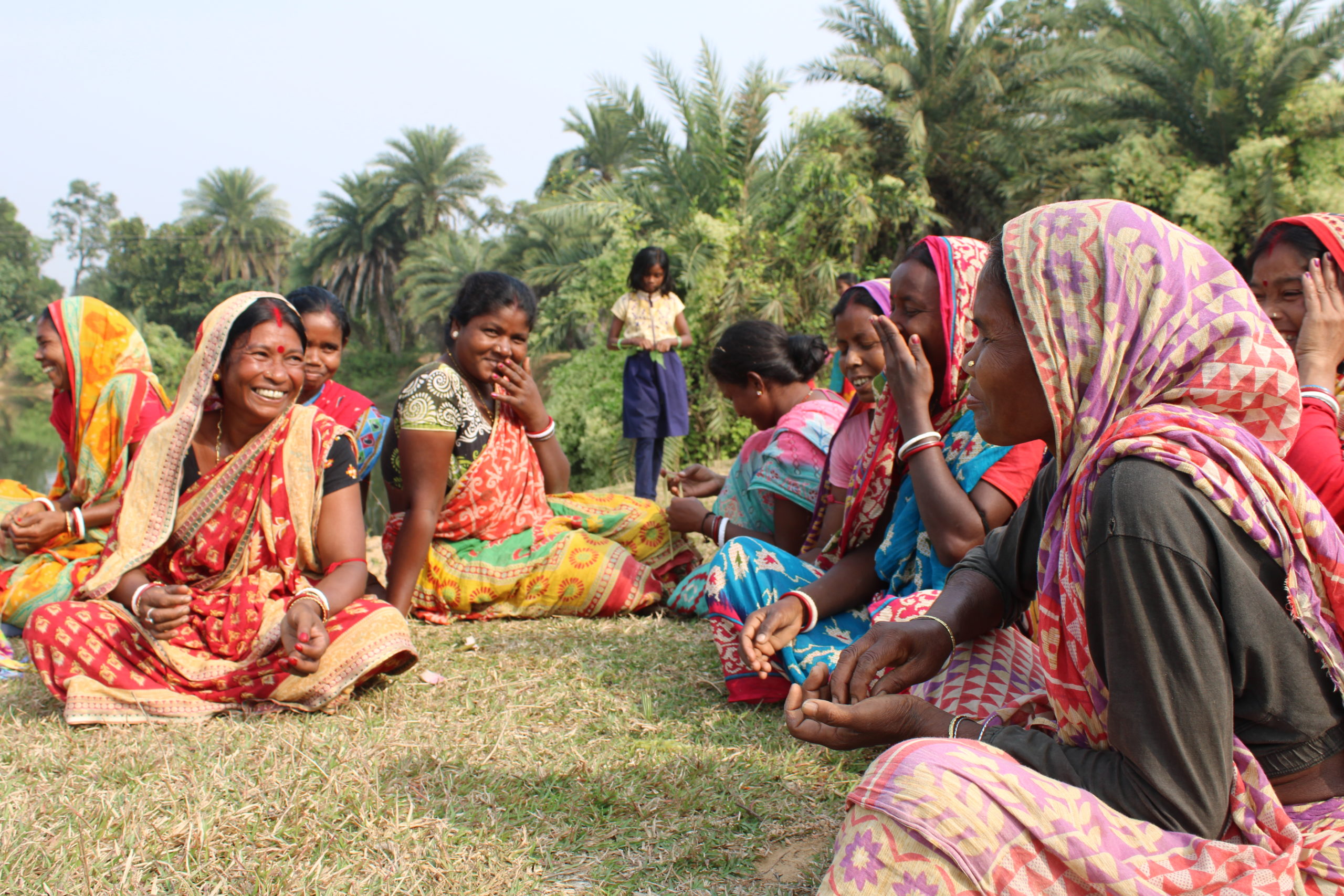
Interactive SHG Map of India: 7.5 million Women Self Help Groups are spread across 27 States and 6 UTs in India
Under the National Rural Livelihood Mission (NRLM), India has 7.5 million Women Self Help Groups (SHGs) spread across 27 states and 6 Union Territories. Each of these small, self-governed, and peer-co..