
Recent Developments,
Key Innovations, and
Insightful Reports
Your One Stop Platform for Regular Sector Updates
Sector news
View By Category
Categories
- See all
- Agriculture
- Clean Cookstoves
- Clean Energy
- Climate Action
- Digital Technology
- Education
- Financial Services
- General
- Healthcare
- Hygiene
- Impact Investment
- Inclusive Value Chains
- Livelihoods
- Livestock
- Lower Income Consumers
- Marketing, Distribution and Sales for BoP
- Nutrition
- Sanitation
- Water
- Women Empowerment


August 21, 2012
State of the Integrated Field of Health and Microfinance in India
This report titled “State of the Integrated Field of Health and Microfinance in India: Harnessing the Strengths of Two Sectors to Improve Health and Alleviate Poverty” tries to explain the concept of integrated health and microfinance units in India. Read the report here.
August 21, 2012
Madhya Pradesh, India’s vocational training for girls
In Madhya Pradesh, India, the sex ratio is disproportionately skewed. In response the government has launched a campaign called ‘Beti Bachao Abhiyan’, or Save Daughters campaign. Now, a new vocational training programme for adolescent girls has been launched under this programme. Read more here.
August 21, 2012
Madagascar to receive grants and funds for agri-vocational training
The IFAD (International Fund for Agricultural Development) is providing Madagascar with a loan of US$333 million, and a grant of US$2 million to help improve the agricultural productivity in the country through a new vocational training programme called FORMAPROD (Vocational Training and Agricultural Productivity Improvement Programme). Read more here.
August 21, 2012
Rwanda: World Vision hands over a vocational training institute
World Vision Rwanda recently handed over a new TVT (Technical Vocational Training) centre to the Nyaruguru District in Southern Rwanda. This is expected to lower the school drop-out rates by helping more local children access educational facilities. Read more here.
August 21, 2012
Switching from BPO to BoP education
This post delineates the contribution of technical training to employ a large labour-force at the base of the pyramid in India. Most approaches so far were low-tech programmes, confined to small scale. The BPO movement which revolutionized the employment scenario in India can now be leveraged for the BoP sector […]
August 21, 2012
Why vocational training must be a global concern
This post highlights the vocational training scenario in Sri Lanka, recent initiatives taken and milestones left to scale, and echoes with the existent circumstances of vocational training across the world as well. It addresses the basic issue of lesser importance given to vocational training, and the price a company’s economy […]
August 21, 2012
Schooling challenges in India – and why privatization is not the answer
In Uttar Pradesh, India, the educational scenario is truly dismal. In 2002, 53 per cent of posts of principal, head teacher and vice principal were vacant. This has led even the poorer parents to look towards the low-cost private schools which, with their cost structure directly compete with public schools. […]
August 21, 2012
Justin Sandefur, Duncan Green and the public-private school debate
A recent post by Centre for Global Development blogger Justin Sandefur, criticising public schooling centres in terms of quality of teaching and talking about the benefits of private schooling, led to a long and insightful debate between Duncan Green (Oxfam blogger) and him. Read the summary of the outcome of […]
August 21, 2012
The WISE Summit, and Ghanian chain of Omega schools
The WISE Awards recognize six projects for their concrete, positive impact upon society under the theme of ‘Transforming Education’ and helping achieve the MDG2 (Millennium Development Goal 2) through innovative business models. Read more here. As one of the finalists, a low-cost school chain from Ghana, the Omega Schools have […]
Get The Latest From The Social Sector In Your Inbox

Subscribe to our newsletter
View Our Publications
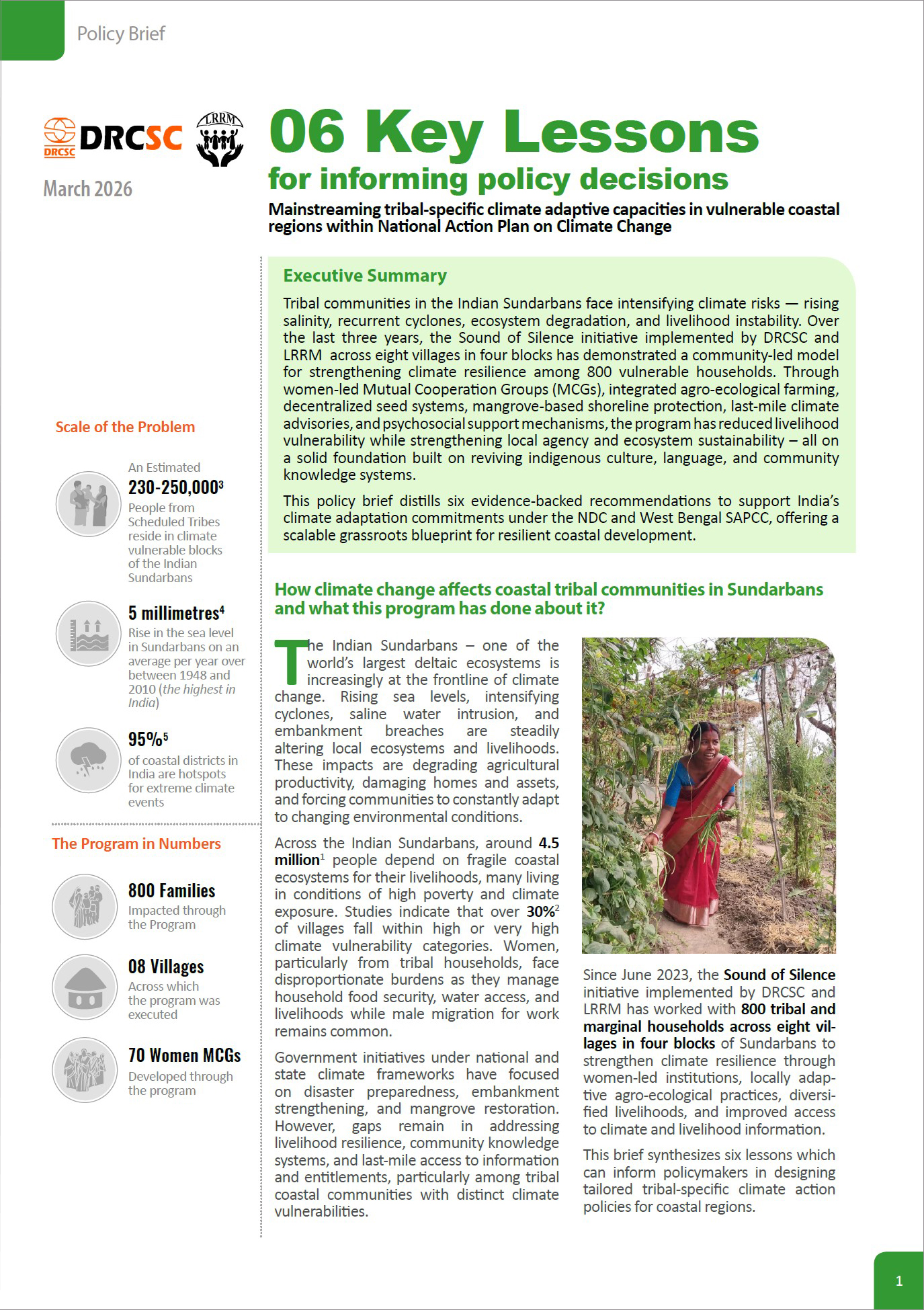
06 Key Lessons for informing policy decisions: Mainstreaming tribal-specific climate adaptive capacities in vulnerable coastal regions within National Action Plan on Climate Change
Download Full Report
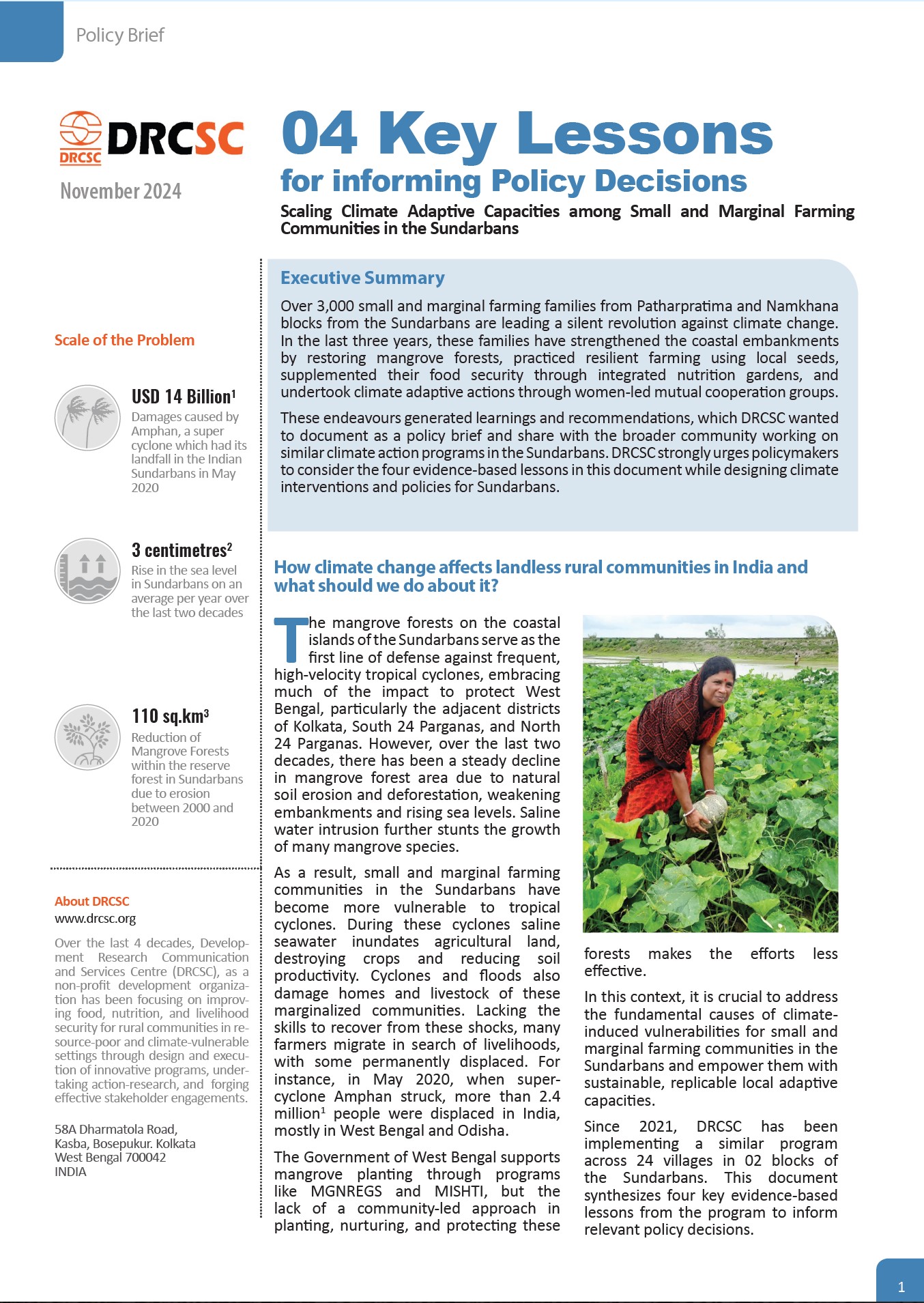
Four Key Lessons for Policy Consideration: Scaling Climate Adaptive Capacities among Small and Marginal Farming Communities in the Sundarbans
Download Full Report
View Blog Posts
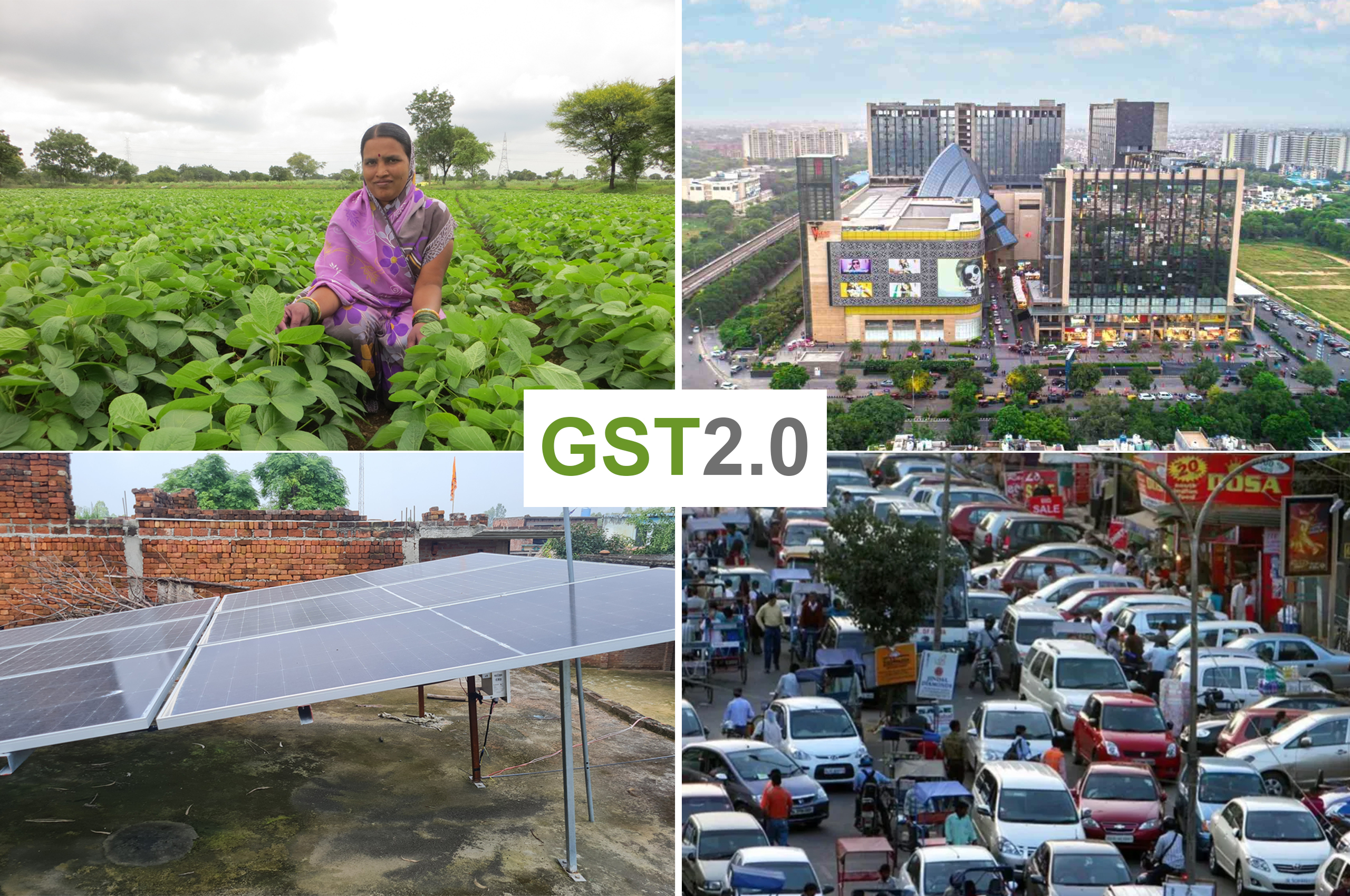
GST 2.0 and Tax Cuts: Can They Make Growth Fairer and Greener?
India's latest GST reform, being termed as GST 2.0, is more than just slashing rates. By simplifying the tax structure, cutting levies on essentials, and supporting renewable infrastructure, it's open..
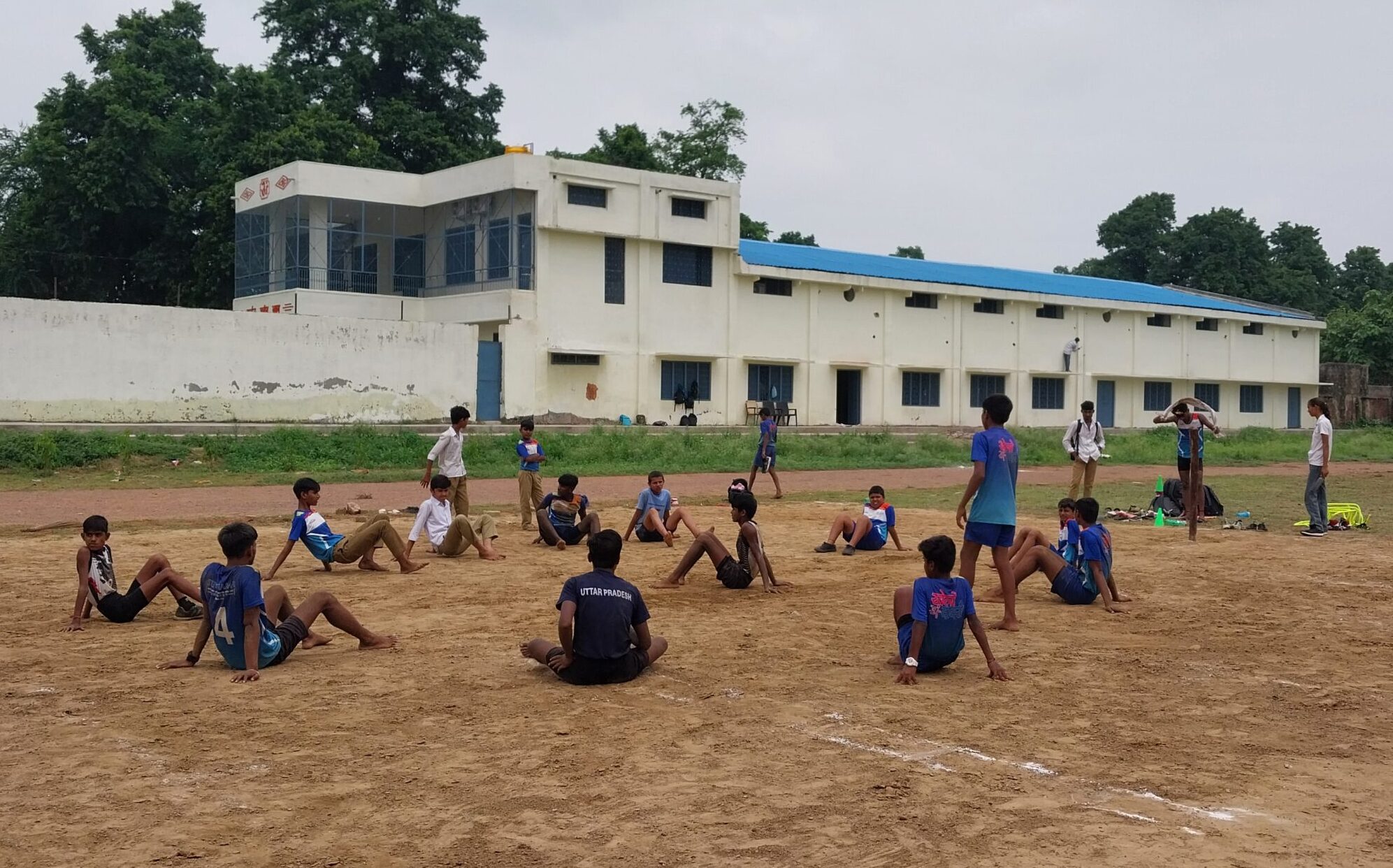
Reimagining Sports in CSR: From Tokenism to a Vehicle for Multiplying Impact
In 2023–24, Indian companies spent about ₹1,396 crore of their CSR budgets on sports — just 4% of the total ₹34,909 crore Indian corporates spent on CSR that year. Most of the rest went to edu..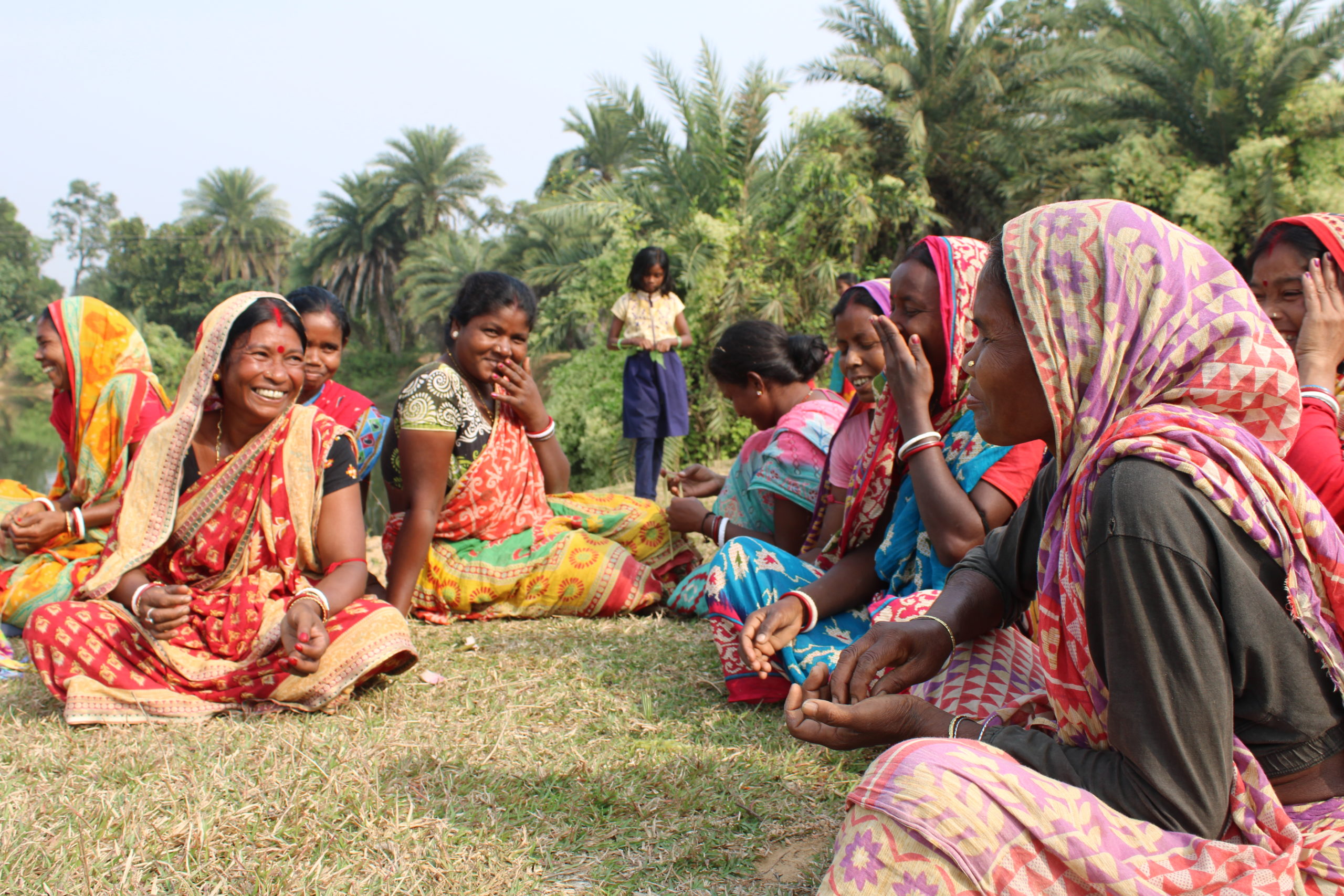
Interactive SHG Map of India: 7.5 million Women Self Help Groups are spread across 27 States and 6 UTs in India
Under the National Rural Livelihood Mission (NRLM), India has 7.5 million Women Self Help Groups (SHGs) spread across 27 states and 6 Union Territories. Each of these small, self-governed, and peer-co..