
Recent Developments,
Key Innovations, and
Insightful Reports
Your One Stop Platform for Regular Sector Updates
Sector news
View By Category
Categories
- See all
- Agriculture
- Clean Cookstoves
- Clean Energy
- Climate Action
- Digital Technology
- Education
- Financial Services
- General
- Healthcare
- Hygiene
- Impact Investment
- Inclusive Value Chains
- Livelihoods
- Livestock
- Lower Income Consumers
- Marketing, Distribution and Sales for BoP
- Nutrition
- Sanitation
- Water
- Women Empowerment


August 21, 2012
The case for crowdfunding in impact investment
While more and more investors are willing to align themselves with the growing opportunities of investing with impact, impact investment mechanisms only stand to benefit from innovations like crowd-funding, and crowd-funding may even be called accelerator for impact investment. Read more here.
August 18, 2012
Integrated Health and Microfinance in India – Harnessing the Strengths of Two Sectors to Improve Health and Alleviate Poverty
This report titled “State of the Integrated Field of Health and Microfinance in India: Harnessing the Strengths of Two Sectors to Improve Health and Alleviate Poverty” tries to explain the concept of integrated health and microfinance units in India. [wpdm_file id=1]
August 17, 2012
IFC helps farmers in Andhra Pradesh, India
IFC, the World Bank group has announced that it has decided to help improve banking and financial services for farmers in Andhra Pradesh. It will be helping Andhra Pradesh State Cooperative Bank build its service capacities for the farmers – it will help train the bank staff and member institutions […]
August 17, 2012
Amiran Kenya launches one-acre ‘Irrigation Kit’
Agriculture and horticulture company of Kenya, Amiran Kenya has recently launched an Irrigation Kit priced at Sh 360,000 (US$ 4300 approx.). This kit comes with a water tank, smart fertilizers, drip irrigation pipes and more. It ensures farm productivity and reduces reliance of farmers on the erratic weather patterns. Read […]
August 17, 2012
Droughts occur every 2.5 years, says Indian Council of Agricultural Research
Scientists at ICAR (Indian Council of Agricultural Research) have noticed a drought pattern of repetition of 2.5 years in Telangana and Rayalaseema in India, and a repetition of 5 years in coastal Andhra Pradesh. Read more here.
August 17, 2012
India: BT cotton had no significant benefits for farmers
Mainstreaming of genetically modified crops was protested not only by activists but also by farmers. Now there is evidence that the BT cotton crop promoted so aggressively did not, in fact, have a significant effect on production. Read more here.
August 17, 2012
Investing in Africa’s smallholder farmers
Recently there have been several posts pointing out differences in the agendas of President Obama’s model for African agriculture, and that of APP (Africa Progress Panel) which runs under the leadership of Kofi Annan. This post attempts to provide a differing opinion. Read it here.
August 17, 2012
Brazil’s fund for low carbon agriculture faces low take-up
Brazil’s ABC programme (low carbon agriculture programme) is one of the most ambitious in the world – it plans to cut emissions due to farming by as much as 38 per cent by 2020. However, it is facing low uptake by farmers. Read more here.
August 17, 2012
India: Drought spells disaster for farmers
The latest monsoon rainfall data has finally confirmed that India is indeed facing a drought. This has put millions of livestock farmers in danger – those who carve out a living through small landholdings and milk from cattle. Read more here.
Get The Latest From The Social Sector In Your Inbox

Subscribe to our newsletter
View Our Publications
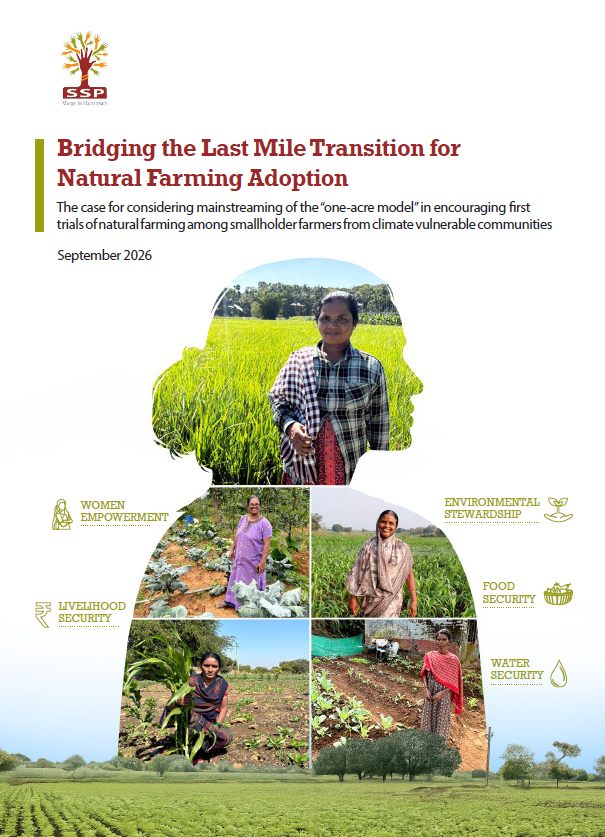
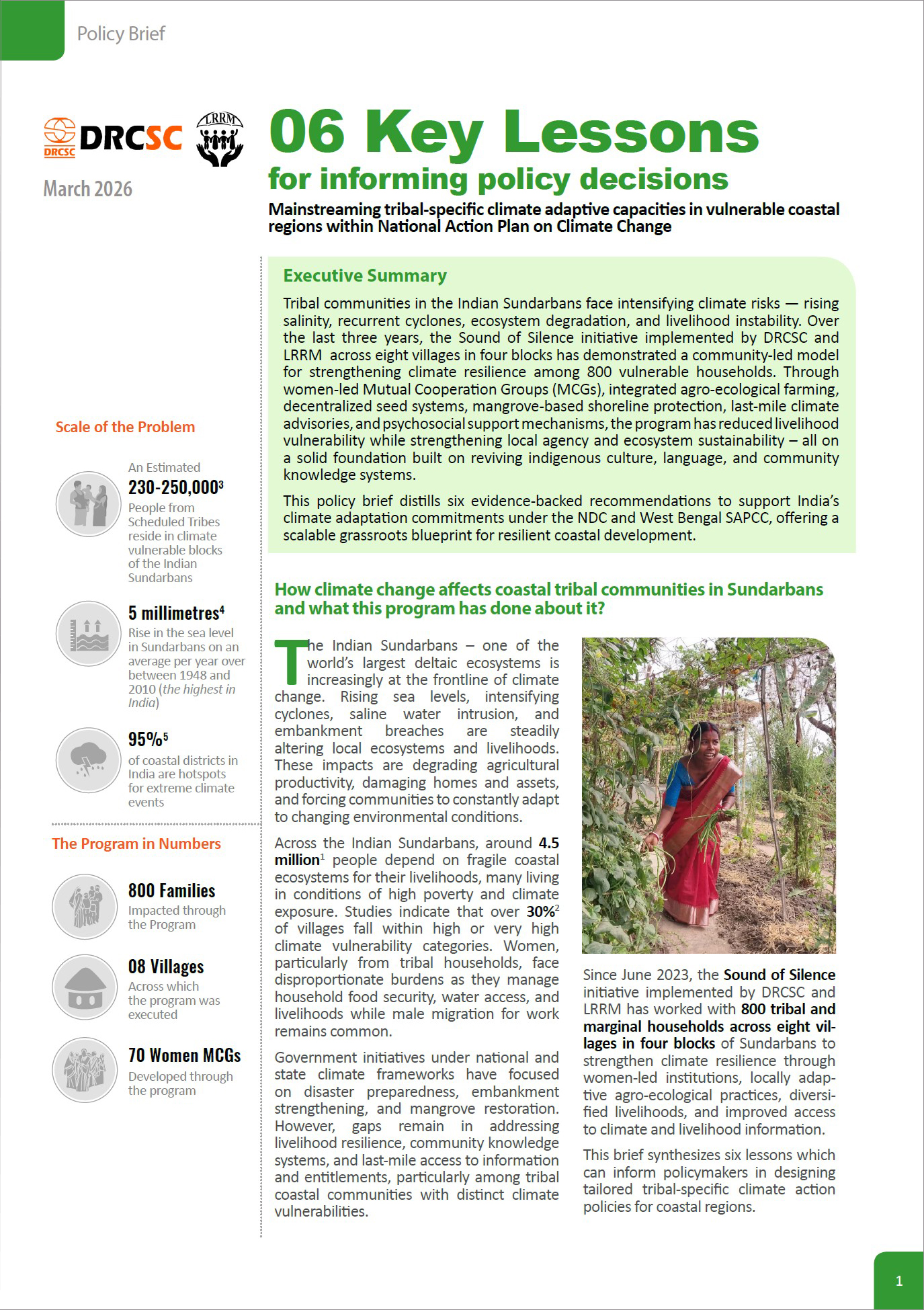
06 Key Lessons for informing policy decisions: Mainstreaming tribal-specific climate adaptive capacities in vulnerable coastal regions within National Action Plan on Climate Change
Download Full Report
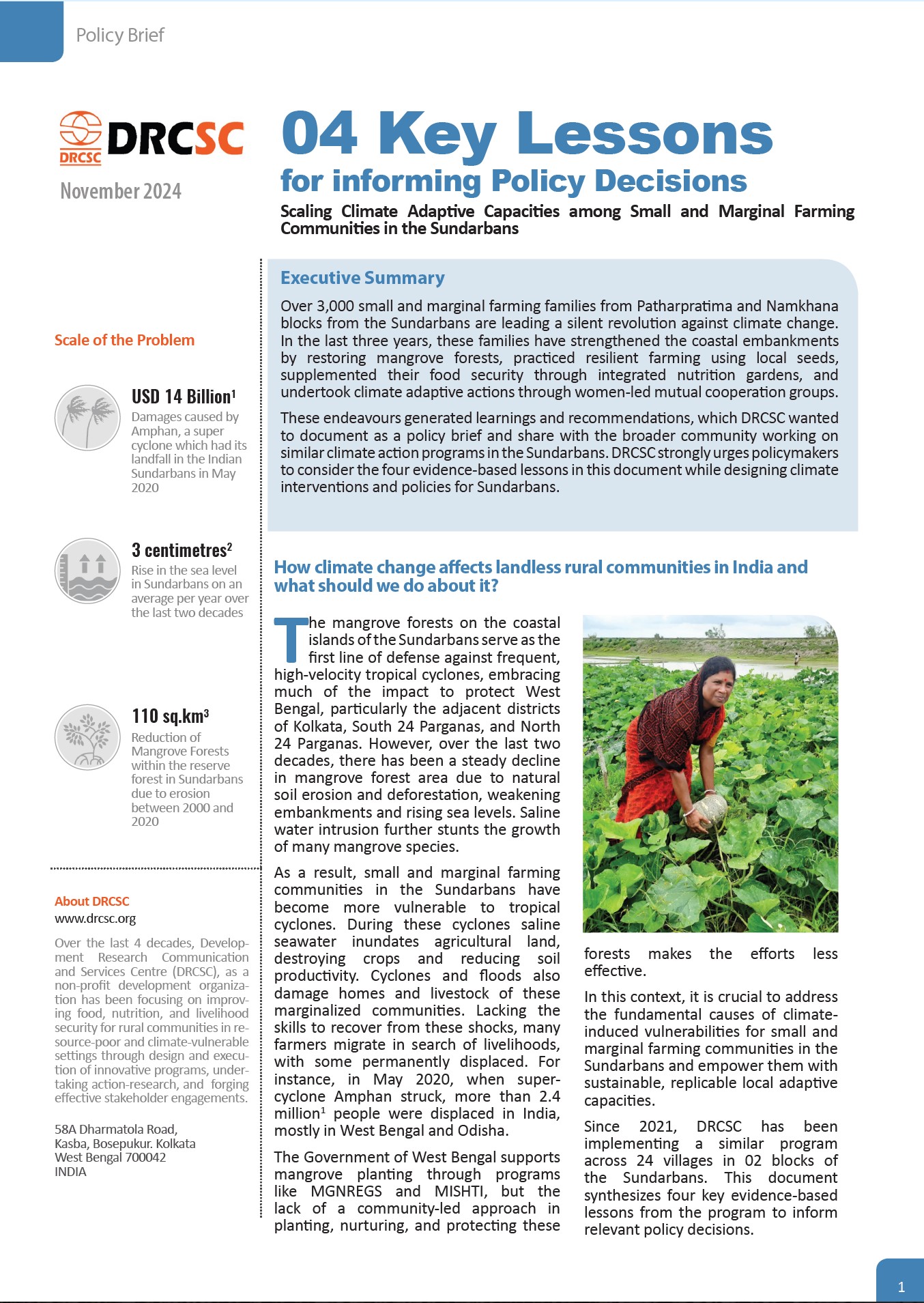
Four Key Lessons for Policy Consideration: Scaling Climate Adaptive Capacities among Small and Marginal Farming Communities in the Sundarbans
Download Full Report
View Blog Posts
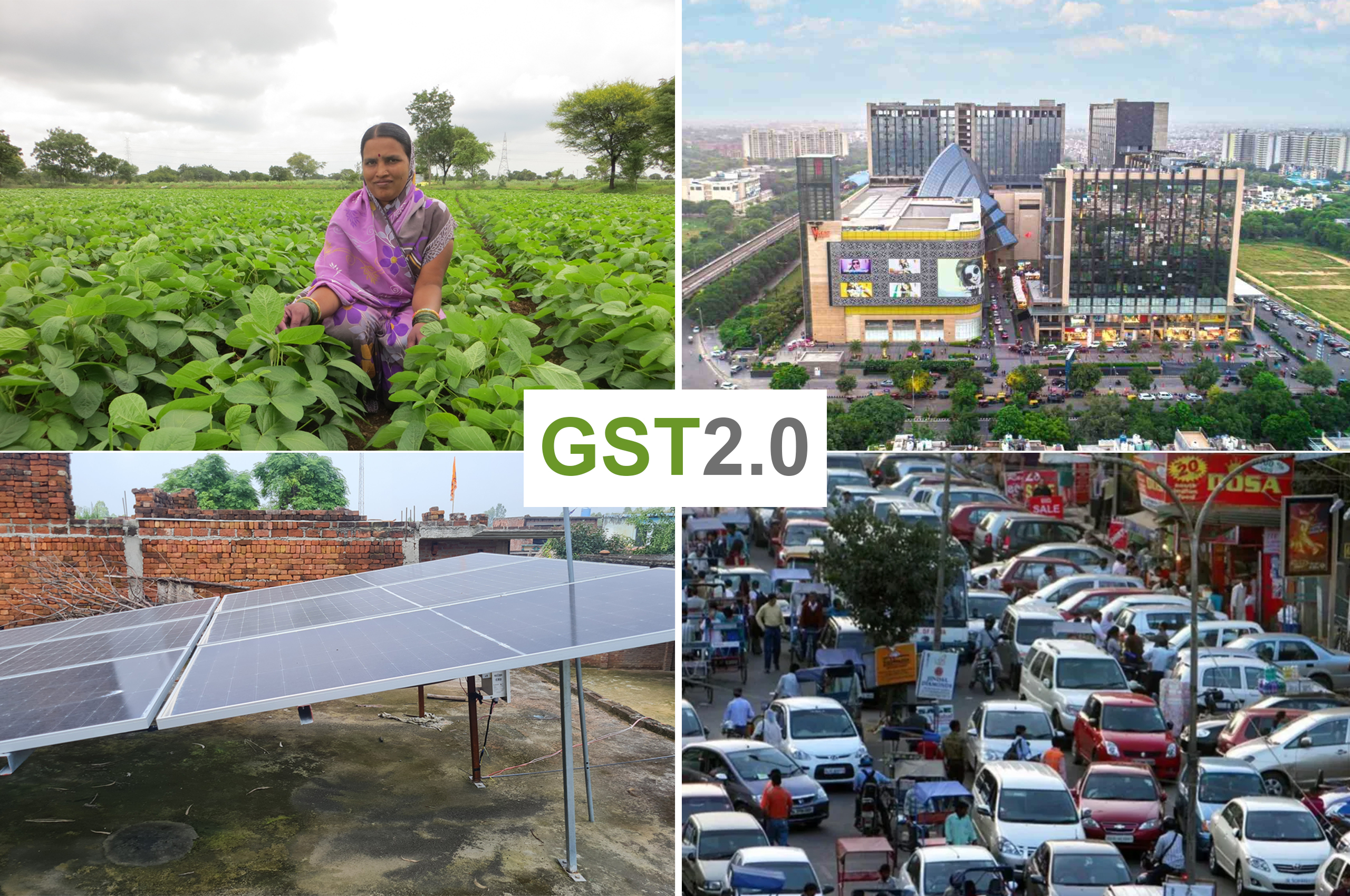
GST 2.0 and Tax Cuts: Can They Make Growth Fairer and Greener?
India's latest GST reform, being termed as GST 2.0, is more than just slashing rates. By simplifying the tax structure, cutting levies on essentials, and supporting renewable infrastructure, it's open..
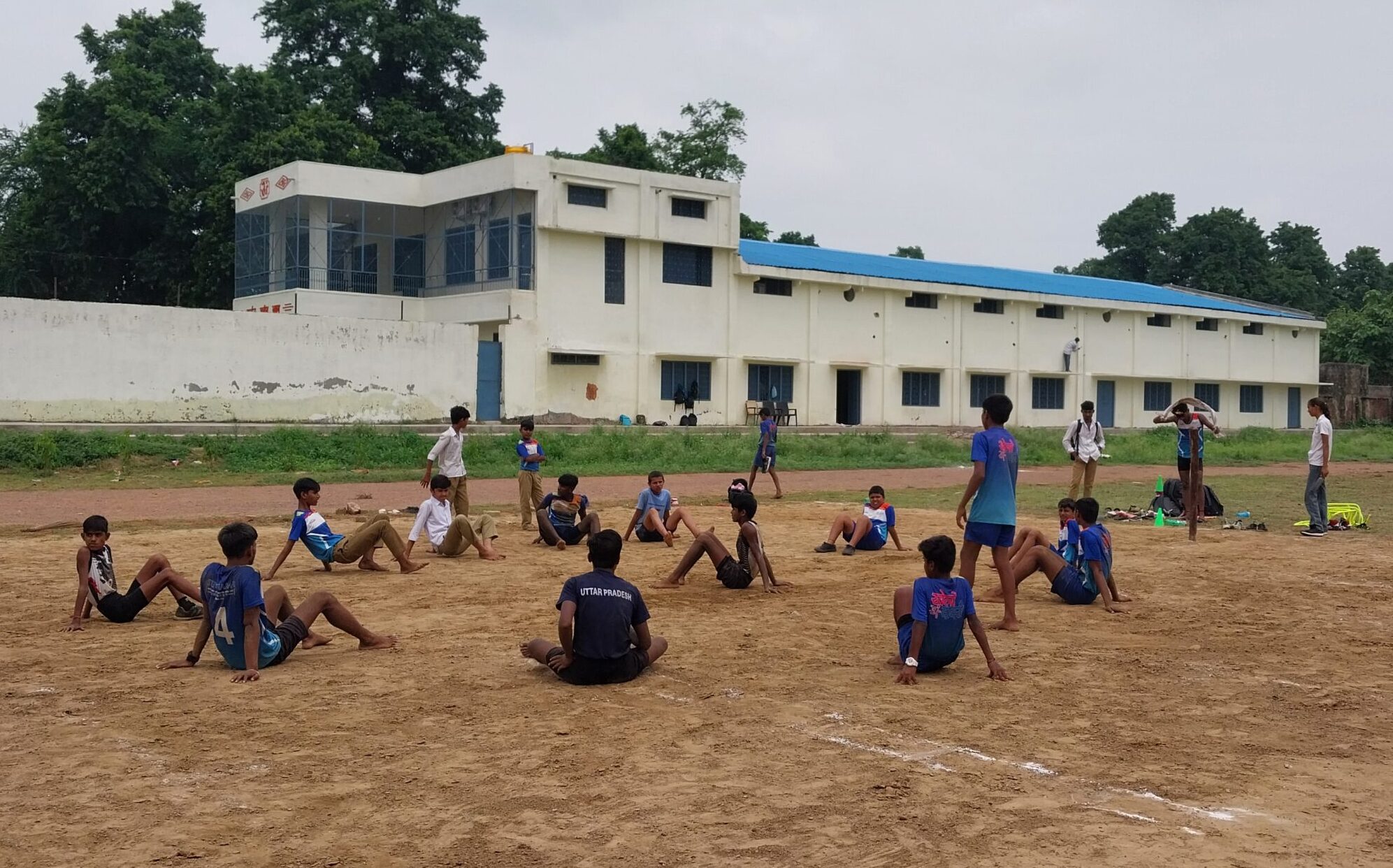
Reimagining Sports in CSR: From Tokenism to a Vehicle for Multiplying Impact
In 2023–24, Indian companies spent about ₹1,396 crore of their CSR budgets on sports — just 4% of the total ₹34,909 crore Indian corporates spent on CSR that year. Most of the rest went to edu..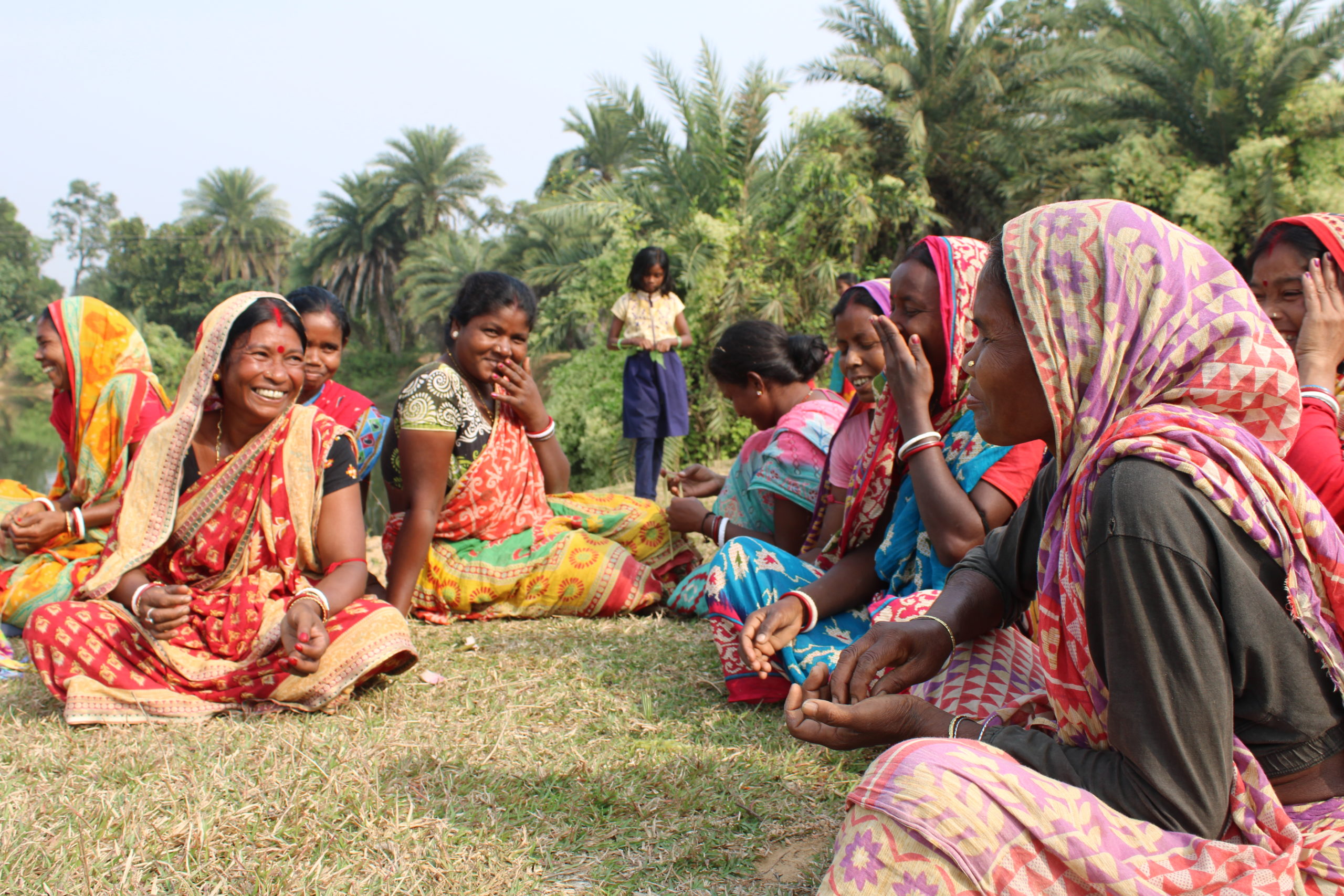
Interactive SHG Map of India: 7.5 million Women Self Help Groups are spread across 27 States and 6 UTs in India
Under the National Rural Livelihood Mission (NRLM), India has 7.5 million Women Self Help Groups (SHGs) spread across 27 states and 6 Union Territories. Each of these small, self-governed, and peer-co..