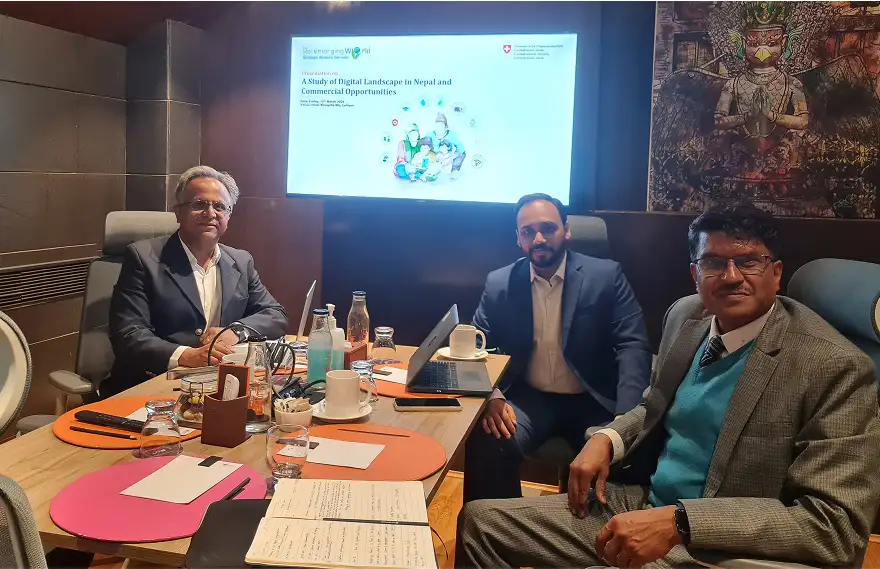

Recent Developments,
Key Innovations, and
Insightful Reports
Your One Stop Platform for Regular Sector Updates
Sector news
View By Category
Categories
- See all
- Agriculture
- Clean Cookstoves
- Clean Energy
- Climate Action
- Digital Technology
- Education
- Financial Services
- General
- Healthcare
- Hygiene
- Impact Investment
- Inclusive Value Chains
- Livelihoods
- Livestock
- Lower Income Consumers
- Marketing, Distribution and Sales for BoP
- Nutrition
- Sanitation
- Water
- Women Empowerment


August 17, 2012
Nigerian MFI disburses N 20.5 billion in six months
Nigerian MFI LAPO Microfinance Bank Limited has disbursed loans worth N20.5 billion (approximately US$129 million) to its customers within a span of 6 months. Read more here.
August 17, 2012
Nigeria: Poor identification and credit ratings a challenge for microfinance banks
The absence of a nationwide national identification programme in Nigeria has put microfinance institutions in a fix – the Central Bank of Nigeria makes it compulsory for account applicants at MFIs to provide valid identification, while petty traders and small business owners lack precisely that. Read more here.
August 17, 2012
Microfinance and the dilemma of IPOs
This post provides an interesting take on the fact that some of the microfinance institutions (SKS MFI in India, and Banco Compartamos in Mexico) have taken part in the mainstream capital markets and how social goals and enterprising models must be balanced. Read more here.
August 17, 2012
What the microfinance heretic says about US lenders
This post gives the author’s (one of the founders of the SEEP Network) perception of Hugh Sinclair’s book on microfinance. She points out that the narrative is largely damning, and goes onto relay what the key takeaways the book holds for American lenders. Read more here.
August 17, 2012
India: MFI body wants more relaxation
The industry body for MFIs, MFIN (Microfinance Institutions Network) is discontent with the relaxations offered by the new RBI guidelines and plans to approach the Central Bank to make more headroom on the margin of large NBFCs (Non-Banking Financial Company). Read more here.
August 17, 2012
Uganda: Expensive loans affecting micro-finance
Microfinance is increasingly becoming subject to higher interest rates and more expensive credit due to the effects of the global financial crisis being reflected in the sector. Read more here.
August 17, 2012
Tanzania: Future of microfinance grim
MicroNed’s country scan on microfinance of Tanzania paints a dismal picture – about 650,000 Tanzanians are have access to semi-formal services, 70,000 use MFIs and SACCOs (Savings and Credit Cooperatives) serve 320,000, and finally, mobile payment are on the rise. Read more here.
August 17, 2012
SKS microfinance’s losses narrow
SKS microfinance, India’s only listed microfinance company saw its net losses, which stood at INR 2.19 billion last year, shrinking to INR 388.4 million in the April-June period. Read more here. It also plans to expand beyond Andhra Pradesh. Read more here.
August 17, 2012
Bangladesh Government prepares to take control of the Grameen Bnk
While in an interview last year, Bangladesh’s Finance Minister indicated that the Bangladesh government wouldn’t make any moves to take over the Grameen Bank, the majority of whose shares are held by female Grameen members. However, a move by the cabinet has effectively nullified his spoken confirmation with a bill […]
Get The Latest From The Social Sector In Your Inbox

Subscribe to our newsletter
View Our Publications
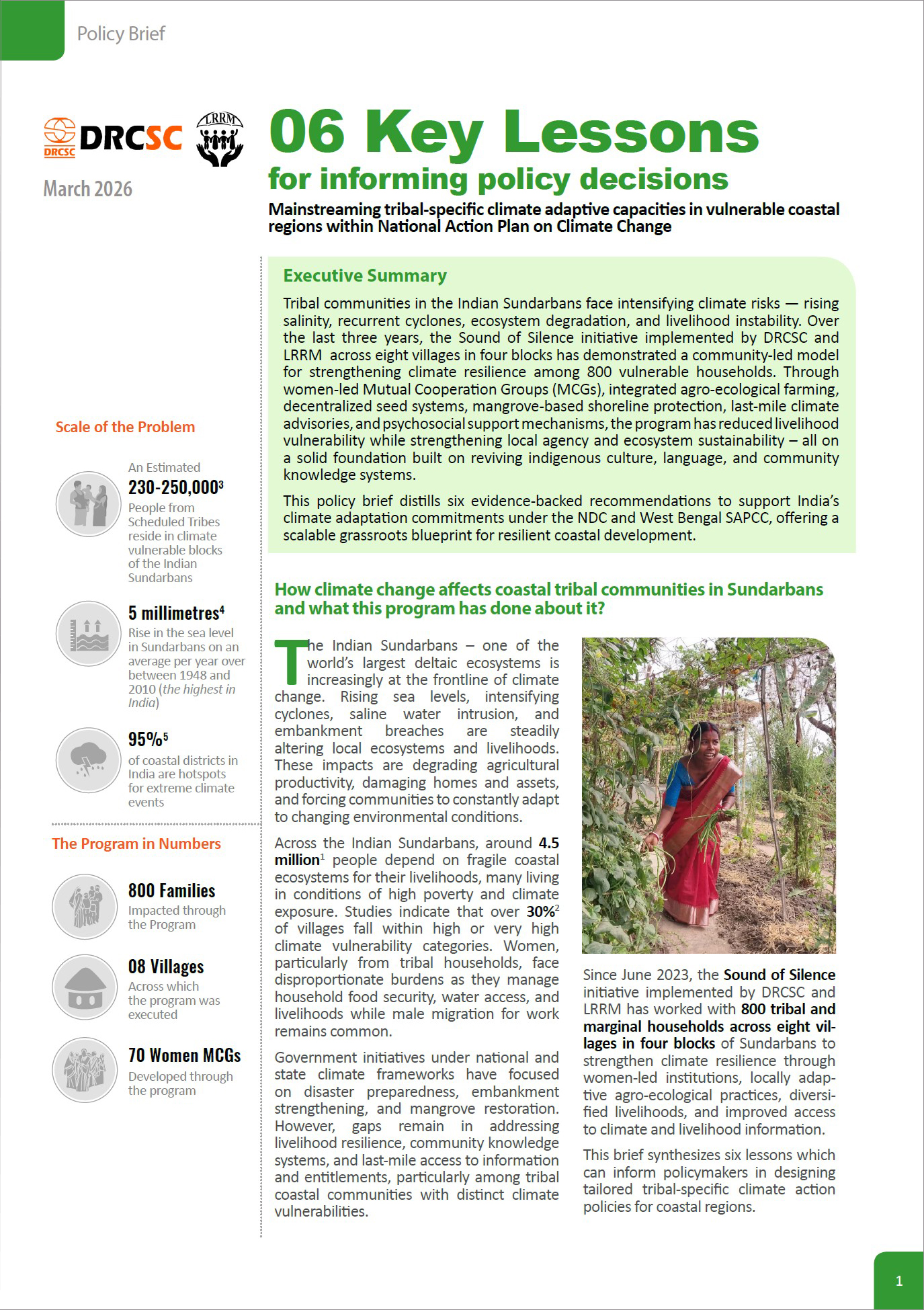
06 Key Lessons for informing policy decisions: Mainstreaming tribal-specific climate adaptive capacities in vulnerable coastal regions within National Action Plan on Climate Change
Download Full Report
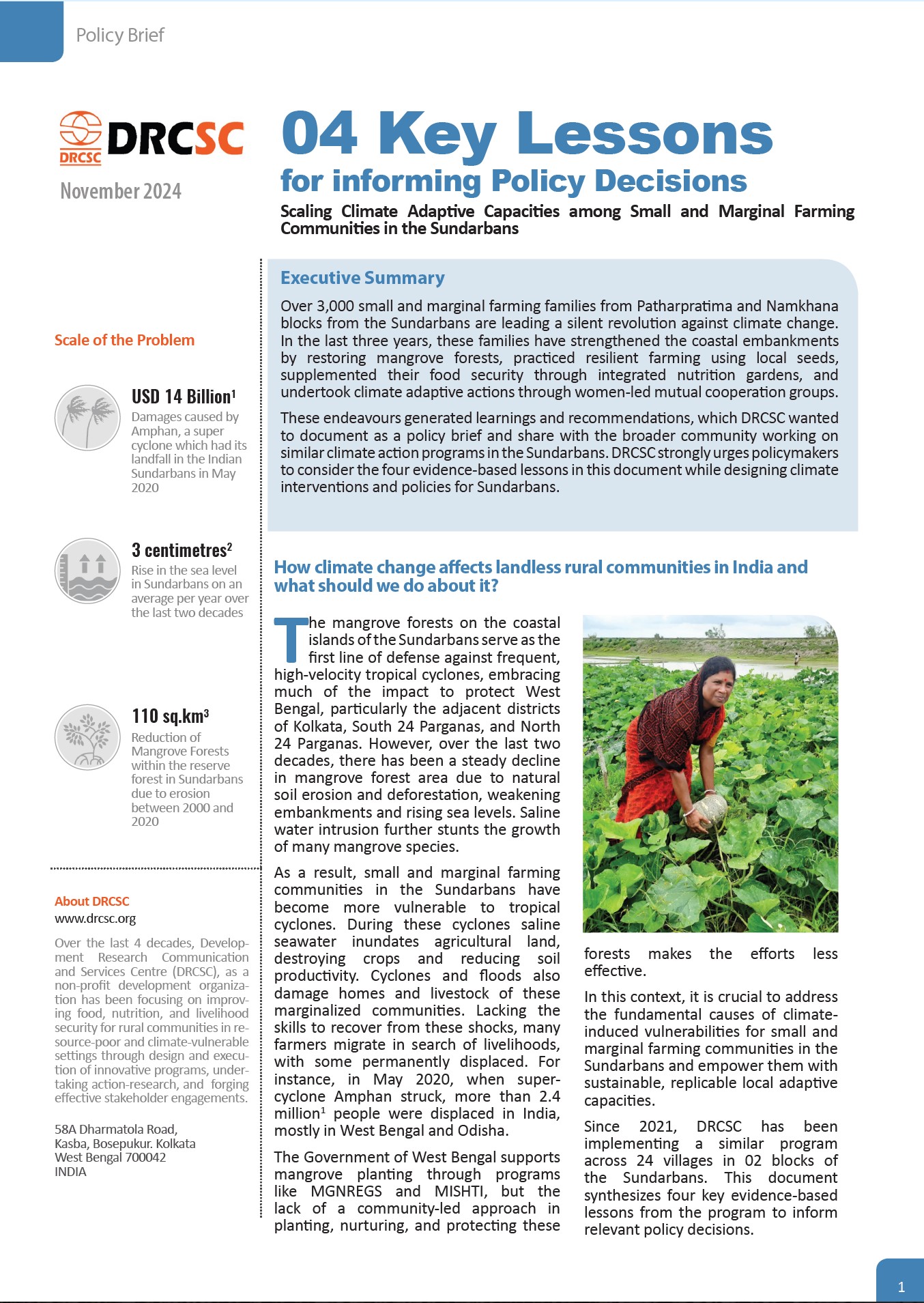
Four Key Lessons for Policy Consideration: Scaling Climate Adaptive Capacities among Small and Marginal Farming Communities in the Sundarbans
Download Full Report
View Blog Posts
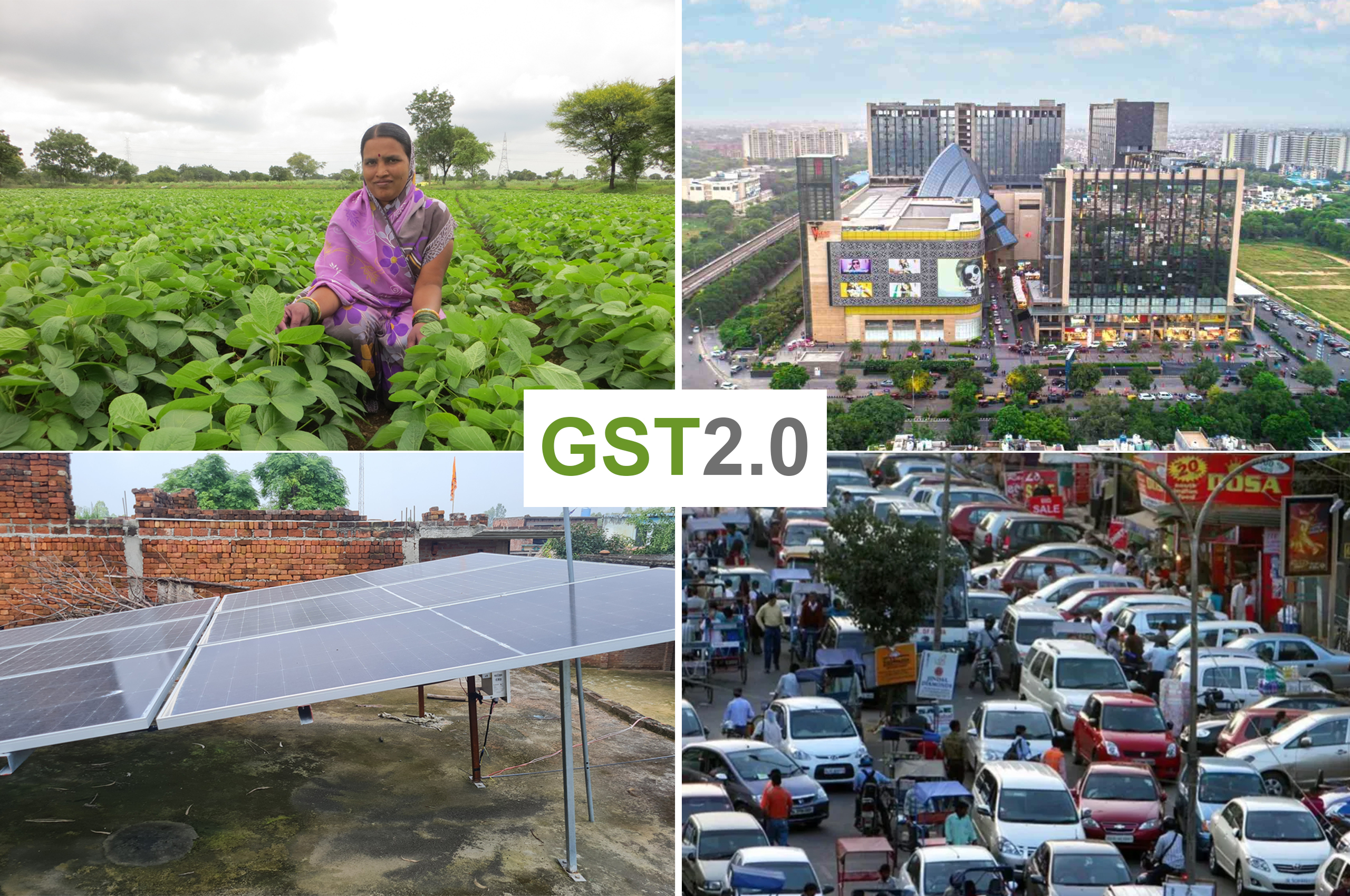
GST 2.0 and Tax Cuts: Can They Make Growth Fairer and Greener?
India's latest GST reform, being termed as GST 2.0, is more than just slashing rates. By simplifying the tax structure, cutting levies on essentials, and supporting renewable infrastructure, it's open..
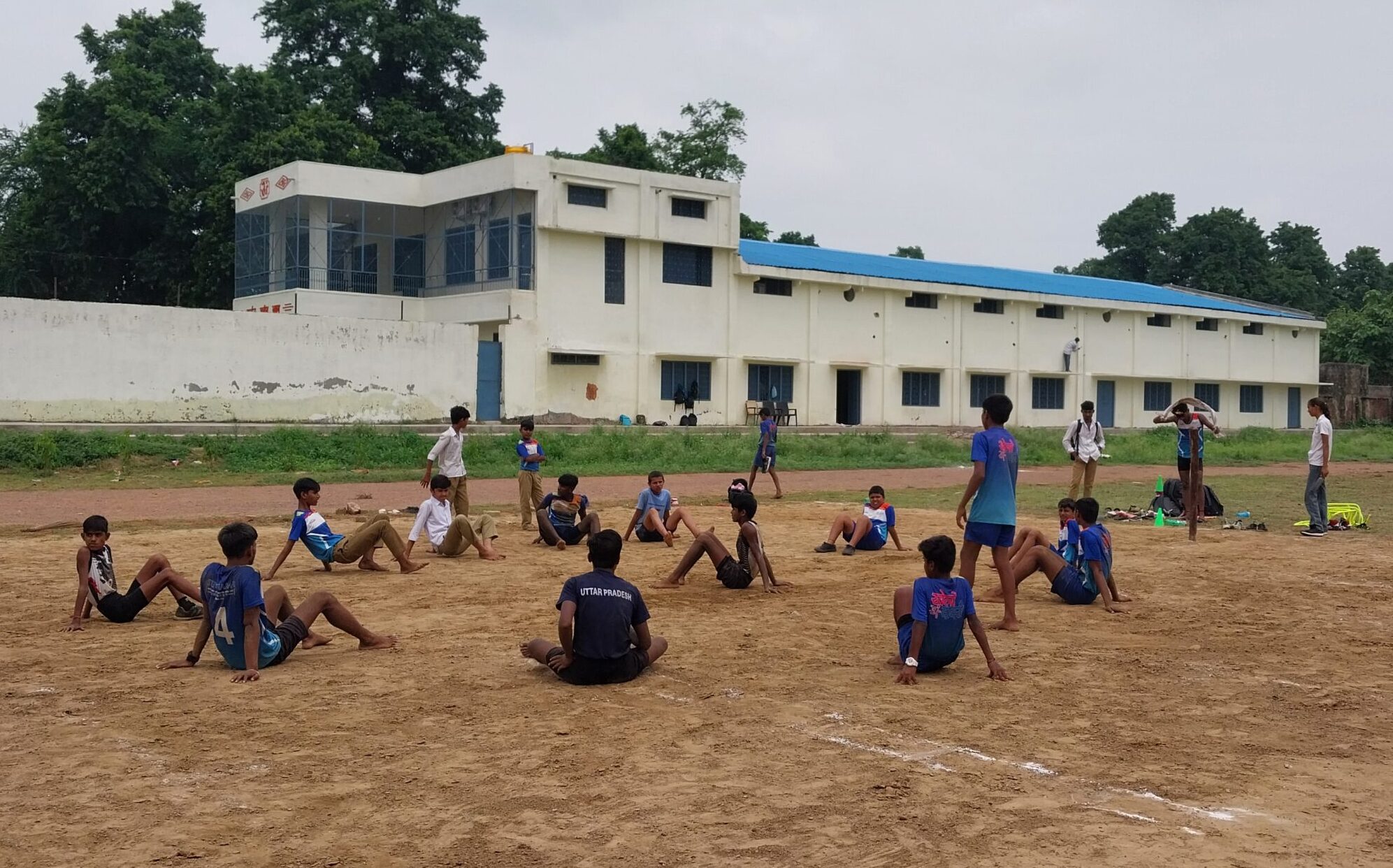
Reimagining Sports in CSR: From Tokenism to a Vehicle for Multiplying Impact
In 2023–24, Indian companies spent about ₹1,396 crore of their CSR budgets on sports — just 4% of the total ₹34,909 crore Indian corporates spent on CSR that year. Most of the rest went to edu..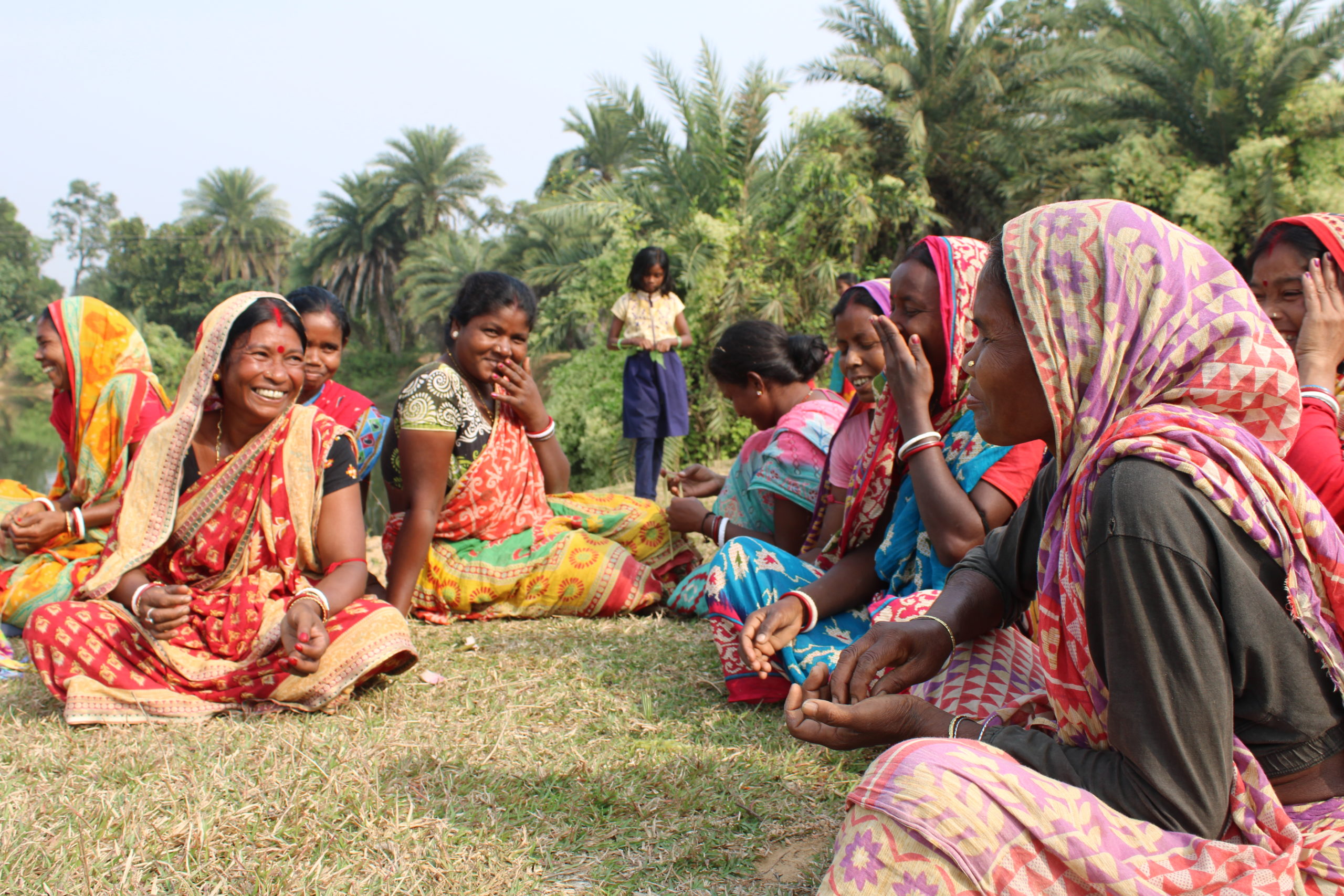
Interactive SHG Map of India: 7.5 million Women Self Help Groups are spread across 27 States and 6 UTs in India
Under the National Rural Livelihood Mission (NRLM), India has 7.5 million Women Self Help Groups (SHGs) spread across 27 states and 6 Union Territories. Each of these small, self-governed, and peer-co..