
Recent Developments,
Key Innovations, and
Insightful Reports
Your One Stop Platform for Regular Sector Updates
Sector news
View By Category
Categories
- See all
- Agriculture
- Clean Cookstoves
- Clean Energy
- Climate Action
- Digital Technology
- Education
- Financial Services
- General
- Healthcare
- Hygiene
- Impact Investment
- Inclusive Value Chains
- Livelihoods
- Livestock
- Lower Income Consumers
- Marketing, Distribution and Sales for BoP
- Nutrition
- Sanitation
- Water
- Women Empowerment


September 19, 2013
Another ailment linked to smoke from inefficient stoves: Cardiovascular disease risk
A number of possible cardiovascular problems like artery clogging plaques, artery thickness and high blood pressure could actually be a result of exposure to smoke from inefficient cookstoves using animal dung, firewood and crop residue, according to a new study from the Washington University. This conclusion was drawn after studying […]
September 19, 2013
Biomass, the forgotten clean option
India has a strong tradition of using home-produced biomass to solve a number of its energy needs, albeit inefficiently, and in a way harmful to the household health and overall environment. While the stress on wind and solar energy surged ahead in terms of government’s focus, biomass, with potential to […]
September 19, 2013
Why aren’t clean cookstoves taking off?
According to this article, only 14 out of every 100 cookstove projects actually deliver on their goals. The reason is that they do not factor in on the consumer’s intricate needs, which include cultural influences and daily usage patterns and comfort. Read the detailed analysis here.
September 19, 2013
Household fuels, low birth weight, and neonatal death in India: The separate impacts of biomass, kerosene, and coal
This study exposes the relationship between household fuels, low birth weight and neonatal death in India, when compared across impacts from biomass, kerosene and coal. Read the report here.
September 19, 2013
Impacts on household fuel consumption from biomass stove programs in India, Nepal, and Peru
This report helps us in estimating rural households’ everyday energy usage, region wise. This is a piece of data sparse and usually unavailable for companies directing their social enterprise developmental work towards the clean cookstove sector. This report looks at the energy consumption patterns of the three countries, post training […]
September 19, 2013
India: Researchers ask the government to not phase our kerosene yet
Researchers at the Nimbkar Agricultural Research Institute (NARI) at Phaltan in Maharashtra have developed a device that uses kerosene to provide light while also making a complete meal for a family of 5. This device has been named lanstove (lantern-stove). Read more here.
September 19, 2013
“Power for the 20%”
According to the World Bank, the world spends about US$37 billion annually on kerosene for lighting, and biomass for open fires and traditional cookstoves. Microgrids seem to be a best answer when the problem is viewed dispassionately, but has its own ambiguities. Its results are more inspiring in rural cooperatives […]
July 1, 2013
The new road to Mandalay: opportunities for Indo-Myanmar relations
History is being written as Myanmar takes its first steps towards democracy after decades of military rule. This gradual yet complex transition promises new opportunities for India to build its relations with Myanmar. Last month, Aspen Institute India in association with Institute of Leadership Entrepreneurship Development (iLead) organised a session […]
April 17, 2013
Ghana: New microinsurance regime implemented
The insurance sector in Ghana is set to see rapid growth with the introduction of a new microinsurance regime by the National Insurance Commission in the country. This regime will outline best practices for responsibly selling to low income customers while contributing to the growth of the sector. Read more […]
Get The Latest From The Social Sector In Your Inbox

Subscribe to our newsletter
View Our Publications
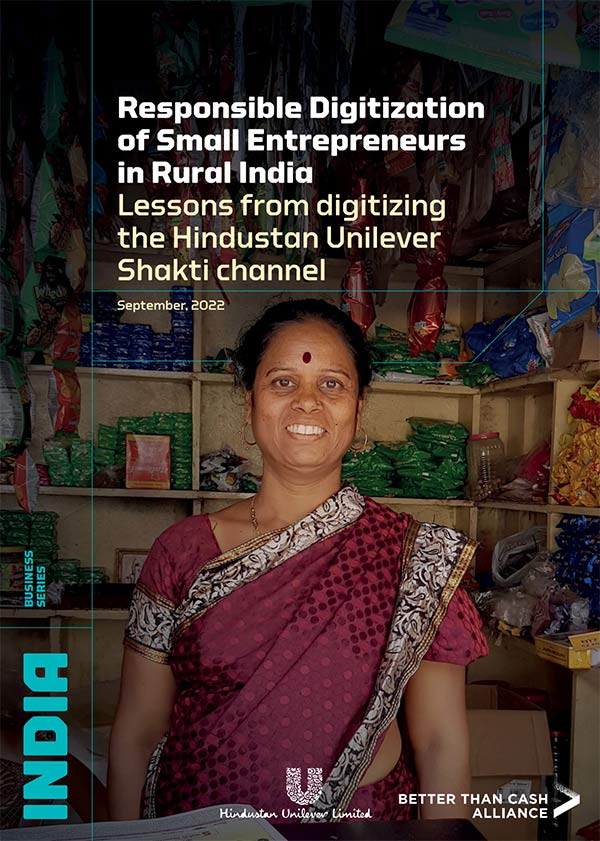
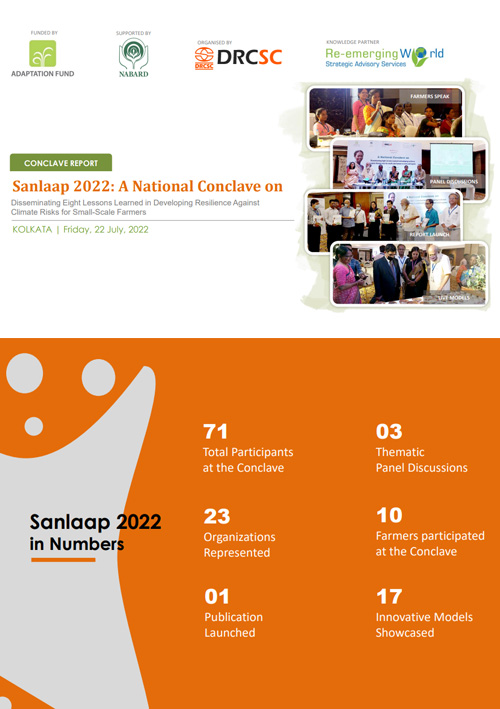
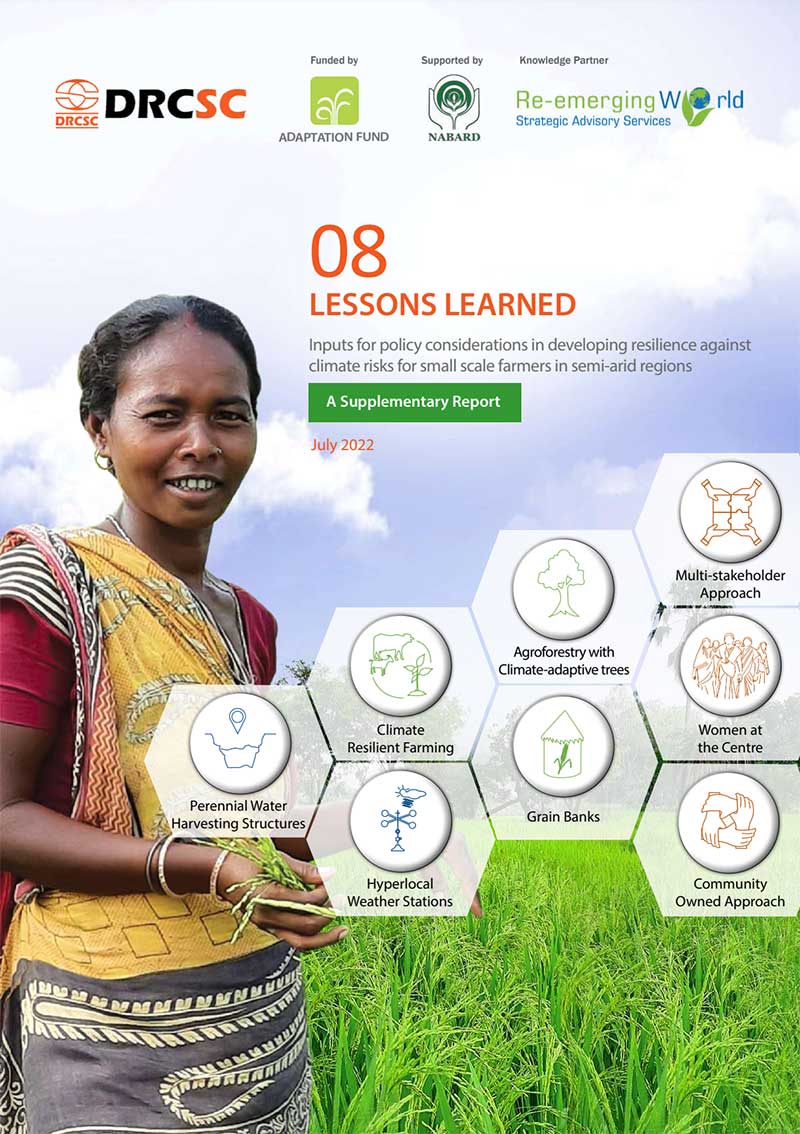
Eight Lessons Learned: Inputs for policy considerations in developing resilience against climate risks for small scale farmers in semi-arid regions, full report
Download Full Report
View Blog Posts
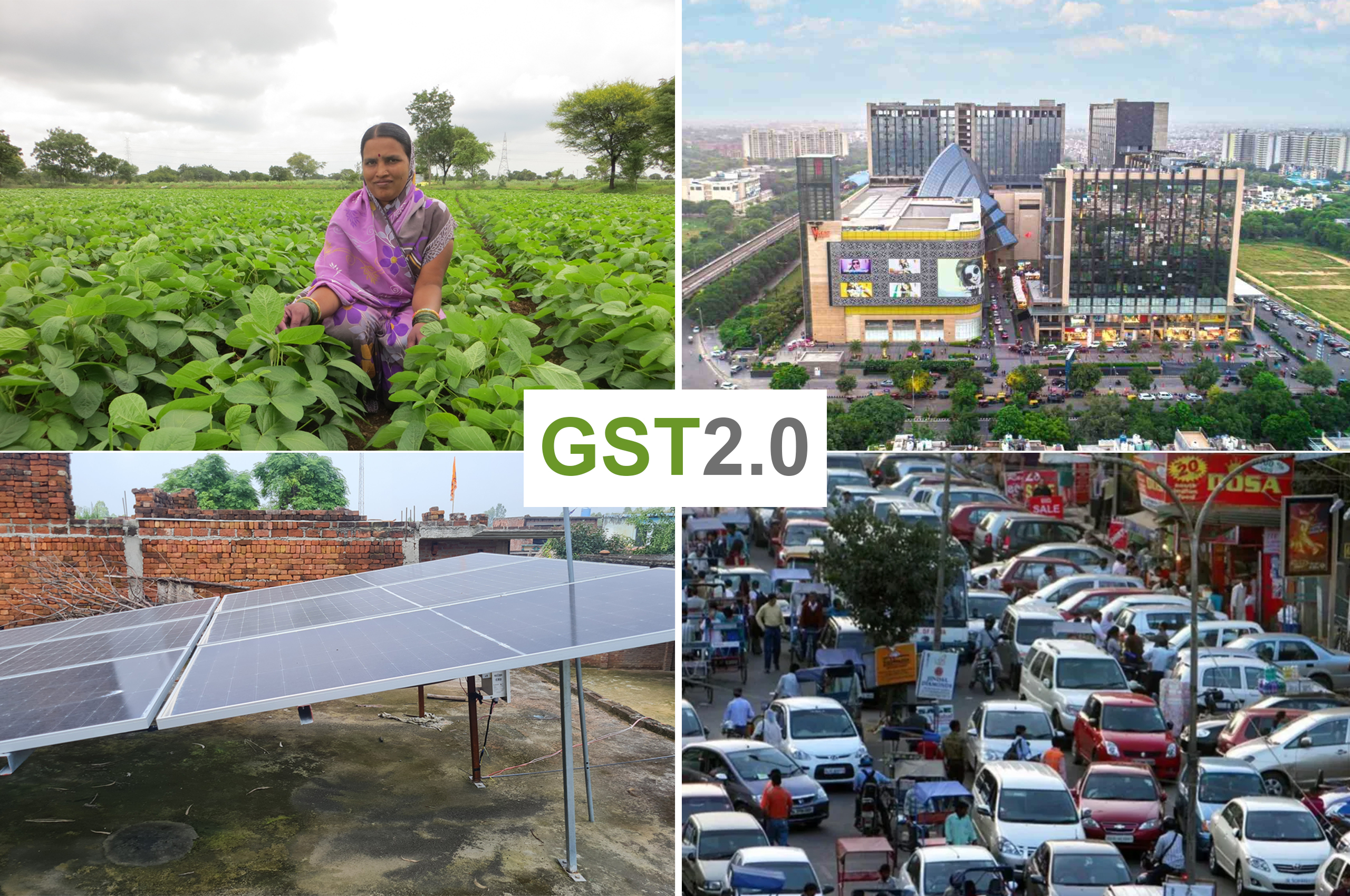
GST 2.0 and Tax Cuts: Can They Make Growth Fairer and Greener?
India's latest GST reform, being termed as GST 2.0, is more than just slashing rates. By simplifying the tax structure, cutting levies on essentials, and supporting renewable infrastructure, it's open..
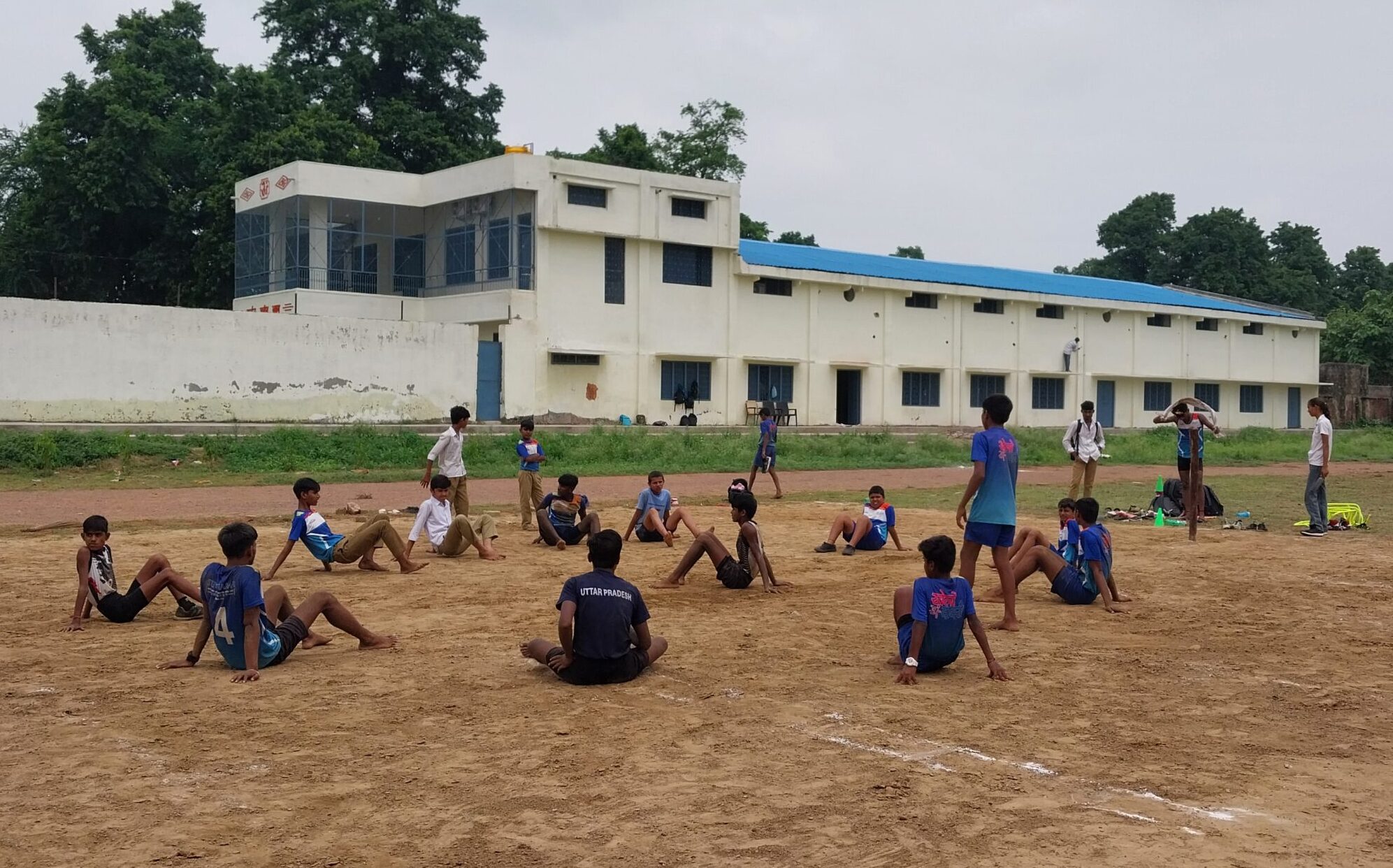
Reimagining Sports in CSR: From Tokenism to a Vehicle for Multiplying Impact
In 2023–24, Indian companies spent about ₹1,396 crore of their CSR budgets on sports — just 4% of the total ₹34,909 crore Indian corporates spent on CSR that year. Most of the rest went to edu..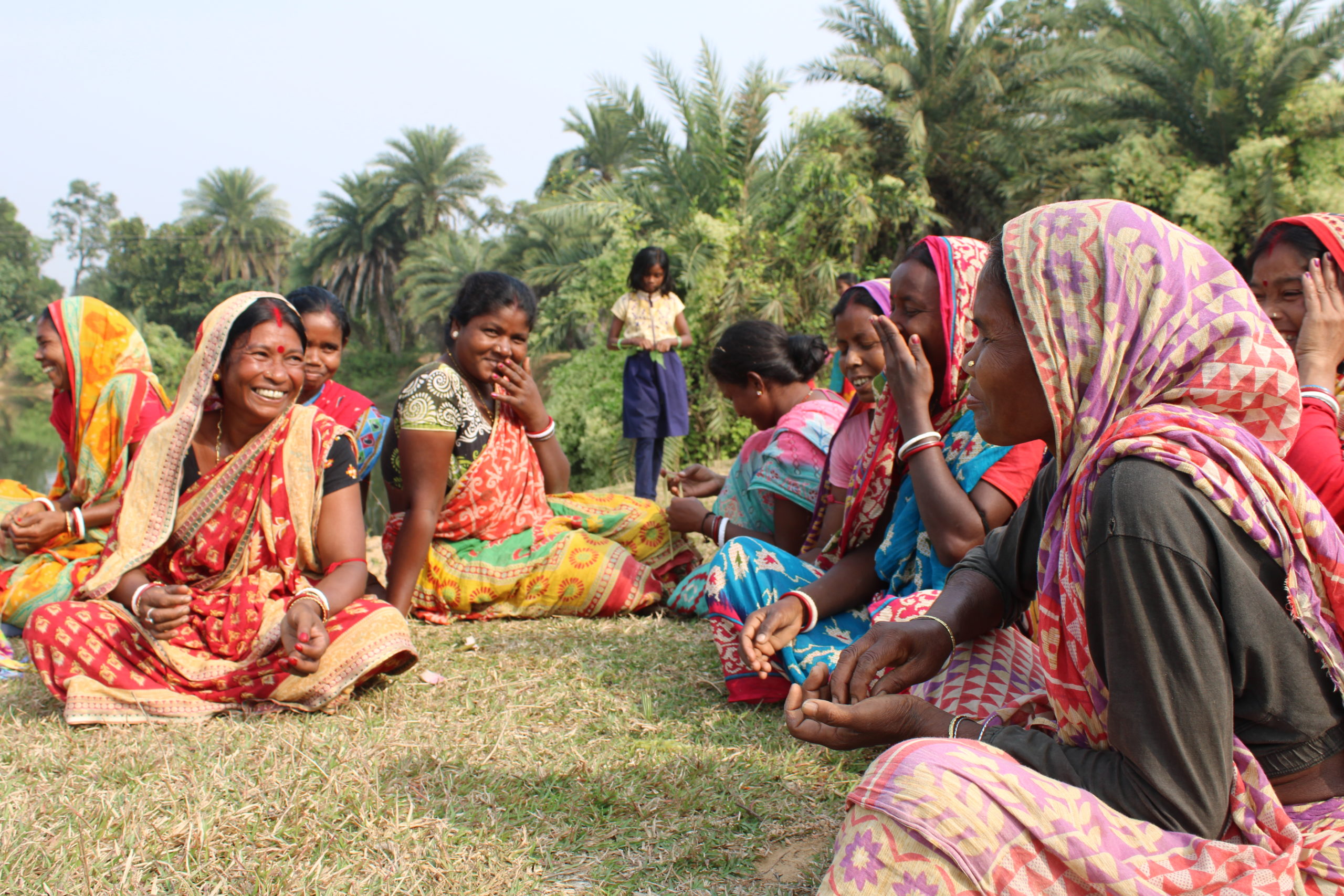
Interactive SHG Map of India: 7.5 million Women Self Help Groups are spread across 27 States and 6 UTs in India
Under the National Rural Livelihood Mission (NRLM), India has 7.5 million Women Self Help Groups (SHGs) spread across 27 states and 6 Union Territories. Each of these small, self-governed, and peer-co..