
Recent Developments,
Key Innovations, and
Insightful Reports
Your One Stop Platform for Regular Sector Updates
Sector news
View By Category
Categories
- See all
- Agriculture
- Clean Cookstoves
- Clean Energy
- Climate Action
- Digital Technology
- Education
- Financial Services
- General
- Healthcare
- Hygiene
- Impact Investment
- Inclusive Value Chains
- Livelihoods
- Livestock
- Lower Income Consumers
- Marketing, Distribution and Sales for BoP
- Nutrition
- Sanitation
- Water
- Women Empowerment

January 7, 2013
Philippines: Country plans to retain its lead in microfinance adoption
According to the Central Bank of Philippines, Bangko Sentral ng Pilipinas (BSP) Governor, Amando M Tetangco Jr, the country will continue to maintain its lead in the adoption of microfinance through an enabling environment, by keeping abreast with the changing best practices in the global microfinance scenario. Read more here.
January 7, 2013
Nepal: New national payment system to be incorporated with IFC’s support
IFC, the finance arm of the World Bank is supporting Nepal with incorporating an efficient national payment system to regulate all electronic payment mechanisms in the country. Read more here.
January 7, 2013
MasterCard introduces a new model of MFIs in Mexico
MasterCard has recently unveiled a new business model for microfinance institutions in Mexico. Through this model, MFIs will have within their reach technologies and infrastructure to enable their alternate entities as card issuers. Read more here.
January 7, 2013
MIX launches India Map of Financial Inclusion
MIX, or the Microfinance Market Exchange recently launched the Indian Map of Financial Inclusion. This map included details related to more than 600 districts in India, and the data pertains to Banking Correspondents and MFIs. Read more here.
January 7, 2013
AGFUND supports institutionalization of the microfinance industry
The leading developmental organization of the Arab world, AGFUND (Arab Gulf Programme for Development) is for the greater scale of poor’s access to microfinance, as was evident by the theme of its recent workshop, which was along the lines of institutionalizing microfinance, qualifying the Saudi NGOs active in the field […]
January 7, 2013
Pakistan: ISF approves PKR 632 million for microfinance providers
The ISF (International Strengthening Fund) has approved as much as PKR 632 million for the strengthening of the presence of microfinance by including 13 microfinance providers and MFIs in Pakistan. Read more here.
January 7, 2013
SKS Microfinance completes INR 544.8 million securitization transaction
Indian microfinance company SKS Microfinance Limited recently completed securitization transaction worth INR 544.8 million. Read more here.
January 7, 2013
Blue Orchard suffers sudden outflow of investor capital
Over the past year and a half, one of microfinance’s most prominent funds Blue Orchard’s Dexia Micro-Credit Fund has suffered steady outflow of investor capital. Read why here.
January 7, 2013
Zimbabwe: Irregularities in the operation of MFIs
The Reserve Bank of Zimbabwe has come across irregularities in the functioning of microfinance institutions in the country. Some examples of mentioned irregularities are subversion of legal processes in debt collection and acting as deposit-taking banks and insurance companies. Read more here.
Get The Latest From The Social Sector In Your Inbox

Subscribe to our newsletter
View Our Publications
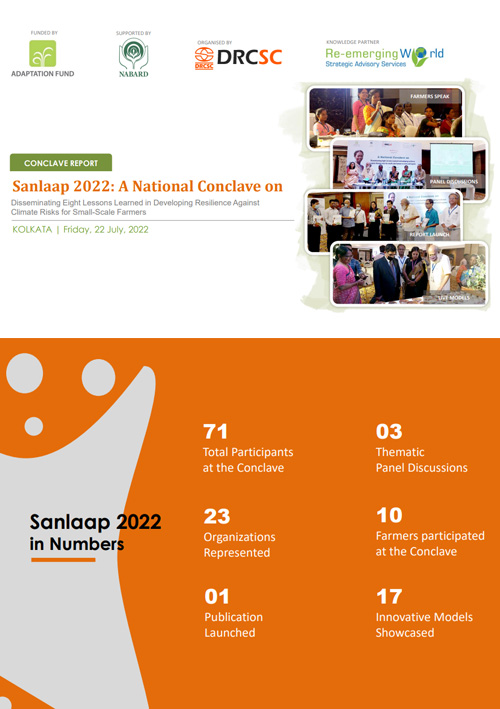
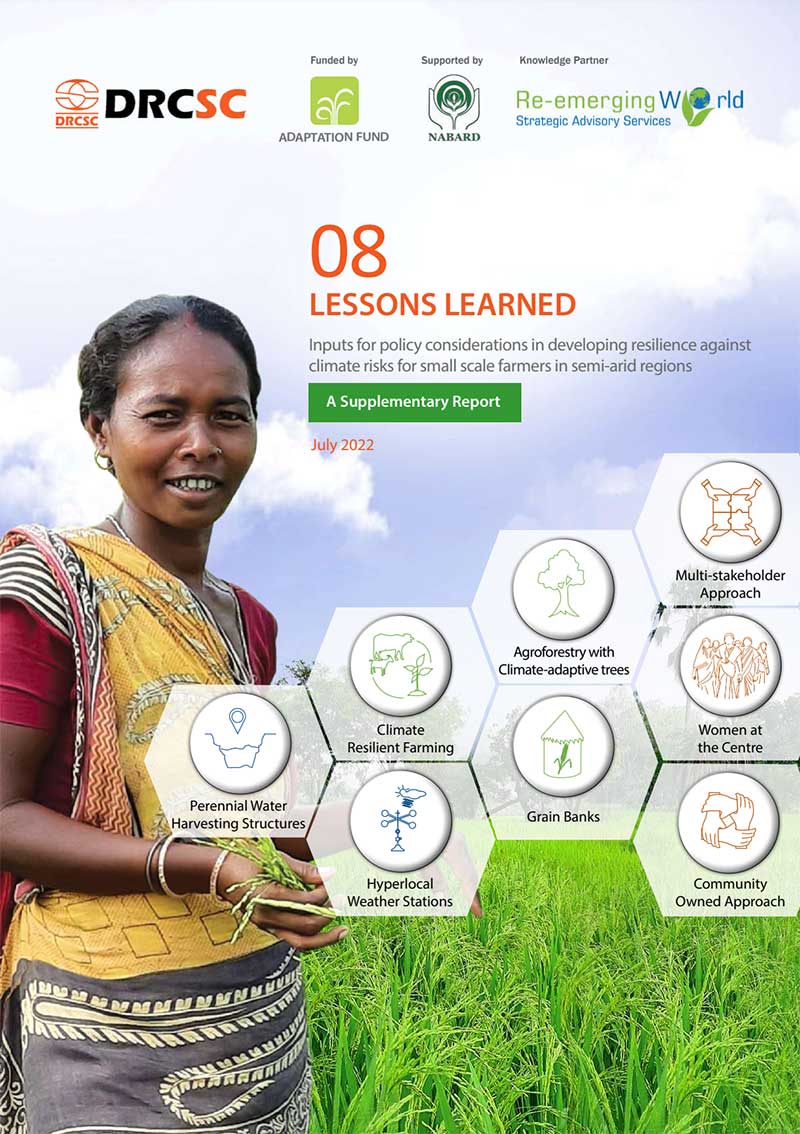
Eight Lessons Learned: Inputs for policy considerations in developing resilience against climate risks for small scale farmers in semi-arid regions, full report
Download Full Report
View Blog Posts
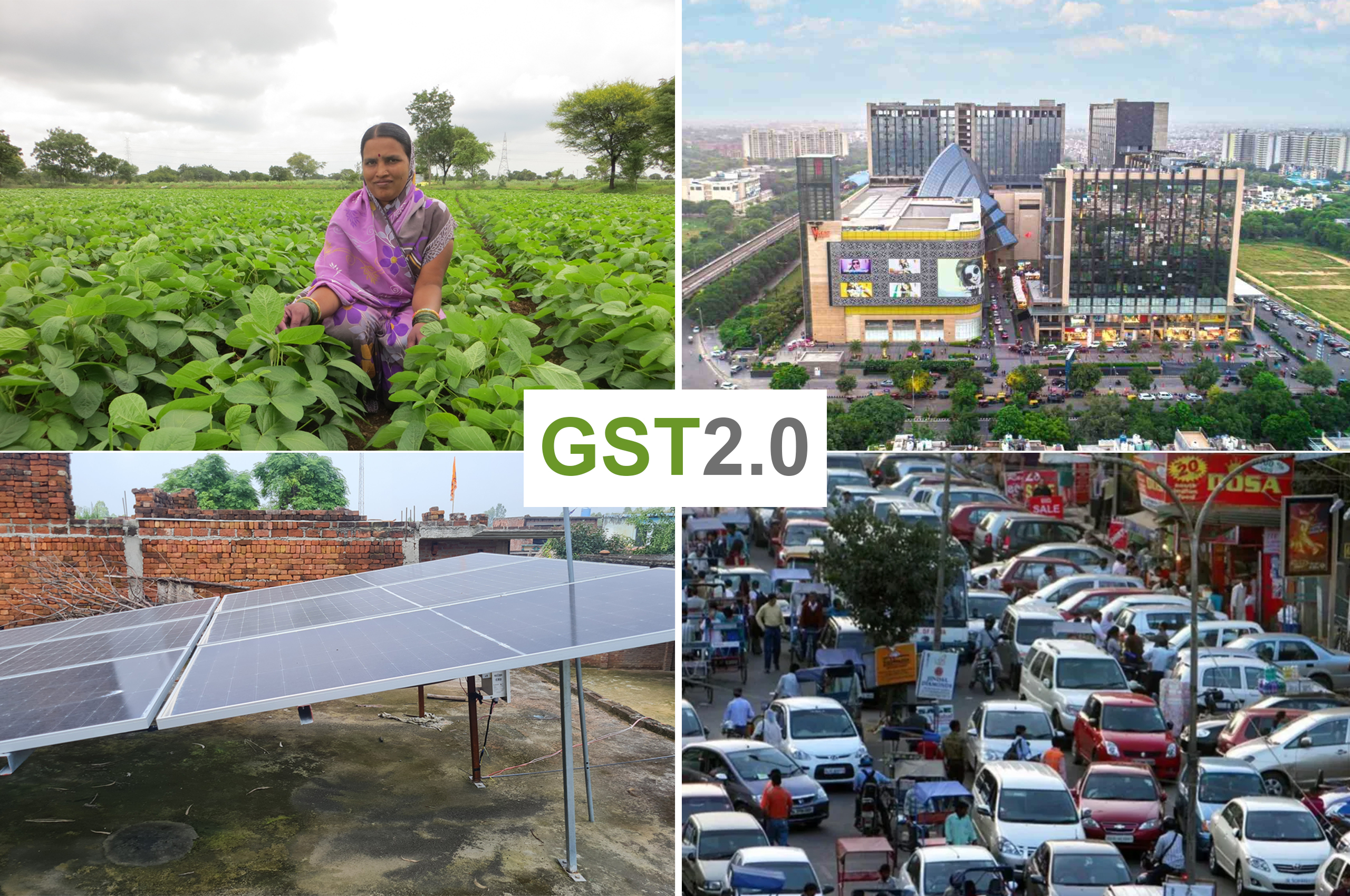
GST 2.0 and Tax Cuts: Can They Make Growth Fairer and Greener?
India's latest GST reform, being termed as GST 2.0, is more than just slashing rates. By simplifying the tax structure, cutting levies on essentials, and supporting renewable infrastructure, it's open..
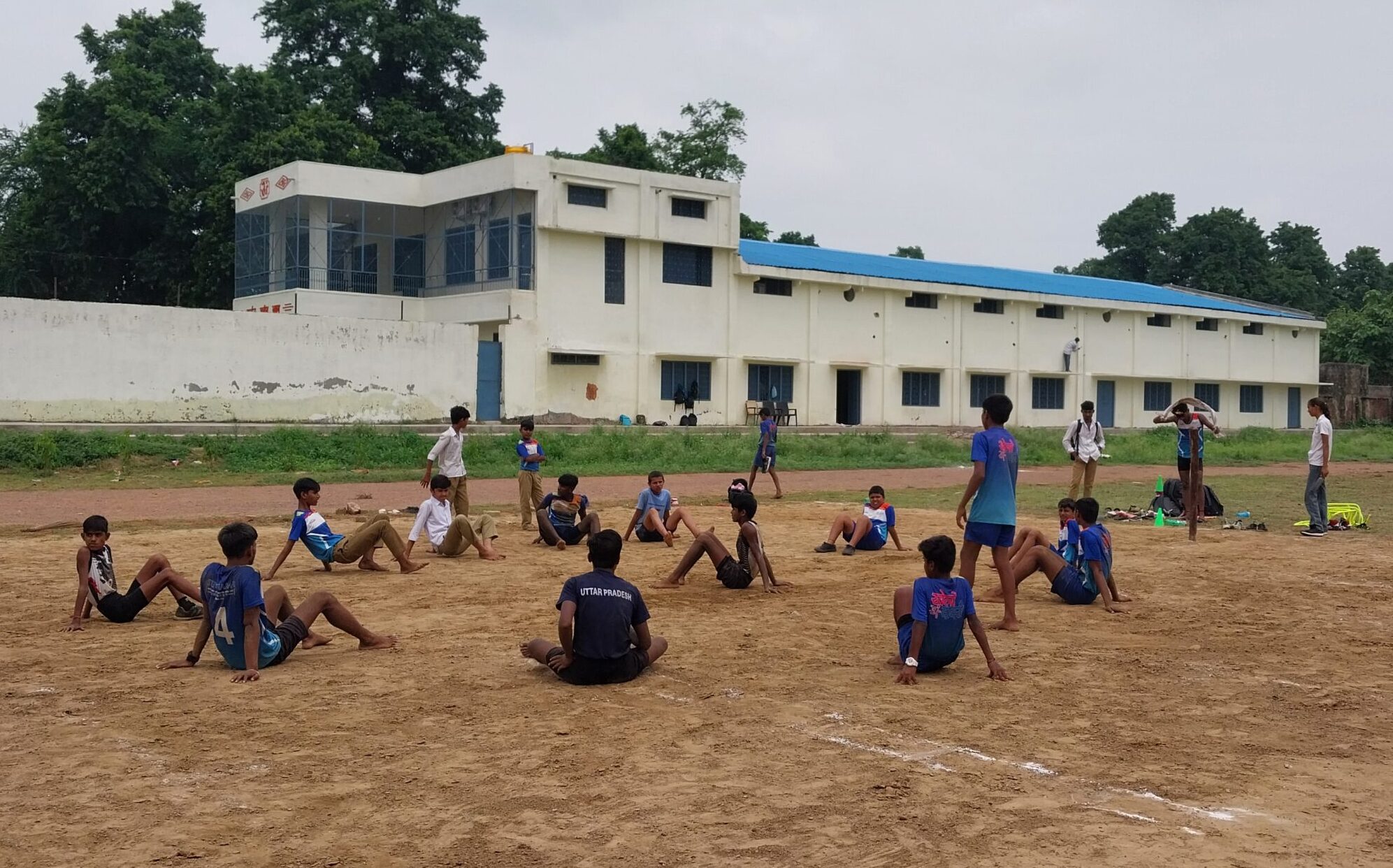
Reimagining Sports in CSR: From Tokenism to a Vehicle for Multiplying Impact
In 2023–24, Indian companies spent about ₹1,396 crore of their CSR budgets on sports — just 4% of the total ₹34,909 crore Indian corporates spent on CSR that year. Most of the rest went to edu..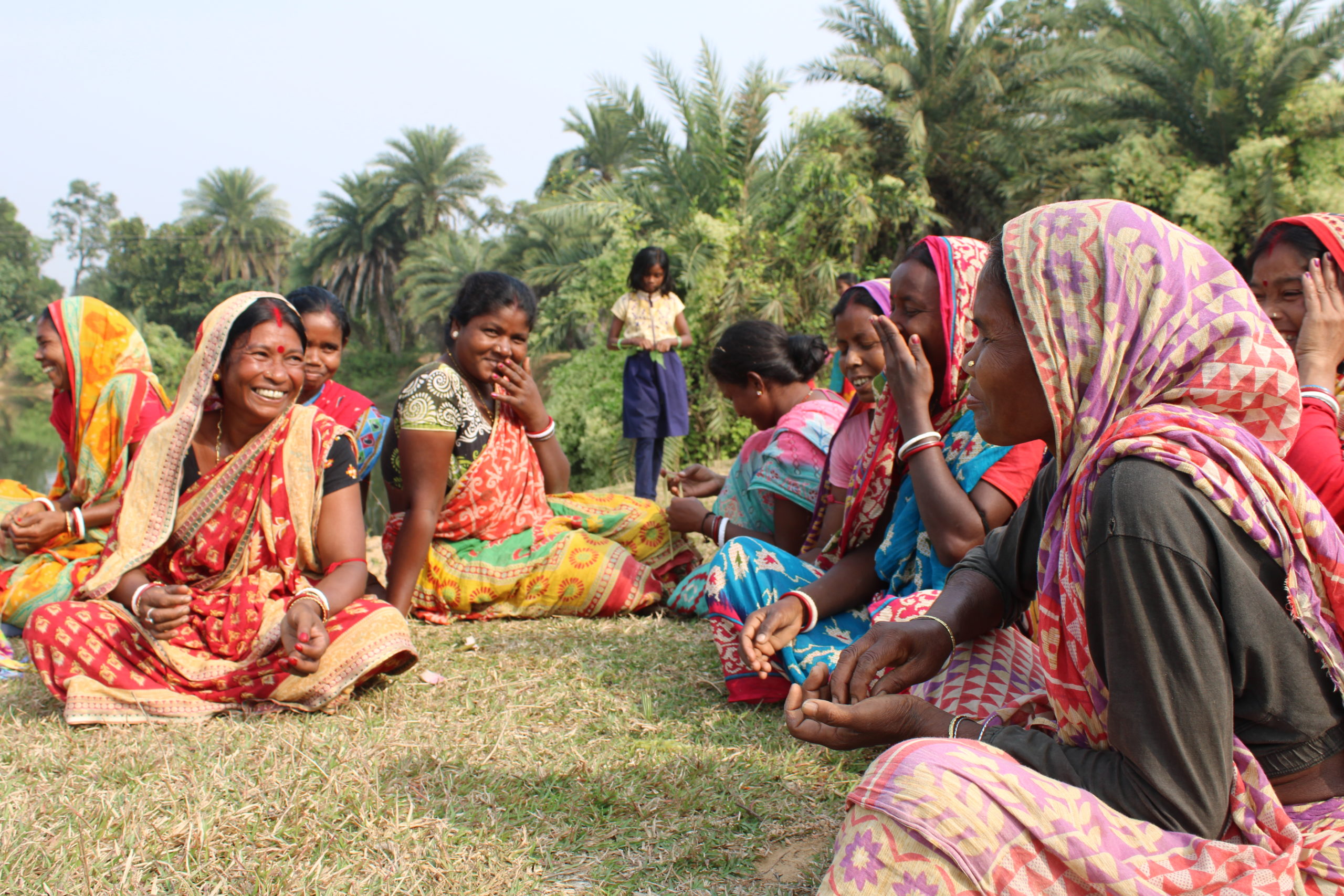
Interactive SHG Map of India: 7.5 million Women Self Help Groups are spread across 27 States and 6 UTs in India
Under the National Rural Livelihood Mission (NRLM), India has 7.5 million Women Self Help Groups (SHGs) spread across 27 states and 6 Union Territories. Each of these small, self-governed, and peer-co..