
Recent Developments,
Key Innovations, and
Insightful Reports
Your One Stop Platform for Regular Sector Updates
Sector news
View By Category
Categories
- See all
- Agriculture
- Clean Cookstoves
- Clean Energy
- Climate Action
- Digital Technology
- Education
- Financial Services
- General
- Healthcare
- Hygiene
- Impact Investment
- Inclusive Value Chains
- Livelihoods
- Livestock
- Lower Income Consumers
- Marketing, Distribution and Sales for BoP
- Nutrition
- Sanitation
- Water
- Women Empowerment


January 7, 2013
Remembering PINs in rural Bangladesh
CGAP, World Bank and pi Strategy Consulting launched a programme called EGPP or the Employment Generation Programme for the Poorest, which uses employment and technology based payment programmes for poor agrarians in between harvests. To get rid of the problem of low attendance and payments to ghost workers, a PIN-system […]
January 7, 2013
Consumer research from Brazil – its more quality than quantity
When Bradesco, one of the largest banks in Brazil wanted to make products that more efficiently cater to the needs of the C, D, and E classes of the population, CGAP helped to observe IDEO’s help with interviewing consumers. This post outlines IDEO’s innovative approach in interviewing consumers to assess […]
January 7, 2013
Reaching out to the unbanked – Philippines
Philippines have been awarded the best in world status for its microfinance enabling policies four times in a row now. This post evaluates the reasons for this success and is the first of a two part series. Read more here.
January 7, 2013
Financial inclusion by design – a case study
This CGAP blog post talks about how the organization has finally cracked the nut of appropriate product innovation, needed to include the financially underserved three-quarters of the world. CGAP and MTN launched AppLab Money Incubator which consisted of a number of resources, all appropriate for designing consumer centric products. This […]
January 7, 2013
Financial pyramid schemes and the poor – who really pays
This post recounts the spread of Ponzi-like financial pyramid schemes in Kenya. At least one woman in each group, of a total of 114 had invested and lost money in these schemes. Most of them knew there was something ‘fishy’ but went ahead anyway lured by the prospects of high […]
January 7, 2013
India: Mumbai to get another 5000 low cost homes
MHADA, the Maharashtra Housing and Area Development Authority have finally won approval for building 5000 low cost houses in Goregaon in Mumbai, post a long legal battle. Read more here
January 7, 2013
India: Central Bank allows overseas funding for low cost housing projects
The Reserve Bank of India, in its move to encourage more low cost housing constructions has now allowed real estate developers and housing finance companies to raise as much as US$ 1 billion through ECBs or external commercial borrowings. Read more here.
January 7, 2013
Kenya plans housing units for low income earners
The NHC or the National Housing Corporation is planning to include smaller homes as the State-owned firm targets low income earners by making houses worth Sh 2 million. Read more here.
January 7, 2013
Kenya: Housing minister launches nationwide slum upgrading programme
Housing Minister of Kenya, Mr Soita Shitanda recently announced a nationwide launch of slum upgrading programme, asking slum dwellers to prepare themselves for it. This programme will help the country achieve low cost and decent housing for all by 2030. Read more here.
Get The Latest From The Social Sector In Your Inbox

Subscribe to our newsletter
View Our Publications
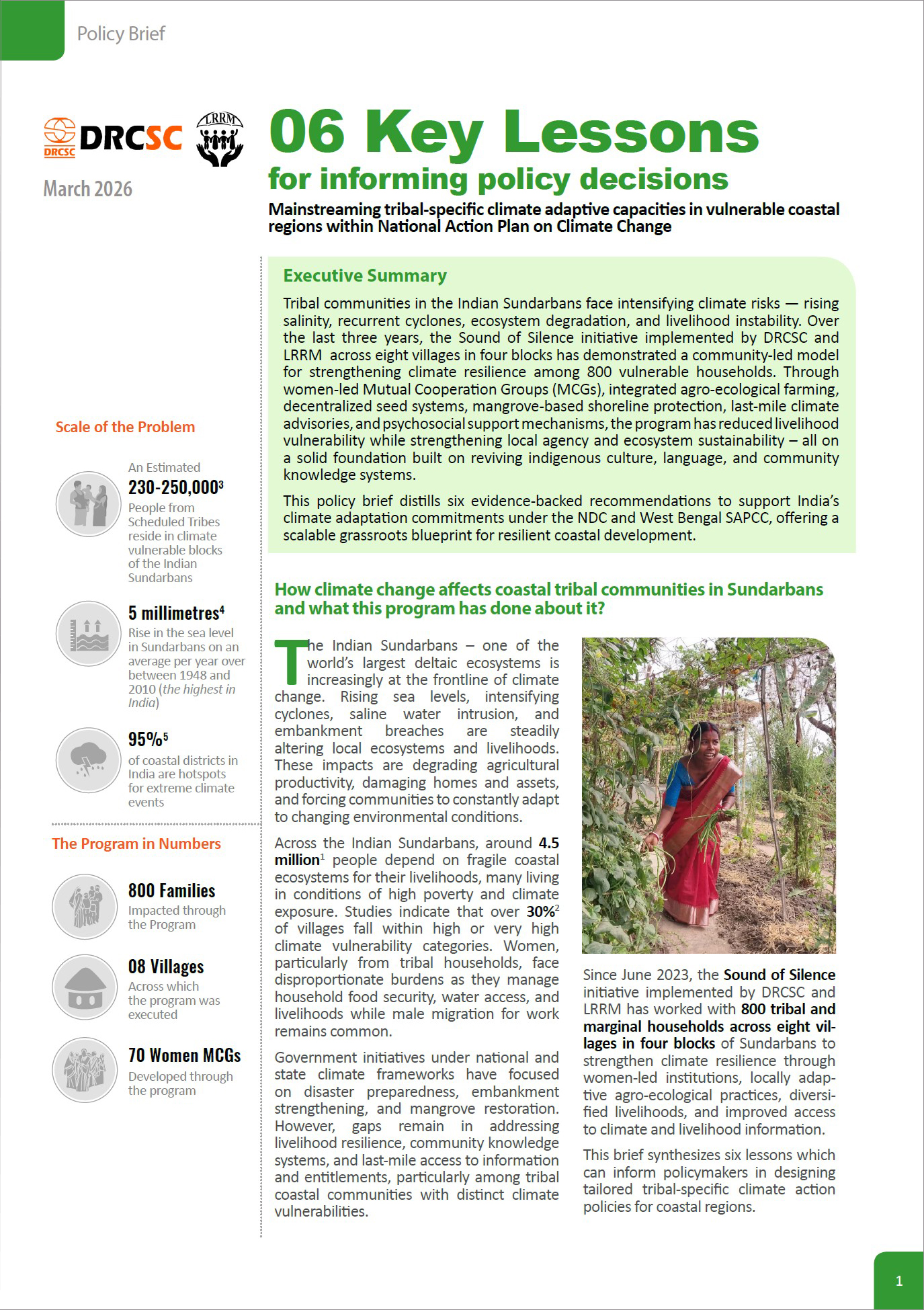
06 Key Lessons for informing policy decisions: Mainstreaming tribal-specific climate adaptive capacities in vulnerable coastal regions within National Action Plan on Climate Change
Download Full Report
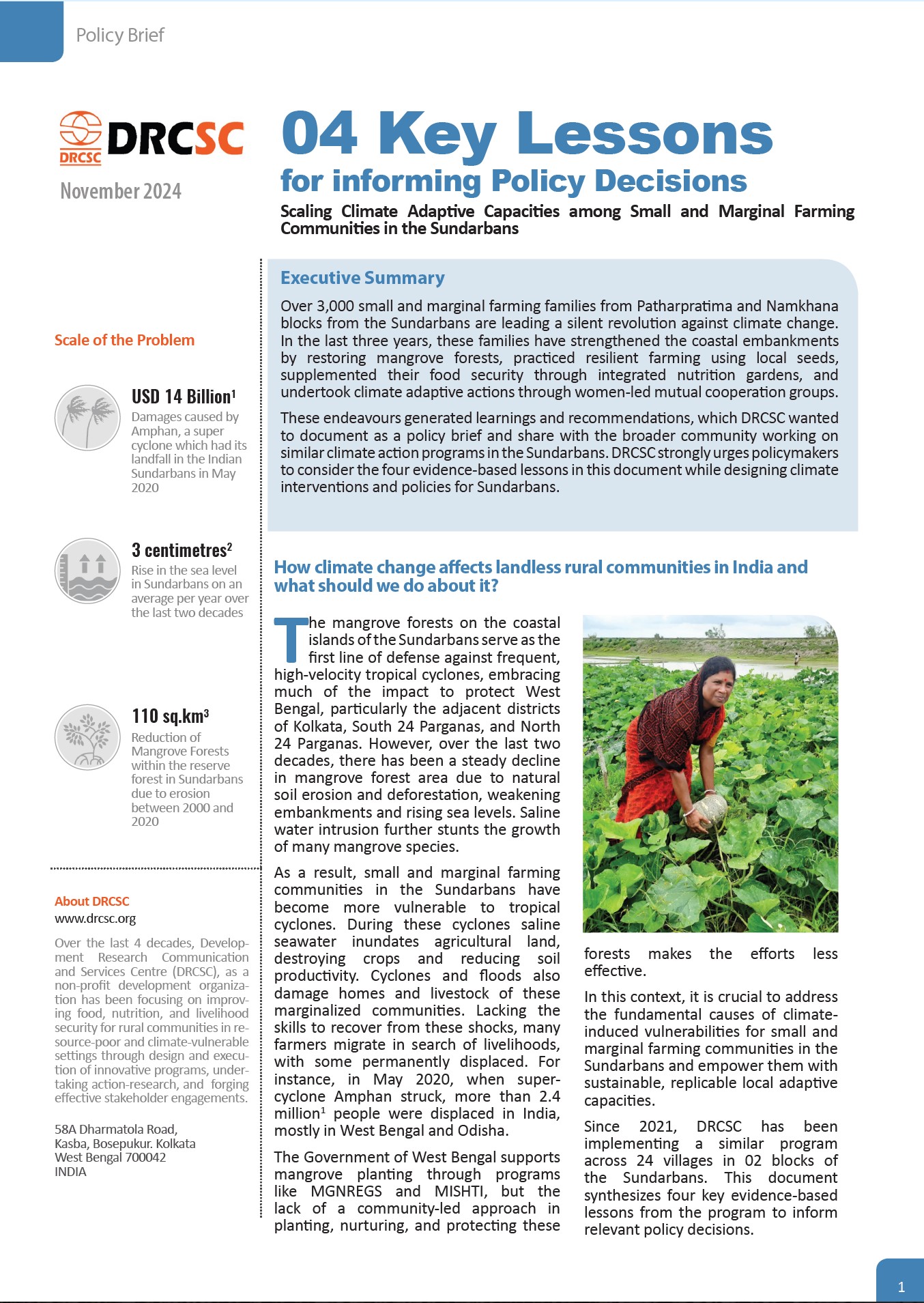
Four Key Lessons for Policy Consideration: Scaling Climate Adaptive Capacities among Small and Marginal Farming Communities in the Sundarbans
Download Full Report
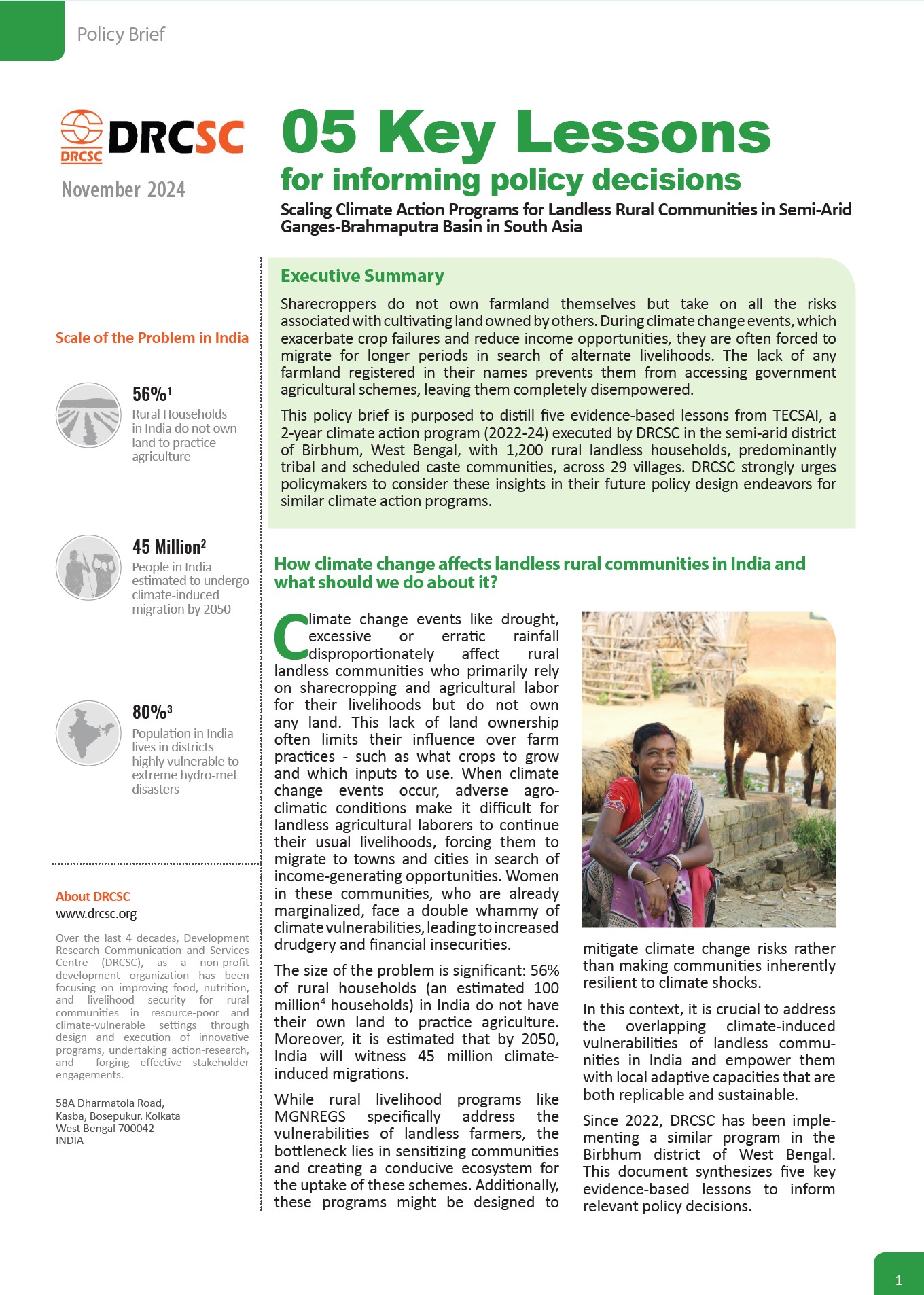
Five Key Lessons for Policy Consideration: Scaling Climate Action Programs for Landless Rural Communities in Semi-Arid Ganges-Brahmaputra Basin in South Asia
Download Full Report
View Blog Posts
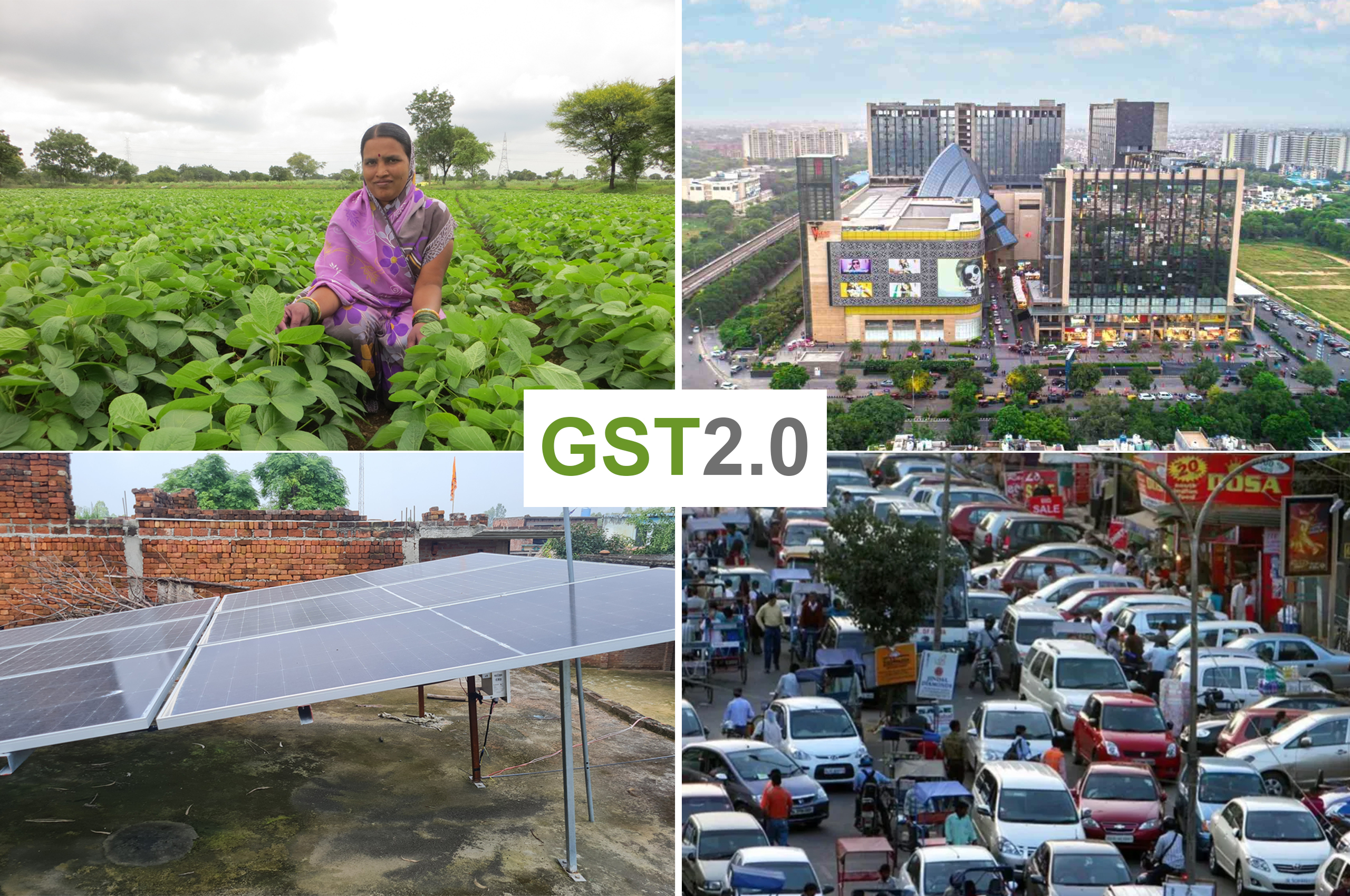
GST 2.0 and Tax Cuts: Can They Make Growth Fairer and Greener?
India's latest GST reform, being termed as GST 2.0, is more than just slashing rates. By simplifying the tax structure, cutting levies on essentials, and supporting renewable infrastructure, it's open..
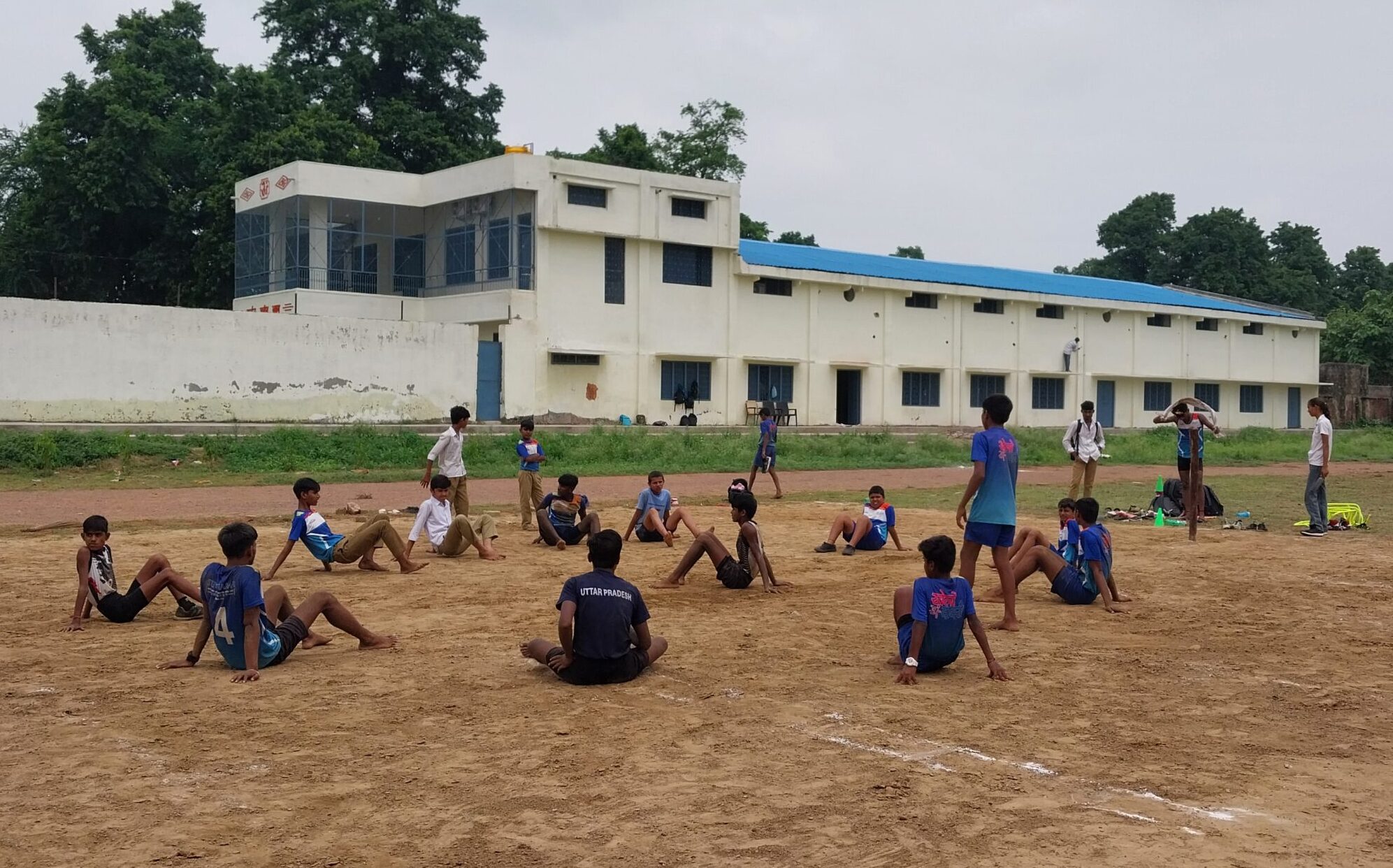
Reimagining Sports in CSR: From Tokenism to a Vehicle for Multiplying Impact
In 2023–24, Indian companies spent about ₹1,396 crore of their CSR budgets on sports — just 4% of the total ₹34,909 crore Indian corporates spent on CSR that year. Most of the rest went to edu..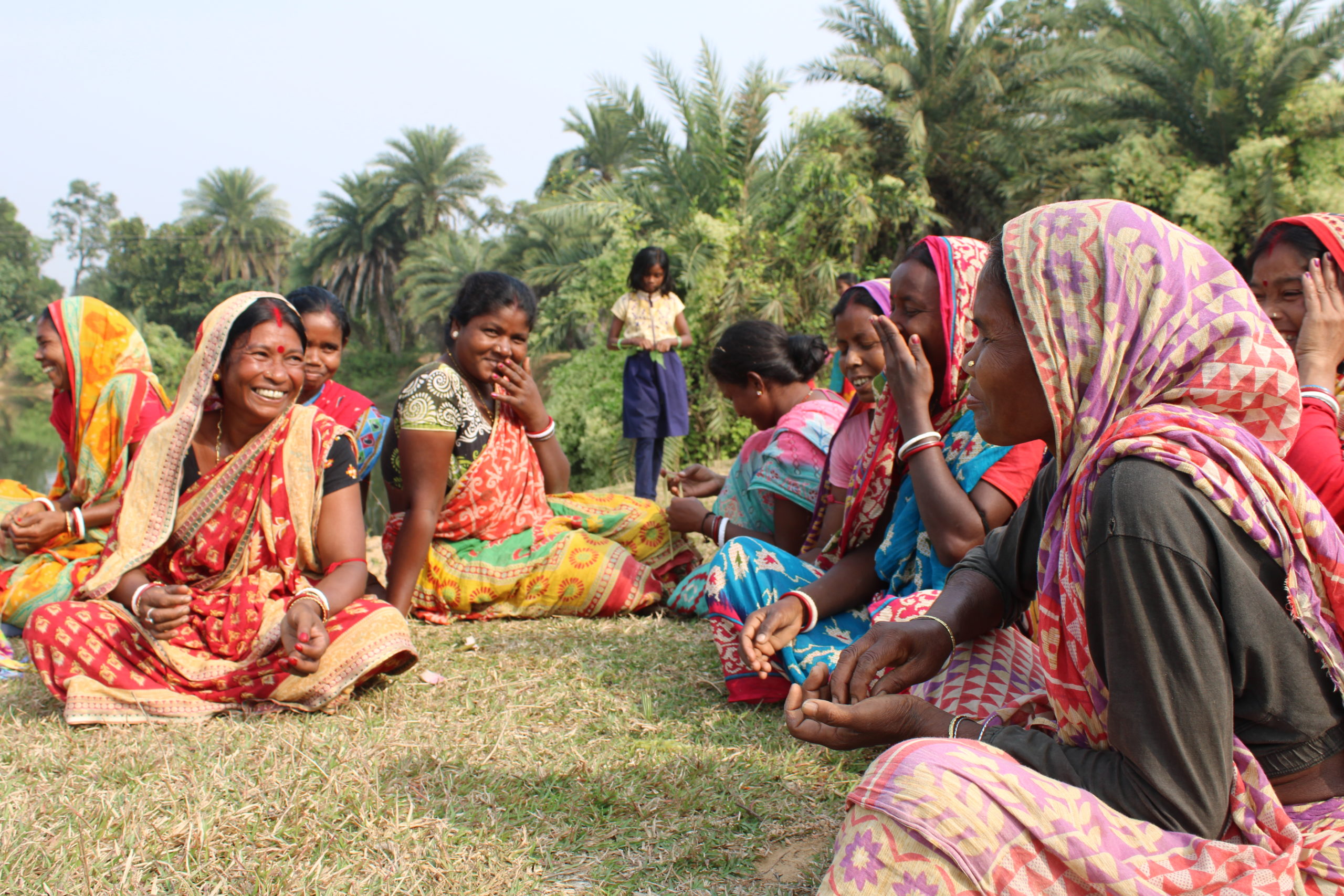
Interactive SHG Map of India: 7.5 million Women Self Help Groups are spread across 27 States and 6 UTs in India
Under the National Rural Livelihood Mission (NRLM), India has 7.5 million Women Self Help Groups (SHGs) spread across 27 states and 6 Union Territories. Each of these small, self-governed, and peer-co..