
Recent Developments,
Key Innovations, and
Insightful Reports
Your One Stop Platform for Regular Sector Updates
Sector news
View By Category
Categories
- See all
- Agriculture
- Clean Cookstoves
- Clean Energy
- Climate Action
- Digital Technology
- Education
- Financial Services
- General
- Healthcare
- Hygiene
- Impact Investment
- Inclusive Value Chains
- Livelihoods
- Livestock
- Lower Income Consumers
- Marketing, Distribution and Sales for BoP
- Nutrition
- Sanitation
- Water
- Women Empowerment


January 7, 2013
Low cost eco-friendly homes in Vietnam
The cost of accessing housing has gone up by 10 times in the last decade, according to award winning architects Vo Trong Nghia Architects, prompting them to explore the making of low cost and eco friendly houses for the poor. Read more here.
January 7, 2013
Uganda: Low cost housing remains a dream
This post delineates the problems being faced by Uganda in terms of housing units’ shortage. With a population growth of 3.4 per cent annually, and an urbanization rate of 5.6 per cent annually, and an existing housing units shortage of 1.6 million, Uganda’s low cost housing for all dream is […]
January 7, 2013
The theory of “Aspirers” in urban India
This post cites off the severe shortage of housing units in the country. There is a total shortfall of 26.53 million in urban India, and of every 100 households only 3 are made of concrete. This breeds a class of ‘Aspirers’, those whose houses aren’t make of concrete, and are […]
January 7, 2013
India: Bribe, the key factor disincentivising low-cost housing
There is a reason why low cost housing providers are not that interested in doing their job – there is an equal amount of paperwork involved in making low cost houses, as in making premium houses, and paperwork in India means bribing. Once bribes enter the picture, costs go up […]
January 7, 2013
India: Banks not helping to implement rural housing scheme in Maharashtra
According to the Chief Minister of the Indian state of Maharashtra, the nationalized banks given the responsibility of being the lending arm in helping poor leverage the benefits of Rajiv Gandhi Rural Housing Scheme in Maharashtra, have not been cooperating. In rural India, proper housing is still an issue. Read […]
January 7, 2013
A day in the economic life of Africa’s biggest slum
Kibera, in Nairobi, Kenya, can be called Africa’s biggest slum. It has more than a million residents, a lack of government presence, and provision of no basic services. Wedged between embassies and a well-tended golf course, it survives on its own. Read more here.
January 7, 2013
Unitus Seed Fund lands US$8 million for BoP startups
The USF, or the Unitus Seed Fund has recently secured an amount of US$8 million through investment commitments to back its seed stage venture capital funding, for its “BoP Startups” accelerating plan. Under this plan, BoP startups catering to the sectors of economic self-reliance, education, and basic necessities of low […]
January 7, 2013
Charitable Foundations look towards impact investing
The newest trend in impact investment is to look towards quality service providing private entities to provide social good in several forms. That, and social enterprising. This is being leveraged by charitable organizations looking to do social good. Read more here.
January 7, 2013
Options for investing in cleantech
This post looks at the applications of socially responsible investing (SRI) in the field of CleanTech and sustainability. While impact investment and SRI are widely used in perpetuating social change, investment in cleantech is yet another avenue that is classified as impact or social investment. Read more here.
Get The Latest From The Social Sector In Your Inbox

Subscribe to our newsletter
View Our Publications
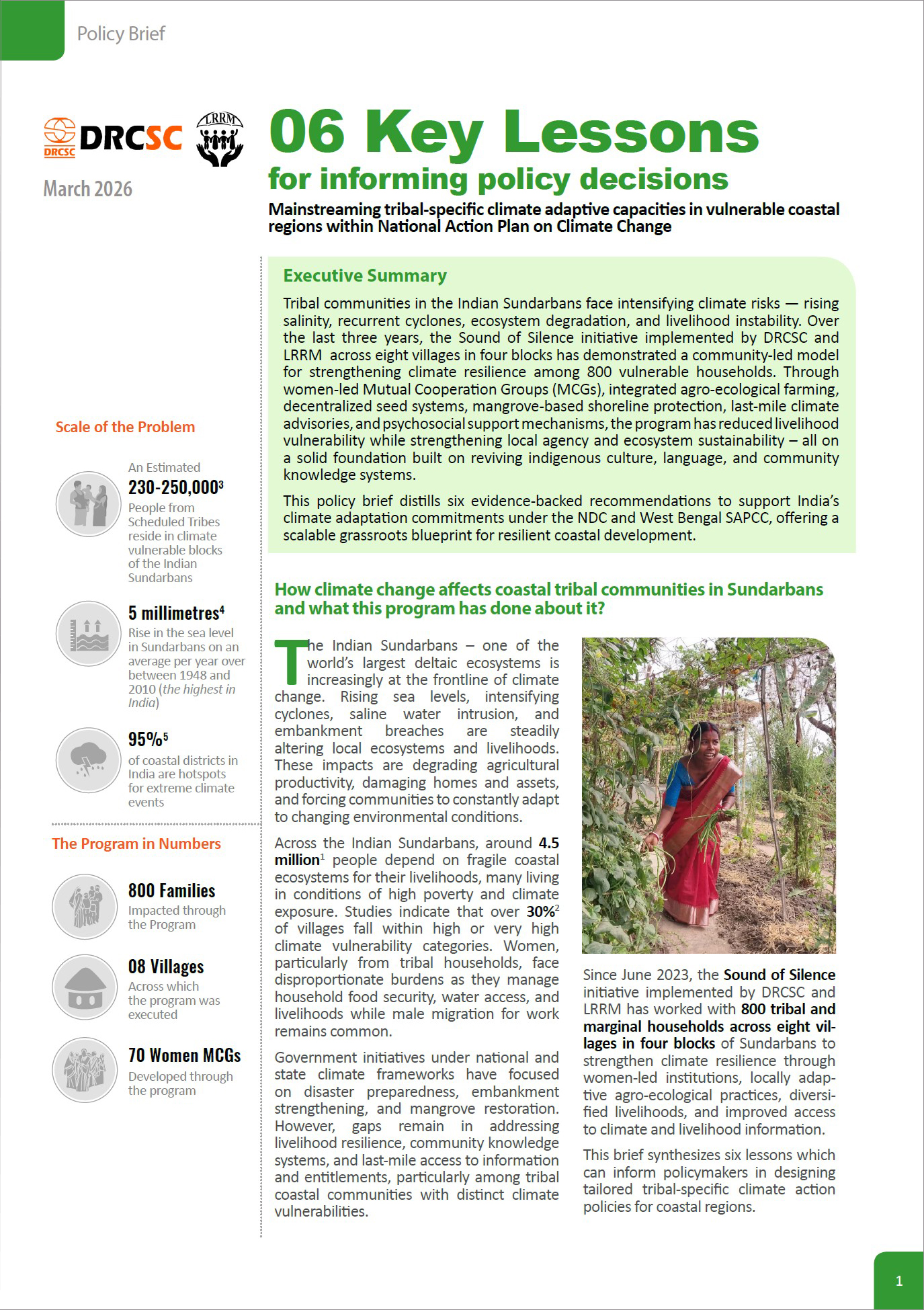
06 Key Lessons for informing policy decisions: Mainstreaming tribal-specific climate adaptive capacities in vulnerable coastal regions within National Action Plan on Climate Change
Download Full Report
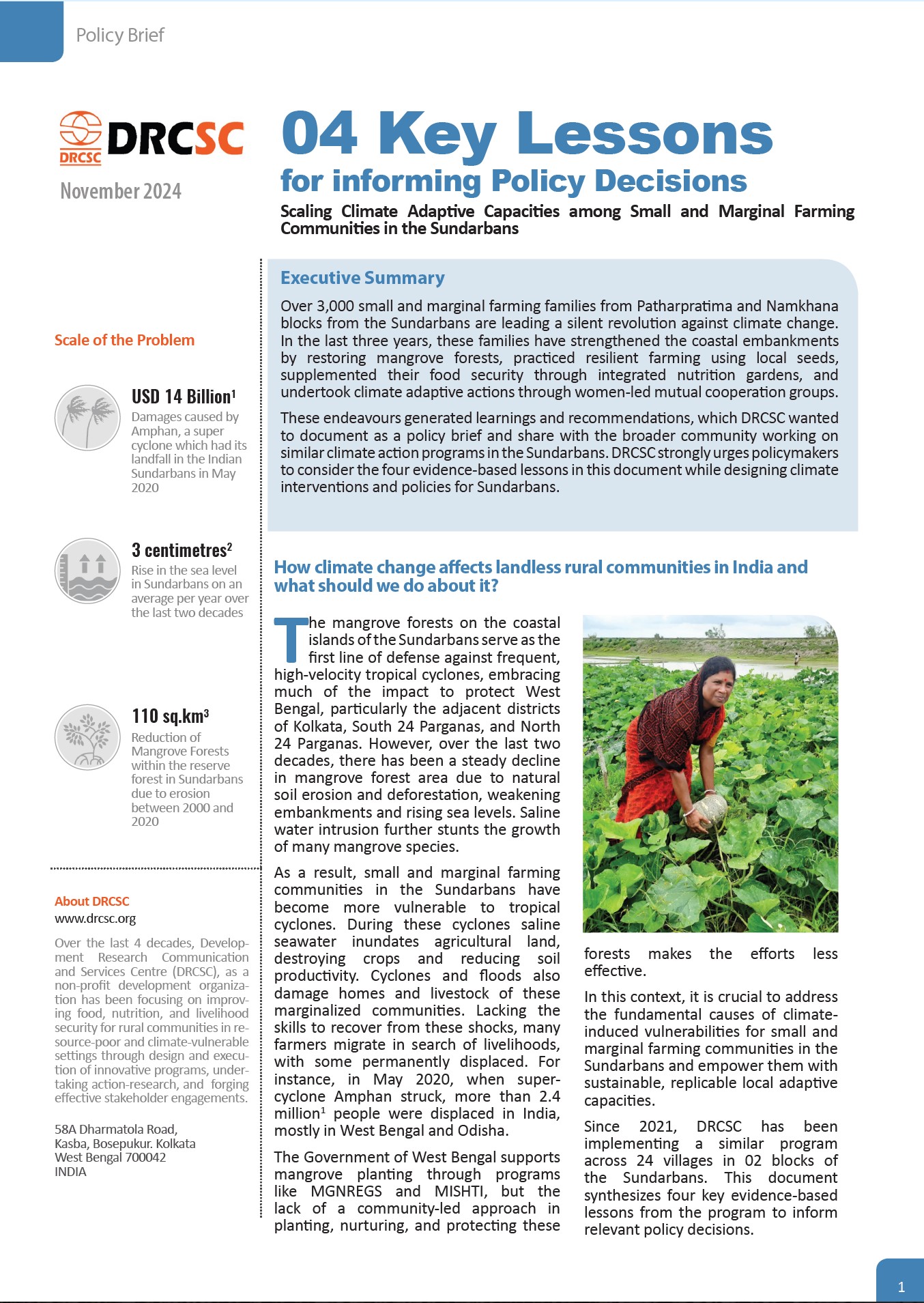
Four Key Lessons for Policy Consideration: Scaling Climate Adaptive Capacities among Small and Marginal Farming Communities in the Sundarbans
Download Full Report
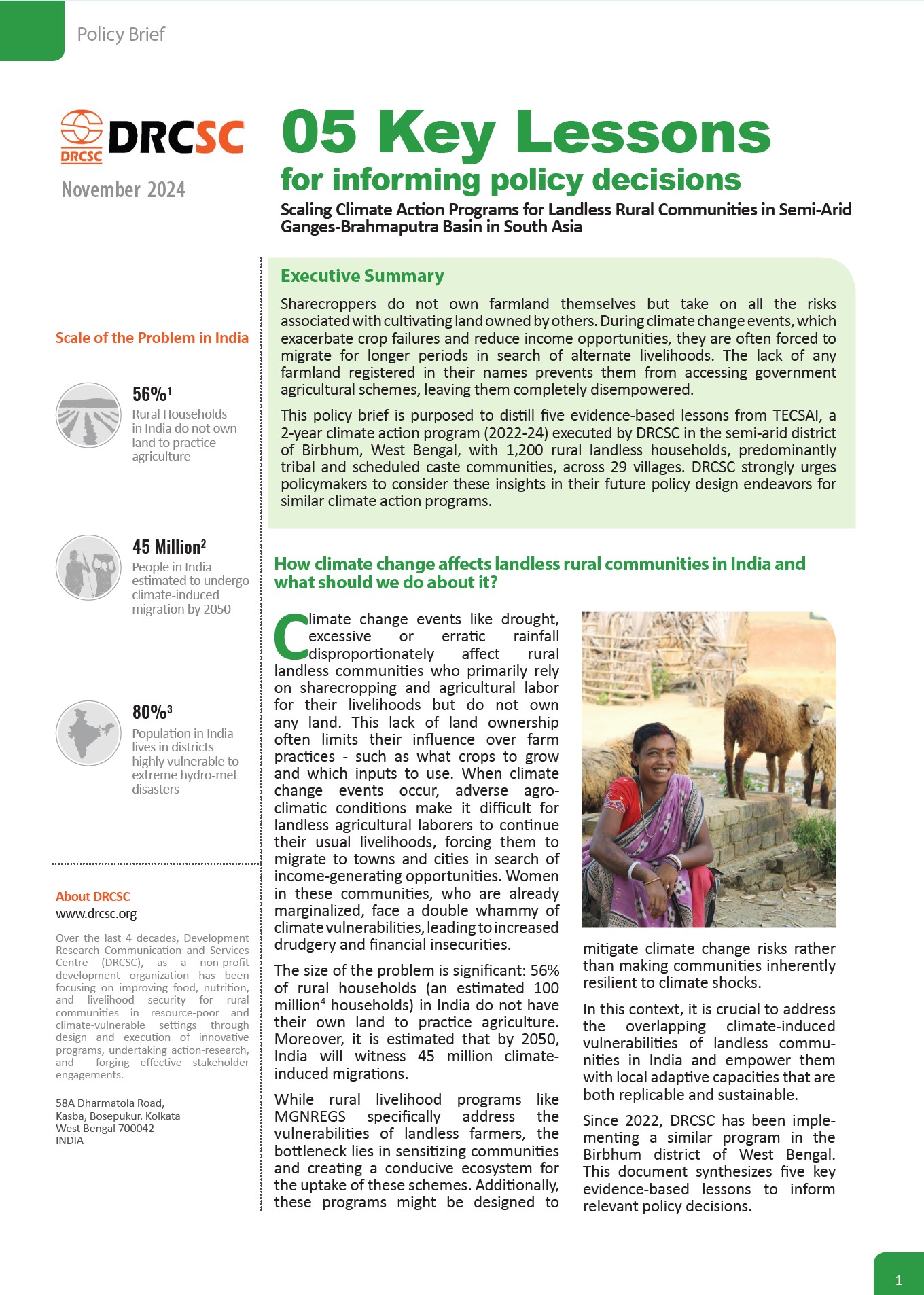
Five Key Lessons for Policy Consideration: Scaling Climate Action Programs for Landless Rural Communities in Semi-Arid Ganges-Brahmaputra Basin in South Asia
Download Full Report
View Blog Posts
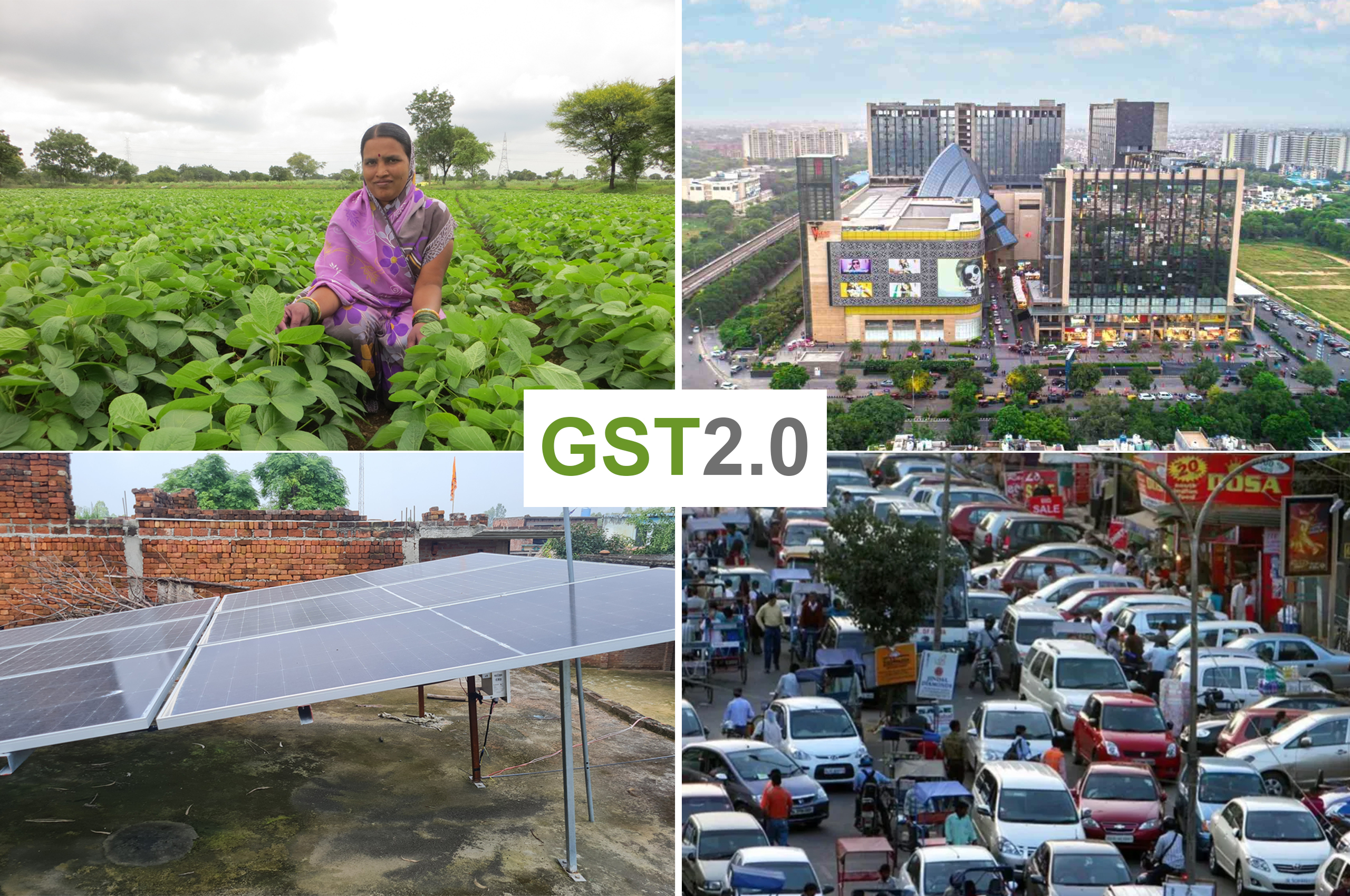
GST 2.0 and Tax Cuts: Can They Make Growth Fairer and Greener?
India's latest GST reform, being termed as GST 2.0, is more than just slashing rates. By simplifying the tax structure, cutting levies on essentials, and supporting renewable infrastructure, it's open..
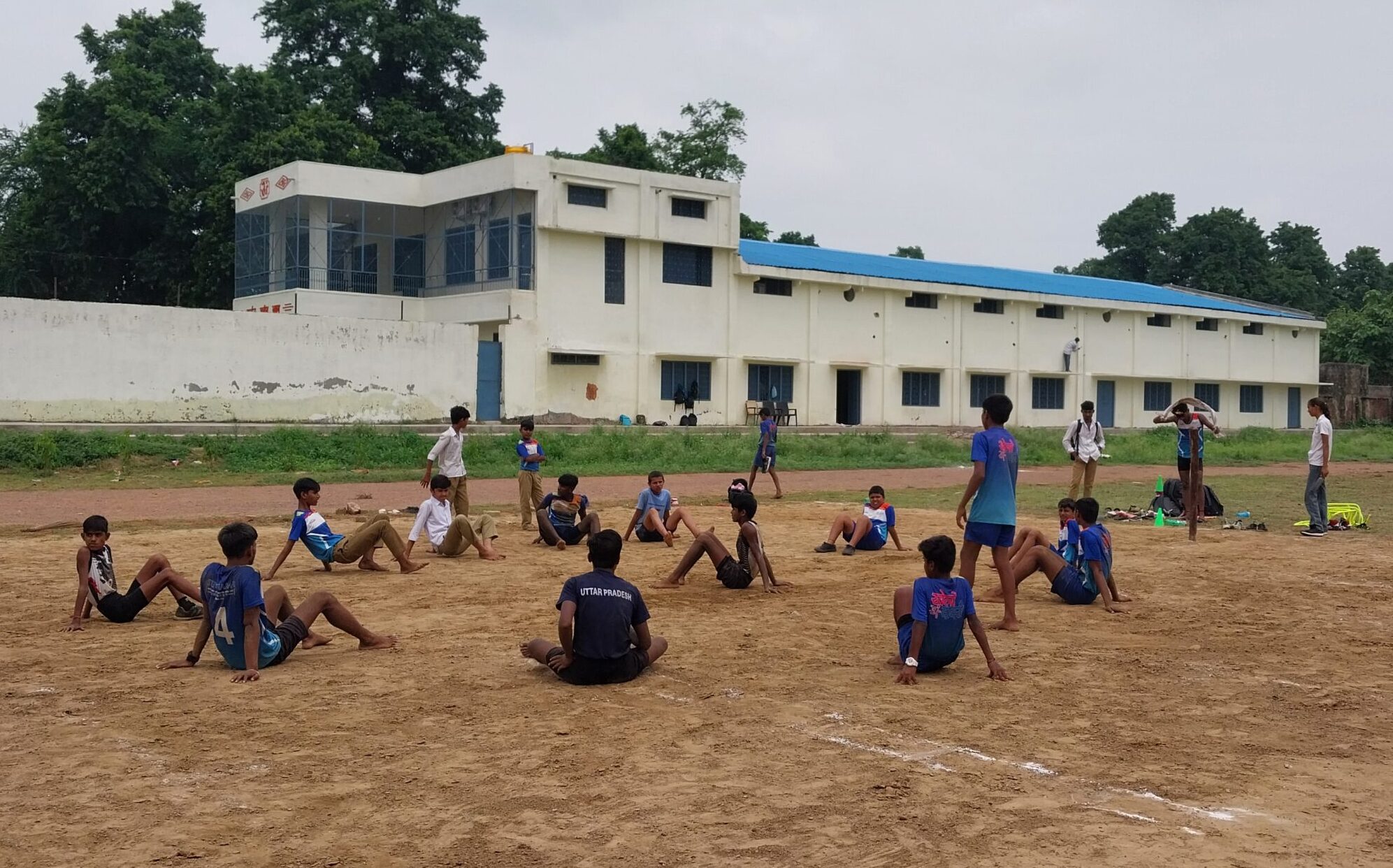
Reimagining Sports in CSR: From Tokenism to a Vehicle for Multiplying Impact
In 2023–24, Indian companies spent about ₹1,396 crore of their CSR budgets on sports — just 4% of the total ₹34,909 crore Indian corporates spent on CSR that year. Most of the rest went to edu..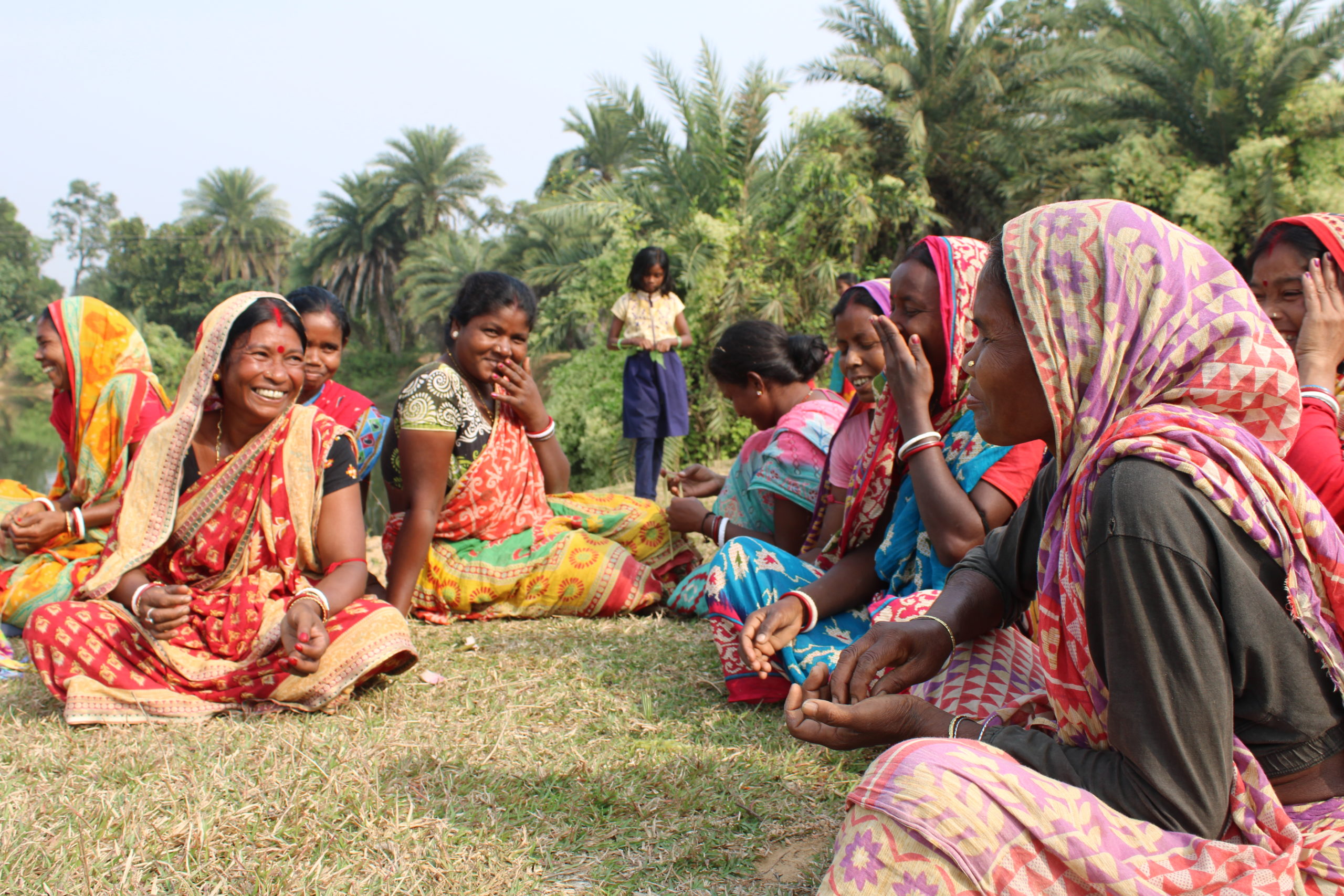
Interactive SHG Map of India: 7.5 million Women Self Help Groups are spread across 27 States and 6 UTs in India
Under the National Rural Livelihood Mission (NRLM), India has 7.5 million Women Self Help Groups (SHGs) spread across 27 states and 6 Union Territories. Each of these small, self-governed, and peer-co..