
Recent Developments,
Key Innovations, and
Insightful Reports
Your One Stop Platform for Regular Sector Updates
Sector news
View By Category
Categories
- See all
- Agriculture
- Clean Cookstoves
- Clean Energy
- Climate Action
- Digital Technology
- Education
- Financial Services
- General
- Healthcare
- Hygiene
- Impact Investment
- Inclusive Value Chains
- Livelihoods
- Livestock
- Lower Income Consumers
- Marketing, Distribution and Sales for BoP
- Nutrition
- Sanitation
- Water
- Women Empowerment


January 7, 2013
Socially responsible investing – benefits and risks
This post presents micro-crediting (through organizations like Kiva) and socially responsible investing as an alternative to making donations and other forms of charity. It enlists both risks and benefits. Read more here.
January 7, 2013
400 reasons for impact investment in China
This post by the China lead in New Ventures Global shows that while entrepreneurs in China appreciate their help in pairing them up with investors, they want New Ventures Global to have their skin in the game, by investing themselves. This reiterates the best practice that must be followed in […]
January 7, 2013
Bangladesh: Finance Minister stresses on the need for increased impact investment
The Finance Minister of Bangladesh Abul Mall Abdul Muhith recently stressed the need for social investment in the country’s economy so as to attain sustainable growth. He also lauded the efficacy of CSR as a change making agent. Read more here.
January 7, 2013
Calvert Foundation’s ‘Accessible, Reliable” road for impact investing
This NextBillion post is a Q&A session with Lisa Hall, CEO and President of Calvert Foundation, NextBillion’s newest content partner. Read more here.
January 7, 2013
AATIF Fund to invest in Global Agri-Development Company (GADCO)
GADCO, an FMCG agri-food company operating in SSA, and also an investee company of the Acumen Fund has recently announced receiving an investment from AATIF Fund, which is supported by KfW, Deutsche Bank and the German Government. GADCO is focused on increasing the income of small holder farmers through enabling […]
January 7, 2013
Carlyle Group to make Africa investment
The Carlyle Group LP has recently joined the private equity fund in Africa by way of a soon to be made investment in its new SSA (sub-Saharan Africa) Fund. Carlyle Group is also a part of group of investors supporting a Tanzania-based agricultural company sourcing produce from small holder farmers […]
January 7, 2013
Royal Bank of Canada invests in MaRS Centre for Impact Investing
The Royal Bank of Canada recently announced a grant of US$1 million in a five year commitment to the MaRS Centre for Impact Investing. This is in keeping with the social finance initiative that RBC has been complying with, with a previous US$20 million commitment towards social and environmental change. […]
January 7, 2013
Slightly Different wins UN Social Investment Pioneer Award
Penryn-based digital agency Slightly Different was one of the ten recipients of UN award for impact investment, the Social Investment Pioneer Award. This is awarded to companies which manage to align their core business abilities and commercial objectives with philanthropic intentions. Read more here.
January 7, 2013
The scale of 0-10 of impact for social enterprises
This intriguing post takes a different approach at measuring impact when it comes to the kind of products or services that social enterprises are making accessible to the underserved of the developing world. Read more here.
Get The Latest From The Social Sector In Your Inbox

Subscribe to our newsletter
View Our Publications
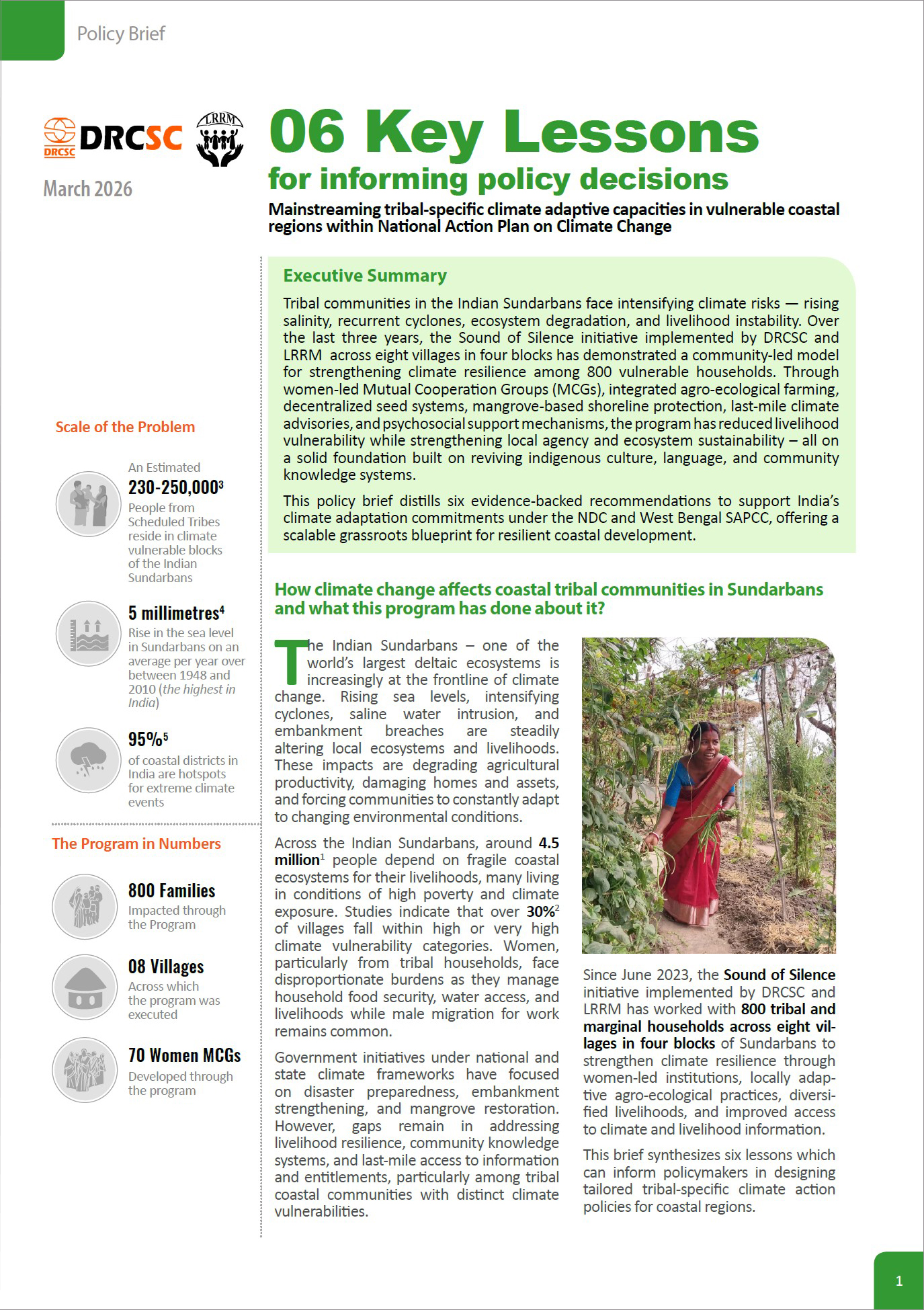
06 Key Lessons for informing policy decisions: Mainstreaming tribal-specific climate adaptive capacities in vulnerable coastal regions within National Action Plan on Climate Change
Download Full Report
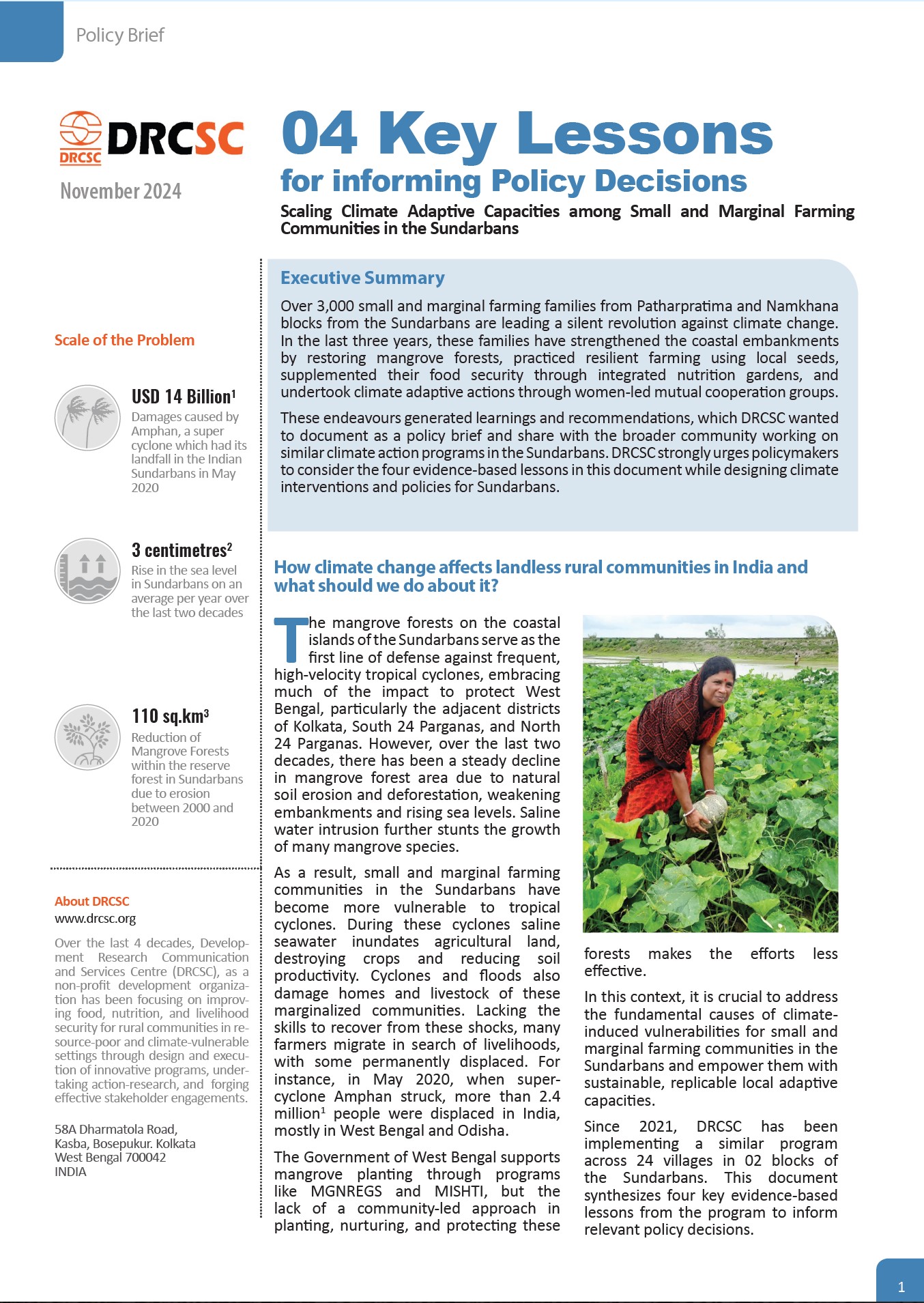
Four Key Lessons for Policy Consideration: Scaling Climate Adaptive Capacities among Small and Marginal Farming Communities in the Sundarbans
Download Full Report
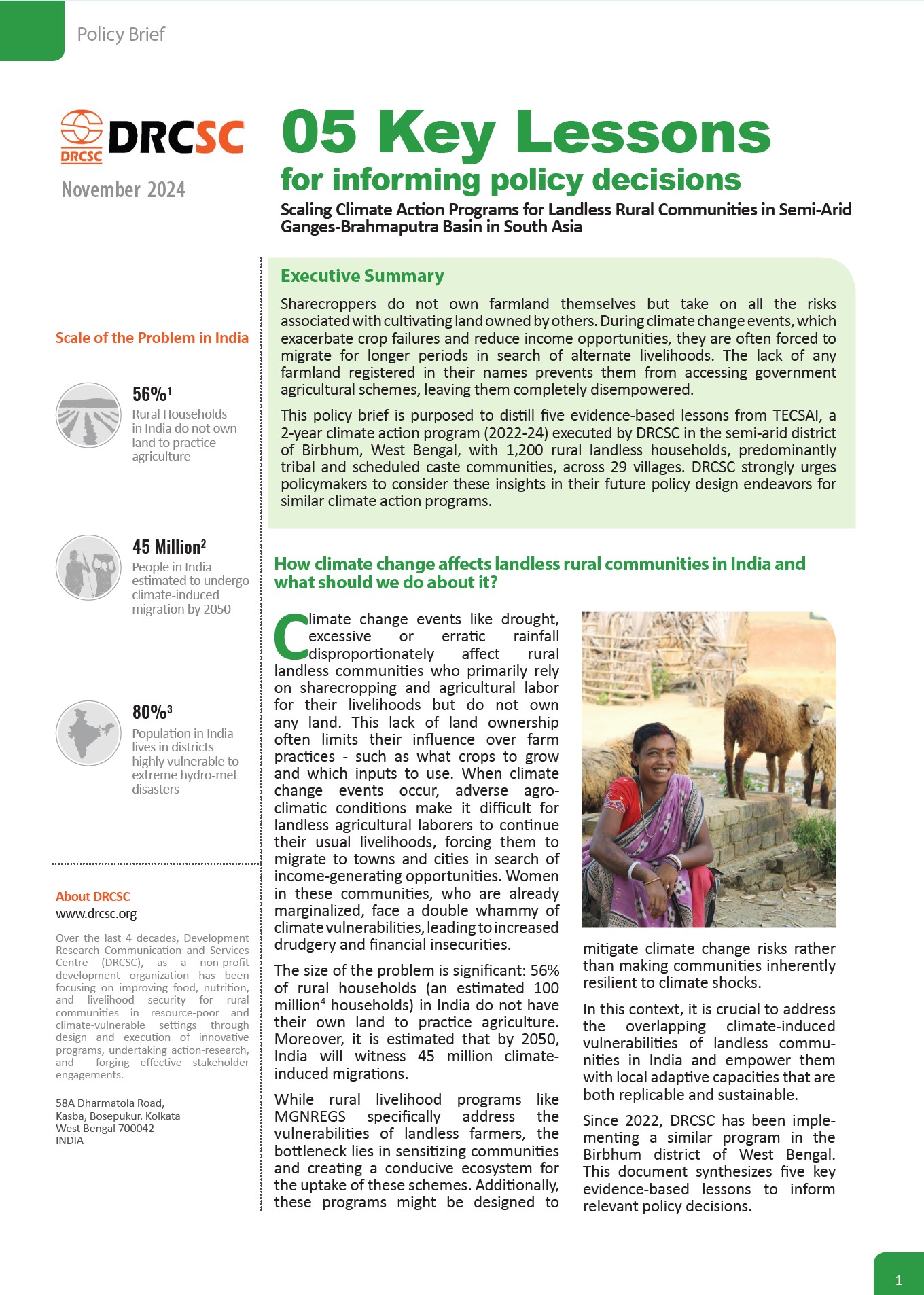
Five Key Lessons for Policy Consideration: Scaling Climate Action Programs for Landless Rural Communities in Semi-Arid Ganges-Brahmaputra Basin in South Asia
Download Full Report
View Blog Posts
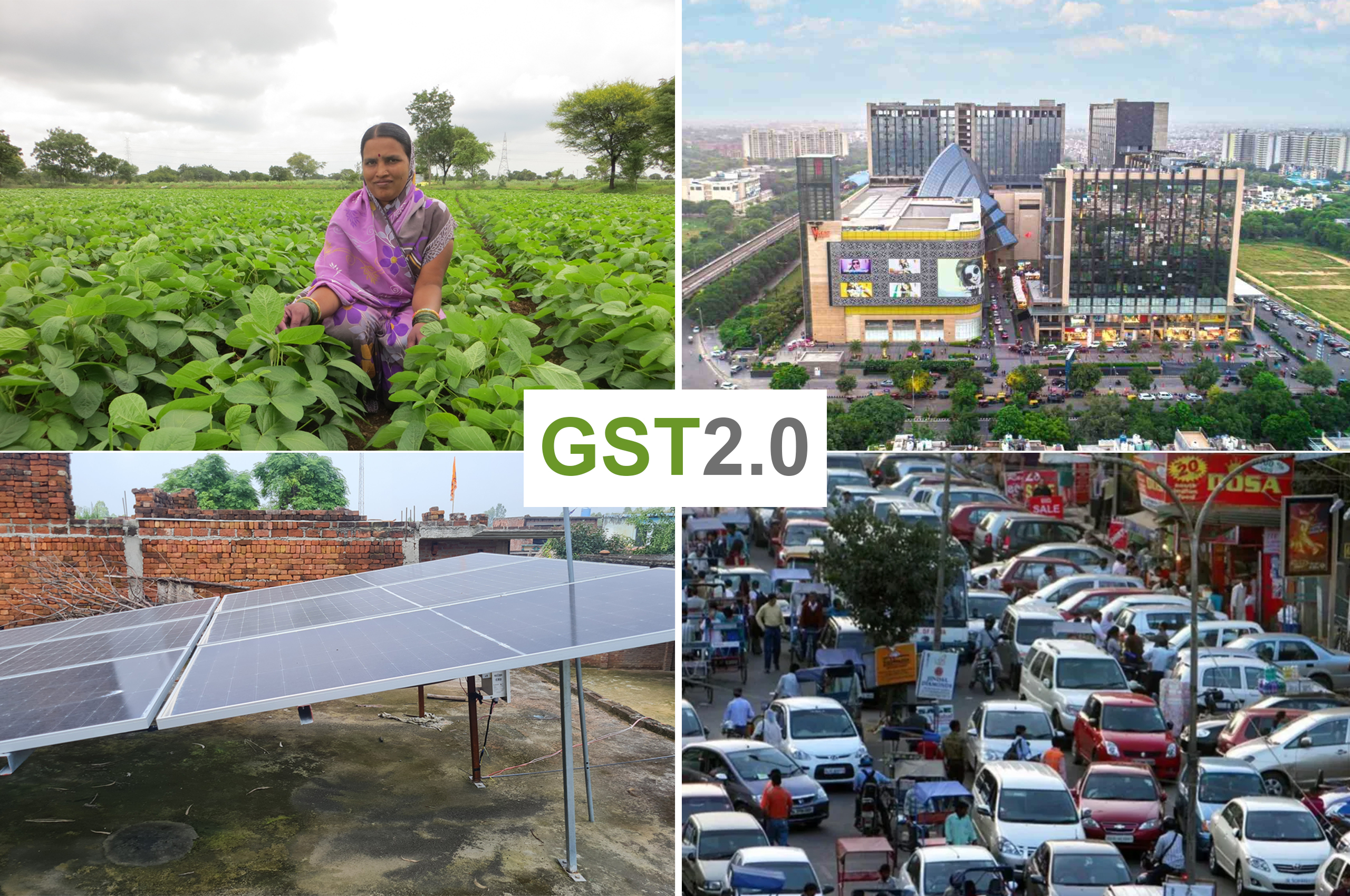
GST 2.0 and Tax Cuts: Can They Make Growth Fairer and Greener?
India's latest GST reform, being termed as GST 2.0, is more than just slashing rates. By simplifying the tax structure, cutting levies on essentials, and supporting renewable infrastructure, it's open..
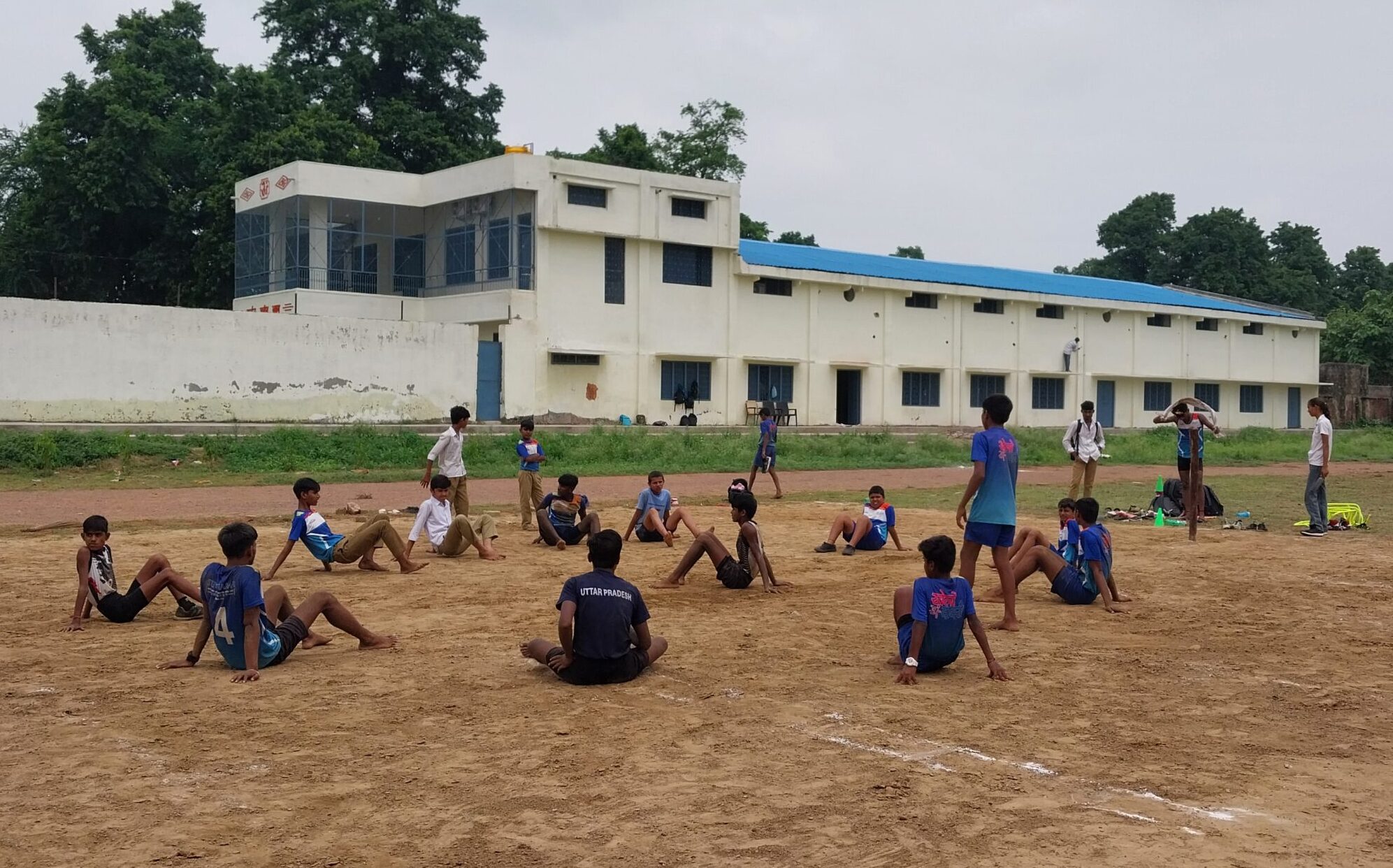
Reimagining Sports in CSR: From Tokenism to a Vehicle for Multiplying Impact
In 2023–24, Indian companies spent about ₹1,396 crore of their CSR budgets on sports — just 4% of the total ₹34,909 crore Indian corporates spent on CSR that year. Most of the rest went to edu..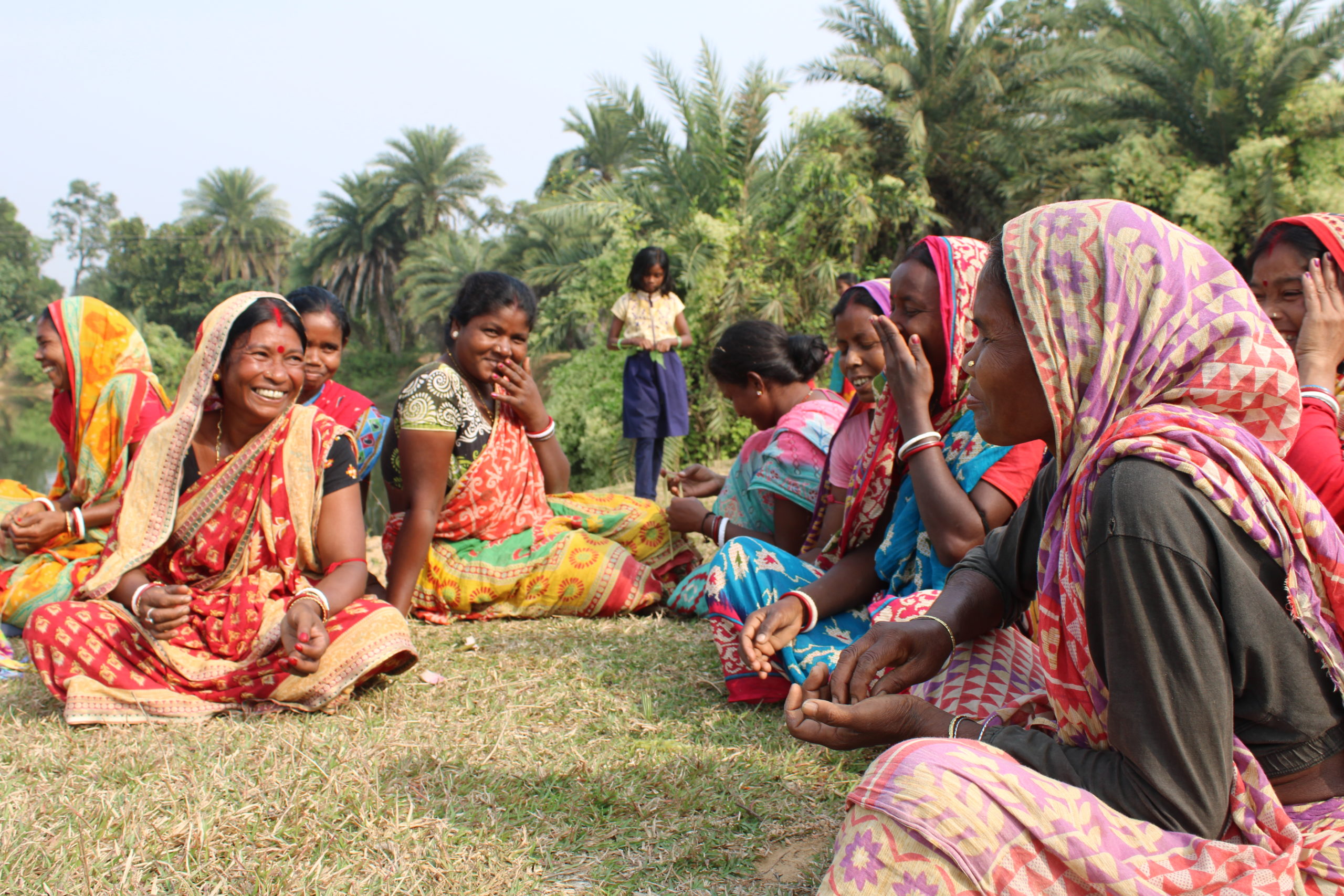
Interactive SHG Map of India: 7.5 million Women Self Help Groups are spread across 27 States and 6 UTs in India
Under the National Rural Livelihood Mission (NRLM), India has 7.5 million Women Self Help Groups (SHGs) spread across 27 states and 6 Union Territories. Each of these small, self-governed, and peer-co..