
Recent Developments,
Key Innovations, and
Insightful Reports
Your One Stop Platform for Regular Sector Updates
Sector news
View By Category
Categories
- See all
- Agriculture
- Clean Cookstoves
- Clean Energy
- Climate Action
- Digital Technology
- Education
- Financial Services
- General
- Healthcare
- Hygiene
- Impact Investment
- Inclusive Value Chains
- Livelihoods
- Livestock
- Lower Income Consumers
- Marketing, Distribution and Sales for BoP
- Nutrition
- Sanitation
- Water
- Women Empowerment


December 29, 2012
How MDGs for education failed
While the MDGs for education may have failed for the education sector, the approach towards rectifying that must be stricter and more thoughtful than the last one. Non-involvement of the end beneficiaries led ambiguities contributing to low rates of education and this must be changed by looking at the underserved […]
December 29, 2012
USAID mobilized record amounts to support small businesses in developing countries
DCA, or the Development Credit Authority of USAID has set a record for helping disburse the highest amounts of cash in any one year. It has worked with 45 financial institutions in 23 countries in 2012 to unlock a total of US$525 million. Read more here.
December 29, 2012
The past year for Calvert
This post enlists all the major initiatives – both of the investment, research, women involvement and other kind that the Calvert Foundation was involved in the year 2012. Read more here.
December 29, 2012
Tata launches ‘Social Enterprise Challenge’
The Tata group of companies recently announced the launched of their initiative called the ‘Social Enterprise Challenge’ in collaboration with the IIMC management school in Kolkata, India. Detailed business plans have been invited in the areas of education, health, agriculture, energy, technology, housing, handicrafts and more.
December 29, 2012
Q&A with Jacqueline Novogratz
This WSJ post is a Q&A with Jacqueline Novogratz, of CEO of the Acumen Fund, and her take on the concept of impact investment, and how it can fit into a client’s overall giving strategy. Read more here.
December 29, 2012
100 new social investments to be launched
UnLtd, Europe’s largest charity is soon going to be launching a new fund worth £5 million, which will be used by some 100 social enterprises in achieving rapid growth in their respective ventures. Read more here.
December 29, 2012
How impact investment can help Israel
Israel is relatively behind its developed country contemporaries in adopting the measure of impact investment in appropriating social changes while making ventures profitable. A new report identifies several opportunities for impact investment to make a difference in the country. Read more here.
December 29, 2012
Pilot financial index for social investment launched
EngagedX, touted as the potential ‘Bloomberg for social investment’ is being piloted to test its efficacy. EnagagedX: the Index for Impact Investing will analyse markets sector by sector, geography, stage of development, and will sub-divide the market into debt, equity and quasi-equity. The pilot is being funded by City Bridge […]
December 29, 2012
The role of faith based investors in impact investing
This post argues for the case of impact investment for the investors who make faith based investments, accompanied by low interest rates to low income borrowers. Faith based investors have existed since 1960s and the emergence of impact investment in popularity will only complement the role of faith based investors. […]
Get The Latest From The Social Sector In Your Inbox

Subscribe to our newsletter
View Our Publications
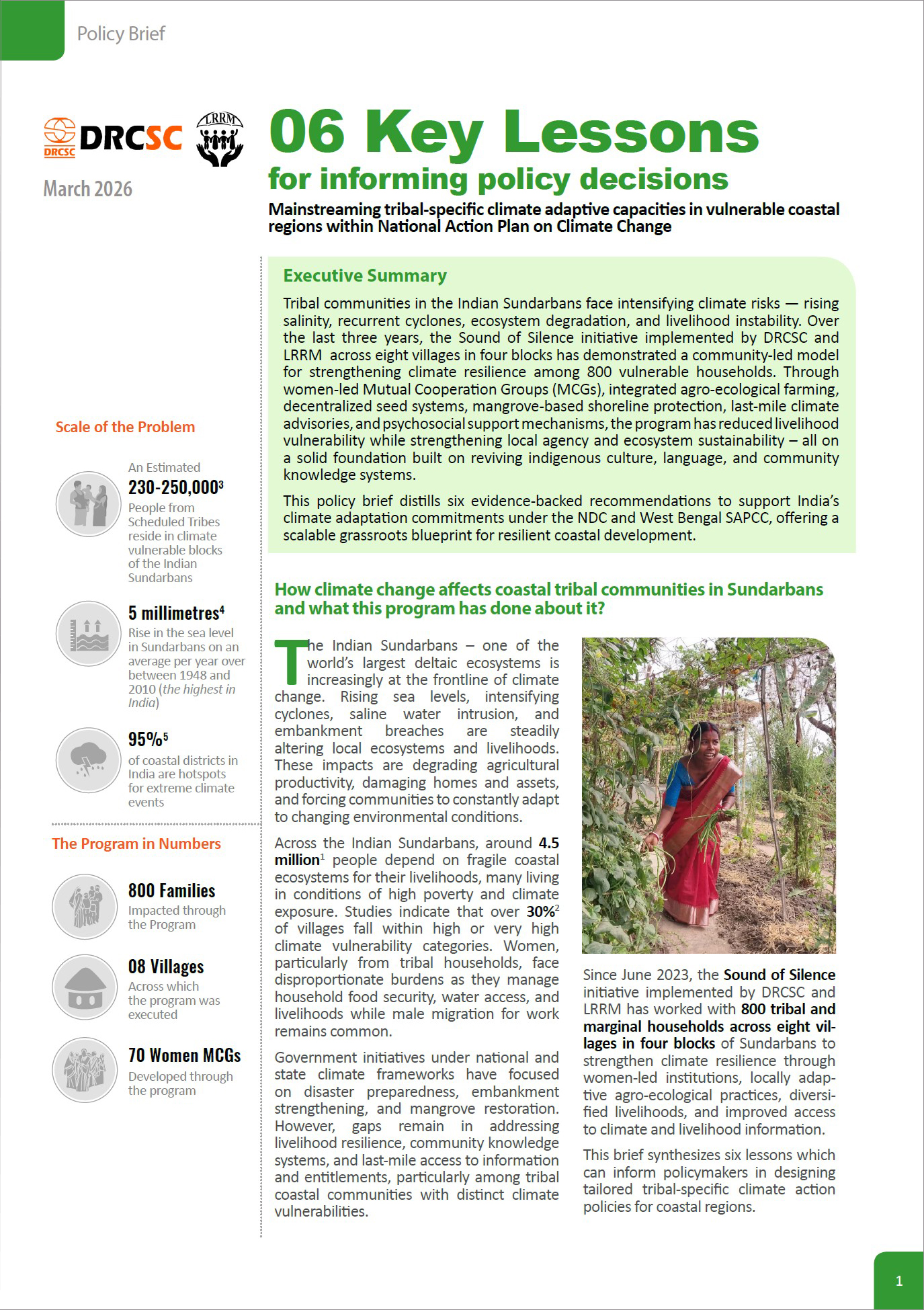
06 Key Lessons for informing policy decisions: Mainstreaming tribal-specific climate adaptive capacities in vulnerable coastal regions within National Action Plan on Climate Change
Download Full Report
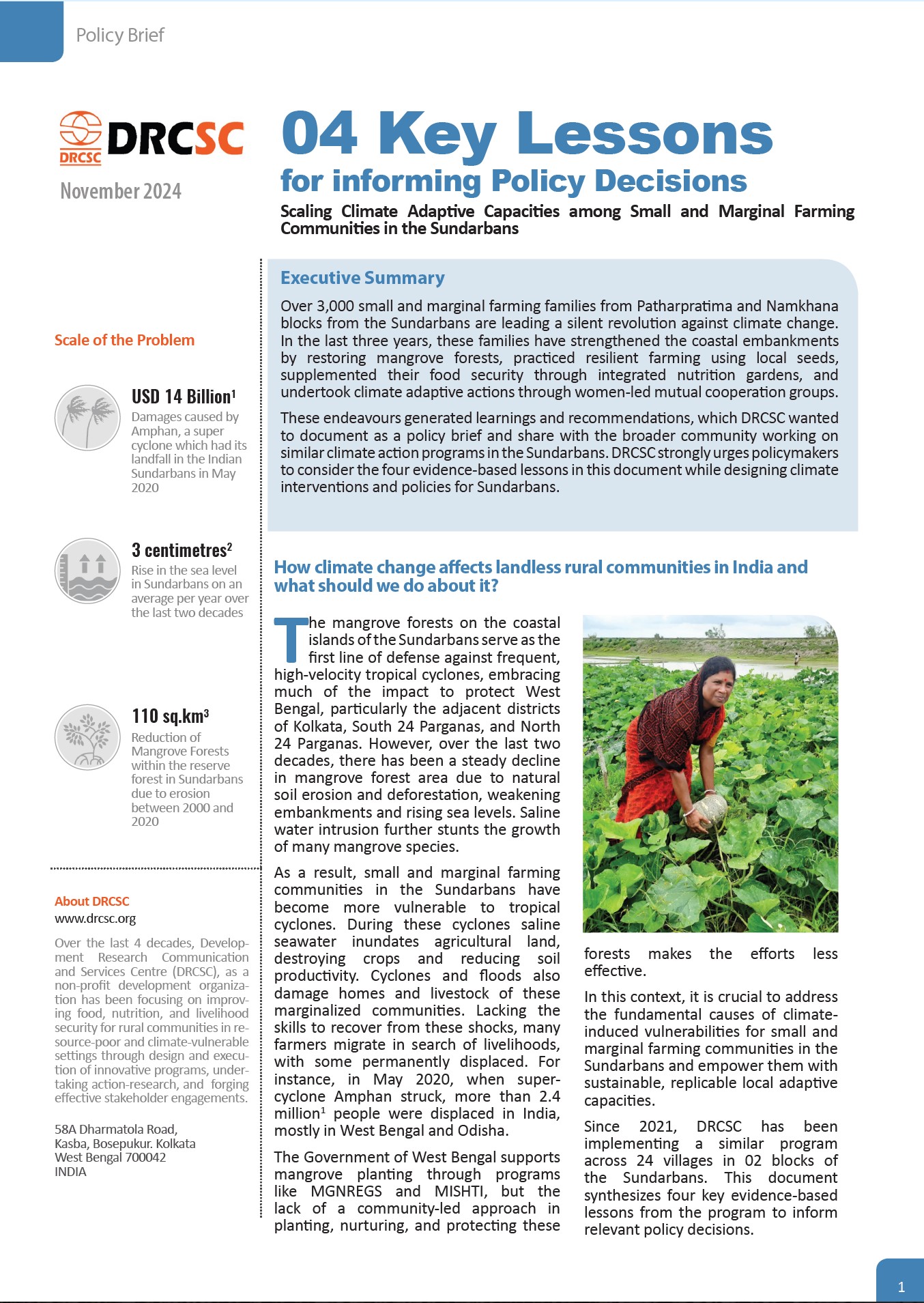
Four Key Lessons for Policy Consideration: Scaling Climate Adaptive Capacities among Small and Marginal Farming Communities in the Sundarbans
Download Full Report
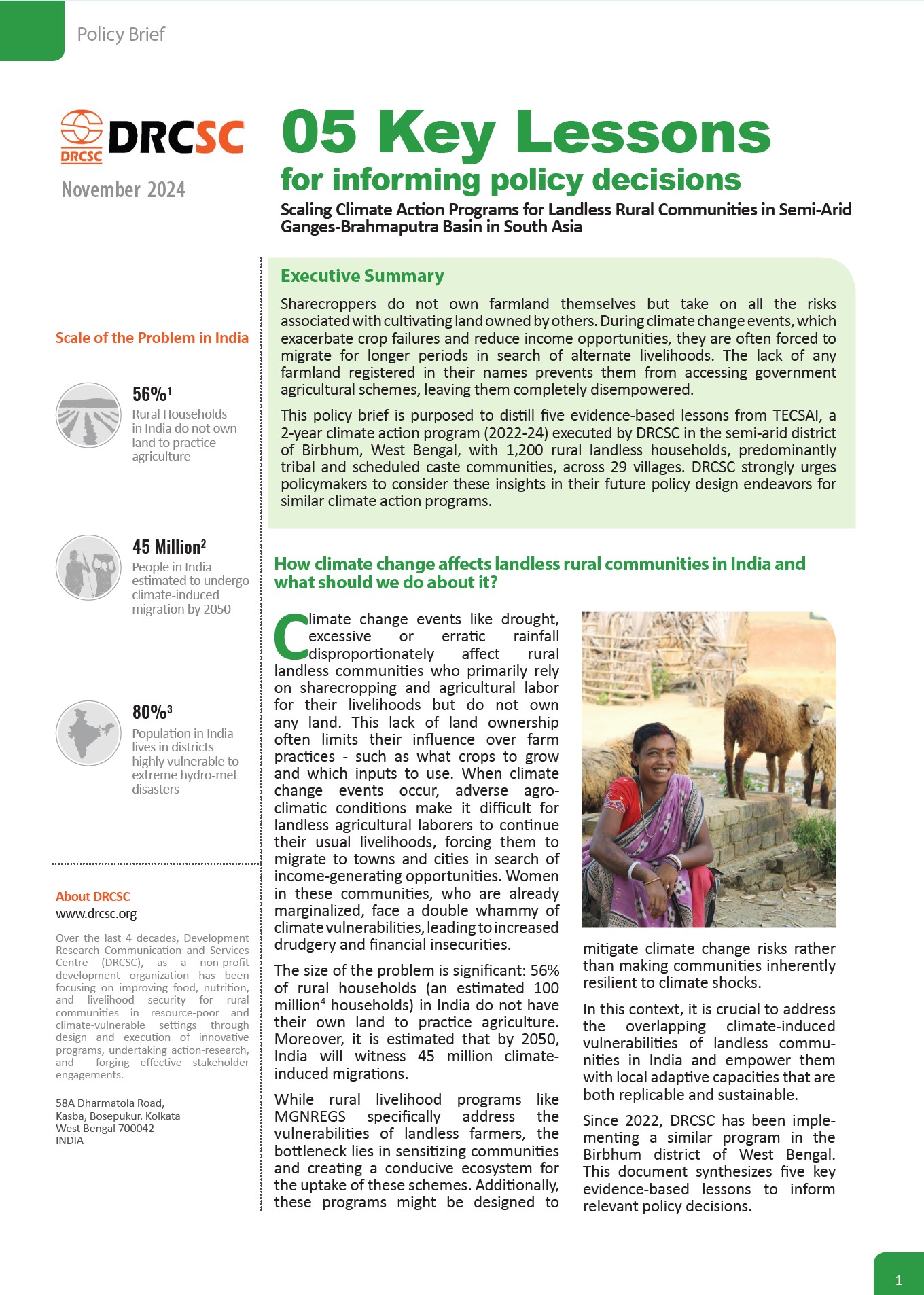
Five Key Lessons for Policy Consideration: Scaling Climate Action Programs for Landless Rural Communities in Semi-Arid Ganges-Brahmaputra Basin in South Asia
Download Full Report
View Blog Posts
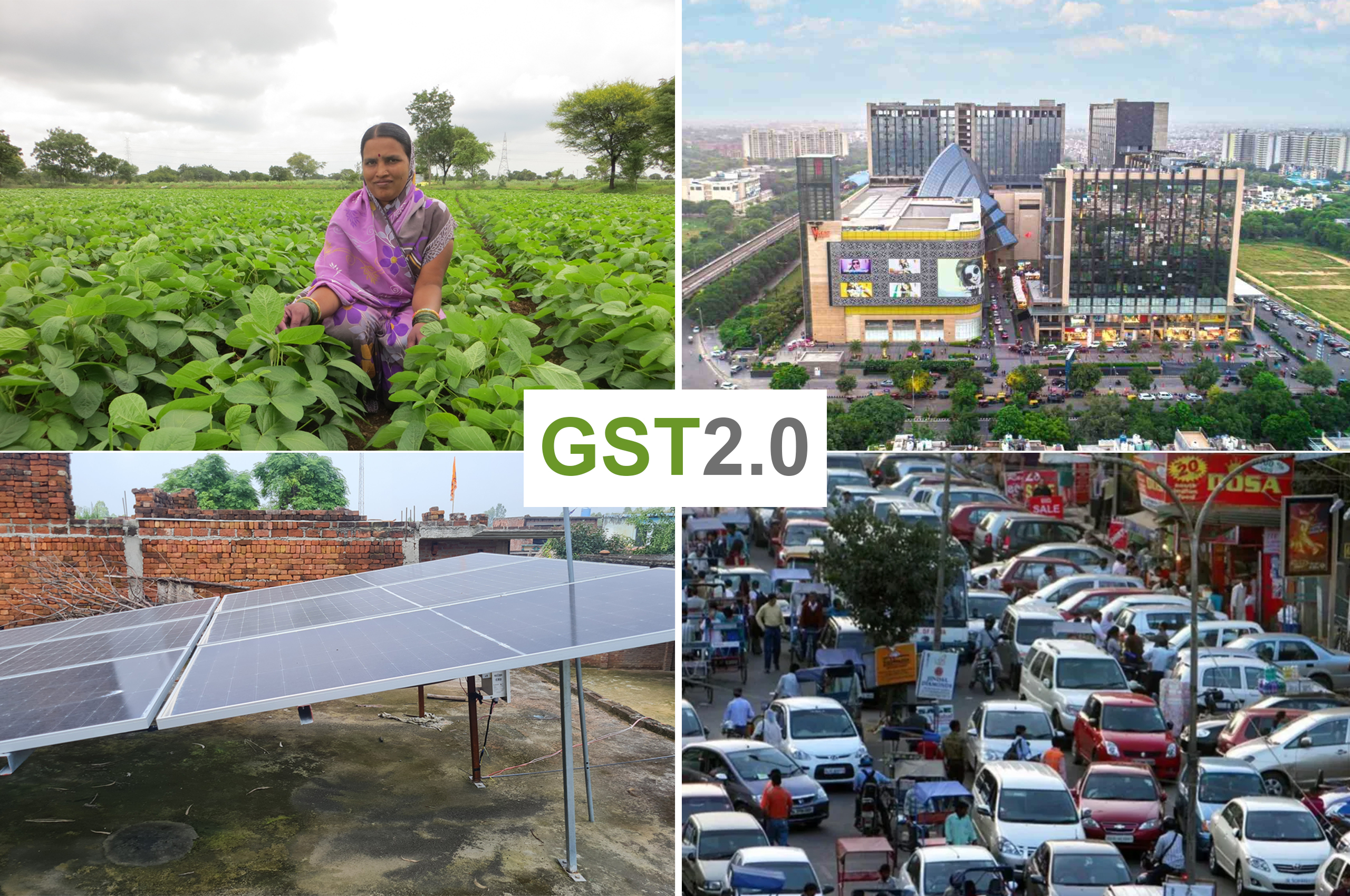
GST 2.0 and Tax Cuts: Can They Make Growth Fairer and Greener?
India's latest GST reform, being termed as GST 2.0, is more than just slashing rates. By simplifying the tax structure, cutting levies on essentials, and supporting renewable infrastructure, it's open..
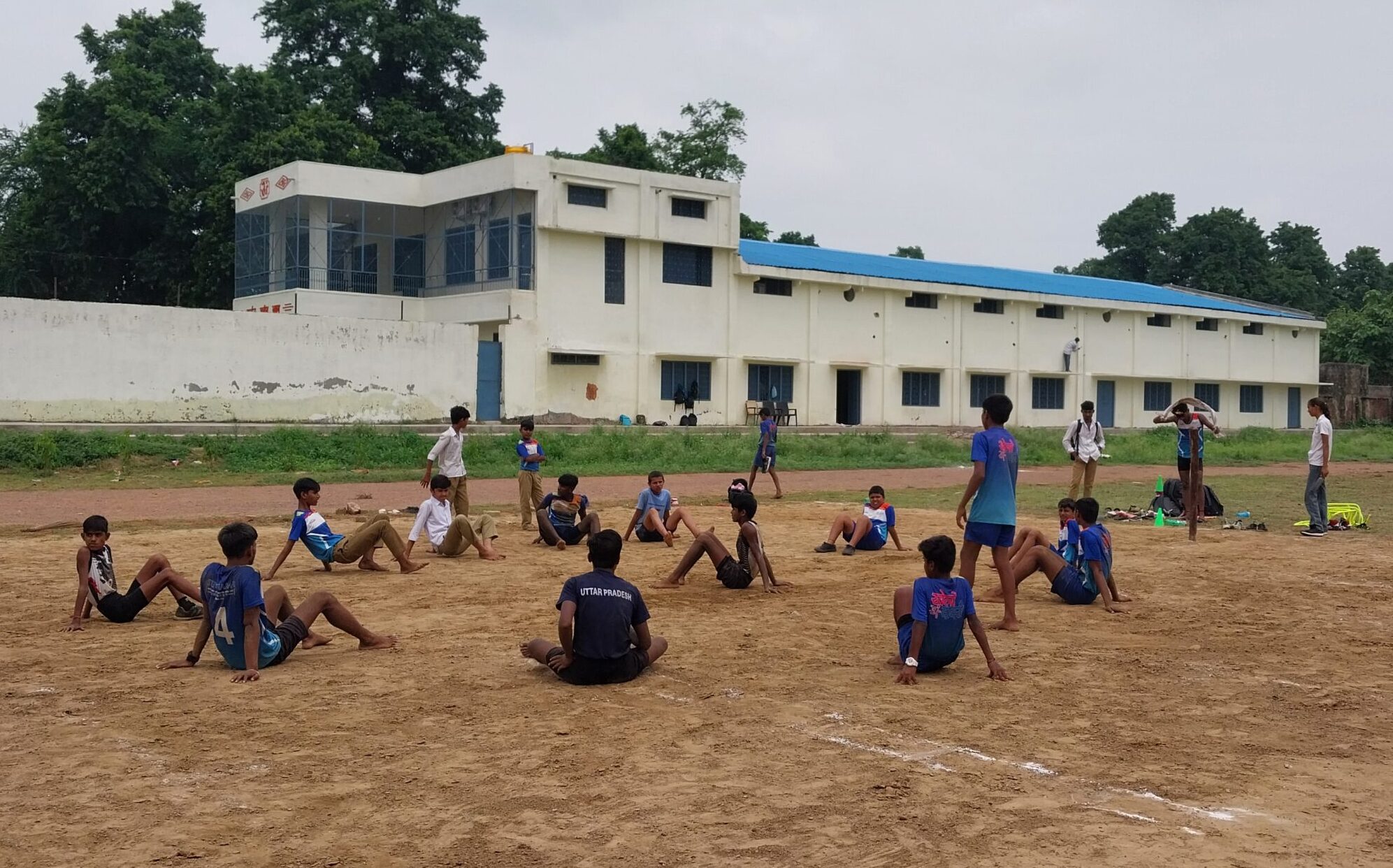
Reimagining Sports in CSR: From Tokenism to a Vehicle for Multiplying Impact
In 2023–24, Indian companies spent about ₹1,396 crore of their CSR budgets on sports — just 4% of the total ₹34,909 crore Indian corporates spent on CSR that year. Most of the rest went to edu..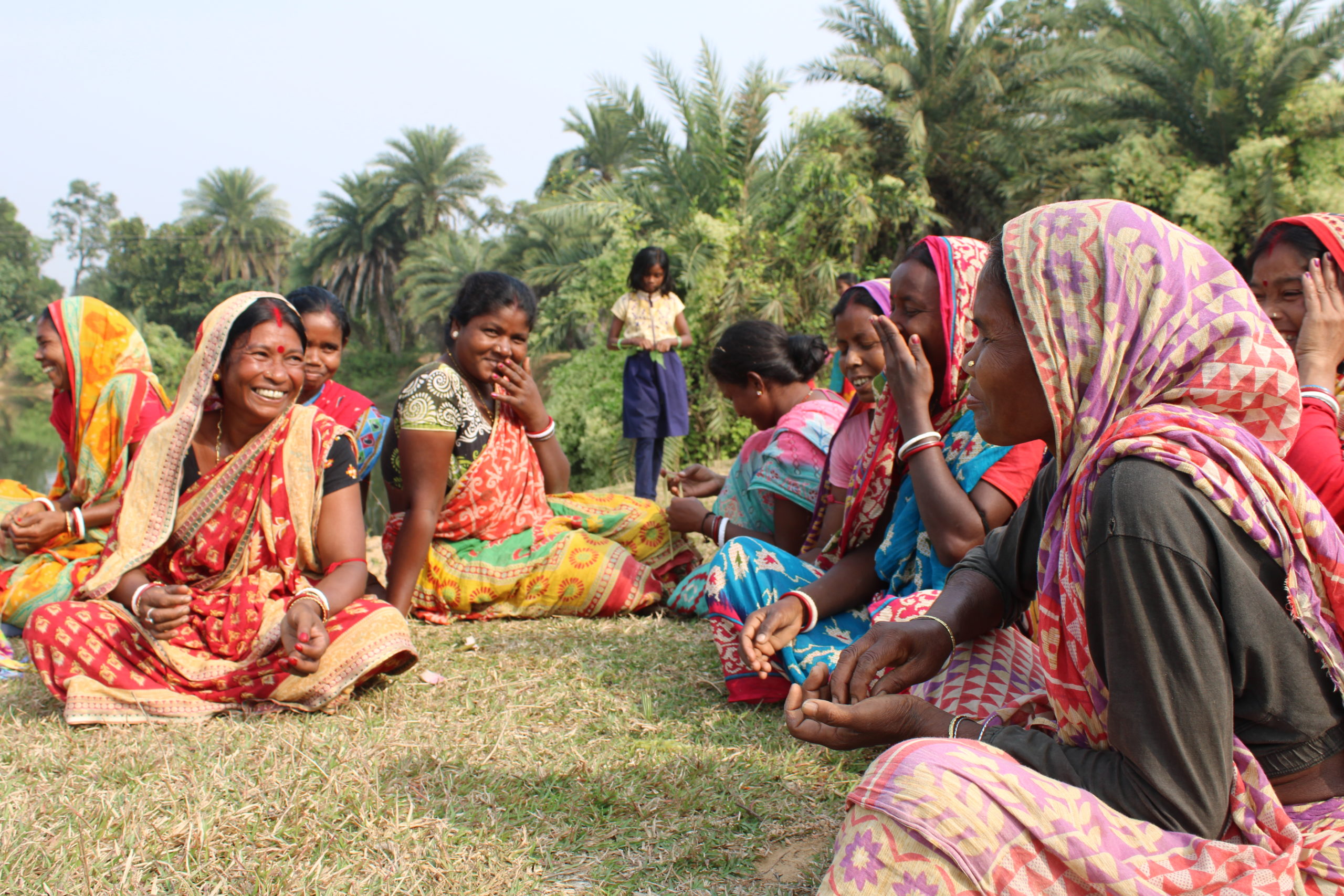
Interactive SHG Map of India: 7.5 million Women Self Help Groups are spread across 27 States and 6 UTs in India
Under the National Rural Livelihood Mission (NRLM), India has 7.5 million Women Self Help Groups (SHGs) spread across 27 states and 6 Union Territories. Each of these small, self-governed, and peer-co..