
Recent Developments,
Key Innovations, and
Insightful Reports
Your One Stop Platform for Regular Sector Updates
Sector news
View By Category
Categories
- See all
- Agriculture
- Clean Cookstoves
- Clean Energy
- Climate Action
- Digital Technology
- Education
- Financial Services
- General
- Healthcare
- Hygiene
- Impact Investment
- Inclusive Value Chains
- Livelihoods
- Livestock
- Lower Income Consumers
- Marketing, Distribution and Sales for BoP
- Nutrition
- Sanitation
- Water
- Women Empowerment


December 29, 2012
Rakhine State in Burma has deplorable water and sanitation access conditions
UNICEF has made a call for action for the IDPs or the Internally Displaced Persons living in the Rakhine State in Burma. As many as 115,000 IDPs in the strife torn area have no access to potable water, adequate sanitation or hygiene options. Drainage and solid waste disposal conditions are […]
December 29, 2012
Haiti: More stress on clean water and adequate sanitation needed
According to the most recent data by the World Bank, only 69 per cent of Haiti has access to clean water. Only 17 per cent have access to ‘improved sanitation’. Among the poorest 20 per cent, only 1 per cent has access to clean drinking water, while 90 per cent […]
December 29, 2012
Scaling gender equality through access to clean water
In the world today, one in eight do not have access to clean drinking water, and more than twice that number do not have access to sanitation. Women bear the burden for most of this, as they must spend time collecting water, care for the sick in the family (primary […]
December 29, 2012
Mining by-product capable of cleaning water
According to scientists from the US Geological Survey Leetown Science Centre, a byproduct from the treatment of acid mine drainage may have a second life in cleaning waters coming from agricultural and wastewater discharges. This has been published in a report called Water, Air and Soil Pollution (read here) will […]
December 29, 2012
Uganda: Government to support vocational training
The Prime Minister of Uganda Amama Mbabazi has announced the launch of a national vocational training scheme called “Skilling Uganda” which will see an amount of UGX 433 billion or approximately USD 162 million being poured into the initiative. Read more here.
December 29, 2012
South Korea increases aid for vocational training in Afghanistan
South Korea has pledged an increased amount of aid to the vocational training sector of Afghanistan. South Korea recently donated equipment worth US$100,000 to the Afghan-Korea Vocational Institute. Read more here.
December 29, 2012
UN to fund vocational training in Jonglei to ensure peace
UN has decided to introduce vocational training initiatives in the Jonglei state of South Sudan as a means to divert youth from participating in conflicts. Read more here.
December 29, 2012
Can private schools teach the world?
Can private schools be more effective in teaching the millions of pupils across the developing world that remain without an education, despite concerted international and institutional efforts to build an educational system in the poorer countries. Read more here.
December 29, 2012
The fortune at the bottom of the pyramid in education
This post gives an overview of the number of affordable education opportunities that are existent in the developing world, providing world class education to the pupils. Read more here.
Get The Latest From The Social Sector In Your Inbox

Subscribe to our newsletter
View Our Publications
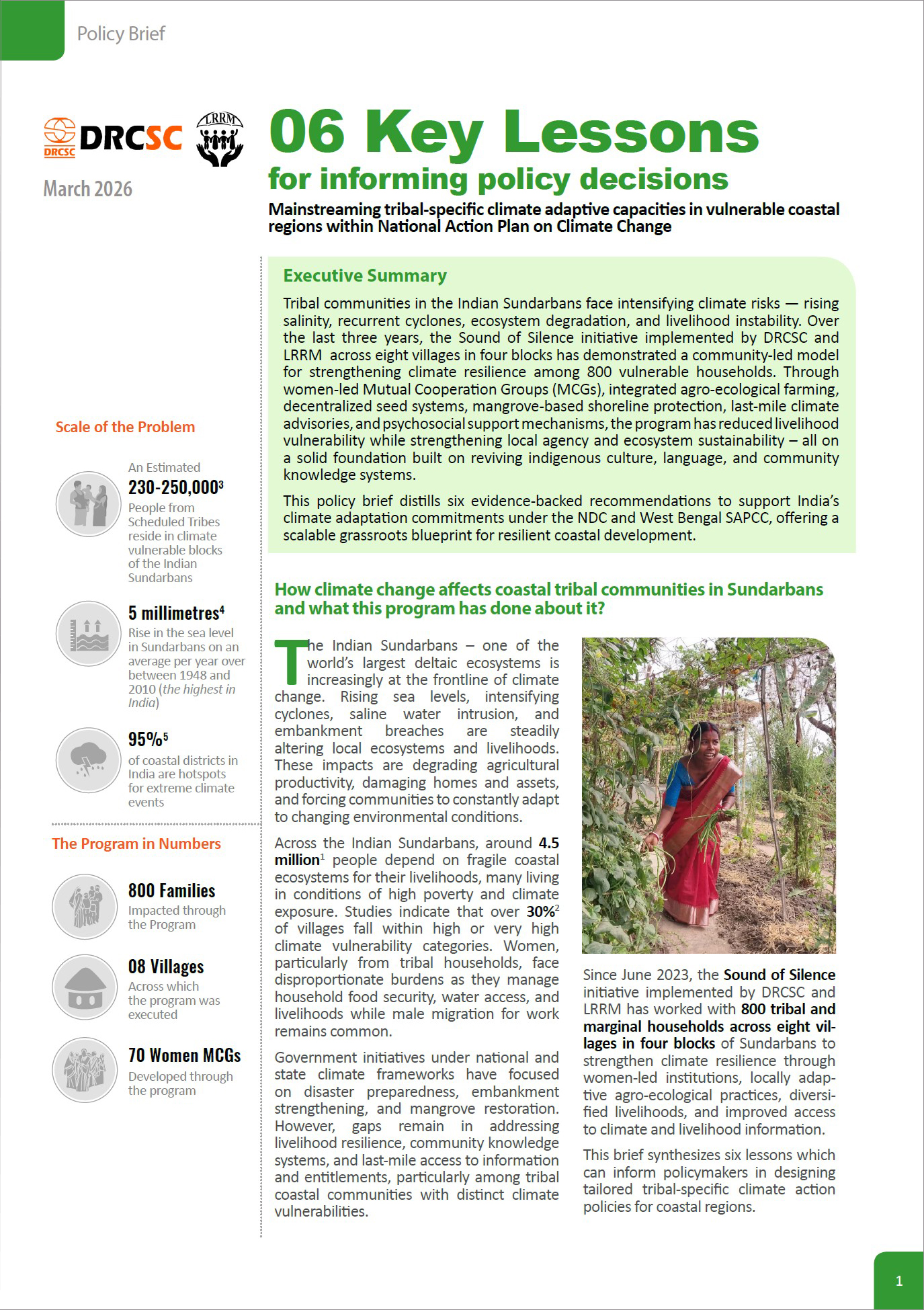
06 Key Lessons for informing policy decisions: Mainstreaming tribal-specific climate adaptive capacities in vulnerable coastal regions within National Action Plan on Climate Change
Download Full Report
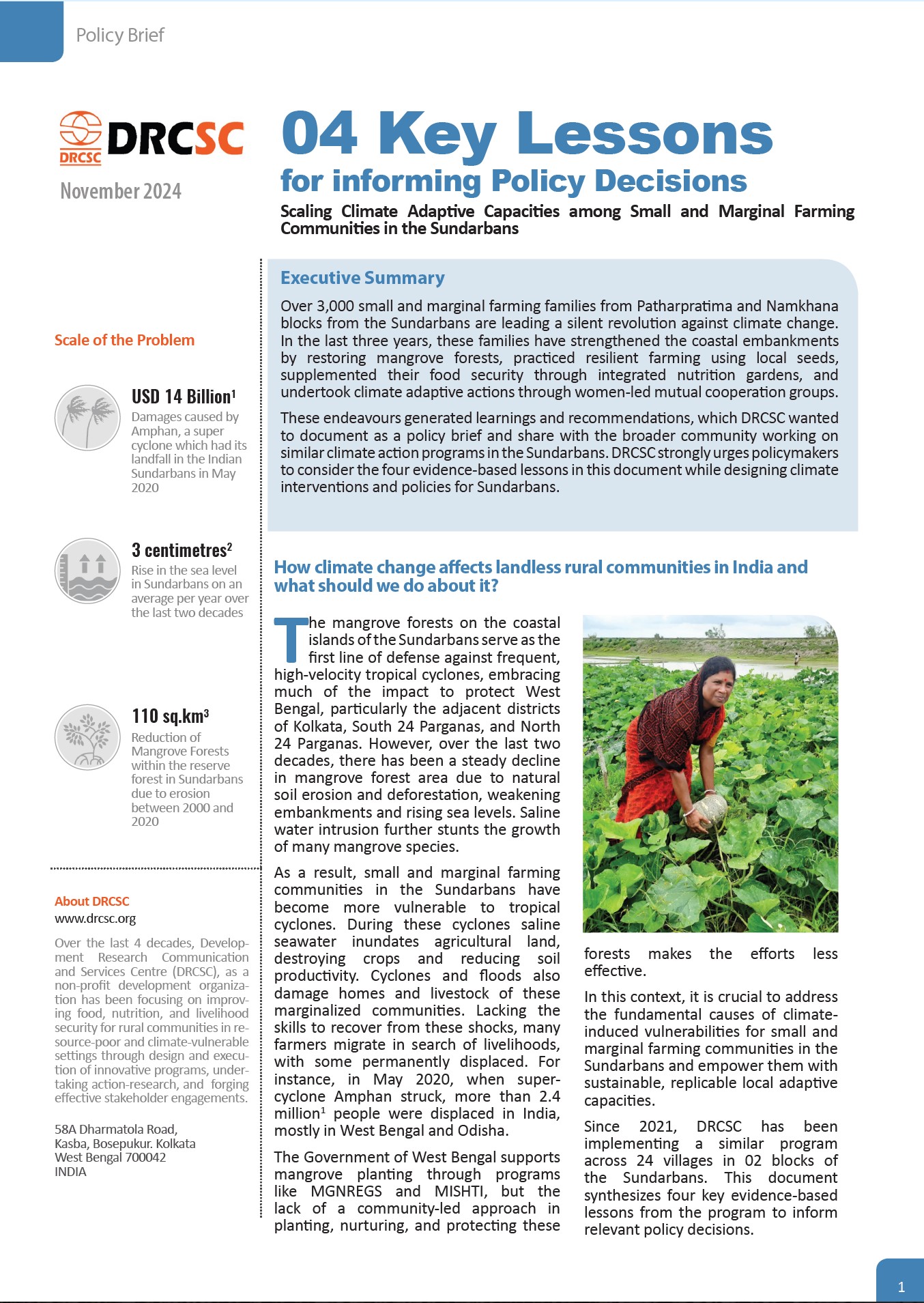
Four Key Lessons for Policy Consideration: Scaling Climate Adaptive Capacities among Small and Marginal Farming Communities in the Sundarbans
Download Full Report
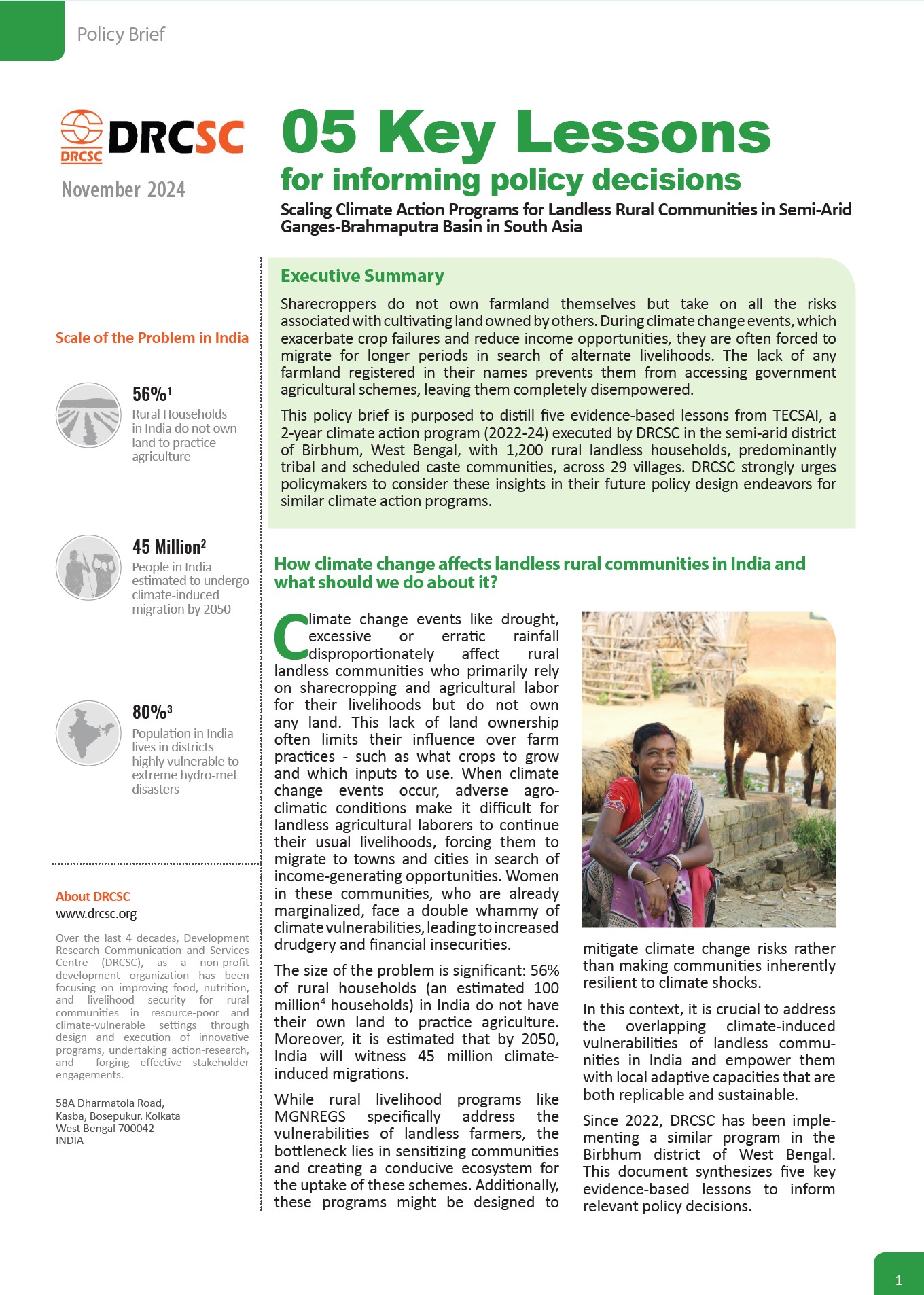
Five Key Lessons for Policy Consideration: Scaling Climate Action Programs for Landless Rural Communities in Semi-Arid Ganges-Brahmaputra Basin in South Asia
Download Full Report
View Blog Posts
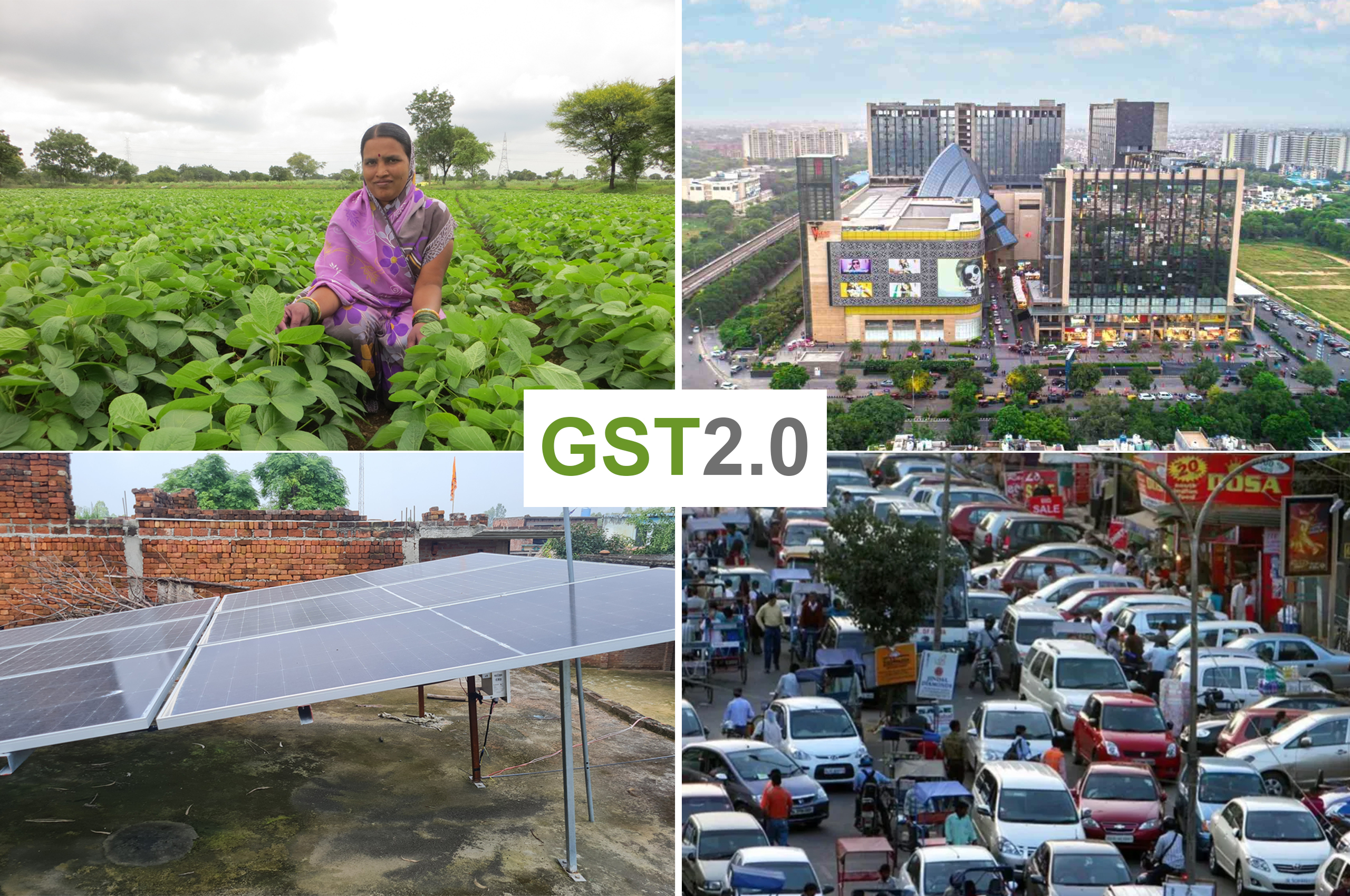
GST 2.0 and Tax Cuts: Can They Make Growth Fairer and Greener?
India's latest GST reform, being termed as GST 2.0, is more than just slashing rates. By simplifying the tax structure, cutting levies on essentials, and supporting renewable infrastructure, it's open..
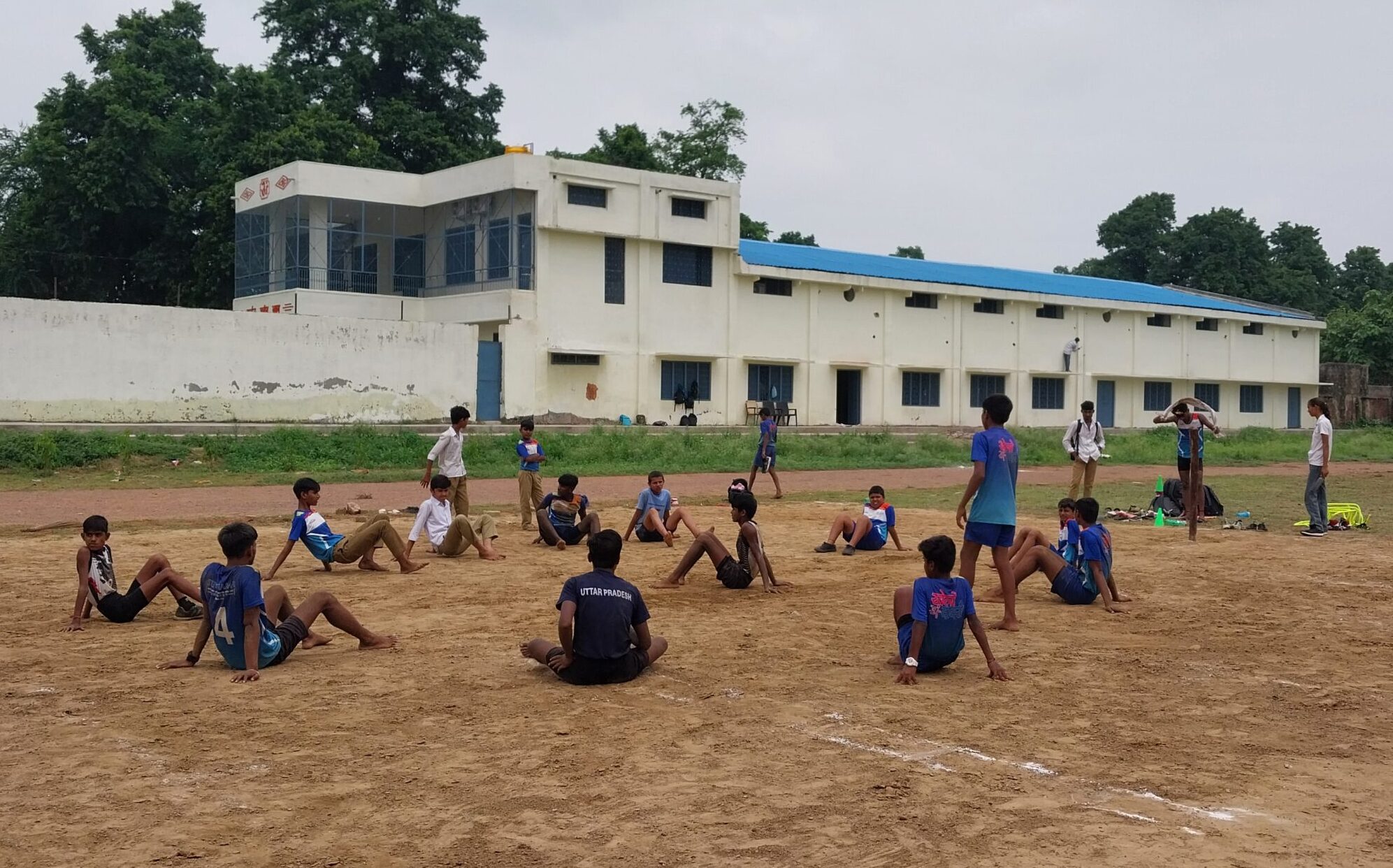
Reimagining Sports in CSR: From Tokenism to a Vehicle for Multiplying Impact
In 2023–24, Indian companies spent about ₹1,396 crore of their CSR budgets on sports — just 4% of the total ₹34,909 crore Indian corporates spent on CSR that year. Most of the rest went to edu..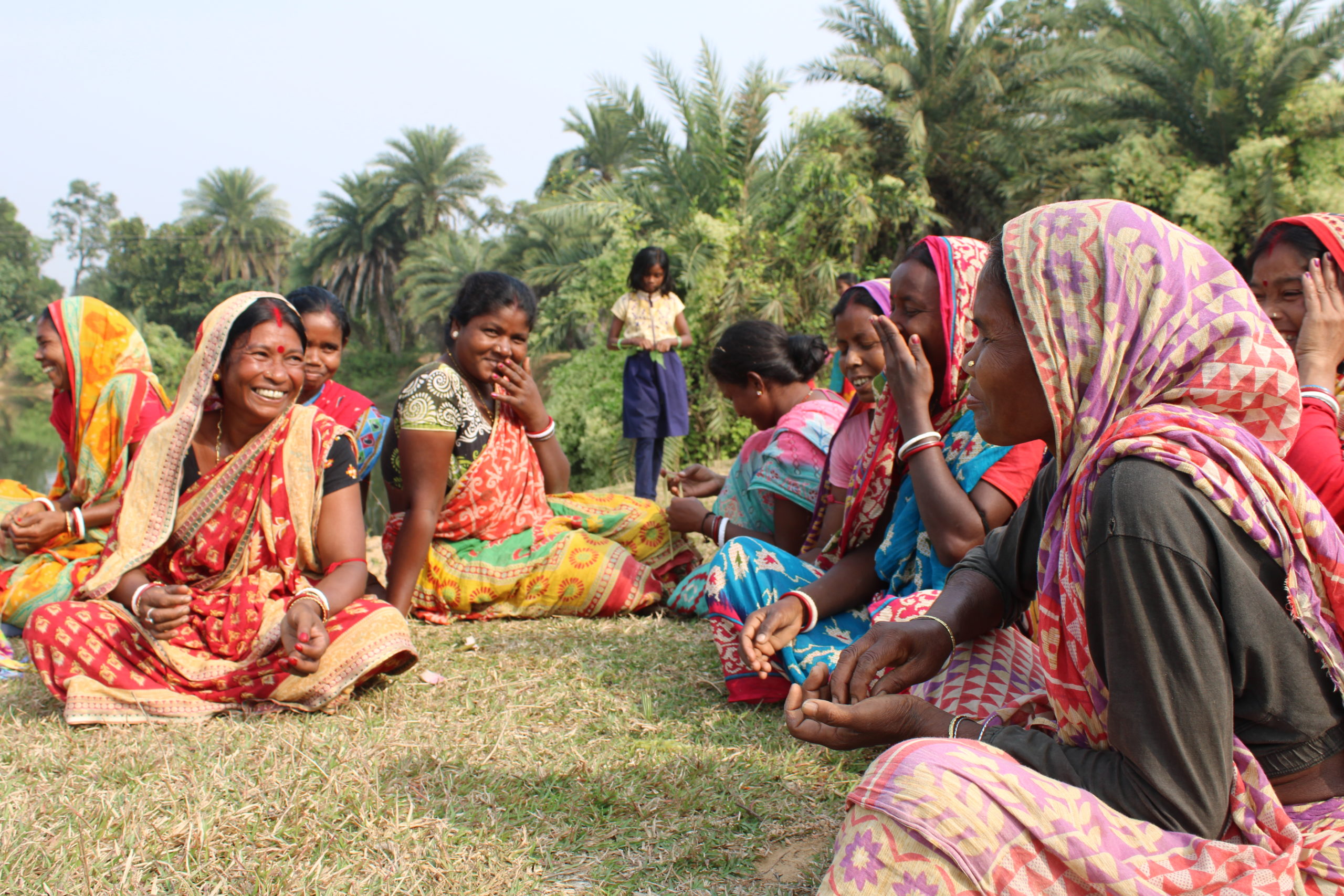
Interactive SHG Map of India: 7.5 million Women Self Help Groups are spread across 27 States and 6 UTs in India
Under the National Rural Livelihood Mission (NRLM), India has 7.5 million Women Self Help Groups (SHGs) spread across 27 states and 6 Union Territories. Each of these small, self-governed, and peer-co..