
Recent Developments,
Key Innovations, and
Insightful Reports
Your One Stop Platform for Regular Sector Updates
Sector news
View By Category
Categories
- See all
- Agriculture
- Clean Cookstoves
- Clean Energy
- Climate Action
- Digital Technology
- Education
- Financial Services
- General
- Healthcare
- Hygiene
- Impact Investment
- Inclusive Value Chains
- Livelihoods
- Livestock
- Lower Income Consumers
- Marketing, Distribution and Sales for BoP
- Nutrition
- Sanitation
- Water
- Women Empowerment


December 29, 2012
UK vs. US – the social investment race is on
This post talks about how there is a subtle tug of war on precedence in the social investment scenario between the UK and the US, despite UK’s clear early starter efforts in the social investment area. This became clear after the first ever UK Social Investment Trade Mission was sent […]
December 29, 2012
Why impact investment is the key to inclusive business in Egypt
Impact investment could be the strongest pillar of support for a state like Egypt which is in no position to sustainably provide jobs, housing and basic services. This post provides compelling arguments for an interdependency of Egypt in its current state, and impact investors. Read more here.
December 29, 2012
Enforcing the obvious – CSR set to become mandatory in India
The Companies Bill, passed in the Lok Sabha earlier this month, makes it mandatory for companies with turnover of over INR 1,000 crore or net worth of over INR 500 crore or average net profit of INR 5 crore over the preceding three years to spend 2% of their average […]
December 12, 2012
Viability Gap Funding to play a crucial role as JNNSM gears up for Phase 2
With conventional energy becoming progressively costlier and solar power cheaper, India is gearing up to push for grid parity for solar power by 2017, five years ahead of its original target of 2022. In the Phase 1 of the Jawaharlal Nehru National Solar Mission (JNNSM), two rounds of reverse bidding […]
December 7, 2012
Pakistan, Brazil form a framework to fight hunger
Pakistan and Brazil are collaborating on collectively fighting poverty, food insecurity and hunger in the two countries. The countries will soon sign an MoU for future cooperation. Read more here.
December 7, 2012
India: Delhi to unroll its food programme soon
The Delhi Government is all set to launch its food security programme called Annashree Yojana, come 15 December 2012. Under this programme, some 200,000 recipient families will benefit through a monthly cash subsidy of INR 600. Read more here.
December 7, 2012
India revives food stockpiling talks for developing nations at the WTO
A coalition of 46 developing countries including China, Indonesia and more, led by India, have submitted a proposal to extend the limit on subsidised food stockpiling. This move will effectively take care of food insecurity in developing countries as well as support farmers. Read more here and here.
December 7, 2012
EU finances fight against hunger in Mozambique
The Government of Mozambique has received US87.4 million from the European Commission for the reduction of hunger and malnutrition, so as to be able to reach the food and nutrition related MDGs (Millennium Development Goals). Read more here.
December 7, 2012
African Union and UN FAO agree on new food security measures for Africa
The African Union collectively with UN Food and Agriculture Organization have decided on a new measures for managing food insecurity in Africa. Employing agriculture, especially through the medium of women, which represents about 75 per cent of the nation’s agricultural workforce, emerged as a critical factor. Read more here.
Get The Latest From The Social Sector In Your Inbox

Subscribe to our newsletter
View Our Publications
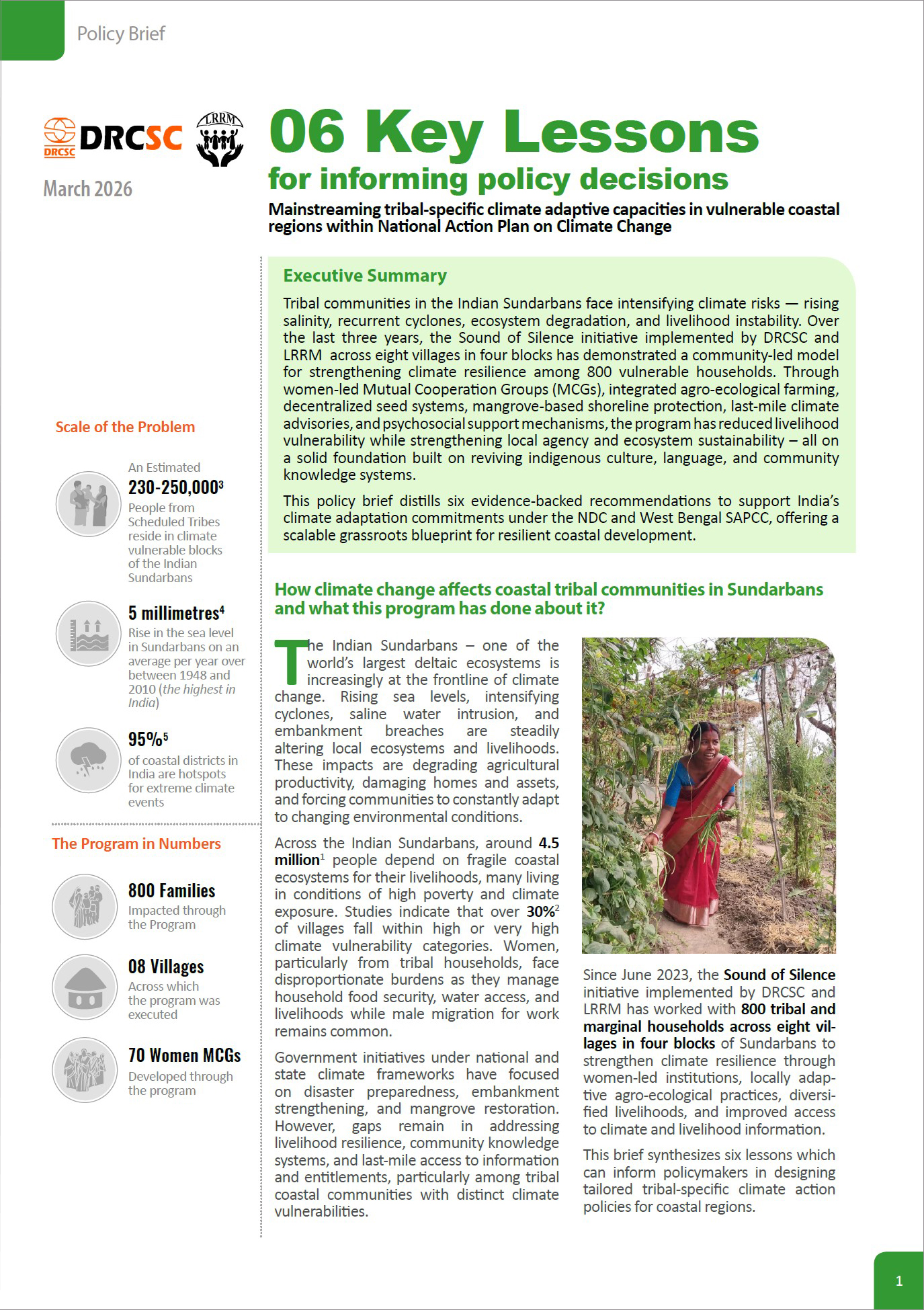
06 Key Lessons for informing policy decisions: Mainstreaming tribal-specific climate adaptive capacities in vulnerable coastal regions within National Action Plan on Climate Change
Download Full Report
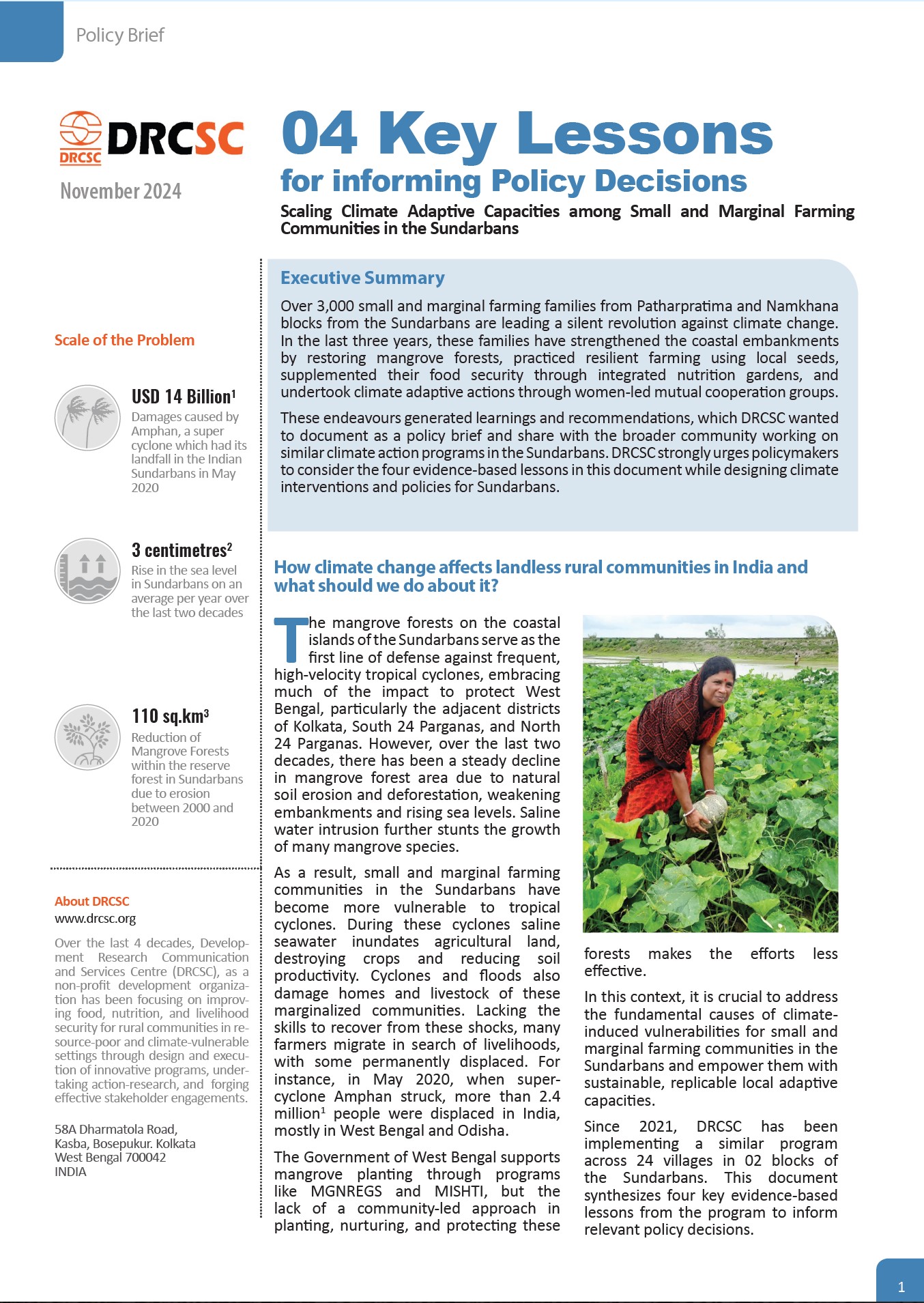
Four Key Lessons for Policy Consideration: Scaling Climate Adaptive Capacities among Small and Marginal Farming Communities in the Sundarbans
Download Full Report
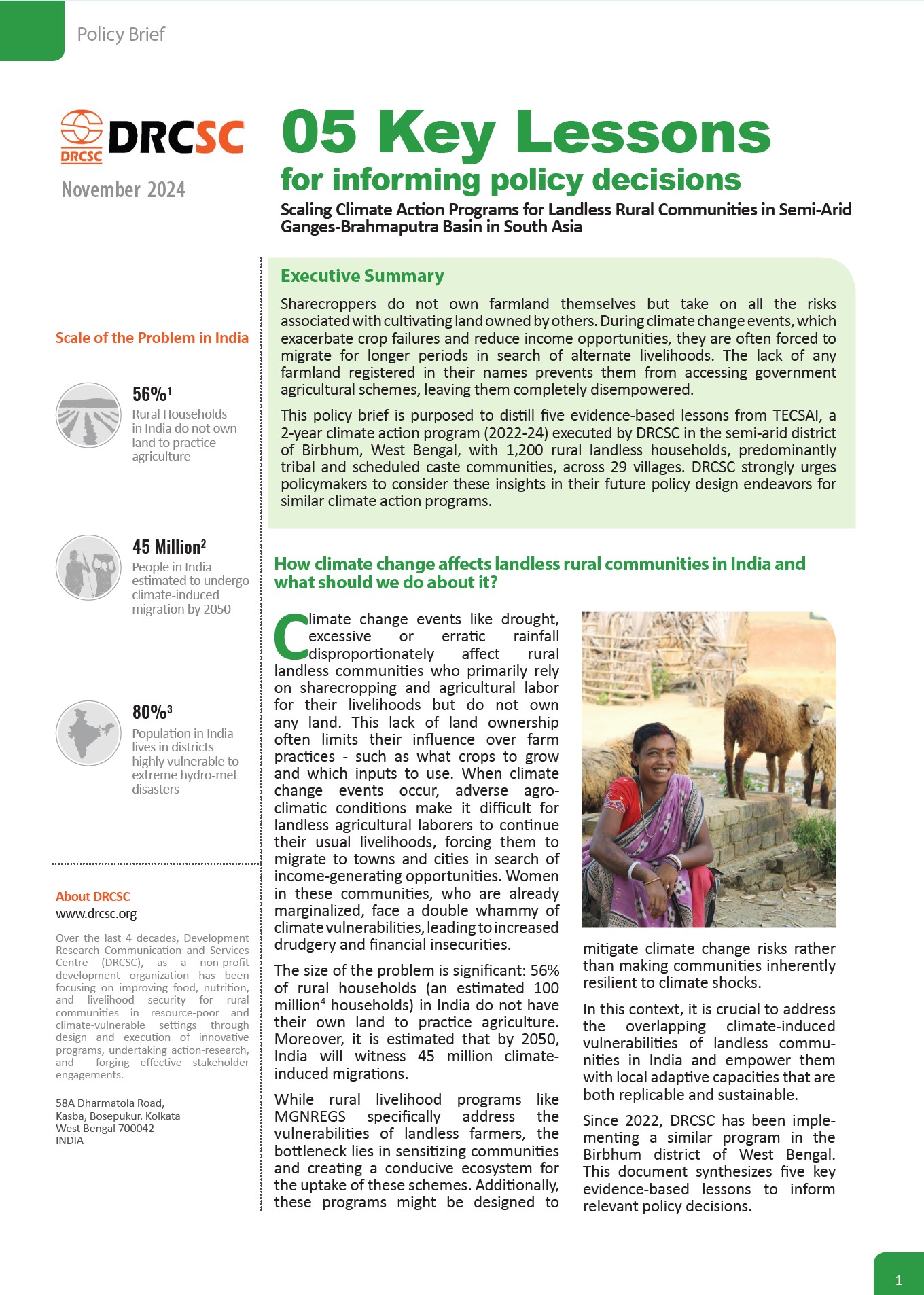
Five Key Lessons for Policy Consideration: Scaling Climate Action Programs for Landless Rural Communities in Semi-Arid Ganges-Brahmaputra Basin in South Asia
Download Full Report
View Blog Posts
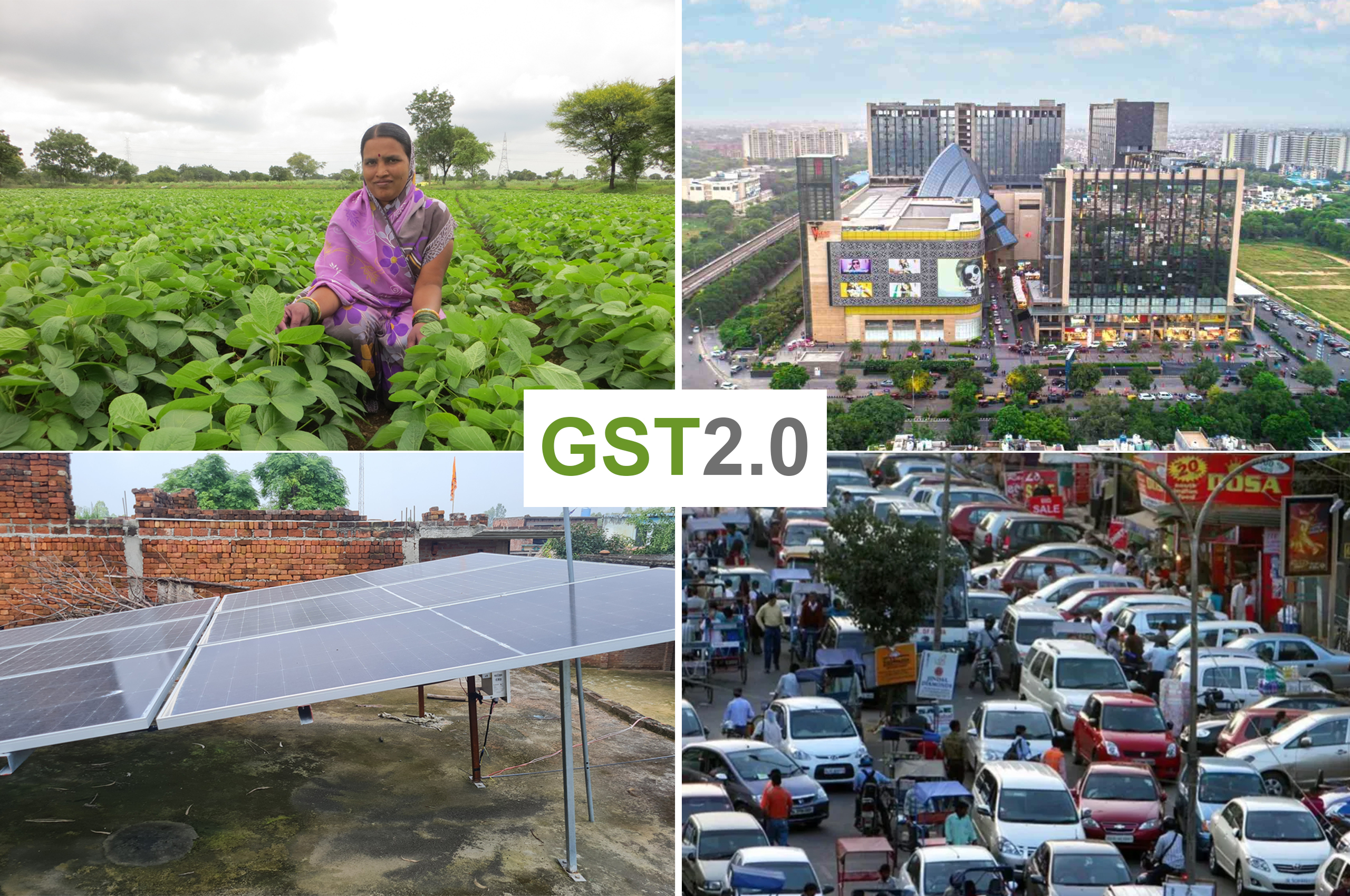
GST 2.0 and Tax Cuts: Can They Make Growth Fairer and Greener?
India's latest GST reform, being termed as GST 2.0, is more than just slashing rates. By simplifying the tax structure, cutting levies on essentials, and supporting renewable infrastructure, it's open..
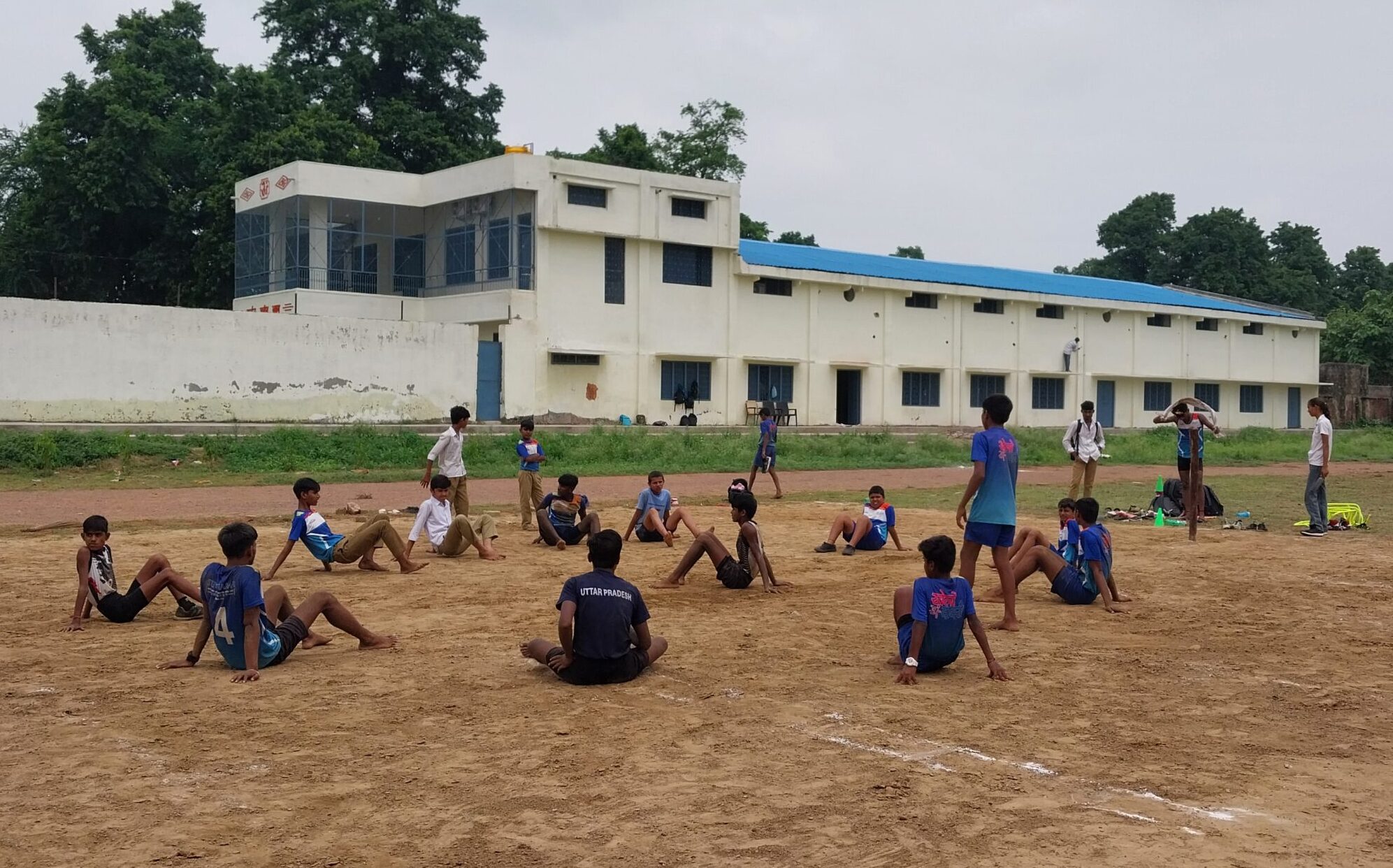
Reimagining Sports in CSR: From Tokenism to a Vehicle for Multiplying Impact
In 2023–24, Indian companies spent about ₹1,396 crore of their CSR budgets on sports — just 4% of the total ₹34,909 crore Indian corporates spent on CSR that year. Most of the rest went to edu..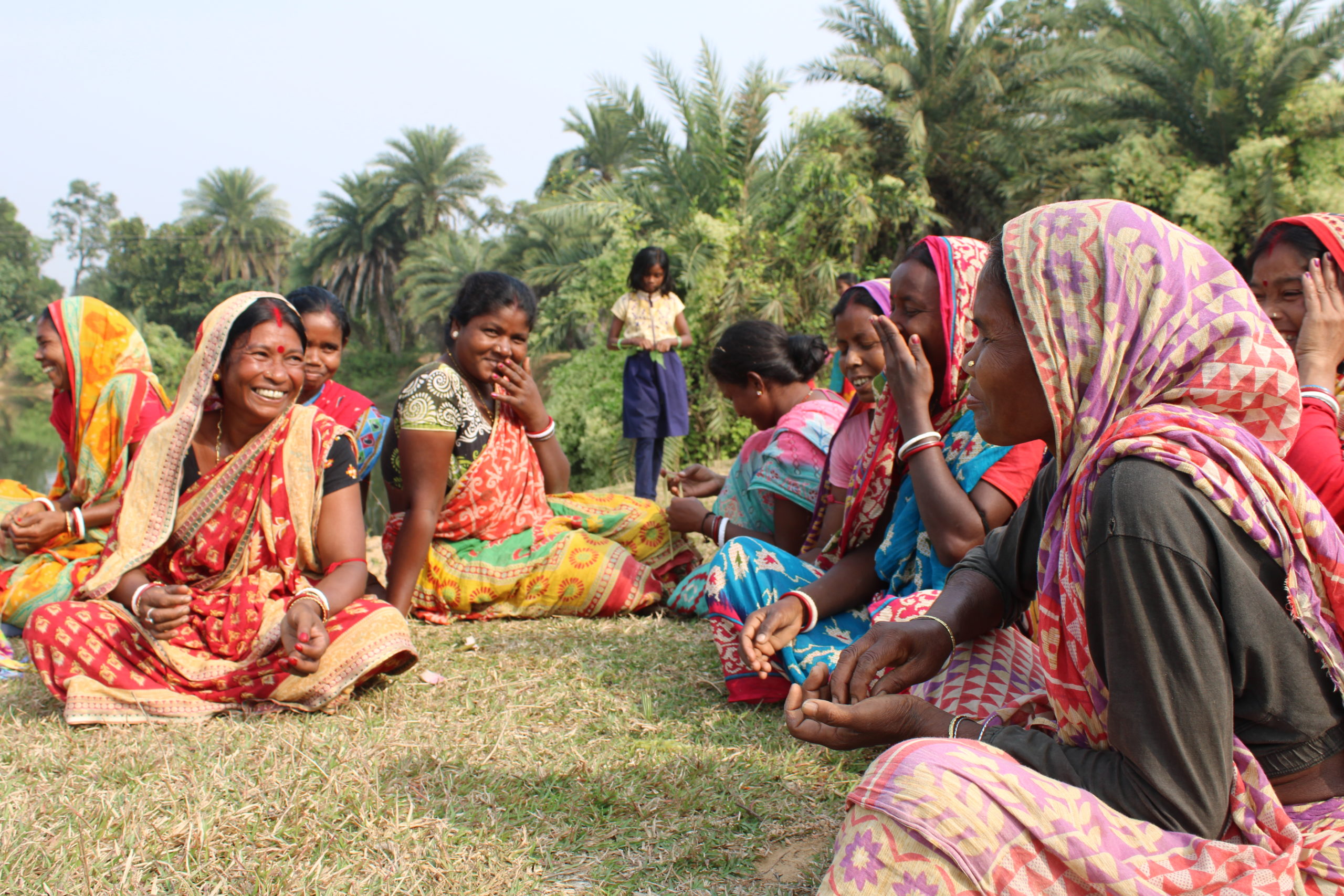
Interactive SHG Map of India: 7.5 million Women Self Help Groups are spread across 27 States and 6 UTs in India
Under the National Rural Livelihood Mission (NRLM), India has 7.5 million Women Self Help Groups (SHGs) spread across 27 states and 6 Union Territories. Each of these small, self-governed, and peer-co..