
Recent Developments,
Key Innovations, and
Insightful Reports
Your One Stop Platform for Regular Sector Updates
Sector news
View By Category
Categories
- See all
- Agriculture
- Clean Cookstoves
- Clean Energy
- Climate Action
- Digital Technology
- Education
- Financial Services
- General
- Healthcare
- Hygiene
- Impact Investment
- Inclusive Value Chains
- Livelihoods
- Livestock
- Lower Income Consumers
- Marketing, Distribution and Sales for BoP
- Nutrition
- Sanitation
- Water
- Women Empowerment


September 21, 2012
India: Bihar’s 7.57 million houses lack access to toilets
According to the latest data from the PHED (Public Health Engineering Department), there are over 7.57 million households in the Indian state of Bihar which still lack access to adequate sanitation as their houses lack toilets. This is in large due to government failure to meet its targets. Read more […]
September 21, 2012
The way to end Africa’s water crisis
Climate change is to hit Africa the hardest, according to a scientific report, and despite the recent discoveries of reserves of water under Africa’s biggest deserts, approximately 40 per cent of Africans – mostly the rural poor will still not be getting clean water to drink (lack of which kills […]
September 21, 2012
Indonesia needs US$5.9 billion to improve sanitation and access to clean water conditions in the country
According to the Indonesian Health Minister Nafsiah Mboi, Indonesia would collectively need as much as US$5.9 billion to make sufficient infrastructure in the country to achieve water and sanitation access goals. Read more here.
September 21, 2012
Solar oven makes clean drinking water
For those places in the developing world where the poor have access to unclean salty water, it is now possible to get clean and safe water through the design of Gabrielle Diamanti’s solar cooker which uses solar energy to convert salty water to clean drinking water. Read more here.
September 21, 2012
Indonesia: Changing attitudes is the main problem
This post focuses on the difficulty in changing the attitudes of people regarding sanitation and good hygiene practices, which, according to Almud Weitz, WSP’s principal regional team leader, was the key challenge. According to her, Indonesia’s practice of increasing budgetary allocation for provision of more toilets is ineffective and expensive, […]
September 21, 2012
Poor hygiene cost thousands of lives in Asia, says WHO
While poor nutrition, lack of primary healthcare and anaemia had been the primary contributors to the high rate of infections and disease outbreaks in Asia, poor hygiene practices in most of Asia has been found to be one of the catalysts to this scenario, making people weaker. According to a […]
September 21, 2012
Indonesia: Sanitation target may not be achieved
In Indonesia, the sanitation target of MDGs (Millennium Development Goals) may not be achieved as a number of people still live without access to sanitation (nearly half of Indonesians live without access to sanitation and clean water – read here). According to Emah Sudjimah, an official from the Public Works […]
September 21, 2012
Global Access to Clean Drinking Water and Sanitation: US and International Programmes
This report by the Congressional Research Service lists down a comprehensive database of initiatives active worldwide pertaining to the access to clean drinking water and adequate sanitation. This report gives an overview of the water and sanitation situation globally and is also informative of the role of US agencies in […]
September 21, 2012
Keeping water clean through evidence-based policy in northern Uganda
A new policy brief issued recently draws attention towards the role of policies in helping achieve the MDGs for clean drinking water in Africa. Published by the Africa Initiative (AI) and Centre for International Governance Innovation (CIGI), the policy brief charts out the role of various stakeholders like the government, […]
Get The Latest From The Social Sector In Your Inbox

Subscribe to our newsletter
View Our Publications
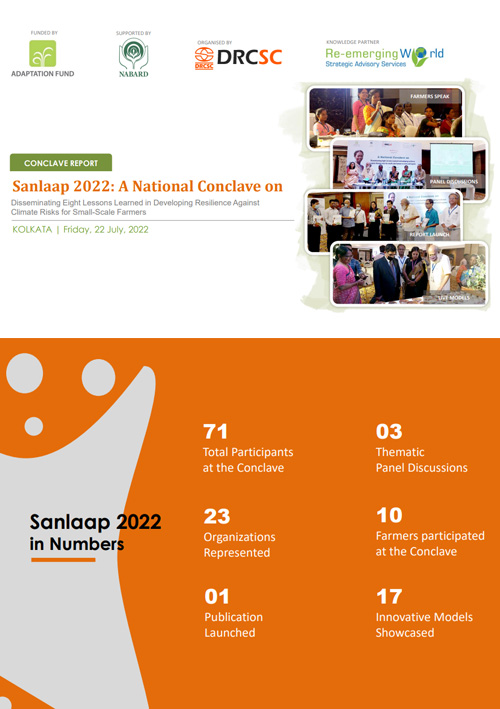
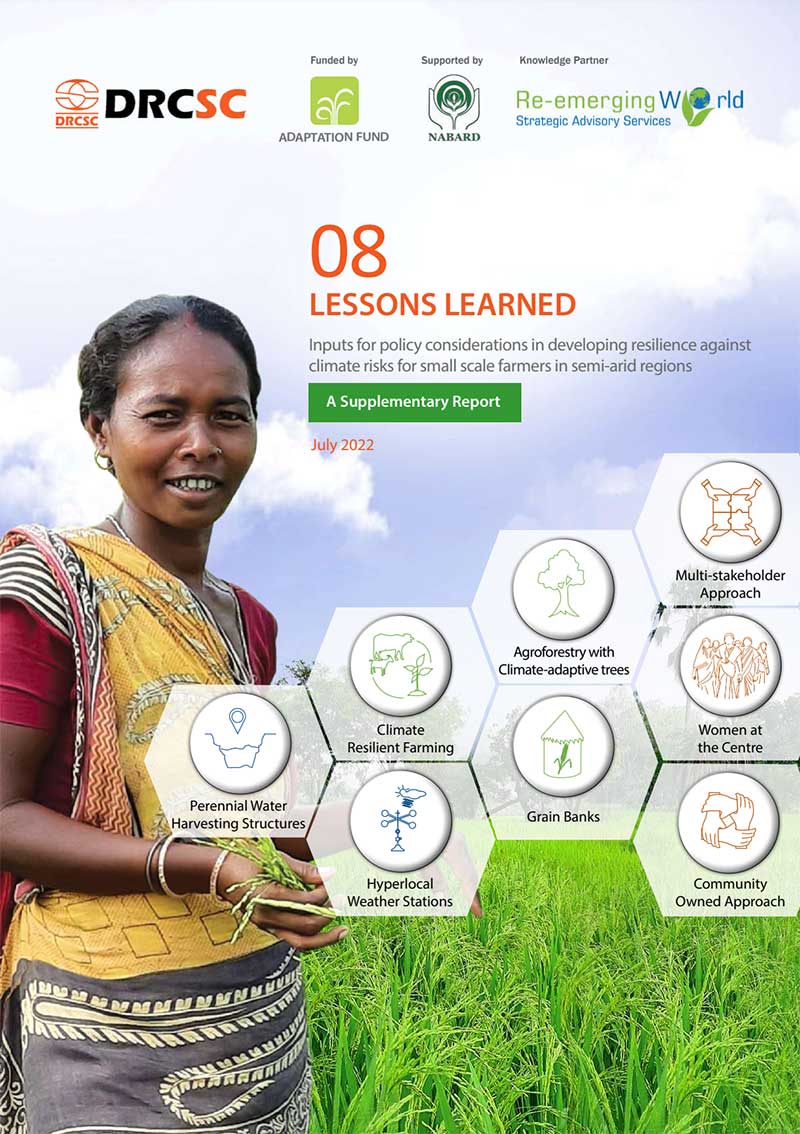
Eight Lessons Learned: Inputs for policy considerations in developing resilience against climate risks for small scale farmers in semi-arid regions, full report
Download Full Report
View Blog Posts
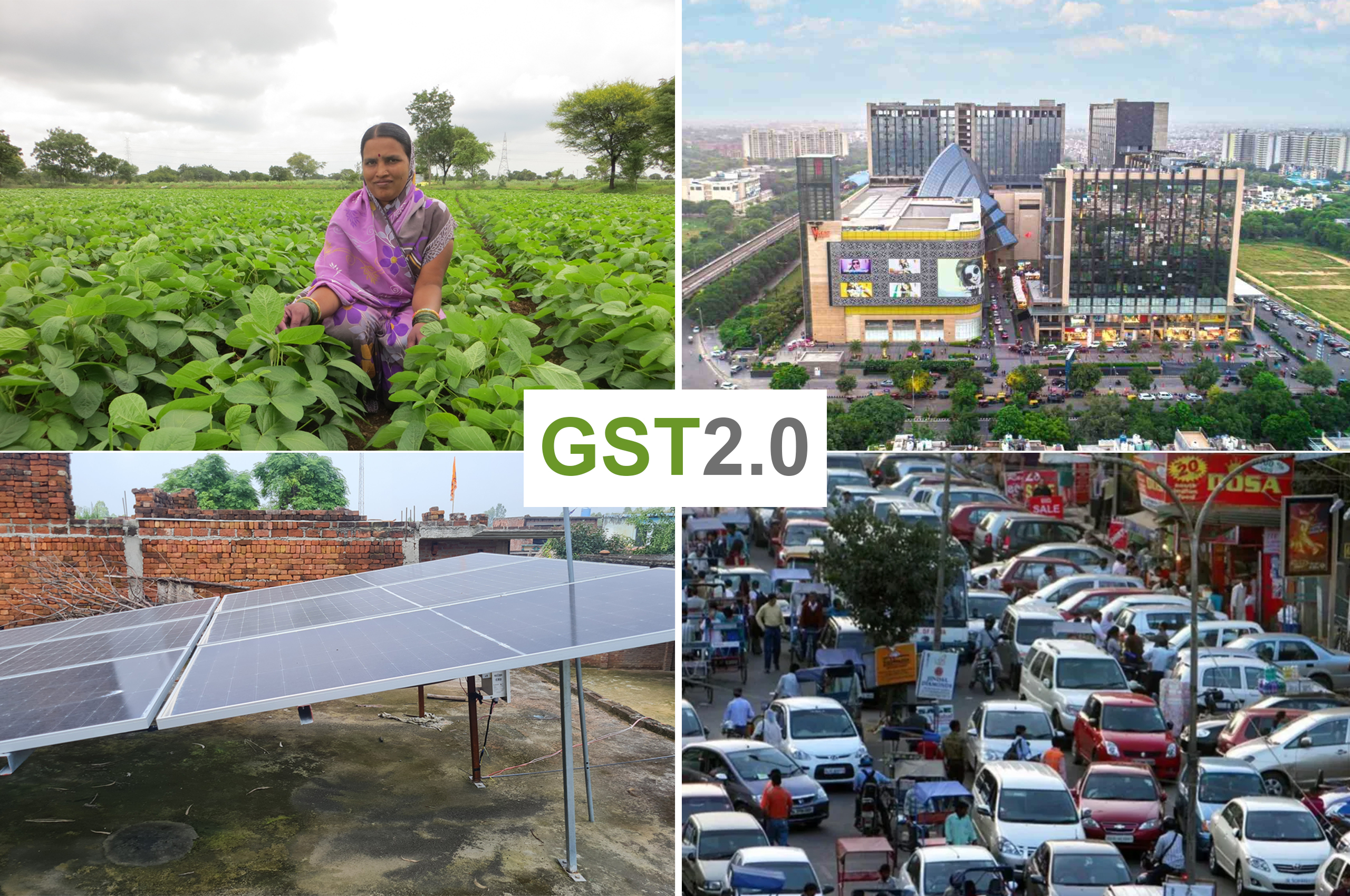
GST 2.0 and Tax Cuts: Can They Make Growth Fairer and Greener?
India's latest GST reform, being termed as GST 2.0, is more than just slashing rates. By simplifying the tax structure, cutting levies on essentials, and supporting renewable infrastructure, it's open..
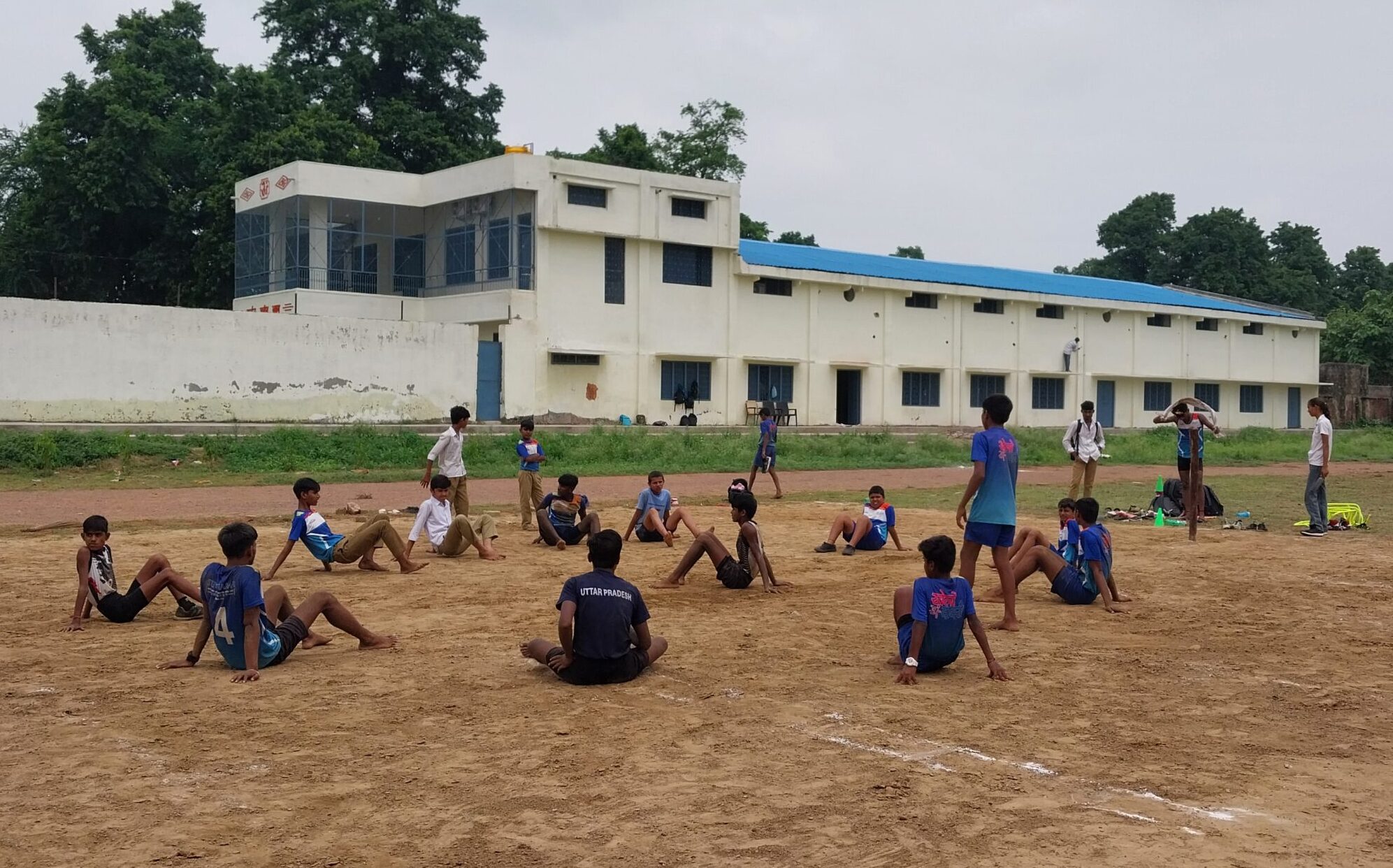
Reimagining Sports in CSR: From Tokenism to a Vehicle for Multiplying Impact
In 2023–24, Indian companies spent about ₹1,396 crore of their CSR budgets on sports — just 4% of the total ₹34,909 crore Indian corporates spent on CSR that year. Most of the rest went to edu..
Interactive SHG Map of India: 7.5 million Women Self Help Groups are spread across 27 States and 6 UTs in India
Under the National Rural Livelihood Mission (NRLM), India has 7.5 million Women Self Help Groups (SHGs) spread across 27 states and 6 Union Territories. Each of these small, self-governed, and peer-co..