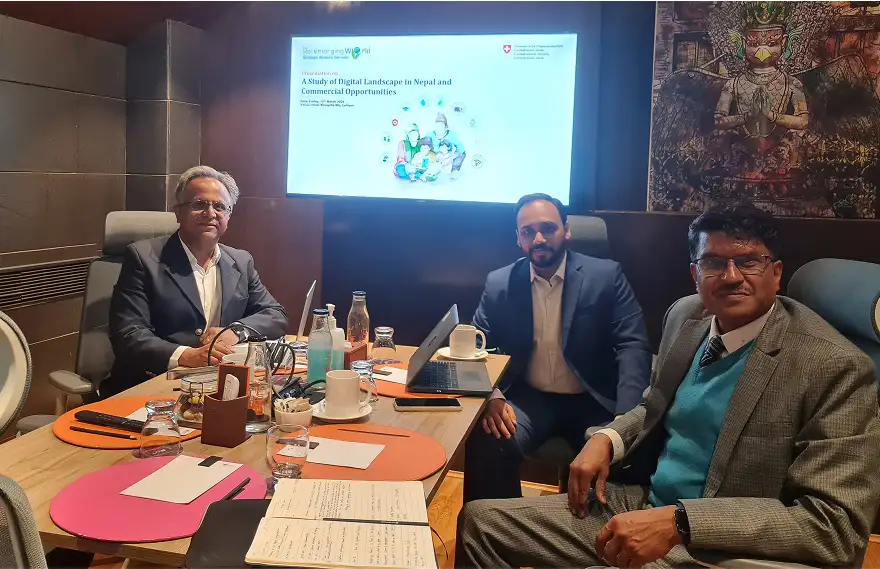

Recent Developments,
Key Innovations, and
Insightful Reports
Your One Stop Platform for Regular Sector Updates
Sector news
View By Category
Categories
- See all
- Agriculture
- Clean Cookstoves
- Clean Energy
- Climate Action
- Digital Technology
- Education
- Financial Services
- General
- Healthcare
- Hygiene
- Impact Investment
- Inclusive Value Chains
- Livelihoods
- Livestock
- Lower Income Consumers
- Marketing, Distribution and Sales for BoP
- Nutrition
- Sanitation
- Water
- Women Empowerment


September 10, 2012
How solar lighting can replace kerosene lamps world over
While the most important development instrument in the recent past has been the mobile phone, solar lights are fast bridging the development gap in the poorer countries. As solar energy gets more and more efficient as well as cheaper, market mechanisms in the developing countries are helping to scale these […]
September 10, 2012
Promoting diffusion of solar lanterns through microfinance and carbon finance
This paper, available on purchase, explores a case study of the energy needs related credit lending programme called FINCA-Uganda. The two questions it attempts to answer are – whether FINCA’s strategy of providing loans is effective, and second, whether this opportunity can be tapped for earning of carbon-credits. Read more […]
September 10, 2012
BrazAfric helps Kenyan access cleaner cookstoves and lighting
BrazAfric, a for-profit social enterprise will soon be using Kiva’s help to extend access to cleaner cookstoves and clean lighting to poor Kenyans in rural areas. Read more here.
September 10, 2012
Paraffin use in low-income South African community
This study on low income communities in South Africa shows the trends of paraffin use as fuel. The survey identifies the energy mix for paraffin users. Paraffin is a polluting substance which also endangers the lives of users through fires, injuries and ingestion. Read more here.
September 10, 2012
Crowd-funding + Renewable energy, a developing trend in the world
While the world, especially the developing world needs massive amounts of fund investments to provide basic necessities like solar lighting and mini-grids, cooking cleaner, water and sanitation, etc., funding is not always forthcoming from the regular quarters. This is where the concept of crowdfunding can come in handy. Read more […]
September 10, 2012
Pakistan: EU funded vocational training programme launched
Under its programme to help the socio-economic conditions of vulnerable communities, EU-sponsored 3-year long vocational training programme, worth €3.046 million is soon to commence in Pakistan. Read more here.
September 10, 2012
Pakistan: Government to spend PKR 2.95 billion on technical training programmes
The Pakistani Government has earmarked a sum of PKR 2.95 billion to provide as many as ten technical programmes nationally. The target of this programme is to train a total of 212,621 unemployed people, and a stipend of PKR 2000 is to be paid to participants. Read more here.
September 10, 2012
South Korea offers training to North Korean defectors
In the light of an increasing number of defections of North Korean citizens into South Korea, the South Korean government revealed a vocational training programme. However, the cultural difference are encouraging double defections, despite adequate training skills provision, prompting thoughts in the direction of a strategy that implements an integration […]
September 10, 2012
India: Vocational training to be introduced as a fourth stream in West Bengal schools
From the 2013-2014 session, another educational stream will be added to the existing three (Humanities, Science and Commerce) in the government and government-aided schools, for students of classes X and XII. This stream will be the vocational training stream. Read more here.
Get The Latest From The Social Sector In Your Inbox

Subscribe to our newsletter
View Our Publications
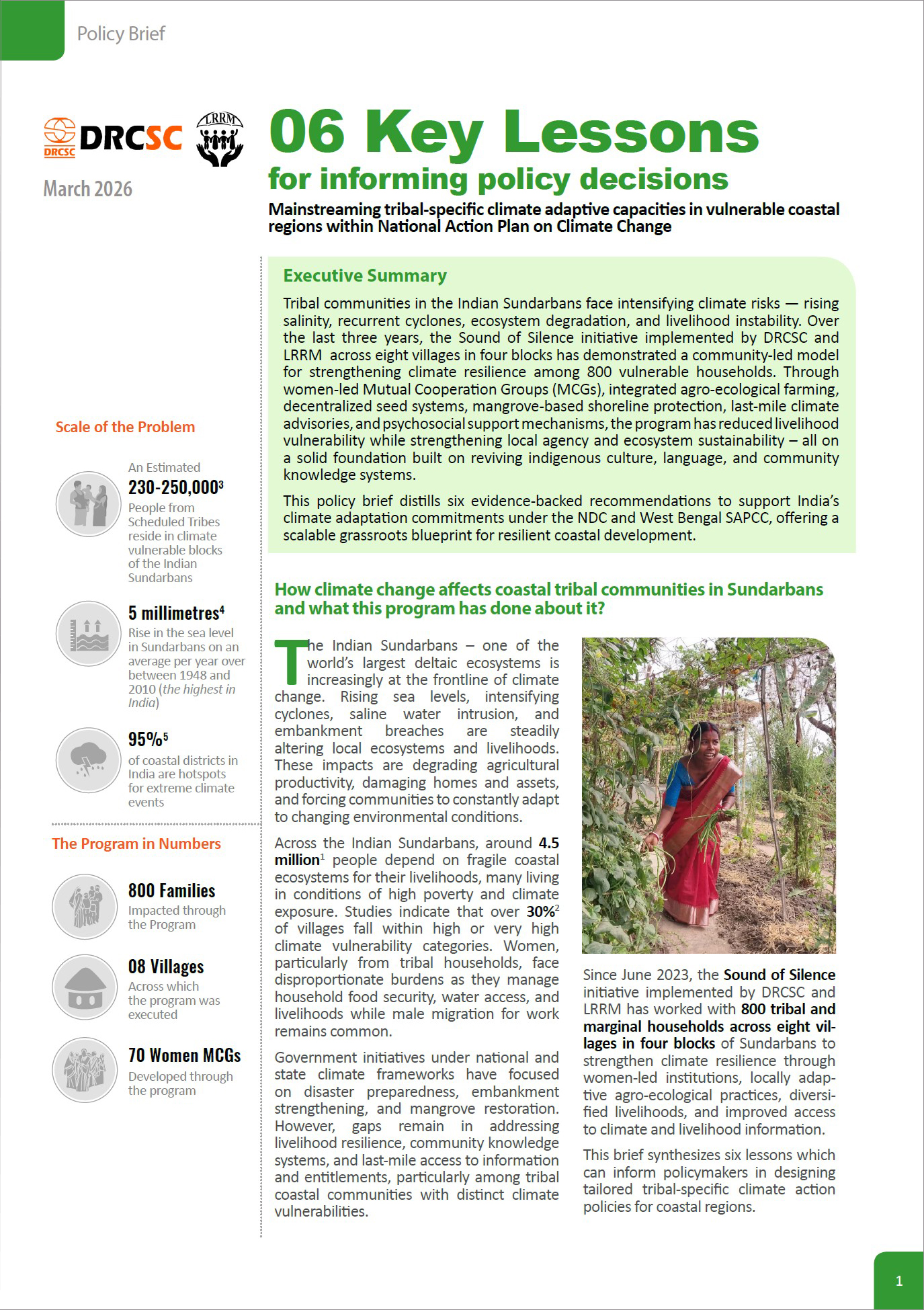
06 Key Lessons for informing policy decisions: Mainstreaming tribal-specific climate adaptive capacities in vulnerable coastal regions within National Action Plan on Climate Change
Download Full Report
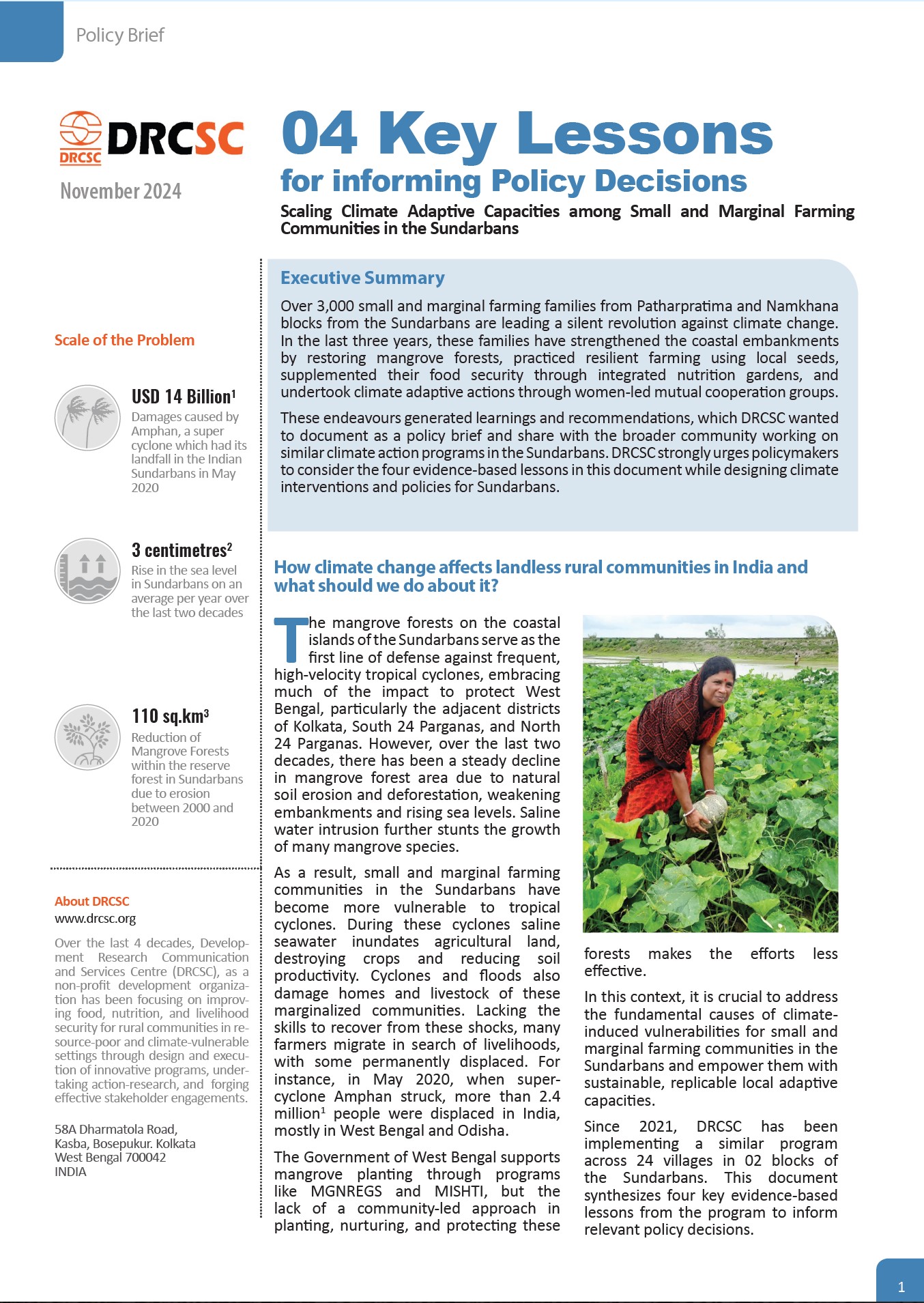
Four Key Lessons for Policy Consideration: Scaling Climate Adaptive Capacities among Small and Marginal Farming Communities in the Sundarbans
Download Full Report
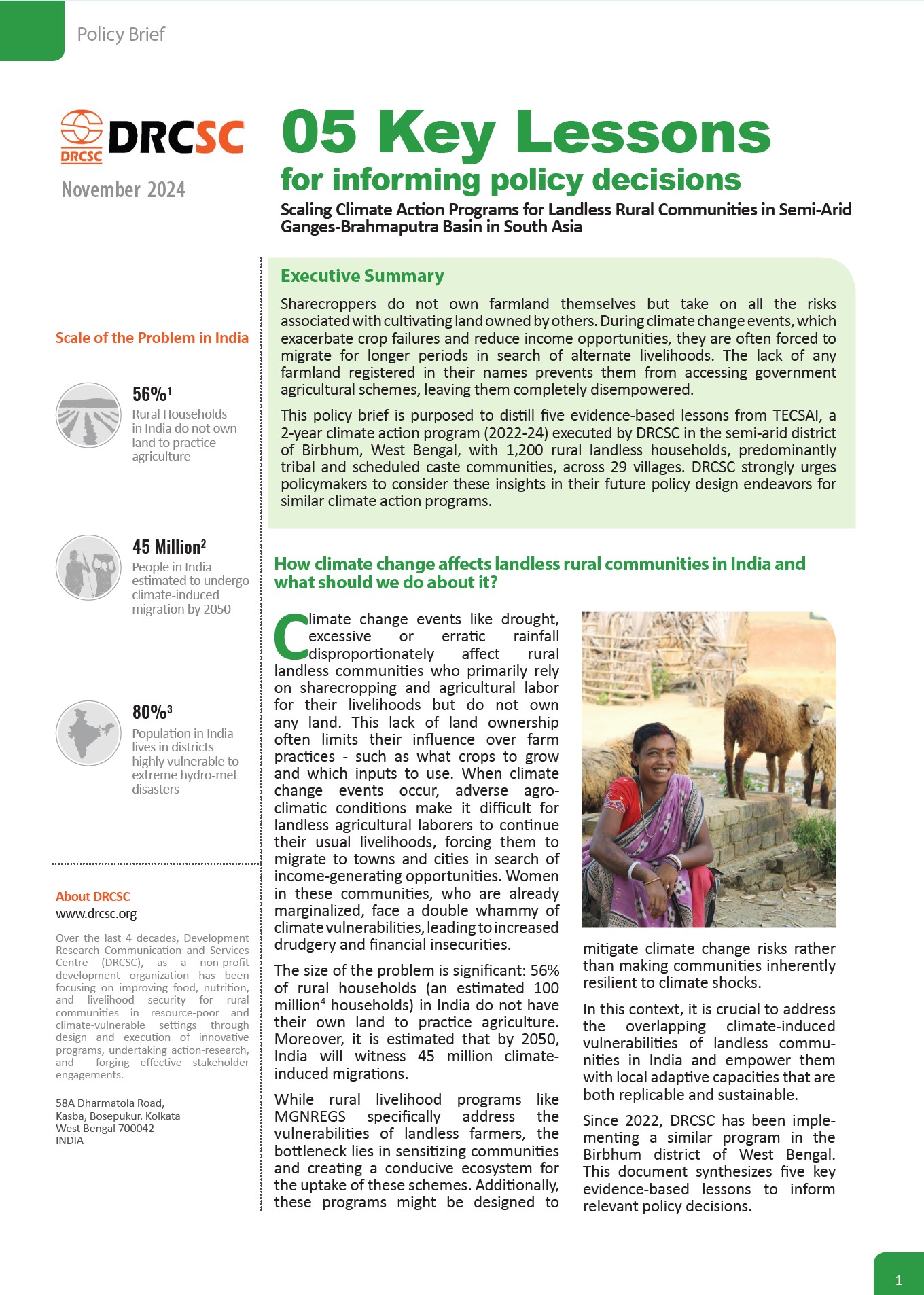
Five Key Lessons for Policy Consideration: Scaling Climate Action Programs for Landless Rural Communities in Semi-Arid Ganges-Brahmaputra Basin in South Asia
Download Full Report
View Blog Posts
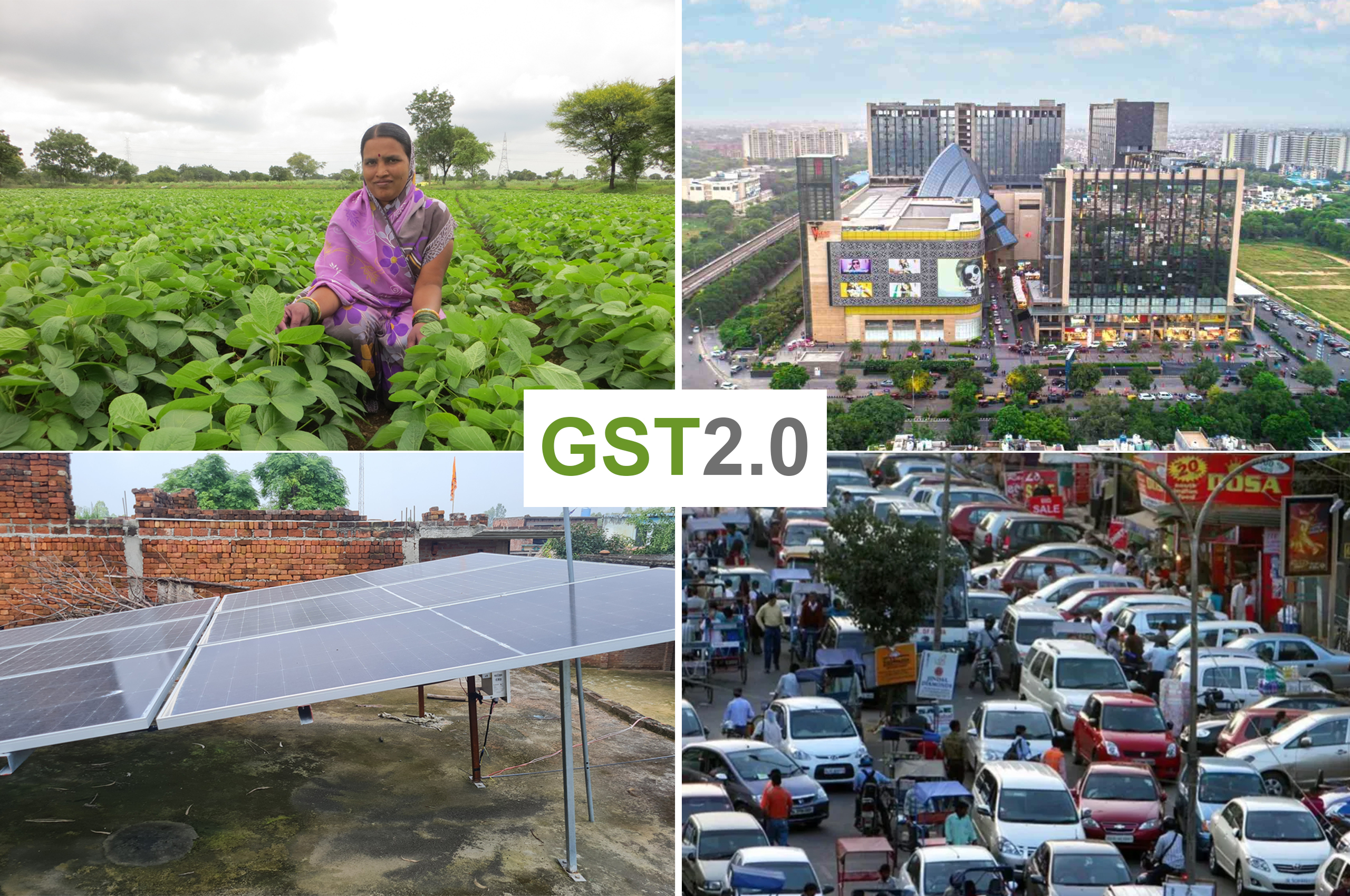
GST 2.0 and Tax Cuts: Can They Make Growth Fairer and Greener?
India's latest GST reform, being termed as GST 2.0, is more than just slashing rates. By simplifying the tax structure, cutting levies on essentials, and supporting renewable infrastructure, it's open..
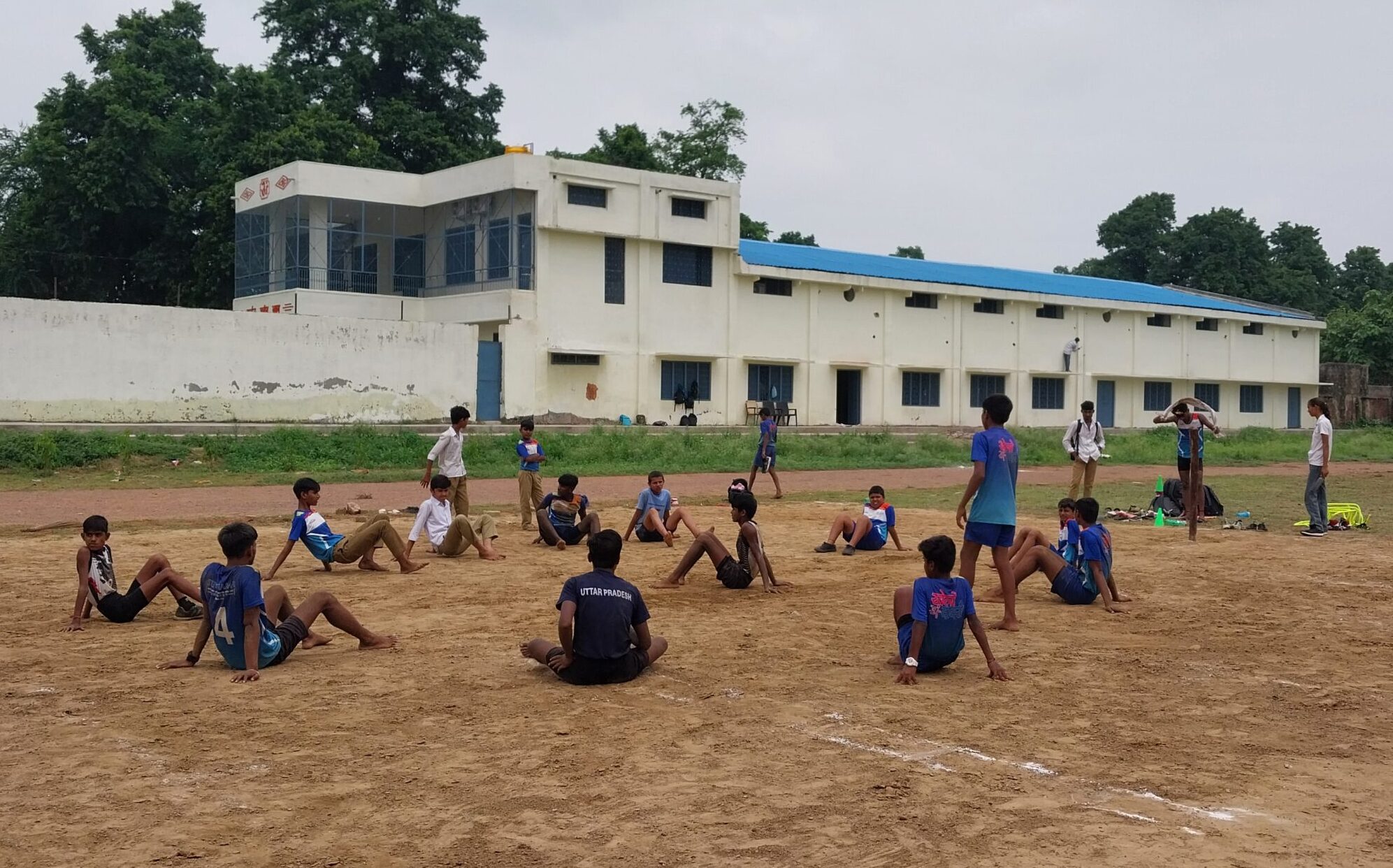
Reimagining Sports in CSR: From Tokenism to a Vehicle for Multiplying Impact
In 2023–24, Indian companies spent about ₹1,396 crore of their CSR budgets on sports — just 4% of the total ₹34,909 crore Indian corporates spent on CSR that year. Most of the rest went to edu..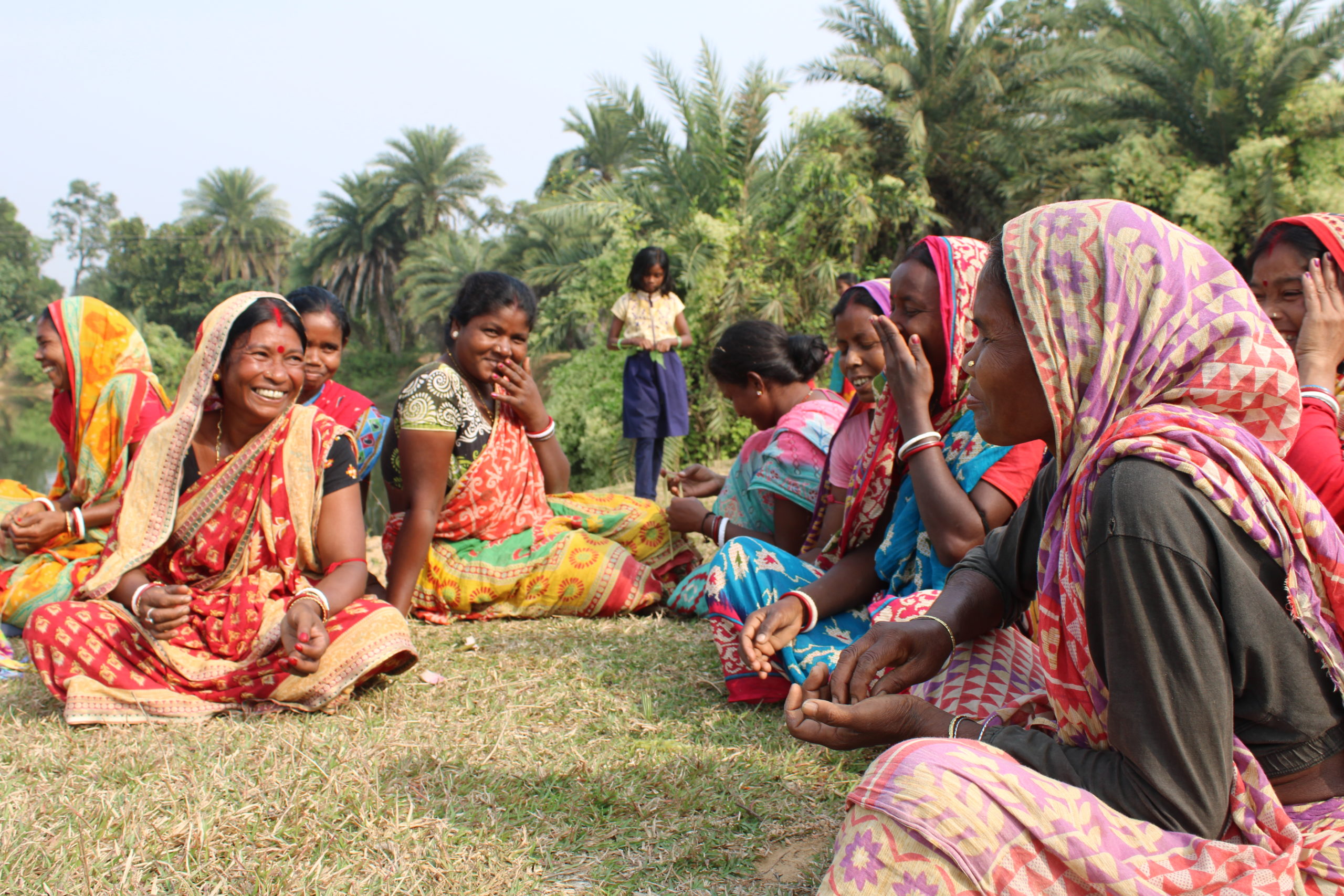
Interactive SHG Map of India: 7.5 million Women Self Help Groups are spread across 27 States and 6 UTs in India
Under the National Rural Livelihood Mission (NRLM), India has 7.5 million Women Self Help Groups (SHGs) spread across 27 states and 6 Union Territories. Each of these small, self-governed, and peer-co..