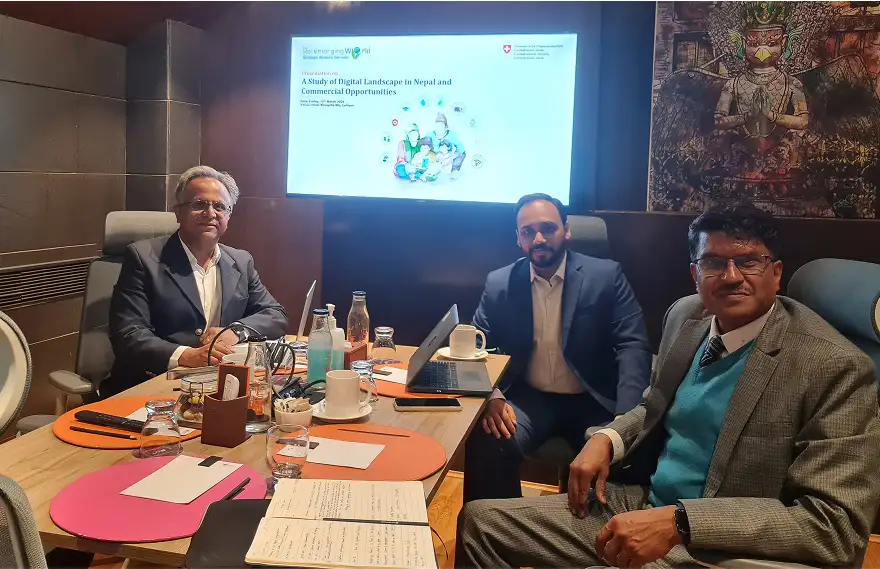

Recent Developments,
Key Innovations, and
Insightful Reports
Your One Stop Platform for Regular Sector Updates
Sector news
View By Category
Categories
- See all
- Agriculture
- Clean Cookstoves
- Clean Energy
- Climate Action
- Digital Technology
- Education
- Financial Services
- General
- Healthcare
- Hygiene
- Impact Investment
- Inclusive Value Chains
- Livelihoods
- Livestock
- Lower Income Consumers
- Marketing, Distribution and Sales for BoP
- Nutrition
- Sanitation
- Water
- Women Empowerment


August 31, 2012
India: Farm loans fixed at INR 5.75 trillion
Total amount of disbursal of agricultural loans have been fixed at INR 5.75 trillion, an increase of INR 1 trillion from the previous year. Read more here.
August 31, 2012
Swaziland receives funds from India to better agricultural sector
The government of Swaziland has received a sum of E300 million from the government of India to boost the country’s agricultural productivity. This fund will help the farmers source farm inputs, thereby generate more profits through better yields. Read more here.
August 31, 2012
Ghana Farmers Market launched
A network of farming professionals in Ghana called EFL (Elite Farming League) has recently launched a project called Ghana Farmers Market. The project aims to solve marketing challenges confronting farmers in Ghana, so as to strengthen their bargaining powers. The project is launched in partnership between ministries of the Interior, […]
August 31, 2012
Nigeria: The new agricultural transformation agenda
The Federal Ministry of Agriculture and Rural Development has launched a new Agricultural Transformation Agenda (ATA) which aims to steadily increase farmer incomes by as much as N300billion or approximately US$1.9 billion, and create about 3.5 million agricultural jobs. Read more here.
August 31, 2012
Indian farmers to benefit from Japanese organic cotton partnerships
BCtA (Business Call to Action), a global initiative encouraging companies to develop innovative business models has mobilized two Japanese companies to pledge to better the income, health and environment of as many as 30,000 low income cotton farmers in India through organic farming. Read more here.
August 31, 2012
Locust kits could help feed African refugees
Grasshoppers, crickets, and beetles are about 4 times more efficient in converting grass into protein packed meat than cattle. They generate less greenhouse gases as well, and can survive in dry inhospitable environments. This has led two industrial engineering students to examine the potential of these locusts as emergency food […]
August 31, 2012
India’s organic foods market growing at 20 per cent
The market for organic food products is on a high growth curve as growth rate exceeds 20-22 per cent per annum. This is the result of an increased awareness and a growing middle class in the country. Read more here.
August 31, 2012
Investment in small scale irrigation may protect Africa, Asia from droughts
According to a report by IWMI (International Water Management Institute), farmers in Asia and Africa were increasingly taking up small-scale irrigation schemes in face of recurrent droughts. Small scale irrigation in the form of hosing to access groundwater and motorized pumps may be relatively high priced but are also helping […]
August 31, 2012
Nigeria: Cassava may be a miracle crop, says expert
According to an IFAD (International Fund for Agricultural Development) expert, if cassava production were to be scaled in Nigeria, it could well prove be a ‘miracle crop’. The crop could go a long way in serving both the upper and lower segments of the society and hence, the private sector […]
Get The Latest From The Social Sector In Your Inbox

Subscribe to our newsletter
View Our Publications
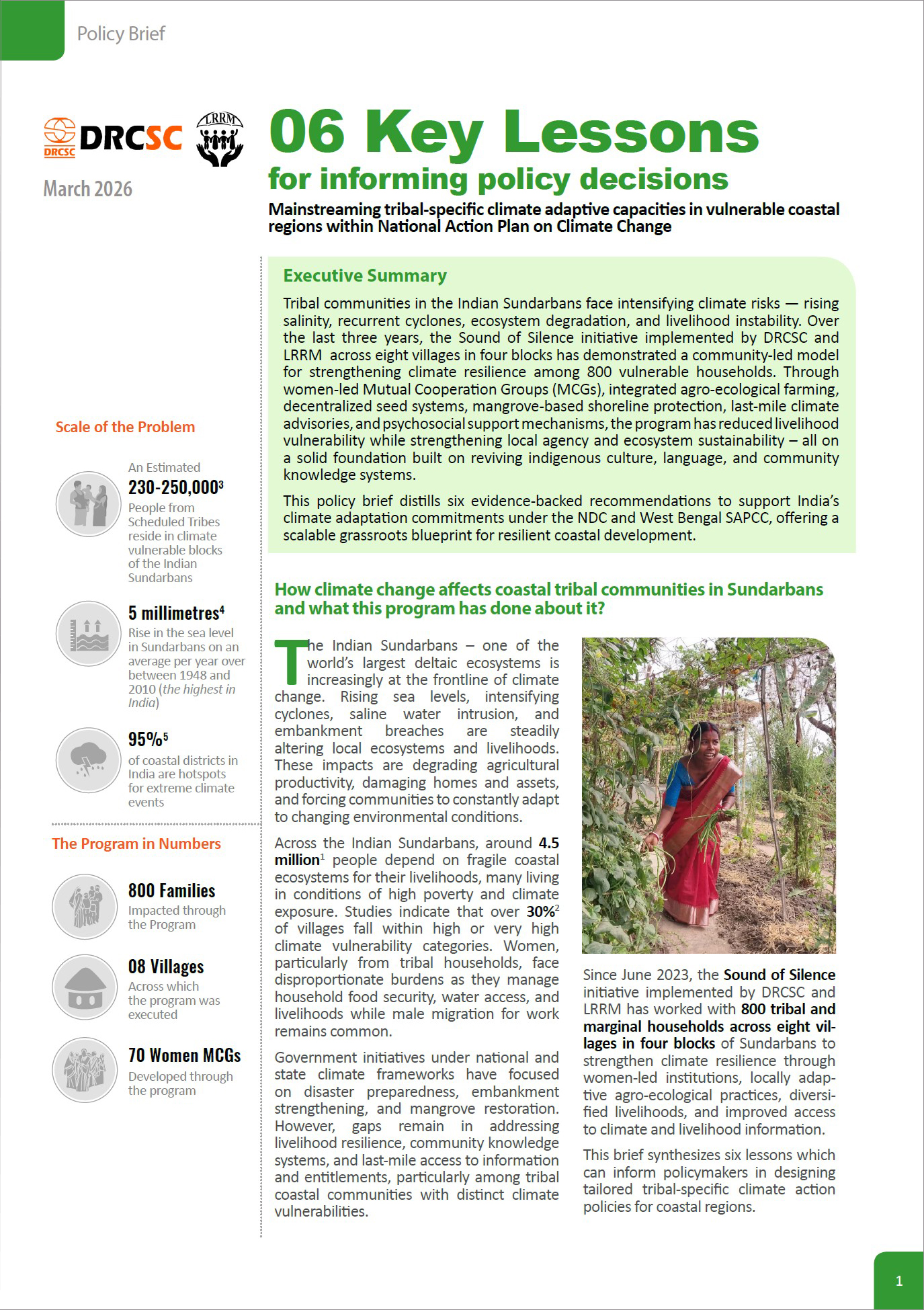
06 Key Lessons for informing policy decisions: Mainstreaming tribal-specific climate adaptive capacities in vulnerable coastal regions within National Action Plan on Climate Change
Download Full Report
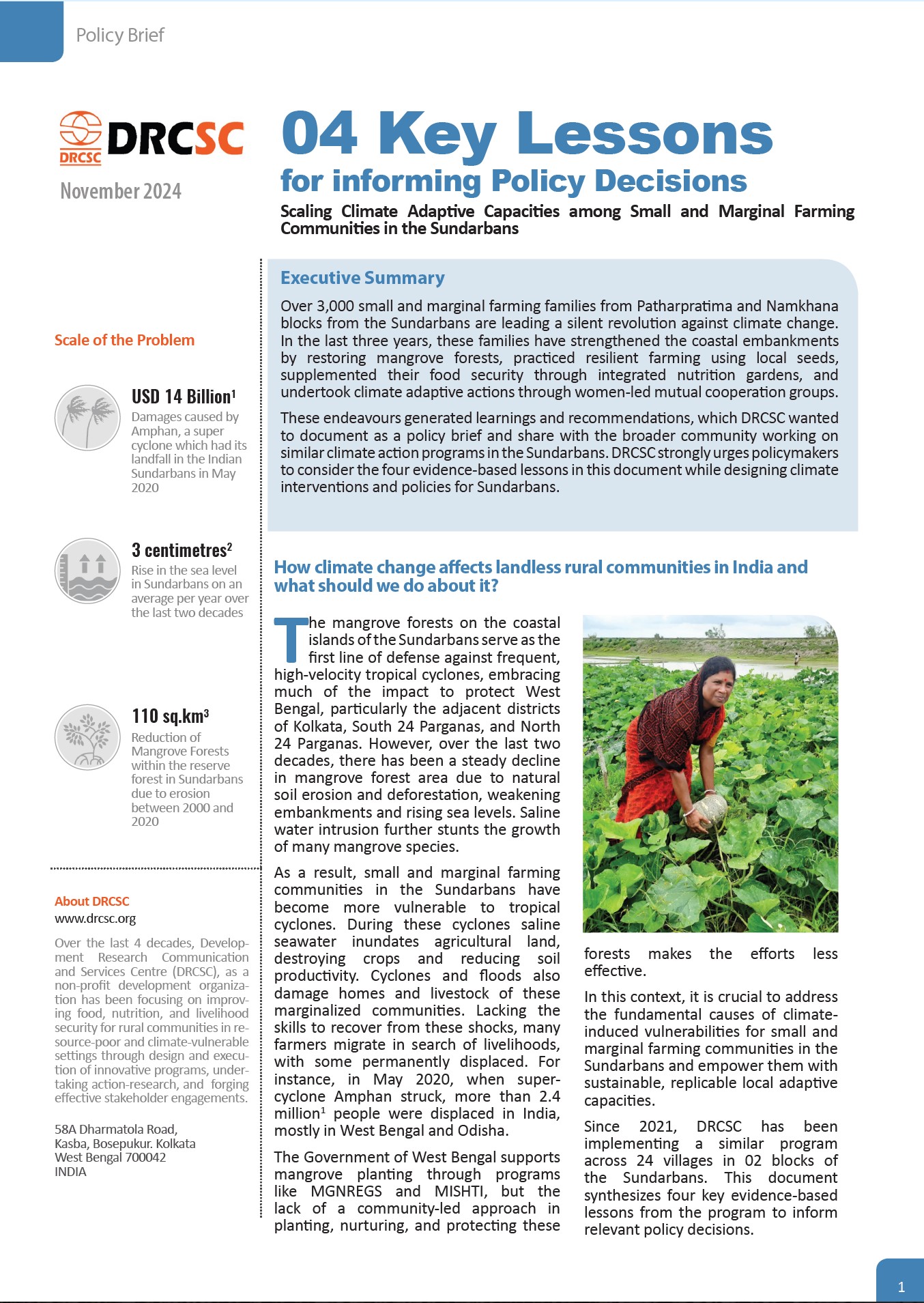
Four Key Lessons for Policy Consideration: Scaling Climate Adaptive Capacities among Small and Marginal Farming Communities in the Sundarbans
Download Full Report
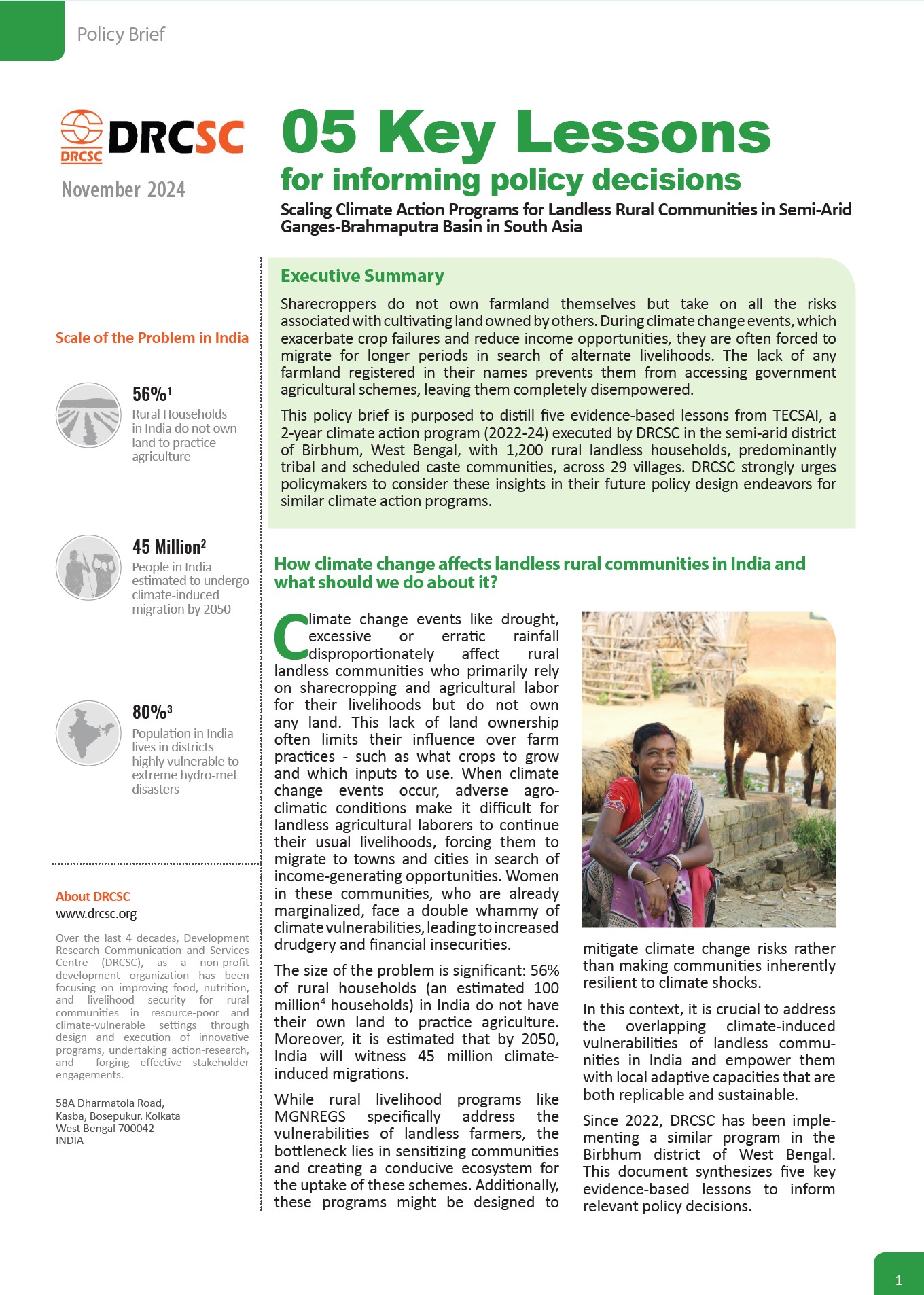
Five Key Lessons for Policy Consideration: Scaling Climate Action Programs for Landless Rural Communities in Semi-Arid Ganges-Brahmaputra Basin in South Asia
Download Full Report
View Blog Posts
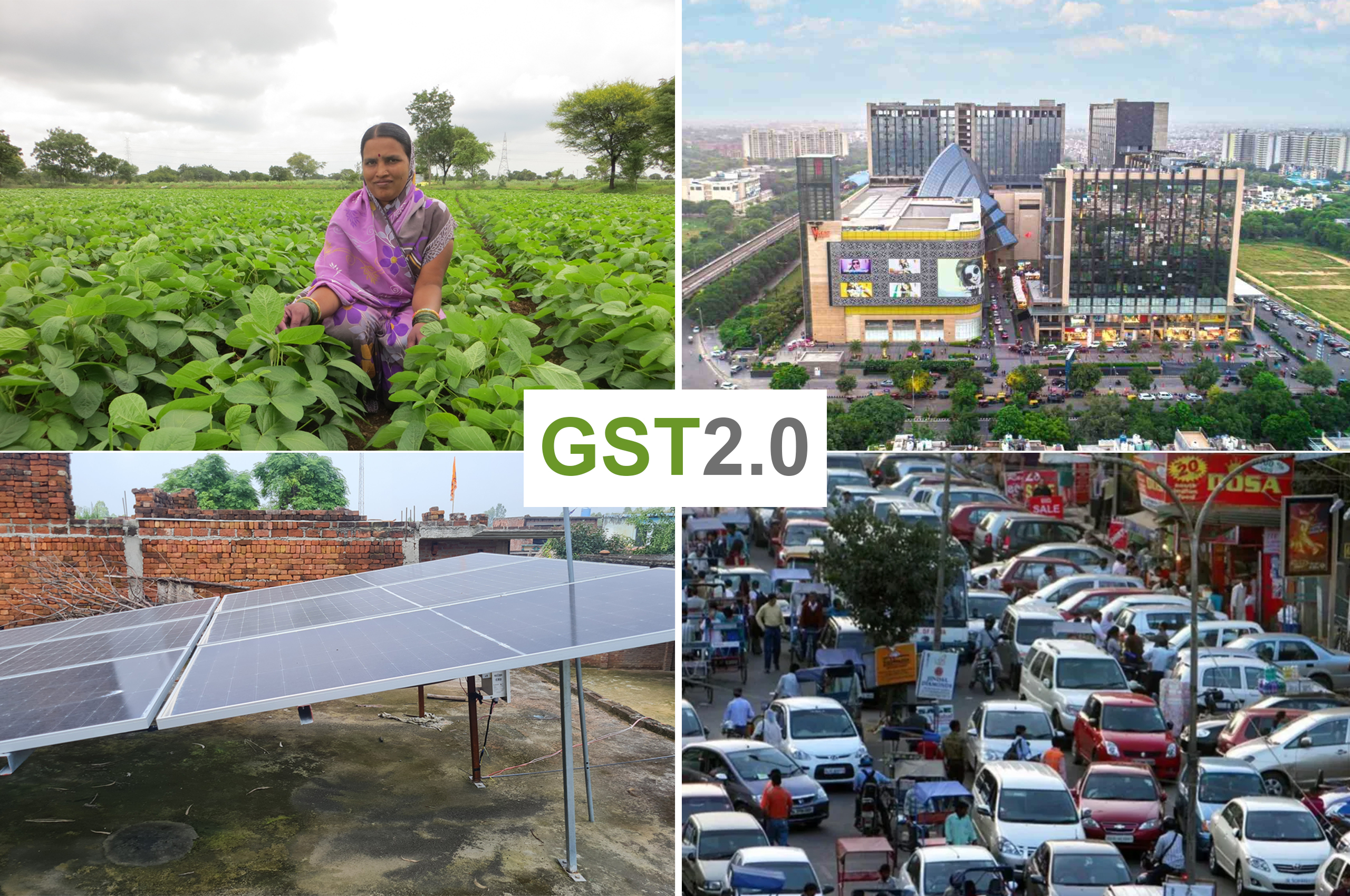
GST 2.0 and Tax Cuts: Can They Make Growth Fairer and Greener?
India's latest GST reform, being termed as GST 2.0, is more than just slashing rates. By simplifying the tax structure, cutting levies on essentials, and supporting renewable infrastructure, it's open..
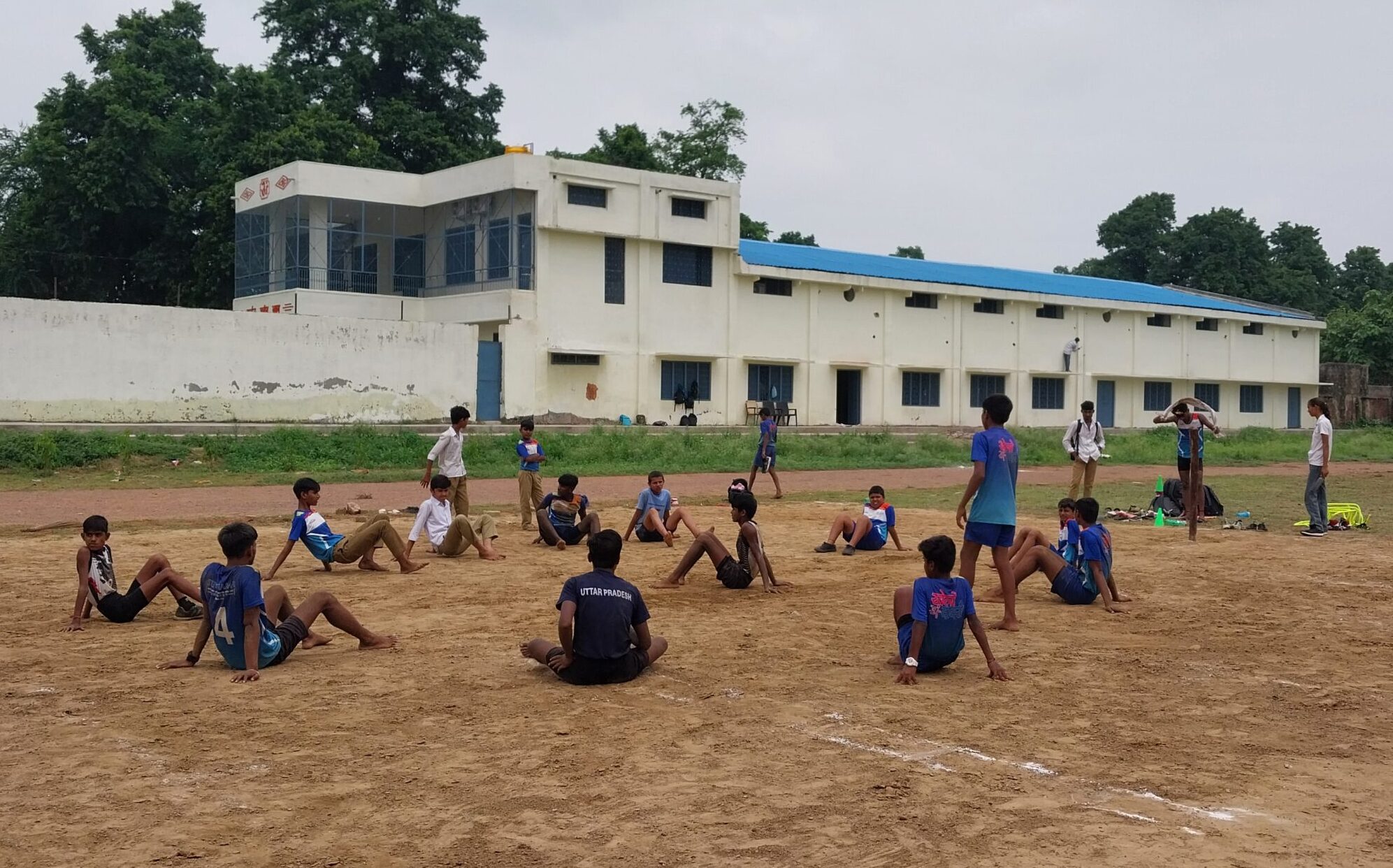
Reimagining Sports in CSR: From Tokenism to a Vehicle for Multiplying Impact
In 2023–24, Indian companies spent about ₹1,396 crore of their CSR budgets on sports — just 4% of the total ₹34,909 crore Indian corporates spent on CSR that year. Most of the rest went to edu..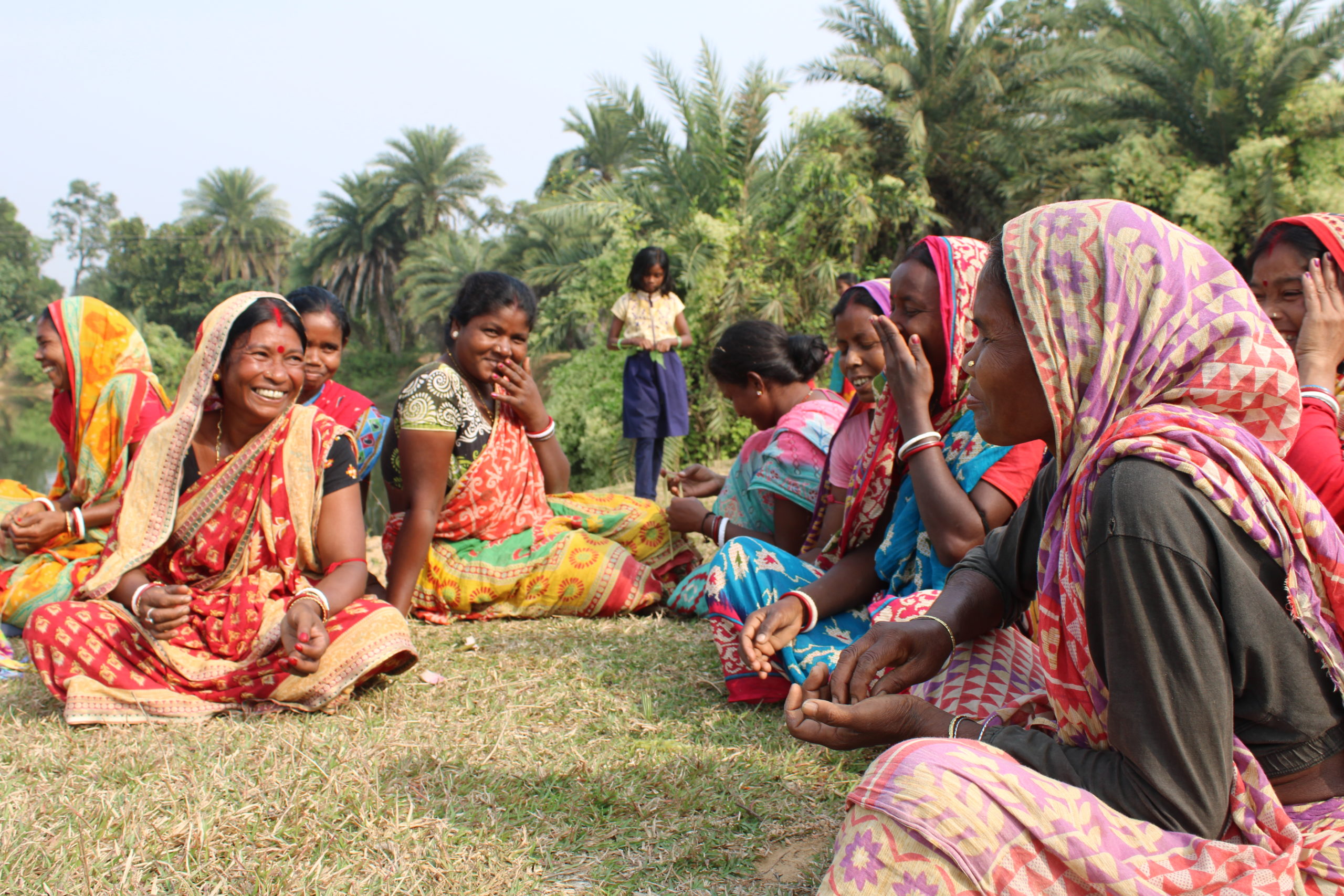
Interactive SHG Map of India: 7.5 million Women Self Help Groups are spread across 27 States and 6 UTs in India
Under the National Rural Livelihood Mission (NRLM), India has 7.5 million Women Self Help Groups (SHGs) spread across 27 states and 6 Union Territories. Each of these small, self-governed, and peer-co..