
Recent Developments,
Key Innovations, and
Insightful Reports
Your One Stop Platform for Regular Sector Updates
Sector news
View By Category
Categories
- See all
- Agriculture
- Clean Cookstoves
- Clean Energy
- Climate Action
- Digital Technology
- Education
- Financial Services
- General
- Healthcare
- Hygiene
- Impact Investment
- Inclusive Value Chains
- Livelihoods
- Livestock
- Lower Income Consumers
- Marketing, Distribution and Sales for BoP
- Nutrition
- Sanitation
- Water
- Women Empowerment


August 31, 2012
Vietnam: Subsistence agriculture pulling the nation back
According the consecutive surveys conducted on farming households in Vietnam, subsistence farming is practiced by a large number of farmers, and lack of access to credit and savings show that there is no notable growth in the agricultural sector. Read more here.
August 31, 2012
Nigeria can help Africa achieve food security
Nigeria accounts for about 16 per cent of the continent’s population, while its land area accounts for 75 per cent of all arable land. With agriculture currently contributing only about 40 per cent to Nigeria’s GDP, there is a massive potential for growth. Read more here.
August 31, 2012
Water innovation in agriculture, led by a humble farmer
Agricultural revolution in the developing world is not being carried out by scientist, or any of the likes, but by a humble farmer from the state of Gujarat in India, named Purushottambhai Patel. He is a smallholder farmer who uses the cow dung from his 8 cows to produce bio-gas, […]
August 31, 2012
India: Firm faces criminal action over poor seed quality
Sygenta, a seed-providing company is soon to face legal action over poor quality seed provided by them to the farmers. President of the local ZP (Zilla Parishad), unsatisfied with the agriculture development officer’s reply that farmers must be more active to have the company tried, has called for initiation of […]
August 31, 2012
India: Farmer in India launches new onion variety
Balwan Singh of Haryana took 17 painstaking years developing a variety of onion that yields 30 tonnes per hectare, as against the common variety that yields about 20 tonnes per hectare. It has a longer shelf life and hence reduces storage related woes for smallscale farmers. He has recently been […]
August 31, 2012
India’s monsoons fall on dead crops
Rains this season in India came two months late, destroying crops across the country. Now that the rains have started, it seems they are too late to save the crops in India. Read more here.
August 31, 2012
Argentina to help fill the soya gap
In the coming season, the ‘grain powerhouse’ Argentina plans to produce a record soya output, thereby helping fill the supply gaps left by droughts in America and hence prevent a global food price crisis. Read more here.
August 31, 2012
Water for wealth and food security
This report states that smallscale irrigation schemes could potentially protect millions of farmers in South Asia and SSA (sub-Saharan Africa). Notwithstanding climatic conditions smallscale irrigation could increase yields by up to 300 per cent in some cases and enormously increase household incomes. Read the report here.
August 31, 2012
FAO: Water integral for food security, food prices must be manahed by the G20
According to Jose Graziano Da Silva, director-general of FAO (Food and Agriculture Organization) global food security is a function of availability of water, and that there is no food without water. And hence, there must be an increase in innovations and businesses that scale food security […]
Get The Latest From The Social Sector In Your Inbox

Subscribe to our newsletter
View Our Publications
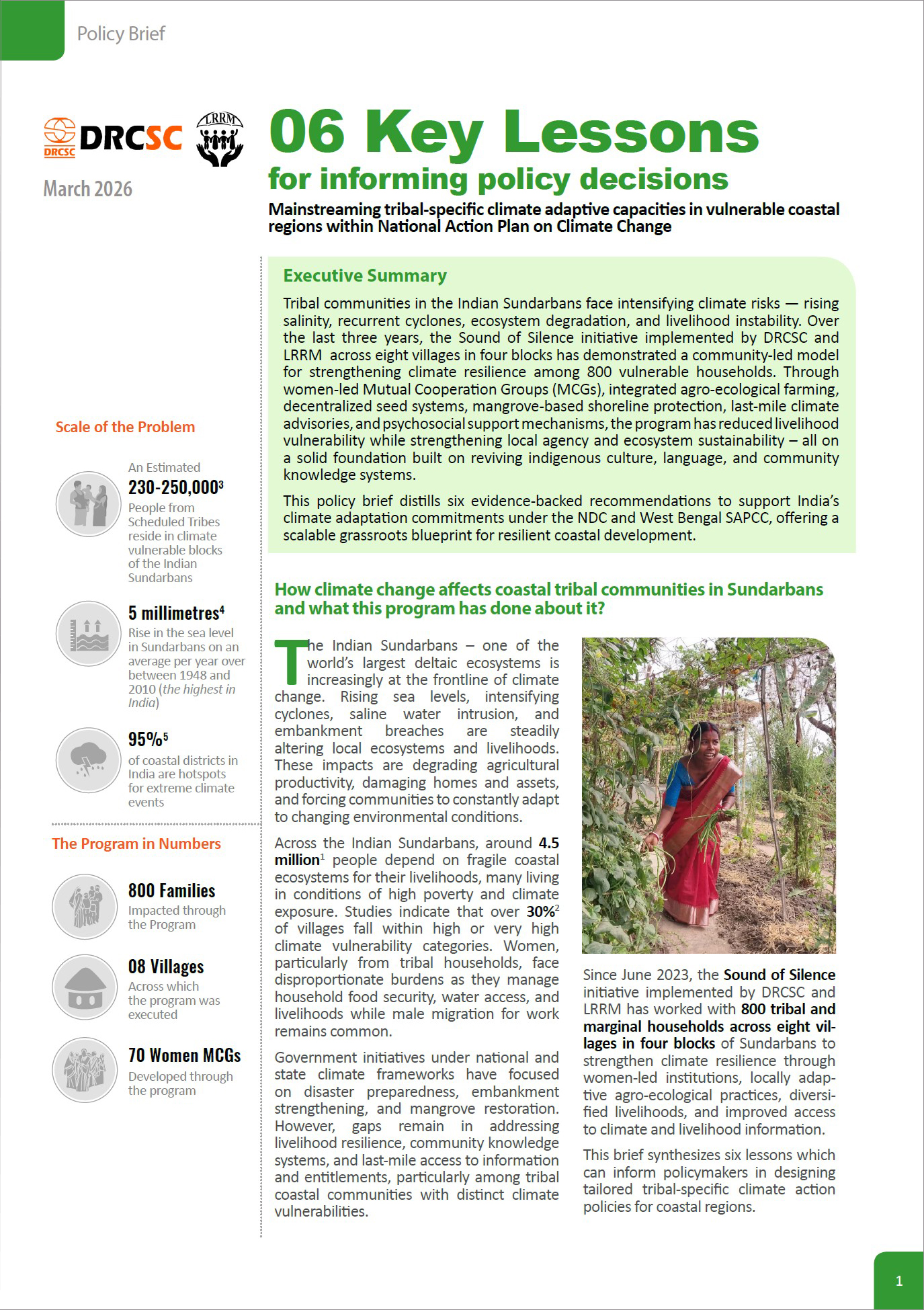
06 Key Lessons for informing policy decisions: Mainstreaming tribal-specific climate adaptive capacities in vulnerable coastal regions within National Action Plan on Climate Change
Download Full Report
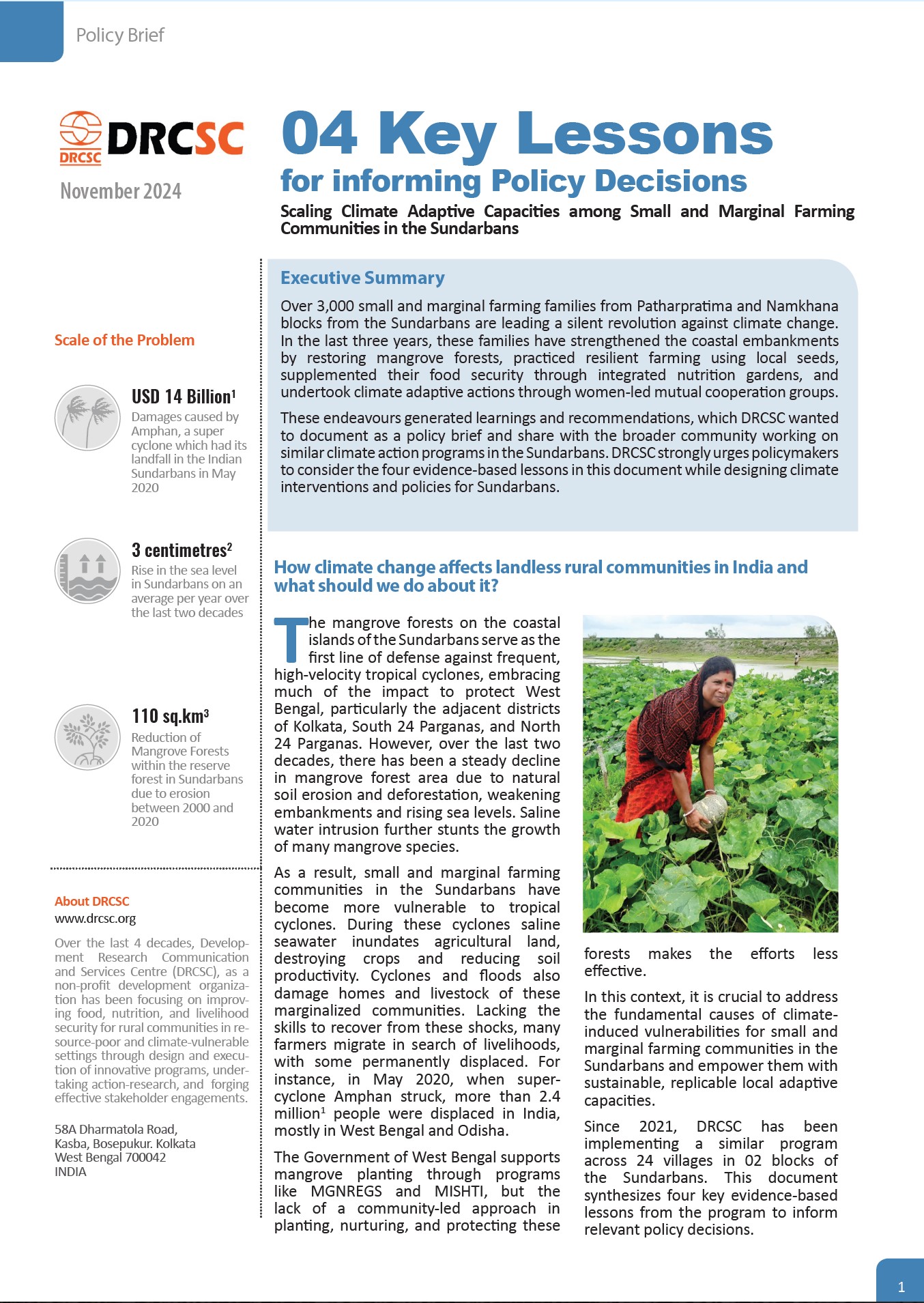
Four Key Lessons for Policy Consideration: Scaling Climate Adaptive Capacities among Small and Marginal Farming Communities in the Sundarbans
Download Full Report
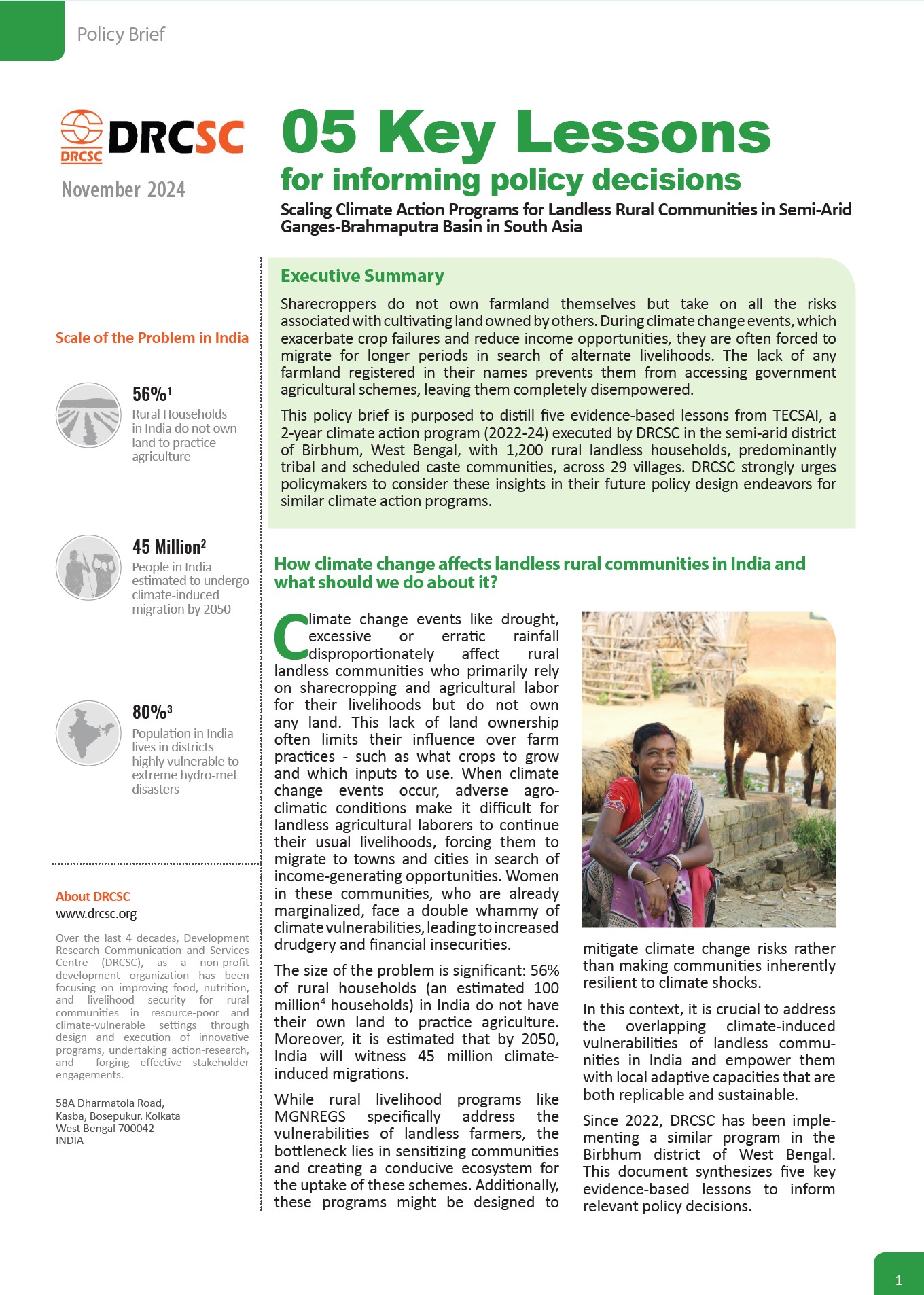
Five Key Lessons for Policy Consideration: Scaling Climate Action Programs for Landless Rural Communities in Semi-Arid Ganges-Brahmaputra Basin in South Asia
Download Full Report
View Blog Posts
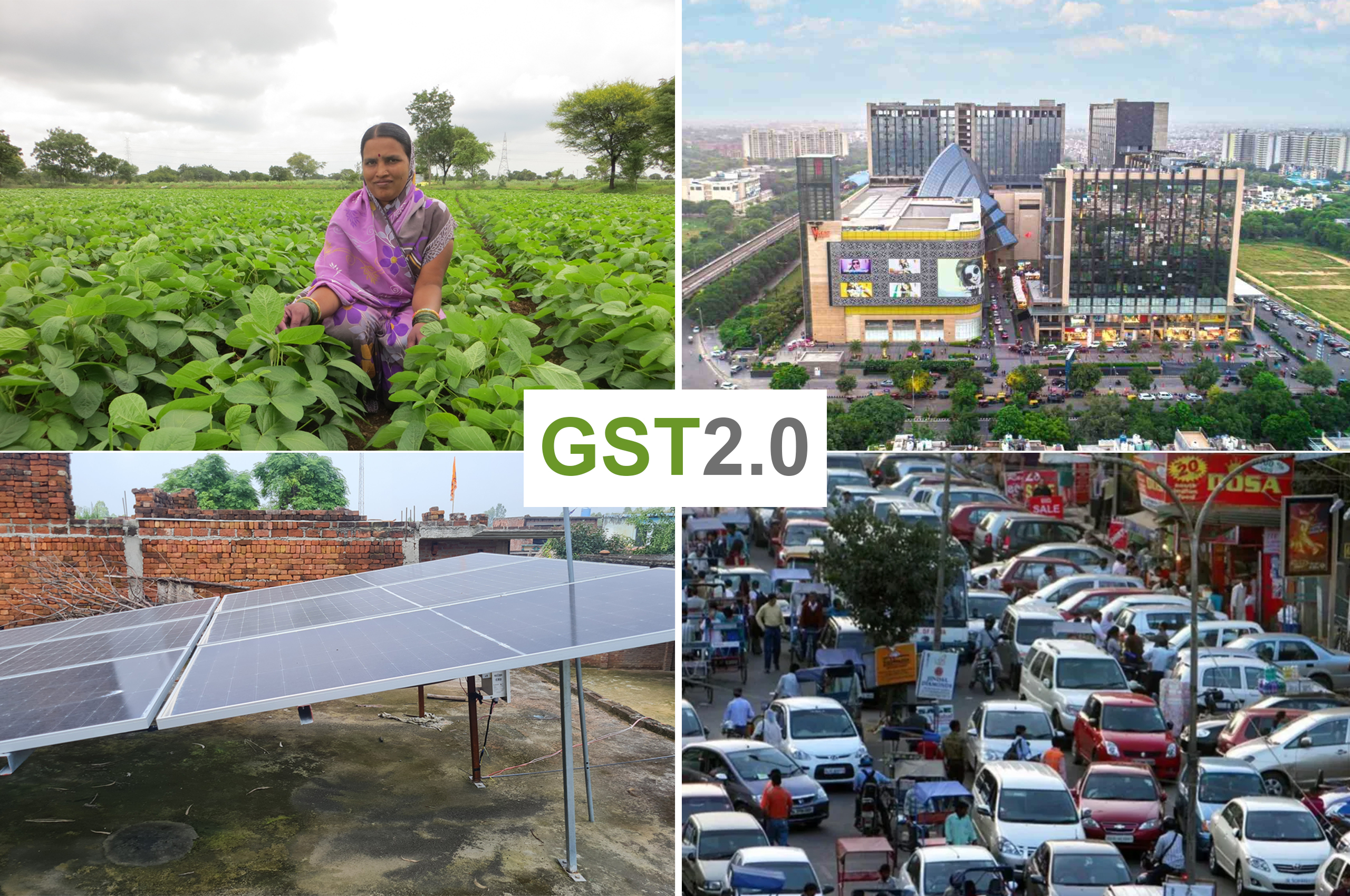
GST 2.0 and Tax Cuts: Can They Make Growth Fairer and Greener?
India's latest GST reform, being termed as GST 2.0, is more than just slashing rates. By simplifying the tax structure, cutting levies on essentials, and supporting renewable infrastructure, it's open..
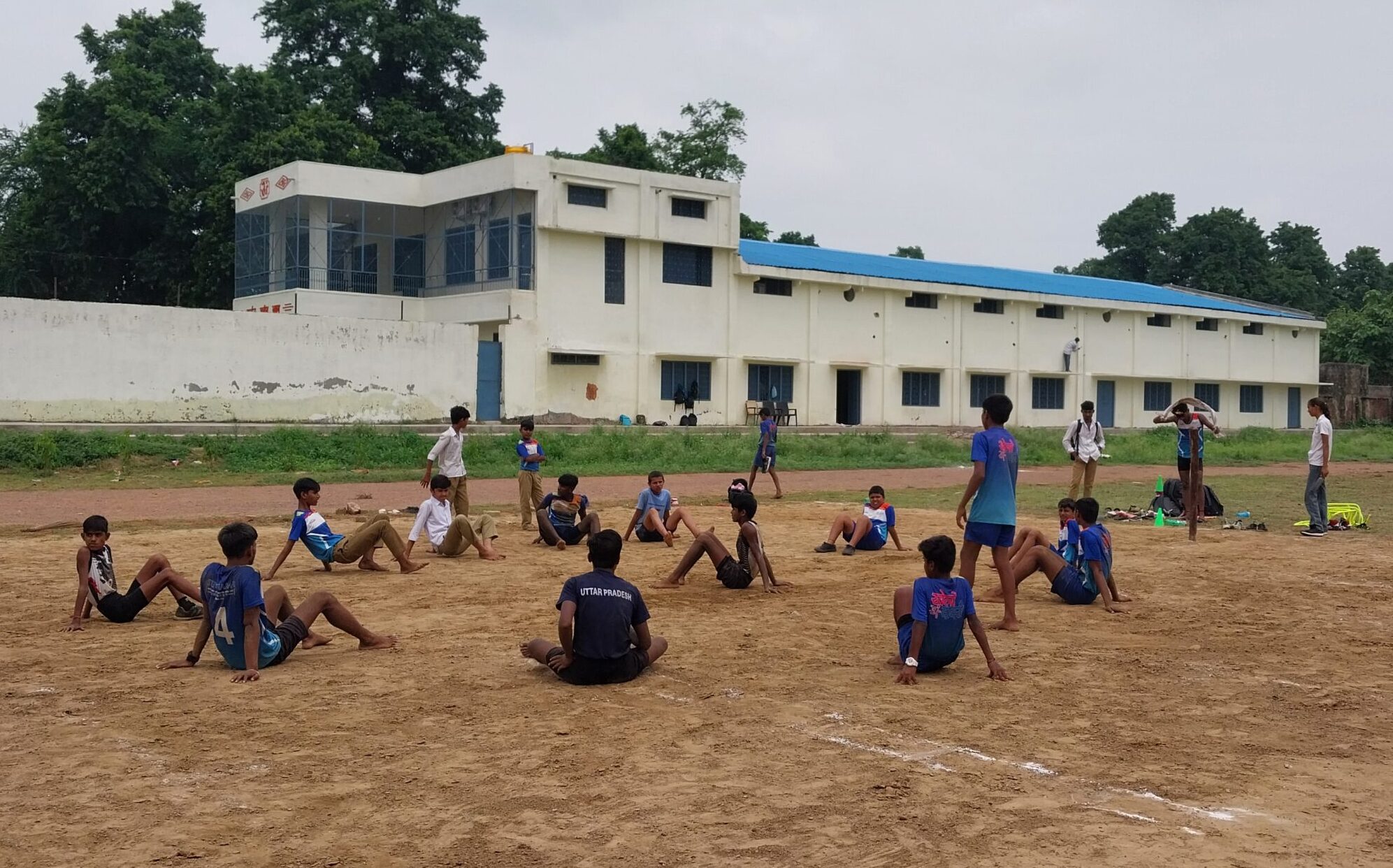
Reimagining Sports in CSR: From Tokenism to a Vehicle for Multiplying Impact
In 2023–24, Indian companies spent about ₹1,396 crore of their CSR budgets on sports — just 4% of the total ₹34,909 crore Indian corporates spent on CSR that year. Most of the rest went to edu..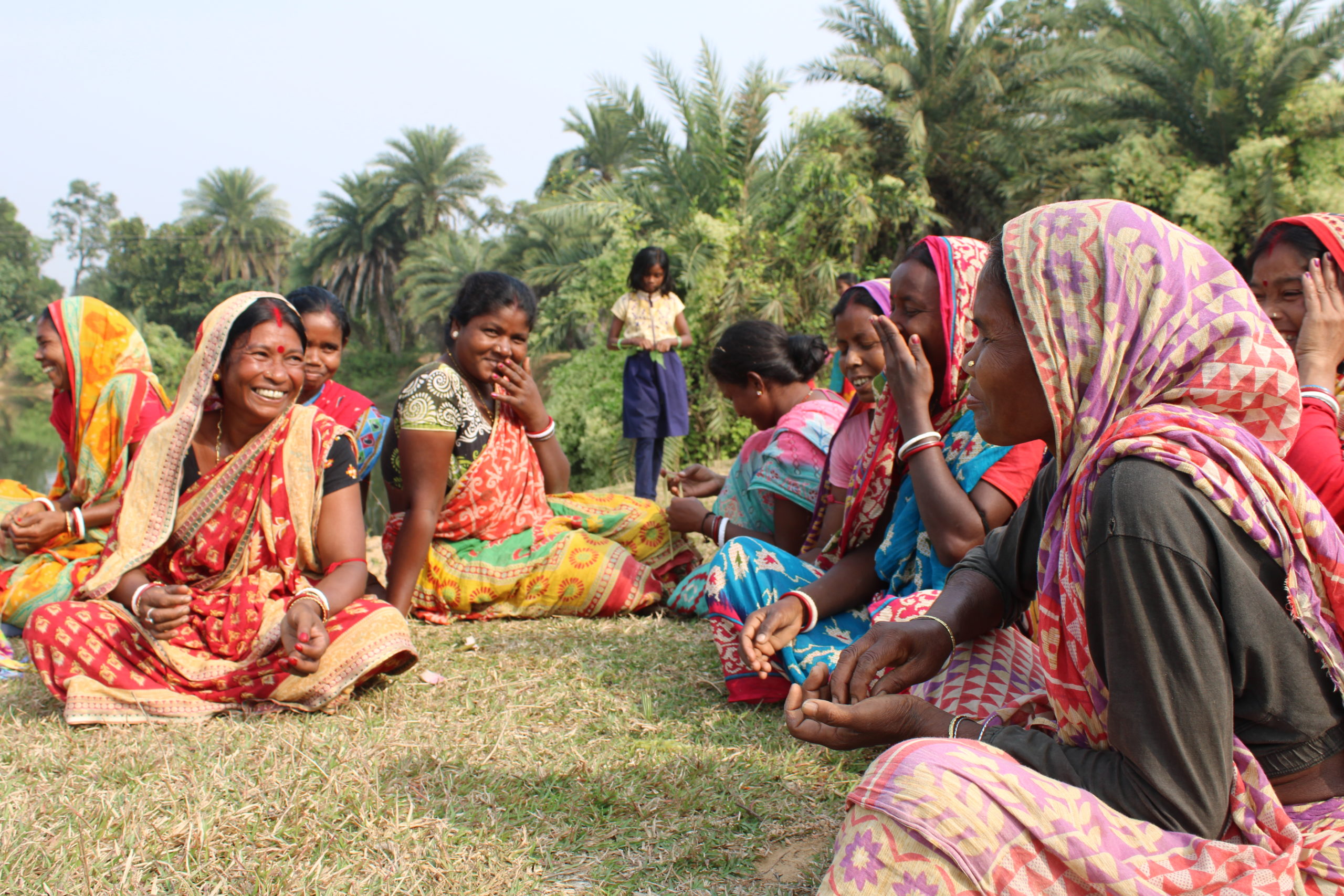
Interactive SHG Map of India: 7.5 million Women Self Help Groups are spread across 27 States and 6 UTs in India
Under the National Rural Livelihood Mission (NRLM), India has 7.5 million Women Self Help Groups (SHGs) spread across 27 states and 6 Union Territories. Each of these small, self-governed, and peer-co..