
Recent Developments,
Key Innovations, and
Insightful Reports
Your One Stop Platform for Regular Sector Updates
Sector news
View By Category
Categories
- See all
- Agriculture
- Clean Cookstoves
- Clean Energy
- Climate Action
- Digital Technology
- Education
- Financial Services
- General
- Healthcare
- Hygiene
- Impact Investment
- Inclusive Value Chains
- Livelihoods
- Livestock
- Lower Income Consumers
- Marketing, Distribution and Sales for BoP
- Nutrition
- Sanitation
- Water
- Women Empowerment


August 24, 2012
Yamaha builds water plants in Africa and Asia
As a part of its BoP (Bottom of the Pyramid) strategies for emerging markets, Yamaha Motor Co. started selling water purification systems in Africa and Asia. It has already built five purification facilities in five locations in Senegal and Indonesia. Read more here.
August 24, 2012
UV potty gets Gates’ go ahead
Researchers from the University of Toronto have come up with a model for a faeces dispenser which uses a sand filter and a smoulder chamber (like to charcoal barbecue) to process liquid waste and to incinerate solid waste respectively. Read more here.
August 24, 2012
Ghana: Poor in cities pay more for water compared to their affluent counterparts
A study by a consultant in Ghana recently brought to light the fact that the poor in urban centres in Ghana pay more for water than the better off in the society. The consultant is helping the government come up with a national strategy for the water sector. Read more […]
August 24, 2012
Solar powered toilet wins sanitation prize
Researchers from the California Institute of Technology in the US received the US$100,000 for its design of a toilet that converts human waste to hydrogen gas for use in fuel cells using solar power in the Reinvent the Toilet challenge by the Gates’ Foundation. Read about the other winners here.
August 24, 2012
Tanzanian government bars entry of donated water filters
The Tanzanian government has barred the entry of West Michigan based non-profit which was trying to get to the poor schools in the country about 150 water filters. The rationale behind this is a new 55 per cent tax rule on filters, donated or not. Read more here.
August 24, 2012
Toilets may get better and cheaper, but would people use them?
Clean cookstoves could potentially reduce the almost 2 million people who die of indoor air pollution due to polluting cookstoves, yet their low adoption rates are something that the Gates Foundation, on an offensive to land the cheap and developing-country-usable toilets, could learn from. New developmental changes like these usually […]
August 24, 2012
How £11 billion pledged for water sanitation aid was never given out
World aid donors had pledged a sum total of about £34 billion of water and sanitation aid between 2002, and 2010, while actually delivering only about £23 billion of the promised amount. This leaves £11 billion unaccounted for, which could have effectively served the sanitation needs and water requirements of […]
August 24, 2012
Student at Khairpur uses tea to get clean water
Shadab Rasool, a tenth grade student from Pak-Turk International School in Khairpur has won laurels for his project that uses tea waste to remove harmful pollutants from industrial waste. Read more here.
August 24, 2012
Slums in the world, and how sanitation is an inherent problem
In Mumbai, nearly 8 million people live in slums – that is more than 60 per cent of Mumbai’s population living on 8 per cent of the city’s land. Sanitation conditions are obviously exacerbated by this heavy load of population, and an already non-existent infrastructure for even the most basic […]
Get The Latest From The Social Sector In Your Inbox

Subscribe to our newsletter
View Our Publications
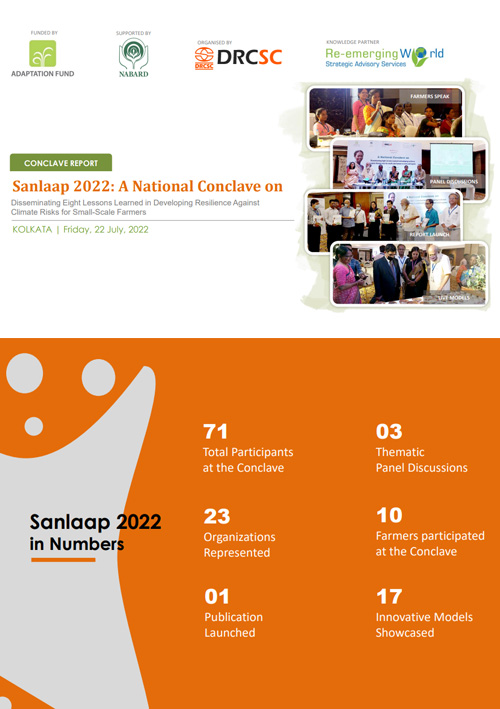
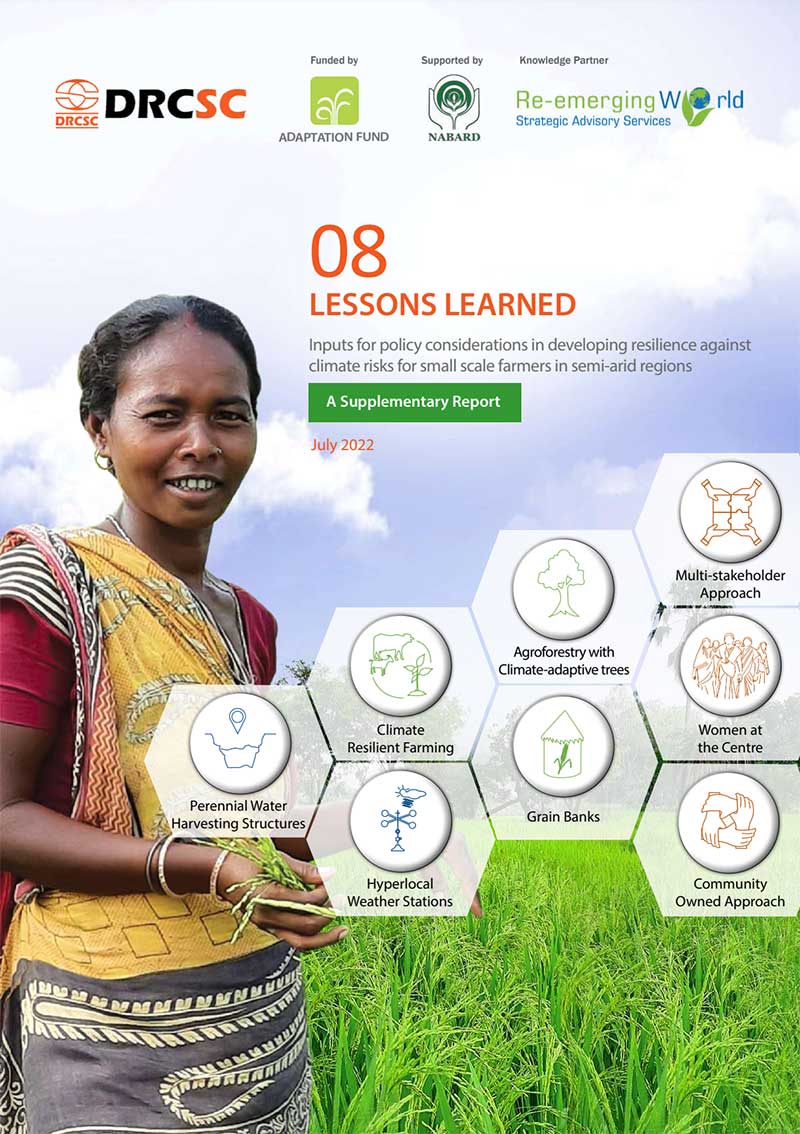
Eight Lessons Learned: Inputs for policy considerations in developing resilience against climate risks for small scale farmers in semi-arid regions, full report
Download Full Report
View Blog Posts
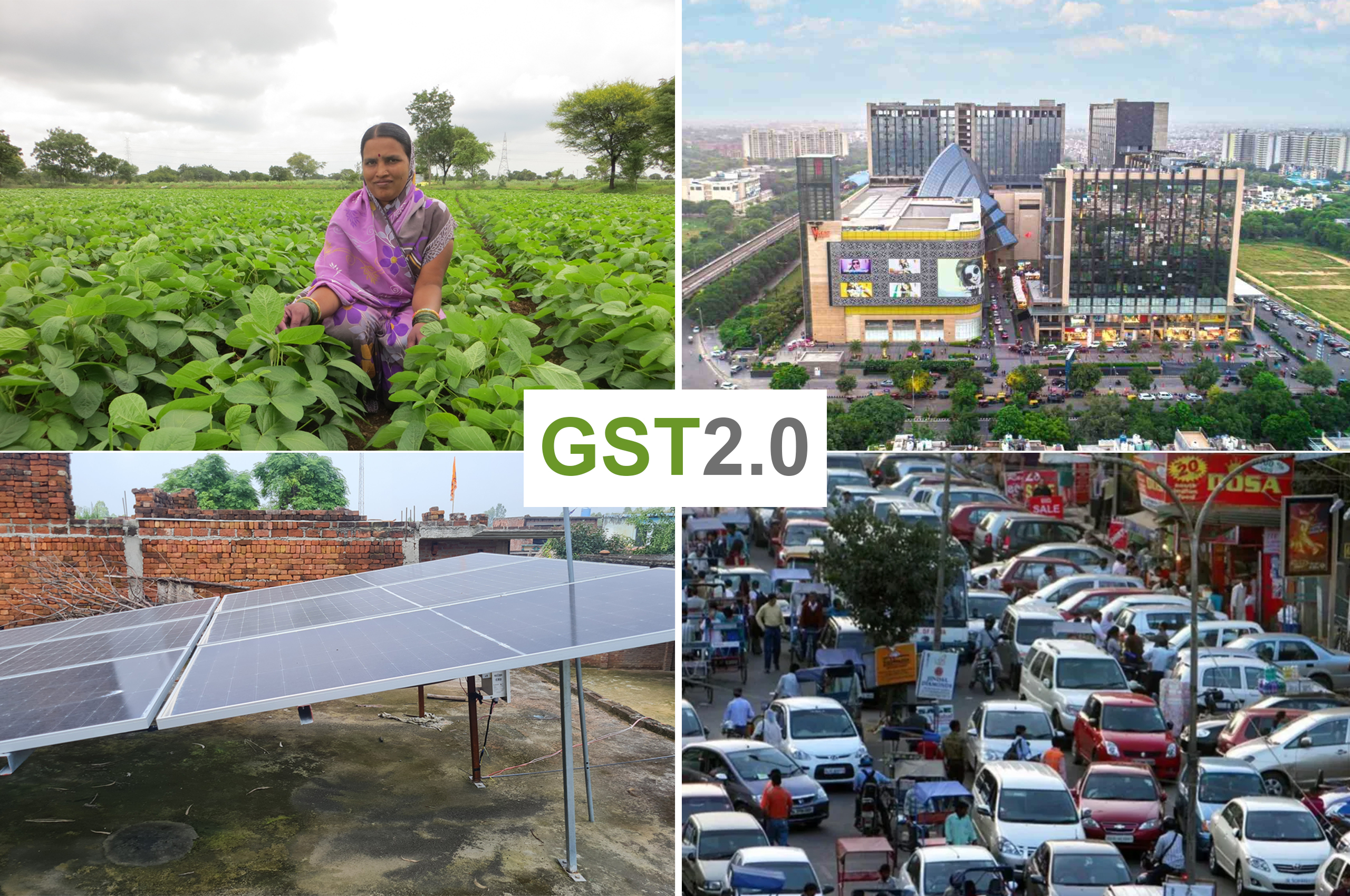
GST 2.0 and Tax Cuts: Can They Make Growth Fairer and Greener?
India's latest GST reform, being termed as GST 2.0, is more than just slashing rates. By simplifying the tax structure, cutting levies on essentials, and supporting renewable infrastructure, it's open..
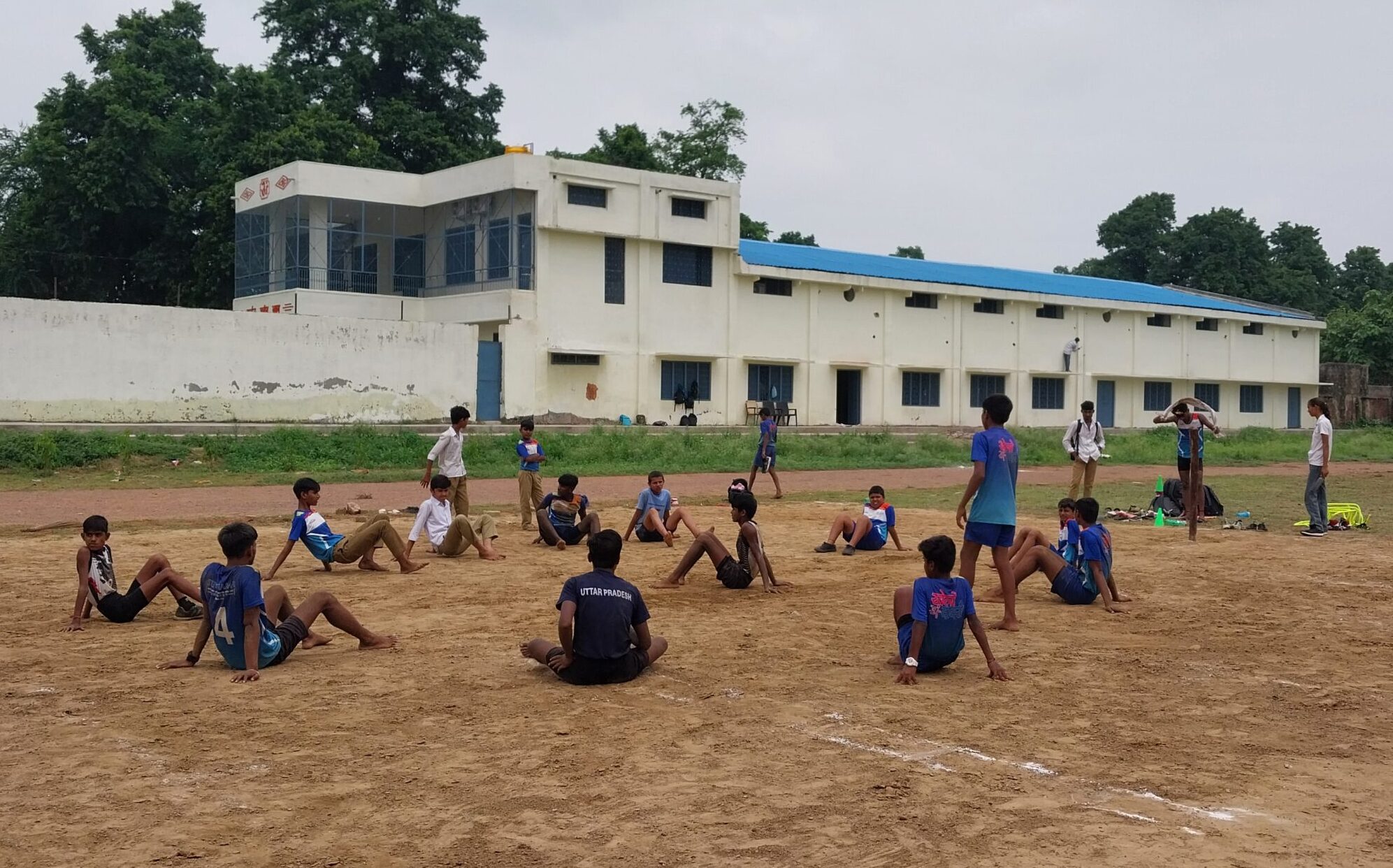
Reimagining Sports in CSR: From Tokenism to a Vehicle for Multiplying Impact
In 2023–24, Indian companies spent about ₹1,396 crore of their CSR budgets on sports — just 4% of the total ₹34,909 crore Indian corporates spent on CSR that year. Most of the rest went to edu..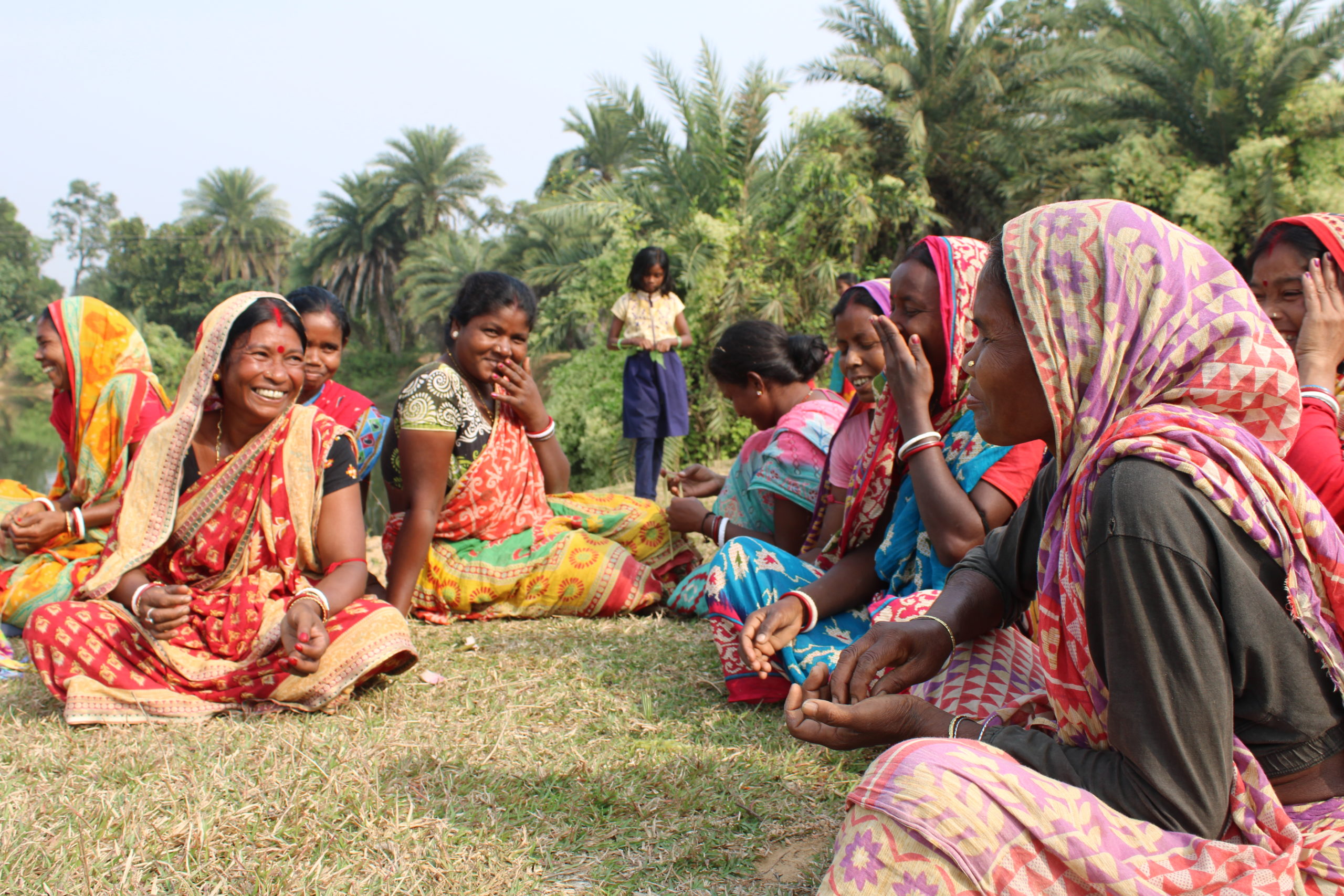
Interactive SHG Map of India: 7.5 million Women Self Help Groups are spread across 27 States and 6 UTs in India
Under the National Rural Livelihood Mission (NRLM), India has 7.5 million Women Self Help Groups (SHGs) spread across 27 states and 6 Union Territories. Each of these small, self-governed, and peer-co..