
Recent Developments,
Key Innovations, and
Insightful Reports
Your One Stop Platform for Regular Sector Updates
Sector news
View By Category
Categories
- See all
- Agriculture
- Clean Cookstoves
- Clean Energy
- Climate Action
- Digital Technology
- Education
- Financial Services
- General
- Healthcare
- Hygiene
- Impact Investment
- Inclusive Value Chains
- Livelihoods
- Livestock
- Lower Income Consumers
- Marketing, Distribution and Sales for BoP
- Nutrition
- Sanitation
- Water
- Women Empowerment


August 17, 2012
WFP seeks to avoid hunger in Zimbabwe
WFP is appealing for a sum of US$87 million for food-aid in Zimbabwe’s rural areas where approximately 2 million people are in need of hunger-relief measures. Read more here.
August 17, 2012
WFP needs US$48 million to feed Malawi
UN’s WFP (World Food Programme) agency recently announced that to be able to feed a sizeable proportion of the hunger and food insecurity affected people in Malawi (about 11 per cent of the total population), it would need about US$48 million. It also estimates a rise […]
August 17, 2012
Feeding 9 billion people in the future
The Guardian has collected an impressive trove of information, opinions, predictions and analyses regarding the extreme impending food insecurity in the future – that of feeding 9 billion people by 2050. Here is a collection of the best discussion outcomes and more. Read more here.
August 17, 2012
Bangladesh the least food secure in South Asia
According to the Global Food Security Index published by London based global think-tank Economist Intelligence Unit (EIU), Bangladesh is yet to achieve food security despite producing bumper rice crops in the past several years. Read more here.
August 17, 2012
US drought affects global food economy
USA plays a huge role in global food security – its own production of corn and soybeans have historically been high, and developing countries have always relied on these for aid. Now as US faces the worst drought since 1950s, one that has crippled its food production, […]
August 17, 2012
Djibouti: Food insecurity status
About 49 per cent of households in rural areas of Djibouti are food insecure, and another 28 per cent of households are moderately food insecure. Read more here.
August 17, 2012
Kenya: Urban poor food insecure
Kenya faces high rates of urbanizations through rural to urban movement of people. While this puts a pressure on housing, food security is also seen suffering under the pressures of population. Read more here.
August 17, 2012
Malawi’s food security threatened by contaminated groundnuts
Due to inadequate pre- and post-harvest practices such as bad drying and storage, crops like peanuts are prone to high contamination by aflatoxins (highly toxic but naturally occurring mycotoxin fungi). In Malawi, an estimated 60 per cent of peanuts (called groundnuts) are not tested for these […]
August 17, 2012
Papua New Guinea’s food security under threat
Agriculture is the mainstay of most of the population of PNG, but with bad management of food produced is leading to poor incomes of the farmers, and the resultant is food insecurity. Read more here.
Get The Latest From The Social Sector In Your Inbox

Subscribe to our newsletter
View Our Publications
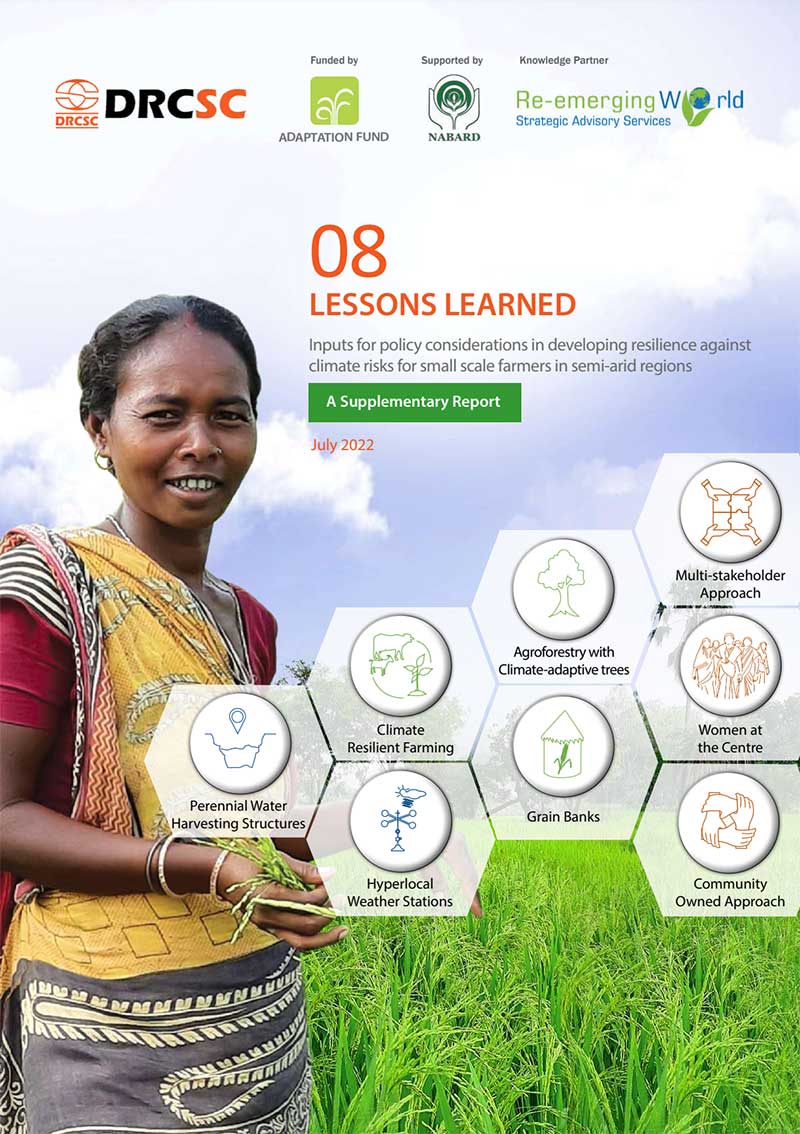
Eight Lessons Learned: Inputs for policy considerations in developing resilience against climate risks for small scale farmers in semi-arid regions, full report
Download Full Report
View Blog Posts
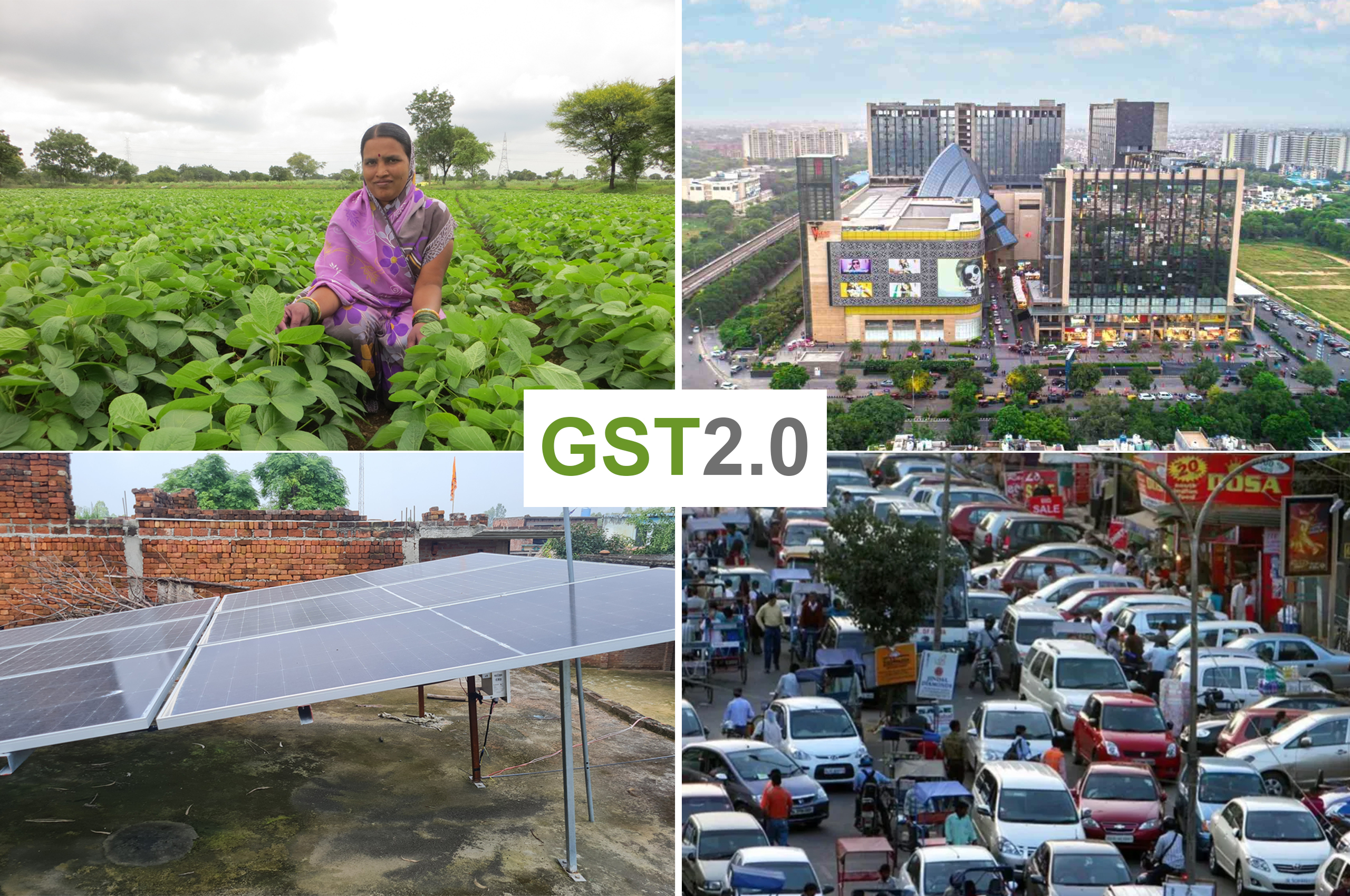
GST 2.0 and Tax Cuts: Can They Make Growth Fairer and Greener?
India's latest GST reform, being termed as GST 2.0, is more than just slashing rates. By simplifying the tax structure, cutting levies on essentials, and supporting renewable infrastructure, it's open..
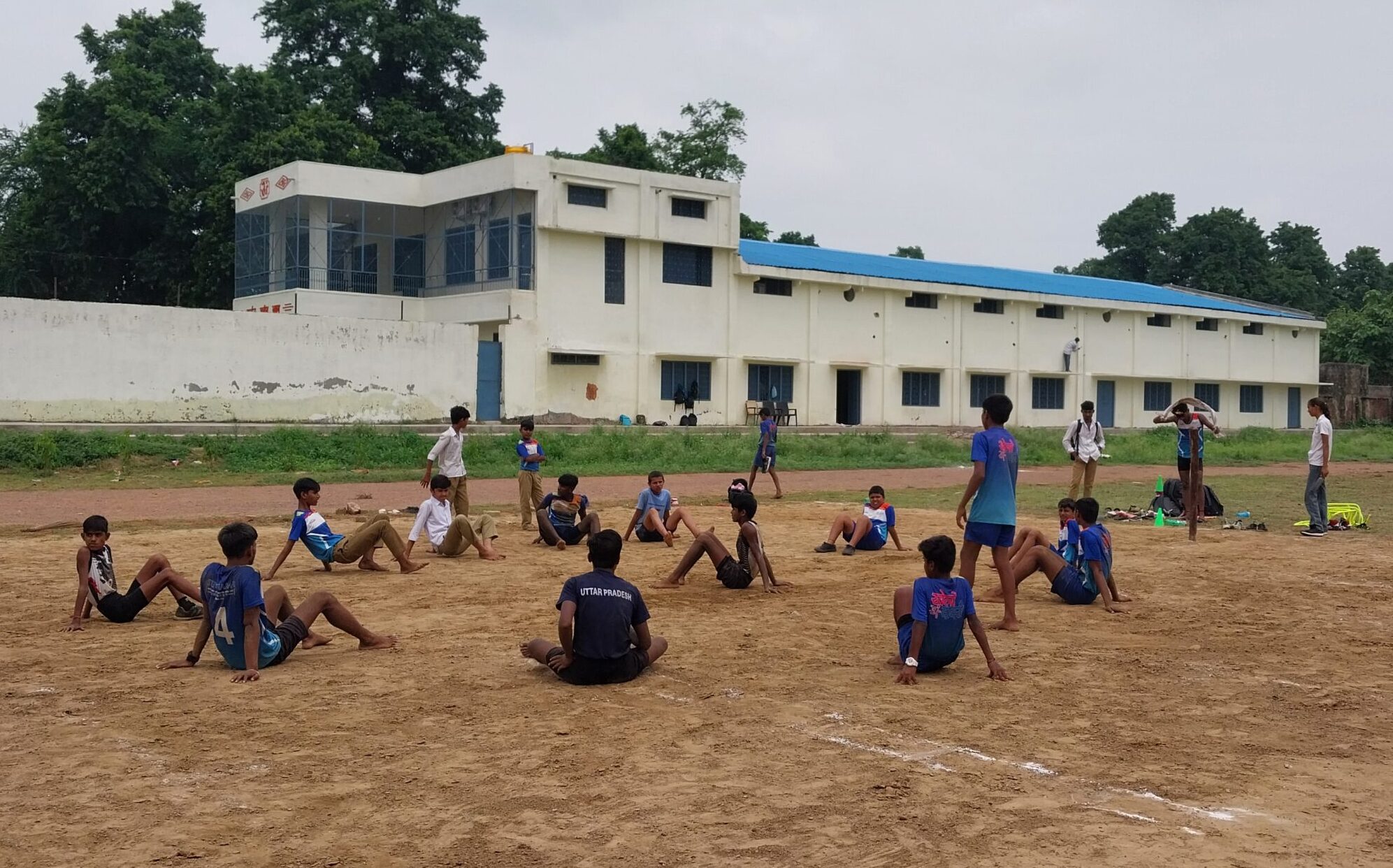
Reimagining Sports in CSR: From Tokenism to a Vehicle for Multiplying Impact
In 2023–24, Indian companies spent about ₹1,396 crore of their CSR budgets on sports — just 4% of the total ₹34,909 crore Indian corporates spent on CSR that year. Most of the rest went to edu..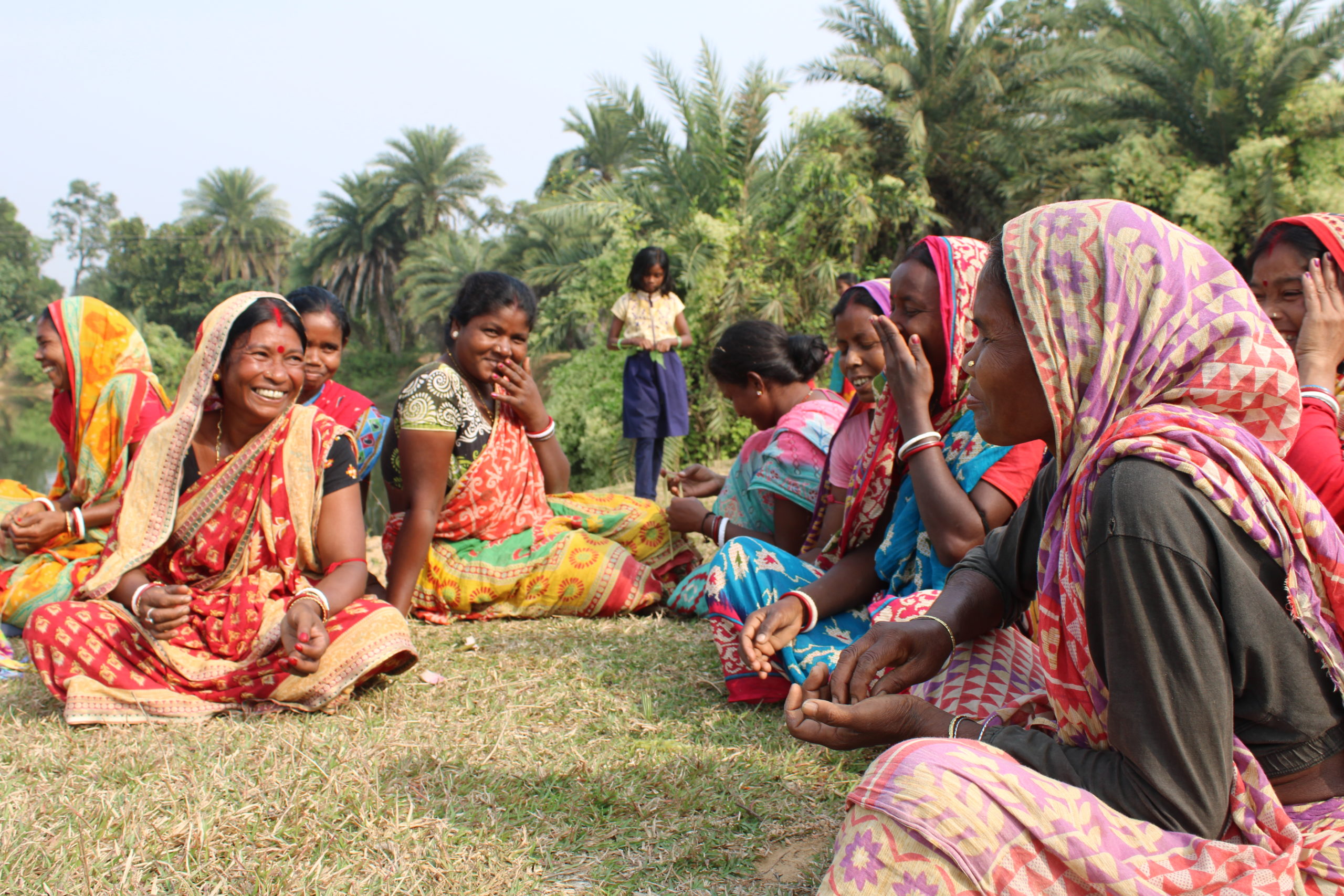
Interactive SHG Map of India: 7.5 million Women Self Help Groups are spread across 27 States and 6 UTs in India
Under the National Rural Livelihood Mission (NRLM), India has 7.5 million Women Self Help Groups (SHGs) spread across 27 states and 6 Union Territories. Each of these small, self-governed, and peer-co..