
Recent Developments,
Key Innovations, and
Insightful Reports
Your One Stop Platform for Regular Sector Updates
Sector news
View By Category
Categories
- See all
- Agriculture
- Clean Cookstoves
- Clean Energy
- Climate Action
- Digital Technology
- Education
- Financial Services
- General
- Healthcare
- Hygiene
- Impact Investment
- Inclusive Value Chains
- Livelihoods
- Livestock
- Lower Income Consumers
- Marketing, Distribution and Sales for BoP
- Nutrition
- Sanitation
- Water
- Women Empowerment


January 7, 2013
Instilling client protection in Moroccan microfinance
Morocco has the one of the most flourishing microfinance systems in the Middle East/North Africa. The country’s microfinance sector has close to 800,000 clients and about US$ 60 million in loan portfolio. However, it has had its own difficulties in achieving success, and to overcome these, it has had to […]
January 7, 2013
Why microfinance is important for the world’s poor, and why they won’t use it
This post by Jonathan Bauchet details the outcomes of his study of microinsurance done with Microinsurance Learning and Knowledge (MILK) by Compartomos in Mexico. The take-up of well-defined and adequately priced microinsurance products especially suitable to the poor is low, prompting the need for the exploration of why participation in […]
January 7, 2013
Learning Curves: Microfinance Development Strategy
This paper by the Asian Development Bank (ADB) evaluates the development organization’s development strategy with respect to its plans for microfinance scale-up and support. Read it here.
January 7, 2013
Current Trends in Cross-Border Funding for Microfinance
In the year 2011, cross-border funders committed as much as US$25 billion to financial inclusion of the poor in the developing world, microfinance included in the broad category. This CGAP study shows that this funding continued to increase despite a global financial crisis, but at a low growth rate. Read […]
January 7, 2013
Poor farmers in Malawi get cash through their mobile phones
Echoing the successful approach of cash transfers to help the extremely poor find a sustainable route to self-subsistence, the WFP (World Food Programme) in Malawi has taken to helping the poorest of farmers in Malawi get cash through their cell phones. Read more here.
January 7, 2013
Four ways how technology can boost African farming
According to a report by the AfDB (African Development Bank) and the World Bank, mobile phones lets Africans access services which are otherwise available only through traditional means in developed countries. This takes Africa’s ICT contribution to the GDP to as high as 7 per cent. This service can especially […]
January 7, 2013
ICTs for Agriculture in Africa
This report focuses on African agriculture, and the role that ICT tools like mobile phones and internet can play to leverage several positive actions like access to markets, strengthening of infrastructure and more. To read the report, click here.
January 7, 2013
India: AIIMS opens regional telemedicine centre in Odisha
The All India Institute of Medical Services (AIIMS), Bhubaneshwar recently helped open a telemedical centre on its campus in Bhubaneshwar, Odisha. This centre will help scale tele consultations and man power development. Read more here.
January 7, 2013
Bangladesh launched national mHealth service to reach 2 million mothers by 2015
MAMA, or the Mobile Alliance for Maternal Action laucnhed a national programme called ‘Aponjon’ in Bangladesh, which is an mHealth initiative aiming to reach as many as 2 million mothers in the country by 2015. Read more here.
Get The Latest From The Social Sector In Your Inbox

Subscribe to our newsletter
View Our Publications
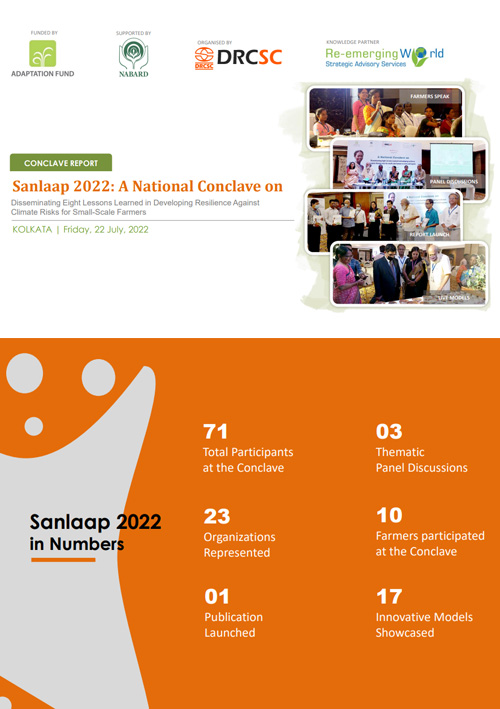
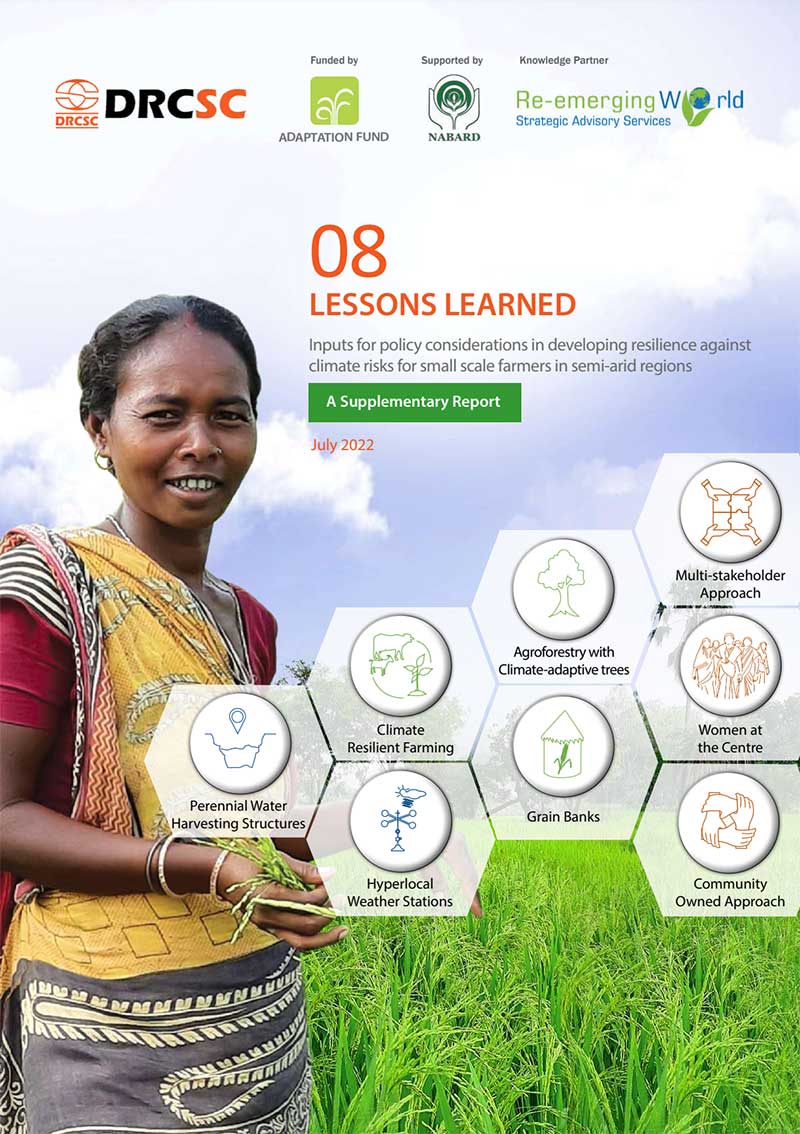
Eight Lessons Learned: Inputs for policy considerations in developing resilience against climate risks for small scale farmers in semi-arid regions, full report
Download Full Report
View Blog Posts
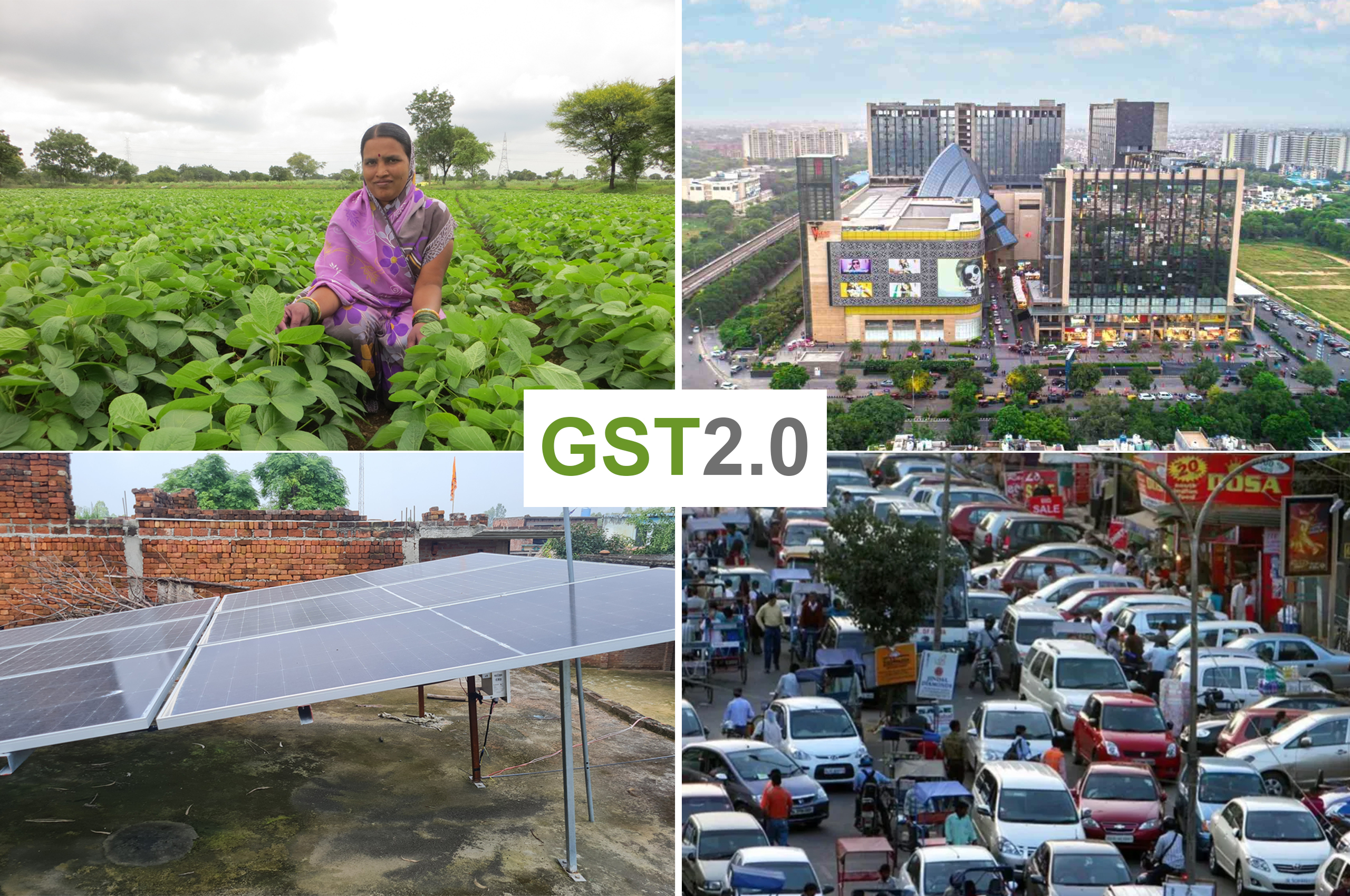
GST 2.0 and Tax Cuts: Can They Make Growth Fairer and Greener?
India's latest GST reform, being termed as GST 2.0, is more than just slashing rates. By simplifying the tax structure, cutting levies on essentials, and supporting renewable infrastructure, it's open..
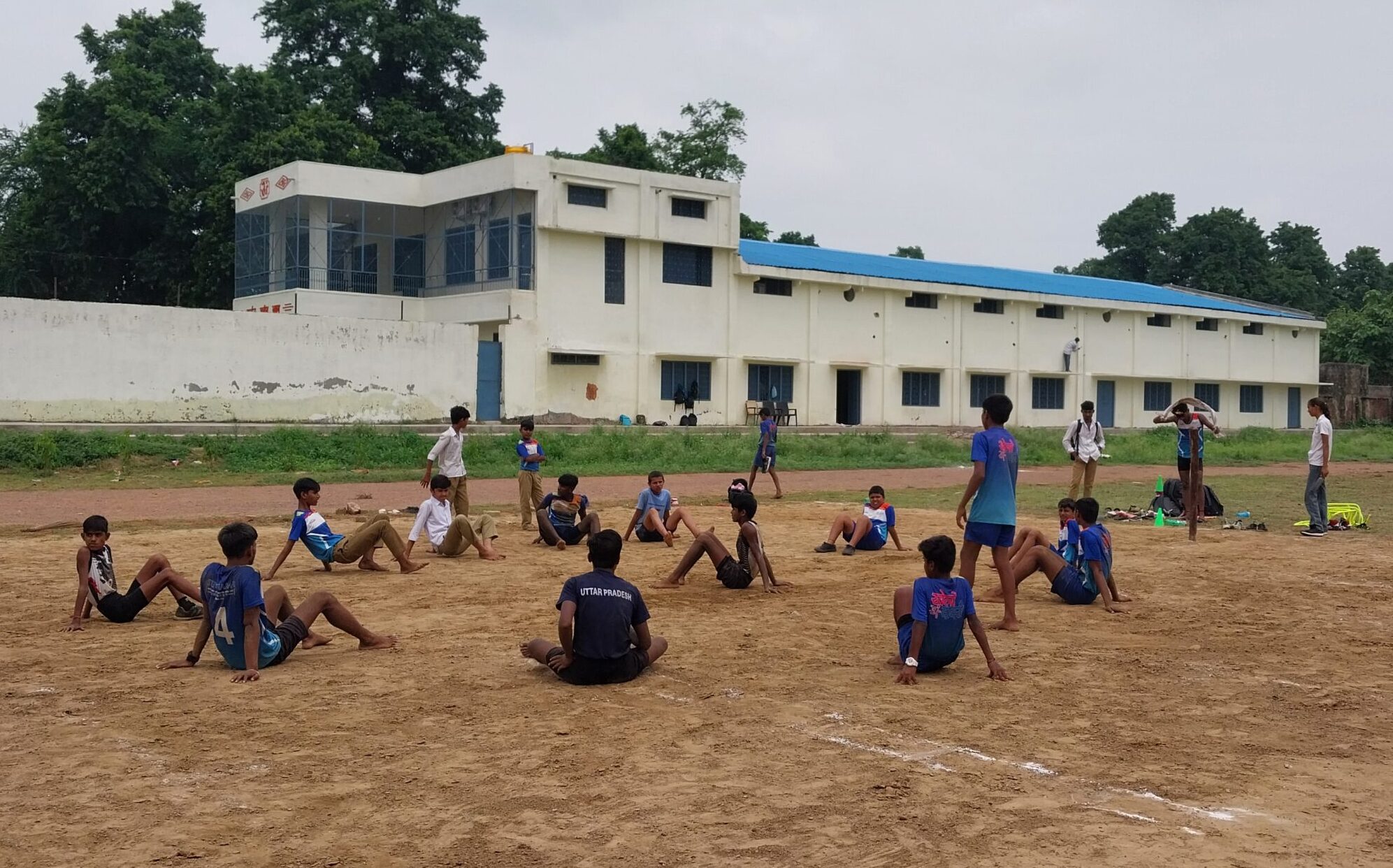
Reimagining Sports in CSR: From Tokenism to a Vehicle for Multiplying Impact
In 2023–24, Indian companies spent about ₹1,396 crore of their CSR budgets on sports — just 4% of the total ₹34,909 crore Indian corporates spent on CSR that year. Most of the rest went to edu..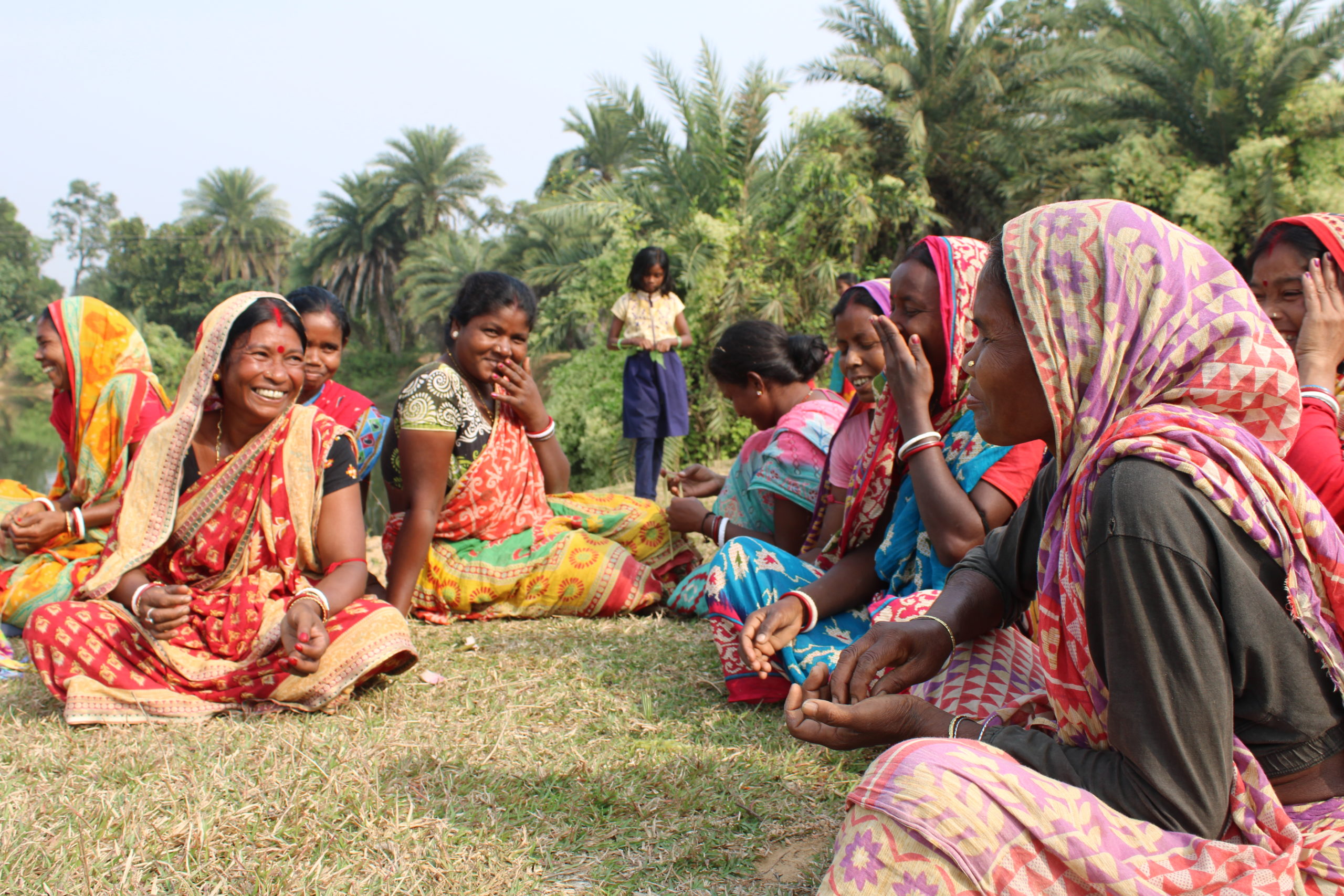
Interactive SHG Map of India: 7.5 million Women Self Help Groups are spread across 27 States and 6 UTs in India
Under the National Rural Livelihood Mission (NRLM), India has 7.5 million Women Self Help Groups (SHGs) spread across 27 states and 6 Union Territories. Each of these small, self-governed, and peer-co..