
Recent Developments,
Key Innovations, and
Insightful Reports
Your One Stop Platform for Regular Sector Updates
Sector news
View By Category
Categories
- See all
- Agriculture
- Clean Cookstoves
- Clean Energy
- Climate Action
- Digital Technology
- Education
- Financial Services
- General
- Healthcare
- Hygiene
- Impact Investment
- Inclusive Value Chains
- Livelihoods
- Livestock
- Lower Income Consumers
- Marketing, Distribution and Sales for BoP
- Nutrition
- Sanitation
- Water
- Women Empowerment


January 7, 2013
More EC funding for water and sanitation
The European Commission has increased its financial support to the Namibian Water Supply and Sanitation Sector programme from € 18 million to € 36 million. Read more here.
January 7, 2013
India: State schools very poor on sanitation in Maharashtra
According to the details released under the National School Sanitation Initiative, state schools in Maharashtra rank very low. None of the schools that voluntarily signed up for this assessment have made it to the top category, and as many as 33 per cent of them have been categorized as requiring […]
January 7, 2013
5 million Ghanaians among the 1.1 billion who openly defecate in the world
The rural and urban areas of Ghana are rife with the problem of open defecation. According to a 2008 report by Water and Sanitation Monitoring Platform (WSMP), as many as 5 million Ghanaians defecate openly. In cities, it is on the beaches, open drains or dump sites, while in rural […]
January 7, 2013
Sanitation shortage harmful for the health and education of girls in India
Inadequate sanitation facilities for the poorer women in rural areas and urban informal settlements pose a number of serious challenges for them. For households that must practice open defecation, women must get up while it’s still dark in the morning and make their way to nearby sites to defecate, and […]
January 7, 2013
The global garbage crisis – no time to waste
According to delegates gathered in the biennium conference for UNEP hosted Global Partnership on Waste Management (GPMW), there is an eminent threat of waste collection and management, especially in the developing countries where waste collection rates are often below 50 per cent. Read more here.
January 7, 2013
Panasonic to ‘regain markets’ by launching solar lanterns in the developing world
Panasonic is soon to make a change in its strategies by shifting focus to eco-technologies with the aim of capturing markets in the developing world through a range of solar lanterns to be launched early next year. Read more here.
January 7, 2013
How M-KOPA’s solar technology helps Africa
M-KOPA’s solar based phone charging systems integrate a number of innovative principles which could potentially open up a whole new market. They have SIM chips integrated into their bases, which will turn off the machines if the users have not paid periodically. The service is then started at a fraction […]
January 7, 2013
Solar lights up the developing world
This post gives an overview of a number of initiatives in many developing countries, using solar power as a means to development. Solar lanterns and home systems bring light to majorities of the population in these countries, and betters their economic prospects as well as their health, and can arguably […]
January 7, 2013
How to light Africa within a decade
While there are all technologies available in the world to ensure that every house that wants modern lighting options, instead of kerosene, will have it, there is one major barrier – access to finance, for both social enterprises, as well as end beneficiaries. Results based finance has been suggested as […]
Get The Latest From The Social Sector In Your Inbox

Subscribe to our newsletter
View Our Publications
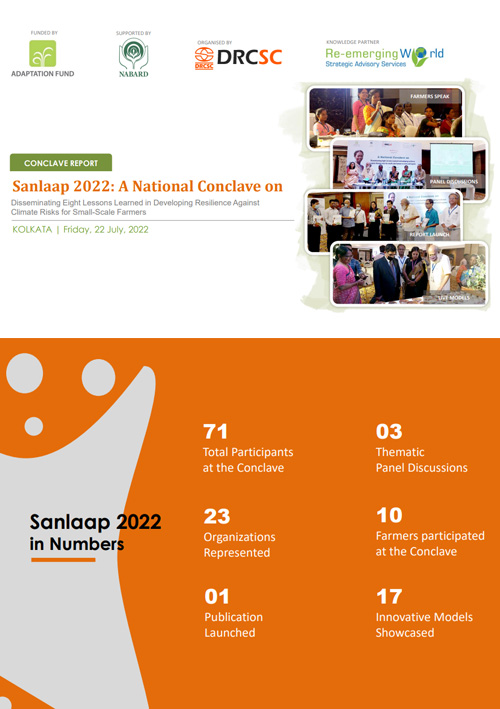
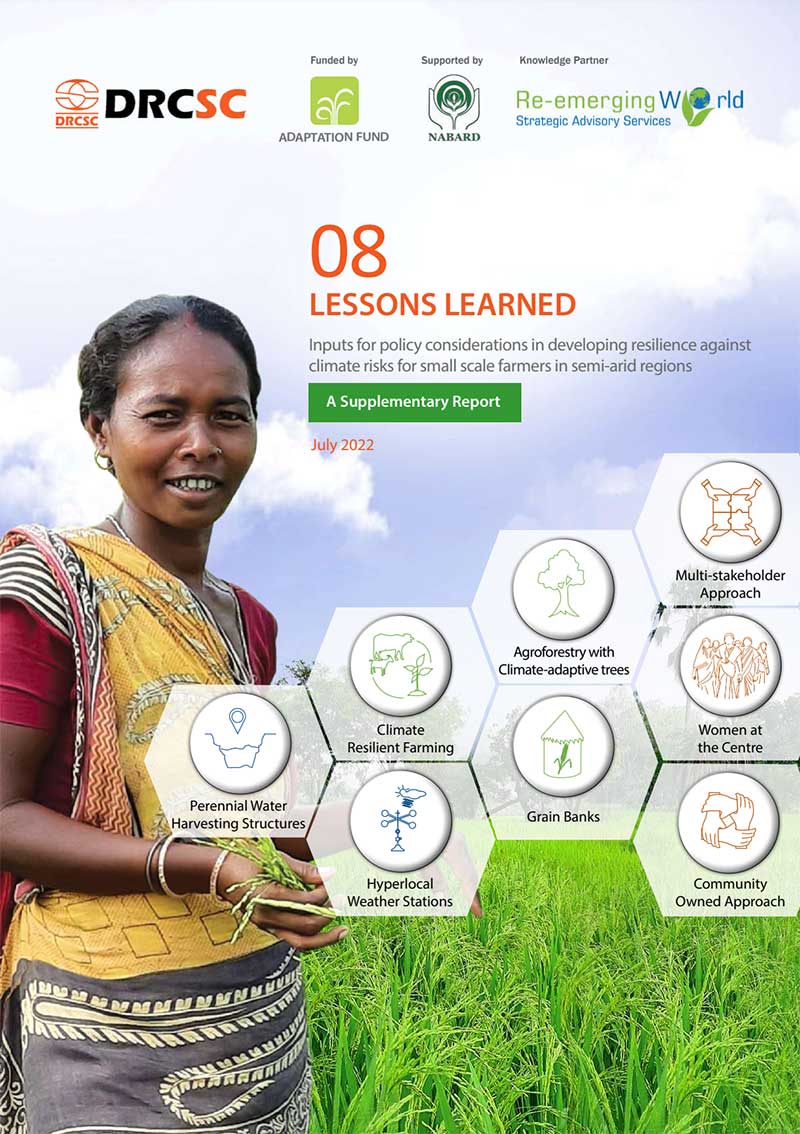
Eight Lessons Learned: Inputs for policy considerations in developing resilience against climate risks for small scale farmers in semi-arid regions, full report
Download Full Report
View Blog Posts
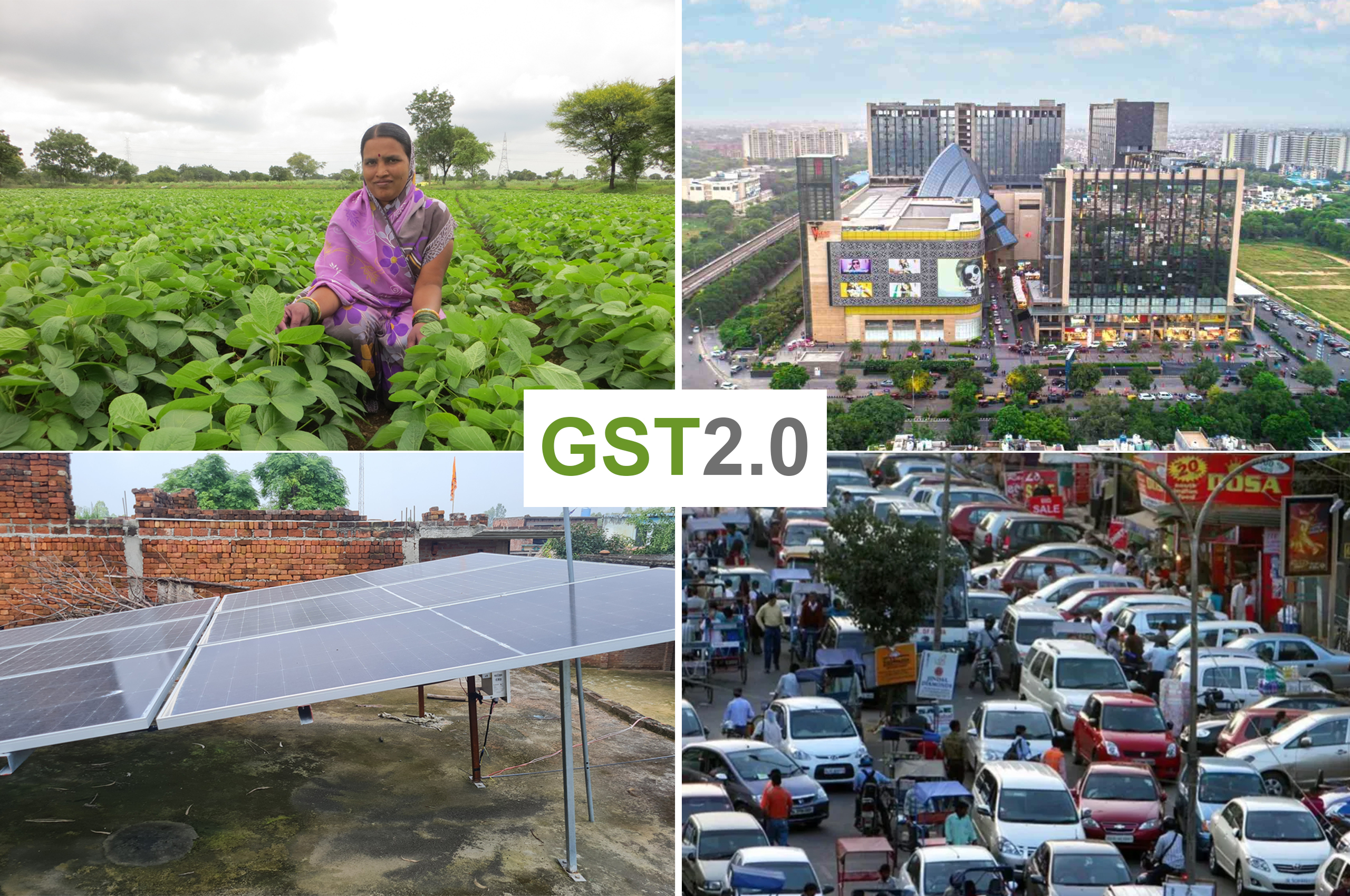
GST 2.0 and Tax Cuts: Can They Make Growth Fairer and Greener?
India's latest GST reform, being termed as GST 2.0, is more than just slashing rates. By simplifying the tax structure, cutting levies on essentials, and supporting renewable infrastructure, it's open..
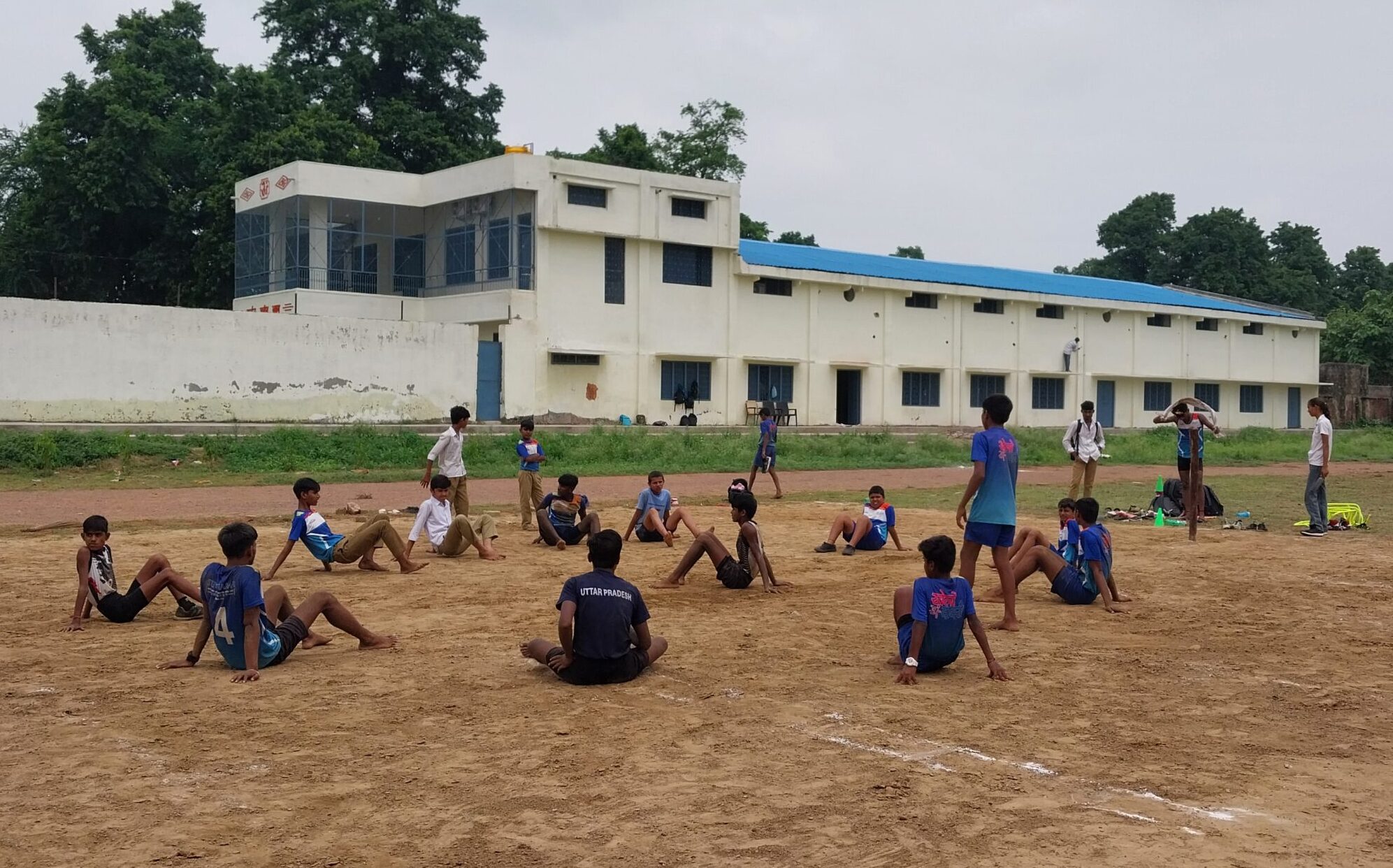
Reimagining Sports in CSR: From Tokenism to a Vehicle for Multiplying Impact
In 2023–24, Indian companies spent about ₹1,396 crore of their CSR budgets on sports — just 4% of the total ₹34,909 crore Indian corporates spent on CSR that year. Most of the rest went to edu..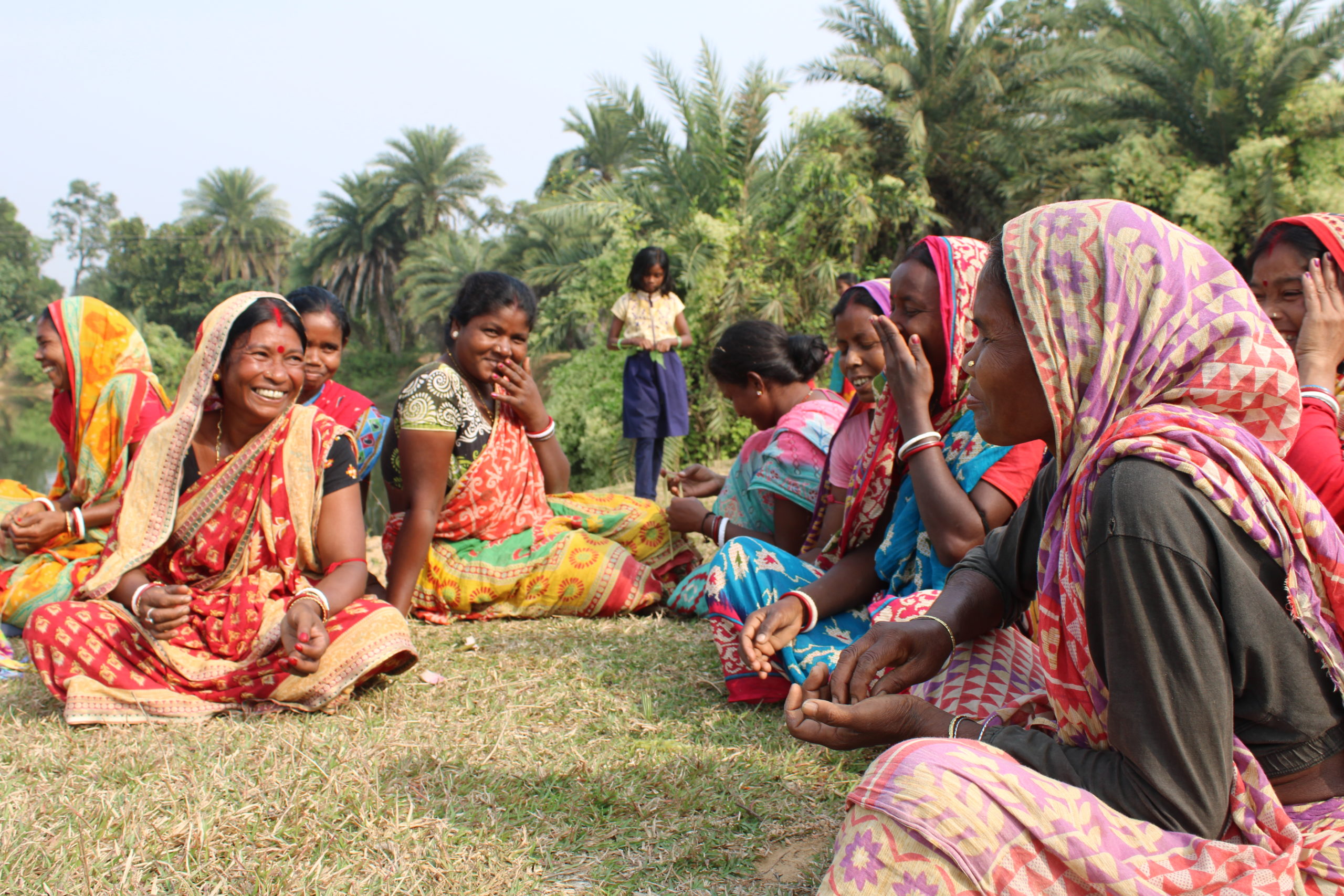
Interactive SHG Map of India: 7.5 million Women Self Help Groups are spread across 27 States and 6 UTs in India
Under the National Rural Livelihood Mission (NRLM), India has 7.5 million Women Self Help Groups (SHGs) spread across 27 states and 6 Union Territories. Each of these small, self-governed, and peer-co..